Best Portable Honda Generator for Home Backup Guide
Disclosure: We may earn a commission when you buy through links on this page, at no extra cost to you. As an Amazon Associate I earn from qualifying purchases. Learn more
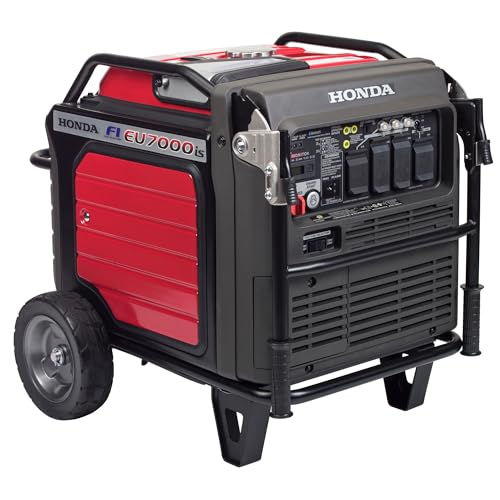
Search for a home backup generator and Honda's name comes up almost immediately, usually alongside a noticeably higher price tag than the unit sitting next to it on the shelf. That premium raises a fair question: is a Honda actually worth it for keeping your fridge and sump pump running during an outage, or are you paying for a badge? The honest answer is a mix of both, and the details that matter change depending on how you plan to use the generator, how long your outages tend to last, and whether you're the type of owner who wants to buy once and forget about it for a decade.
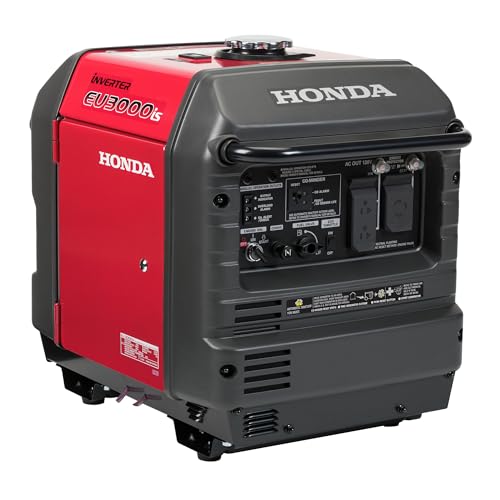

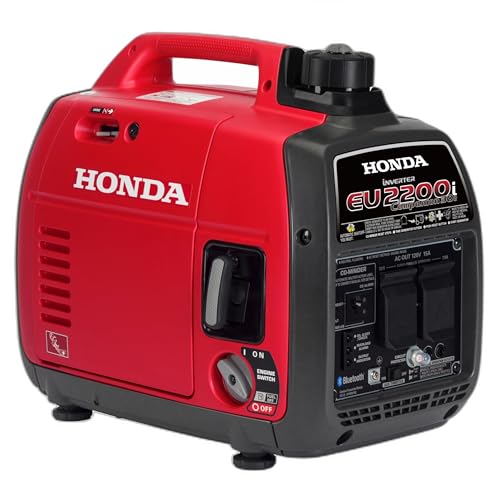
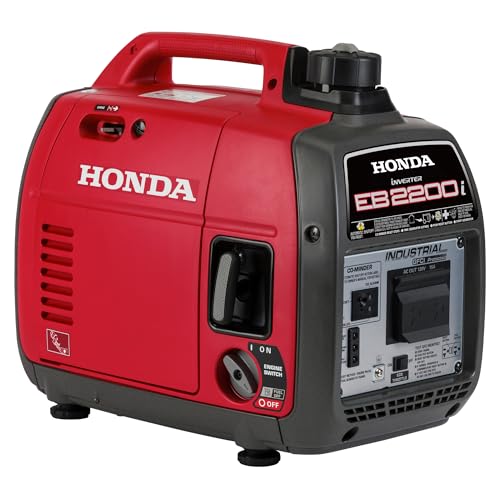
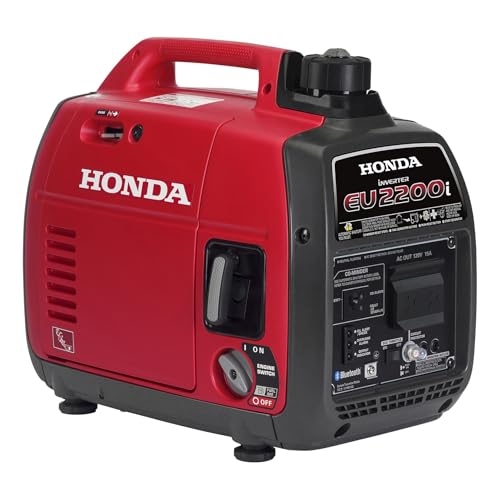
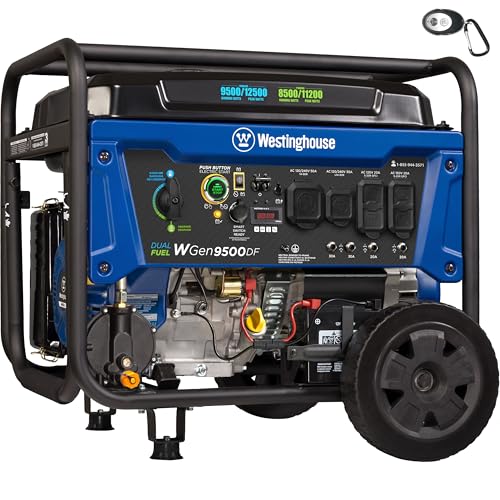
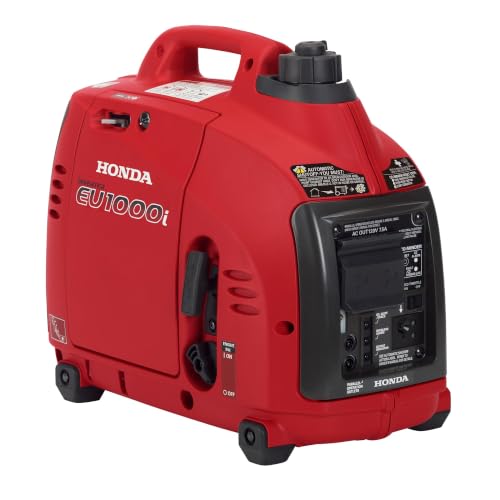
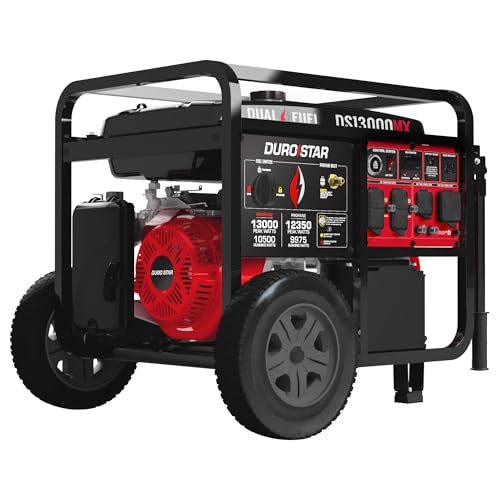

Why Homeowners Pay More for a Honda When the Power Goes Out
The price gap between Honda and budget brands isn't just marketing. Owner reports consistently mention units running well past a decade of use, including anecdotes of older Honda inverter generators surviving multi-day outages without issue. That kind of longevity track record matters more for home backup than it does for occasional weekend use, since a backup generator often sits unused for months and then needs to start reliably on the worst night of the year.
Two practical factors back up the reputation. First, Honda maintains one of the largest authorized dealer and service networks of any generator brand, so parts and repairs are easier to find years down the road, particularly outside major cities. Second, Honda units tend to hold resale value noticeably better than harbor-freight-style budget brands, which softens the sting of the higher upfront cost if you ever upgrade or sell. Competing inverter models from budget manufacturers have closed the gap on noise and power quality, so if raw specs are your only concern, you have cheaper options. If you're weighing decades of ownership, warranty length, and being able to find a repair shop when something breaks, that's where the Honda premium tends to earn its keep.
What the Warranty Actually Covers
Honda's residential warranty runs longer than what most budget competitors offer on their base models, and it's backed by a dealer network that can perform warranty work in person rather than routing everything through a call center. For a generator you're counting on during an emergency, being able to walk into a local shop instead of shipping a 100-pound unit across the country is worth factoring into the total cost of ownership.
Matching Wattage to Your Home's Essential Circuits (Not a Campsite)
A lot of generator buying guides size wattage around camping or tailgating loads, but home backup is a different problem. You're not powering a cooler and some string lights; you're keeping a household functioning through however long the outage lasts, which means the math needs to start with your actual panel, not a generic appliance list.
Walk your breaker panel and write down what you truly need during an outage: the refrigerator and freezer, a sump pump if you have one, a furnace or boiler blower, a handful of lights, and maybe a router for internet access. Add up the running watts, then check the single highest starting-watt spike among them, usually the fridge compressor or a well pump kicking on, and make sure your generator's surge capacity clears that on top of everything else already drawing power. For most households, that essentials-only list lands in the 2,000 to 3,000 watt range, which is exactly the sweet spot for Honda's smallest, quietest inverter models.
If your essentials list is short enough, and you'd rather skip fuel storage and engine noise entirely, a battery-based portable power station can sometimes cover it without any moving parts. But if you want central air, an electric water heater, or several major appliances running at once, plan on considerably more capacity, often 5,000 watts or higher, which pushes you toward Honda's larger conventional and inverter models built for that heavier duty.
One Generator or Two: The Parallel Kit Question for Home Backup
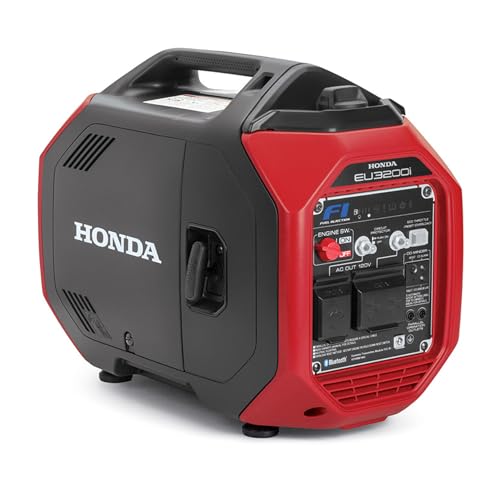
Honda's compact inverter line supports parallel operation, meaning you can connect two matching units with a dedicated cable and combine their output into one larger power source. It's a genuinely useful option for home backup, but it's worth understanding the trade-offs before treating it as an automatic upgrade over a single bigger unit.
The appeal is flexibility and redundancy. You can run one small, quiet unit overnight to cover the fridge and a few lights, then connect a second matching unit during the day when you need more capacity for power tools or a window air conditioner. Homeowners in hurricane-prone areas often lean on this setup specifically because it hedges against one unit failing; you still have partial power if the other keeps running. The downside is real too: running two engines instead of one roughly doubles your noise output and doubles your maintenance workload, since each unit needs its own oil changes and filter checks. Cable quality also matters here, since budget third-party parallel cables have a track record of failing at the connector before a genuine Honda-compatible cable does.
If your essential load fits comfortably under one mid-size unit, buying two smaller generators to parallel usually isn't worth the added complexity. Where it makes sense is when you want the flexibility to scale up occasionally without buying a single oversized generator that spends most outages running far below its capacity.
Getting Honda Power Safely Into Your Panel
None of the wattage math matters if the generator isn't connected safely. A portable generator can only power your home's wiring when it's paired with a transfer switch or interlock kit, both of which prevent backfeed into utility lines that can injure utility workers and is illegal in most areas.
A manual transfer switch, installed by a licensed electrician near your panel, lets you flip a set of breakers to route generator power to a pre-selected group of circuits, typically eight to ten essential ones. It's the most common setup for homeowners who want dependable backup without automation. An interlock kit is a cheaper alternative: a simple mechanical device that physically blocks your main breaker and a generator breaker from being on simultaneously, requiring you to switch individual circuits by hand instead of using one dedicated switch. Both options are code-compliant when installed correctly, and the choice usually comes down to budget and how many circuits you want covered versus how much automation you're willing to pay for.
How Loud Is It Really When You're Running It for Days
Honda's reputation for quiet operation is one of the most consistent things owners mention, and it's especially relevant for home backup since you might run the unit for hours or days near windows and a neighbor's property line rather than a few hours at a campsite. Honda's Eco Throttle system lets the engine idle down when demand is low, which cuts both noise and fuel use during light loads like an overnight fridge-and-lights setup.
The number that matters most is the decibel rating at both a quarter load and a full load, not just the lowest published figure on the box. Noise climbs noticeably as the generator works harder to keep up with demand, so a unit that seems whisper-quiet running a couple of lights can get considerably louder once you add a window AC or power tools to the load. If minimizing noise is your single highest priority even above brand loyalty, it's worth cross-shopping Honda against a dedicated super quiet portable generator built specifically around low-decibel performance, since some budget inverter models now get close to Honda's numbers at a lower price. Fuel type factors in too: most portable Hondas run on gasoline, and if long-term fuel storage is a bigger concern for you than shaving a few more decibels, a dual-fuel inverter portable generator that also runs on propane is worth a look.
Quick Answers
Is a Honda really worth the extra cost for home backup?
If you value multi-decade reliability, a wide dealer and repair network, and strong resale value, most owners say yes. If your only priority is matching the noise and power quality specs at the lowest price, some budget inverter brands have closed the gap.
How many watts do I need to back up just the essentials?
Most households cover a fridge, some lights, and a sump pump with 2,000 to 3,000 watts. Central air or multiple major appliances typically push that number to 5,000 watts or more.
Do I need two generators, or is one enough?
One properly sized unit is enough for most households. A parallel pair makes sense mainly if you want redundancy against one unit failing or the flexibility to scale up occasionally without buying a single oversized generator.
Can I just plug a portable generator into an outlet in my house?
No. That risks dangerous backfeed into utility lines and is illegal in most areas. Use a transfer switch or interlock kit installed by a qualified electrician.
Will running it overnight bother my neighbors?
Check the decibel rating at a realistic load rather than the lowest published number, since noise rises as demand increases. Honda's compact inverter models are generally quiet enough for overnight use at partial load, but placement away from windows and property lines still matters.
Whichever route you take, the same rule applies across the whole portable generator market: size the unit to your actual panel, not the biggest number on the box, and make sure it's wired in safely before the next outage hits.