Best Framed Sliding Shower Doors: A Complete Buying Guide

Choosing the best framed sliding shower doors for your bathroom really comes down to three things: glass thickness, frame quality, and how smoothly the rollers move along the track. Framed doors have stayed popular for decades because a metal perimeter frame carries most of the structural load, so the door can use thinner tempered glass while still meeting the same safety standards as heavier frameless designs. That engineering trade-off is exactly why framed sliding doors cost less and install faster than almost any other shower enclosure style. This guide covers what separates a well-built framed sliding door from one that will need repairs within a year, along with the sizing and upkeep details that keep the whole system gliding smoothly for decades.
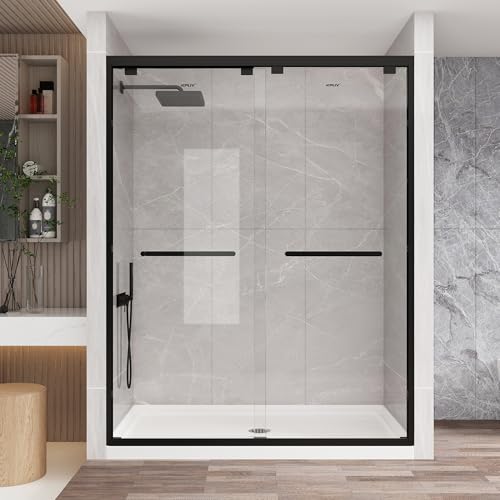
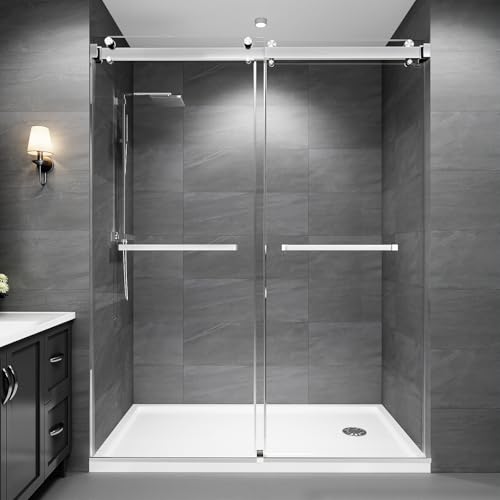
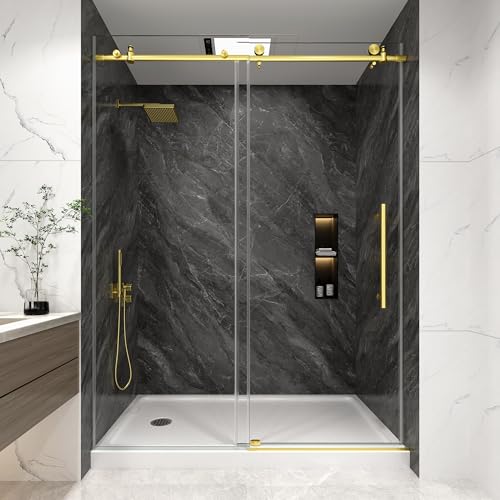
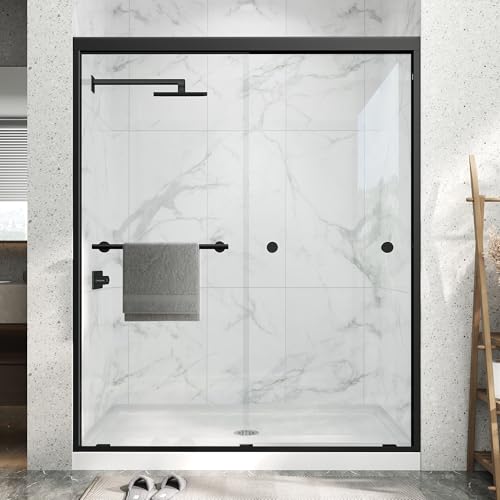
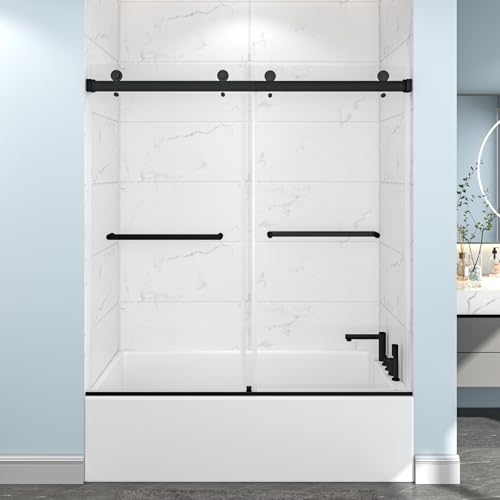
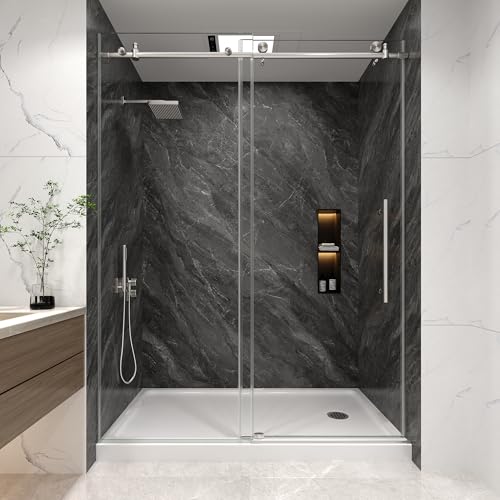
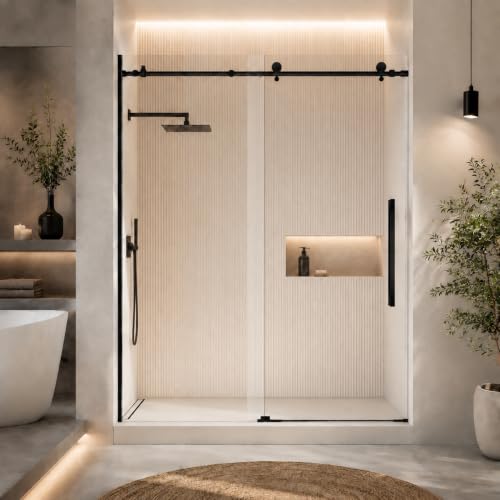

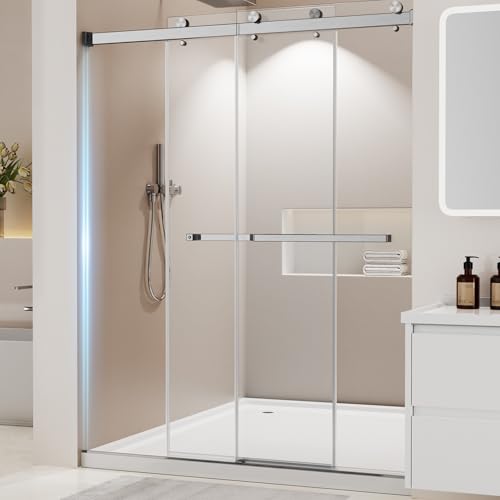
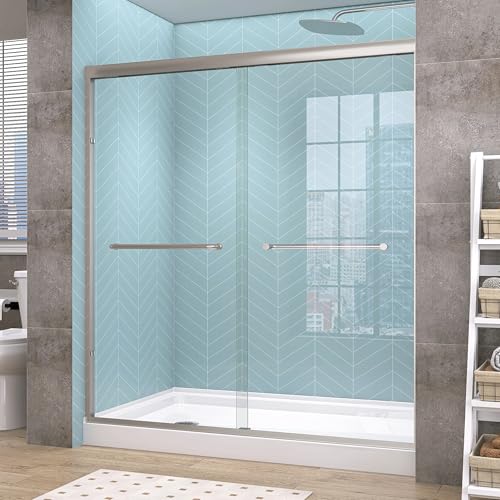

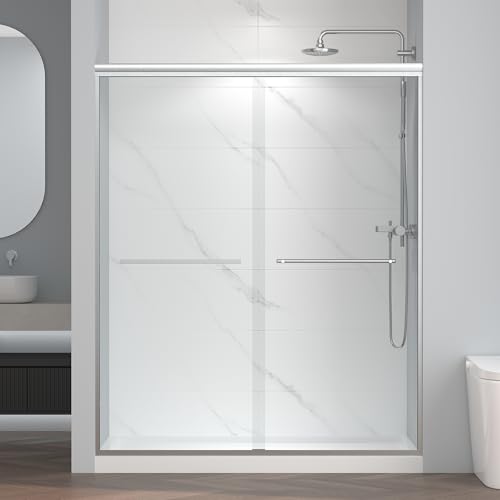
Why Framed Sliding Doors Remain the Budget-Friendly Choice
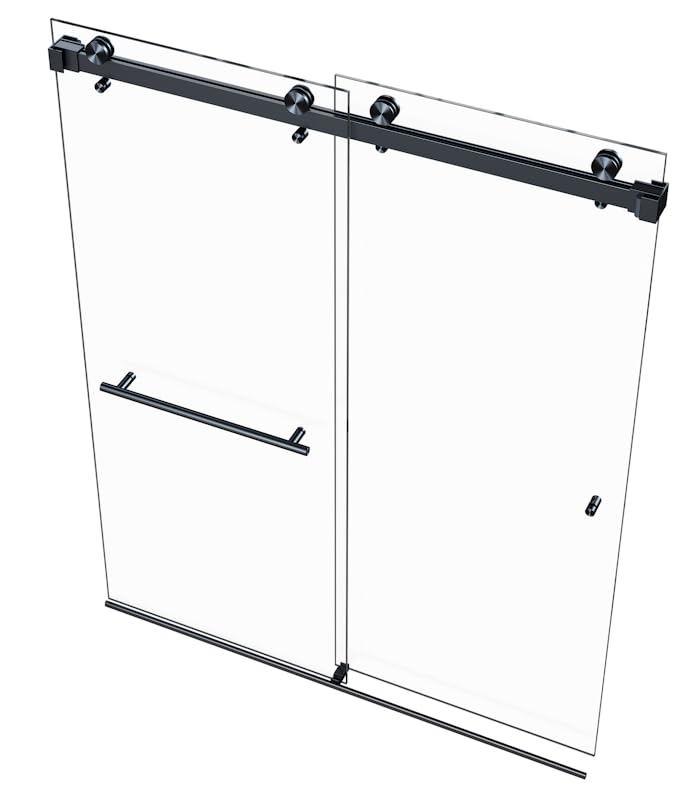
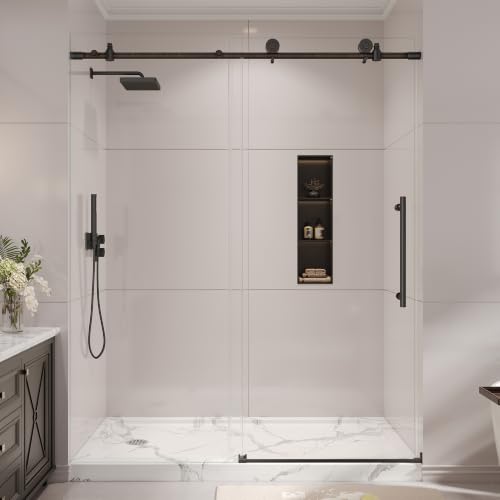
Most buyers comparing best framed sliding shower doors against pricier alternatives quickly notice the price gap, and that gap is easy to explain. A framed sliding door costs noticeably less than a frameless or semi-frameless equivalent, mainly because the frame does the structural work that thick glass would otherwise need to do on its own. That lets manufacturers use 1/4-inch tempered glass instead of the 3/8-inch or half-inch panels frameless doors require, which lowers both material cost and shipping weight.
Framed doors also come in far more standard width and height combinations, so you are less likely to need a custom order. Most kits ship with pre-drilled holes, mounting brackets, and an adjustable header, which keeps installation within reach for a confident do-it-yourselfer rather than requiring a glass specialist.
The one real trade-off is the perimeter gasket. That rubber or vinyl seal blocks water at the frame edges, but it also traps moisture and needs regular cleaning to keep mold and mildew from building up along the seams. Anyone who has compared a framed shower to a frameless shower door setup knows that gasket is the main maintenance difference between the two styles.
Frame Finish and Hardware That Resist Corrosion
The frame itself is aluminum or steel with a protective finish, and that finish determines how long the door looks new. Anodized aluminum and powder-coated finishes hold up best against daily splashing and humidity, while cheaper painted or plated finishes tend to pit, flake, or discolor within a couple of years, especially in homes with hard water.
Hardware matters just as much as the frame coating. Rollers, brackets, and screws made from stainless steel resist rust far longer than zinc-plated alternatives, which can develop rust streaks that bleed onto the glass and grout. If a listing does not specify the hardware material, assume it is the cheaper option.
Check the glass certification too. Reputable framed doors use ANSI-certified tempered safety glass, which shatters into small, dull pebbles rather than sharp shards if it ever breaks. That certification should be etched or printed somewhere on the glass itself, not just mentioned in marketing copy.
Signs a Frame Will Age Poorly
- Visible seams where coating meets bare metal
- Screws or brackets that already show a dull gray tint out of the box
- A gasket that feels stiff or brittle rather than pliable
Matching the Door to Your Shower Opening
Measure your finished opening width at the top, middle, and bottom, since alcoves are rarely perfectly square. Use the smallest of those three measurements when comparing it to a door's listed adjustable range, because a door sized to the largest measurement may not close flush at the narrowest point.
Most framed sliding doors list an adjustable width range, often a two- to three-inch spread, that lets the header and side jambs take up minor gaps. If a wall is out of plumb by more than roughly three-eighths of an inch, look specifically for a model with extra adjustability built into the wall profiles rather than trying to force a rigid frame into place.
Height matters too, particularly if your shower has a curb or a raised tub deck. Confirm the door's height range against your finished floor or tub rim, and remember that grout lines and a fresh coat of caulk can shave a fraction of an inch off your working opening.
Keeping the Track and Rollers Sliding Smoothly
Hard water minerals, soap scum, and stray hair are the main reasons a once-smooth sliding door starts to drag. These contaminants mix with the original lubricant on the rollers and inside the track, forming a paste that increases friction instead of reducing it. A quick wipe of the track after each shower goes a long way toward preventing that buildup from ever forming.
When buildup does happen, soak the rollers and track section in a fifty-fifty mix of white vinegar and warm water for fifteen to thirty minutes to dissolve mineral deposits, then scrub gently with a soft brush. Avoid metal tools that could scratch the track's protective coating.
Once everything is clean and dry, apply a thin coat of silicone-based lubricant rather than a petroleum-based product, since petroleum lubricants attract more soap scum than they repel. With that routine every few weeks, most rollers last five to ten years before needing replacement, and a well-maintained framed door can keep sliding smoothly for two decades or more.
Setting the Door Up Yourself or Calling in a Pro
Framed sliding doors are generally the most DIY-friendly enclosure style on the market. The frame forgives minor wall irregularities that would be a dealbreaker for a frameless install, and most kits include a level, template, or clear written instructions for locating the track and side jambs.
A typical installation into an existing alcove takes two to four hours for someone comfortable with a drill and a level, and a first attempt might stretch closer to a full afternoon. Tools generally needed include a level, a drill, a tape measure, and a caulking gun for sealing the perimeter once the frame is anchored.
Professional installation still makes sense for new construction, oddly shaped openings, or anyone who would rather not risk a caulking mistake that leads to a leak. Many manufacturers also tie their warranty to installation records, so check the fine print if a professional install is a requirement for coverage rather than just a recommendation.
Frequently Asked Questions
Are framed sliding shower doors harder to keep clean than frameless ones?
They take a bit more effort because of the perimeter gasket and track, which trap soap scum and moisture. A weekly wipe-down of the frame edges and track keeps mold from becoming a recurring problem.
How long does a framed sliding shower door typically last?
With basic care, a quality framed door lasts twenty to thirty years. Rollers and the door sweep are the parts most likely to need replacing every five to ten years along the way.
Can I install a framed sliding door over an existing tub without major renovation?
Yes, this is one of the most common uses for the style. Framed kits are built to fit standard tub and alcove dimensions, which is part of why they remain a popular retrofit option.
Why do the rollers on my sliding door start sticking after a year or two?
Mineral deposits from hard water combine with old lubricant inside the track and around the roller wheels, creating friction. Regular cleaning and a silicone-based lubricant usually restore smooth movement.
What glass thickness should I expect on a framed sliding door?
Most framed models use quarter-inch tempered glass, since the metal frame carries the structural load. That is thinner than the glass used on frameless doors, which helps keep framed doors more affordable.
Do framed sliding doors work well with textured or frosted glass?
Yes, textured and frosted glass options are widely available in framed styles and add privacy without blocking light. They also tend to show water spots less than clear glass between cleanings.
Is a framed or a semi-frameless shower door the better fit for a smaller bathroom on a budget?
A fully framed door is usually the more economical choice and offers the widest range of standard sizes. A semi-frameless option splits the difference on both look and price if a slightly more minimal frame matters to you.
Living With a Framed Sliding Door Day to Day
Among enclosure styles, the best framed sliding shower doors earn their long run in bathrooms by pairing a fair price with genuine durability, as long as the frame finish, hardware, and glass certification are solid from the start. Spend a few extra minutes checking those specifics before you buy, and a few minutes a week keeping the track clean afterward. That small routine is really all it takes to keep the door sliding the way it did on day one.