Best Ring Slings: A Complete Buying Guide for Newborns
Disclosure: We may earn a commission when you buy through links on this page, at no extra cost to you. As an Amazon Associate I earn from qualifying purchases. Learn more


How a Ring Sling Actually Works
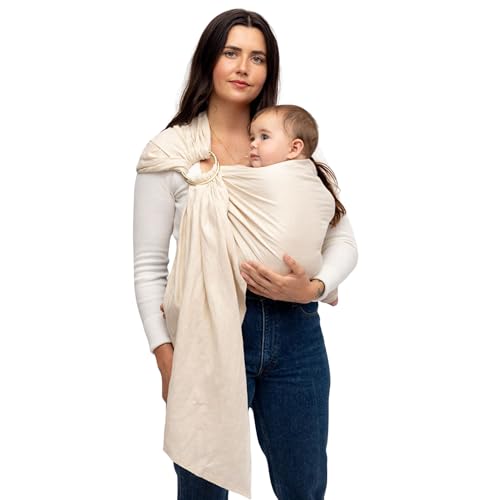
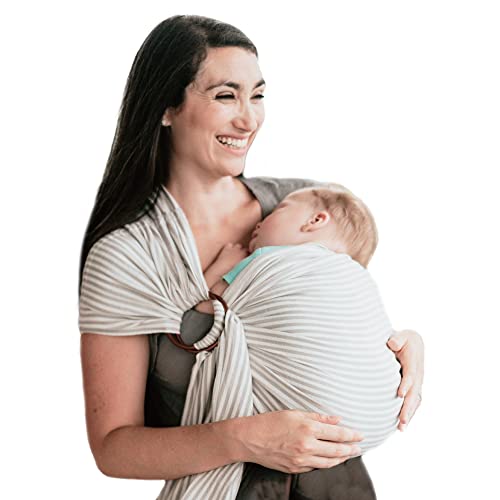
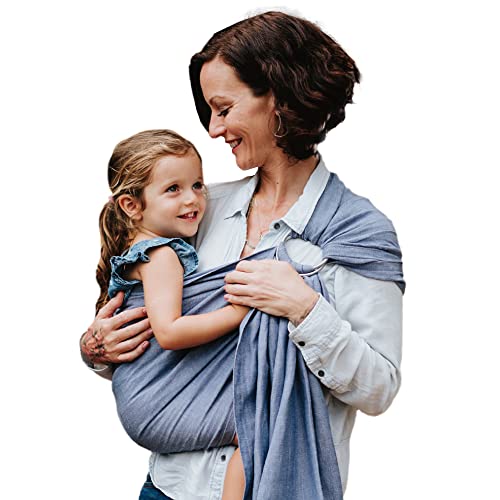
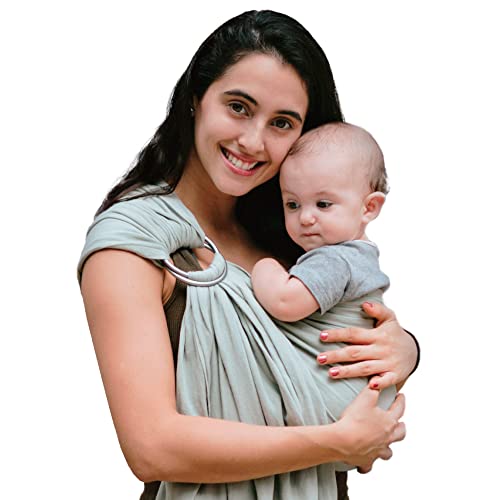
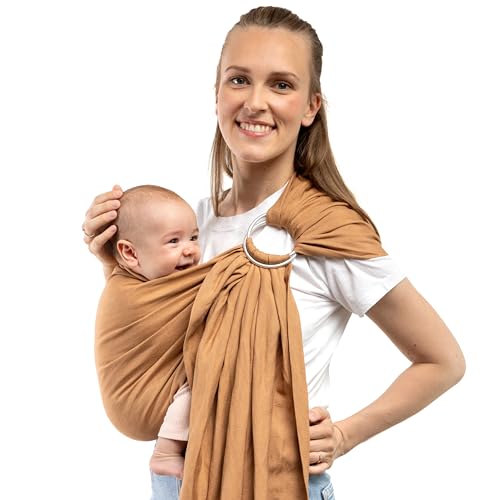
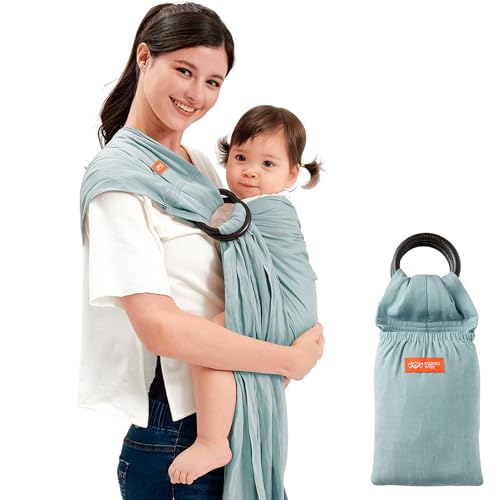
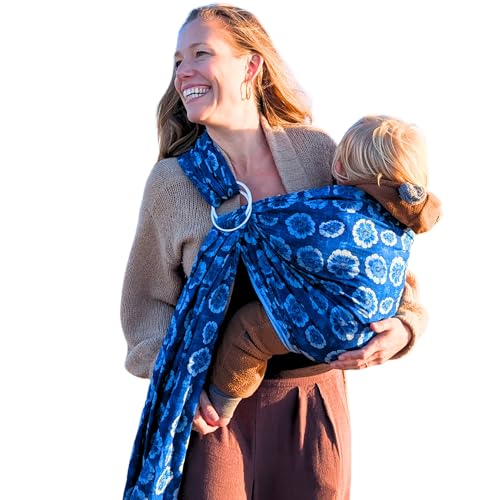
A ring sling is a single long piece of fabric threaded through two sturdy rings sewn to one end. Pull the tail and the fabric cinches down, creating a pouch that holds your baby against your chest or hip. There's no buckle, no waistband, and no second panel to fuss with, which is exactly why so many parents reach for one when they need to get out the door fast.
The one-shoulder design sets it apart from a wrap or a structured carrier right away. Fabric crosses diagonally from one shoulder down to the opposite hip, spreading weight across your back instead of loading both shoulders evenly. That makes a ring sling faster to put on and take off than almost any other babywearing option, though it also means the carry style suits shorter stretches more than an all-day hike.
Fabric and Ring Material: What Actually Matters
Fabric choice affects comfort more than almost anything else you'll pick. Woven cotton is the most forgiving starting point: breathable, easy to wash, and predictable in how it stretches over time. Linen and hemp blends run cooler and grip better once broken in, which some parents prefer for hot climates or heavier toddlers, but they can feel stiff for the first few wears.
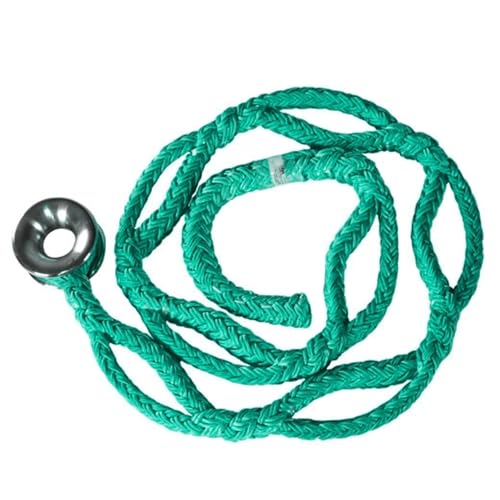
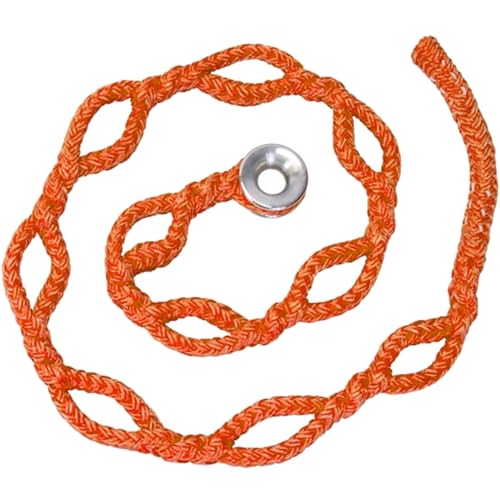
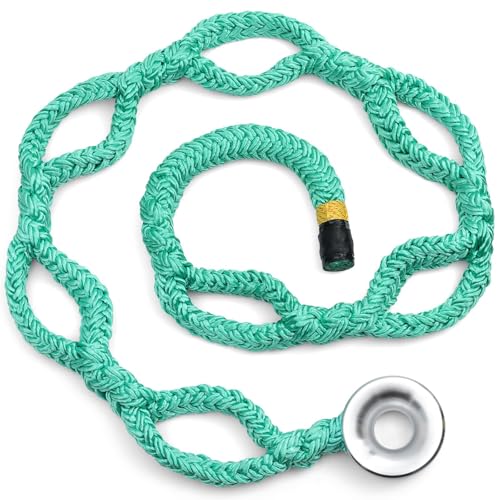
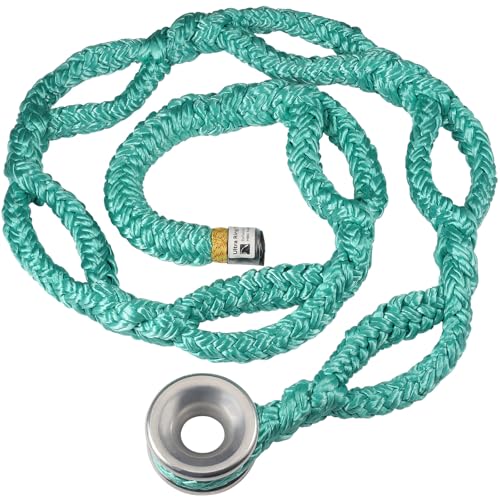
Ring material matters just as much as the fabric wrapped through it. Look for rings rated specifically for babywearing, either nylon or aluminum, tested to hold well beyond your child's weight with a wide safety margin. Avoid anything marketed as a generic craft or curtain ring; those aren't load tested and can crack or slip under sustained tension.
- Rings should glide smoothly when you pull the tail, without catching or grinding.
- Fabric should feed through the rings evenly, not bunch on one side.
- A wider "shoulder" panel spreads pressure better for longer wears.
Getting a Secure, Comfortable Fit
Most of the discomfort people blame on ring slings actually traces back to a loose seat rather than the carrier itself. Before you lift your baby in, thread the fabric and pre-shape the pouch so the bottom rail sits snug across your body. Once your baby is settled, spread the fabric from knee to knee and pull any slack through the rings a section at a time.
A properly fitted ring sling should hug your baby close enough that you feel their weight against your torso rather than hanging away from it. If you can slide your baby down toward your waist without loosening the rings first, the pouch is too loose. Tightening takes practice, so it's worth running through the motions a few times with a doll or pillow before your baby's first ride.
Safe Positioning From Newborn Through Toddler
Babywearing educators commonly reference the TICKS checklist for quick safety review: Tight, In view at all times, Close enough to kiss, Keep chin off chest, and Supported back. Running through those five points before every outing catches most fit problems before they become a real issue.
For newborns, an upright, chest-to-chest hold works best, with knees drawn higher than the bottom and enough slack to fit two fingers between chin and chest. As babies grow, a hip carry becomes more practical, with legs spread into a gentle "M" shape that pediatric hip specialists consider supportive of healthy joint development. Most ring slings are rated for use from roughly 7 to 35 pounds, though it's worth checking the specific weight range printed on any sling before buying.
Nursing and Quick Adjustments on the Go
This is where the one-shoulder design earns its keep. Because the rings let you loosen and retighten with one hand, you can lower a hungry baby a few inches for feeding and cinch the fabric back up the moment they're done, all without setting anything down. Wraps and buckle carriers rarely offer that same mid-outing adjustability.
Practical babywearing tips also apply here: keep an eye on your baby's chin position while nursing, and reposition once feeding wraps up rather than leaving them slouched in the lowered spot. Nursing tops or button-front shirts make the whole process easier since you won't need to loosen the carrier itself to access a strap.
Ring Sling vs. Wrap vs. Buckle Carrier
Choosing between styles usually comes down to how you plan to use the carrier day to day. A ring sling wins on speed, one-handed adjustability, and ease of nursing, but it puts more load on a single shoulder, so long stretches can get tiring. If you're weighing a full wraparound option instead, our guide to baby wraps and carriers covers the two-shoulder alternatives that distribute weight more evenly for longer newborn wear.
Buckle-style carriers trade some of that quick in-and-out convenience for structured support and higher weight capacities, which matters once your child moves past the toddler stage. For active kids who need sturdier, longer-duration support, see our breakdown of toddler carriers. And if outdoor stretches on uneven terrain are the priority, a supportive frame or soft-structured option reviewed in our guide to hiking baby carriers will hold up better than a single-shoulder sling.
Frequently Asked Questions
Is a ring sling safe for a newborn?
Yes, when fitted correctly and used upright with the baby's chin kept off their chest. Most manufacturers rate slings from around 7 pounds, so check the label before using one with a very small newborn.
How long can a baby stay in a ring sling?
There's no strict cutoff, but many parents take a break every hour or two for a diaper change, feeding, or stretch. Watch for fussiness or shifting position as cues to pause.
Do ring slings cause shoulder or back pain?
They can during extended wear since weight sits on one shoulder rather than two. Switching shoulders occasionally or saving longer outings for a two-shoulder carrier helps reduce strain.
Can you use a ring sling for a toddler?
Many slings support hip carries up to around 35 pounds, so toddlers can absolutely ride in one for shorter trips, though a buckle carrier tends to feel more comfortable for extended toddler wear.
What size ring sling do I need?
Sizing is typically based on the wearer's torso and shoulder width rather than the baby's size, so it helps to check a brand's sizing chart or try one on before buying.
Are metal or nylon rings better?
Both are safe when rated specifically for babywearing. Nylon rings are lighter and quieter, while aluminum rings tend to feel sturdier and glide a bit more smoothly under tension.
Can a ring sling be used for breastfeeding in public?
Yes, that's one of its most common uses. Lowering the pouch slightly with one hand allows a fairly discreet, hands-free nursing position once you've practiced the adjustment a few times.
Settling Into the Rhythm
Like any babywearing method, a ring sling takes a handful of tries before the threading and tightening feel automatic. Practicing at home, checking fit against the TICKS points, and choosing a fabric suited to your climate go a long way toward making those first outings smoother. Once the motions click, the appeal becomes obvious: quick to put on, easy to adjust, and genuinely useful from the newborn stage well into toddlerhood.