Best Toddler Carriers: A Complete Buying Guide for Active Kids
A complete buying guide to toddler carriers covering seat ergonomics, hip seats versus soft structured carriers, safe back carries, and buying mistakes to avoid.
Once your baby turns into a toddler who can sit up, stand, and stomp around on their own two feet, carrying them stops feeling like the gentle newborn snuggle it used to be. A twenty five pound one year old shifts their weight, arches their back, and wants down one minute and up the next, and a carrier built for a sleepy infant rarely holds up to that. The best toddler carriers are built for exactly this stage: heavier loads, more wiggling, and carries that need to survive an airport terminal or a full afternoon at the zoo.
This guide focuses on children who already sit and stand confidently, roughly one to four years old and anywhere from twenty to forty pounds, rather than newborns who still need full head and neck support. We'll cover how the main carrier styles differ, how to size one correctly as your toddler grows, which comfort features actually matter once the weight adds up, and how long you can reasonably carry an active kid before your own back has a say in the matter.

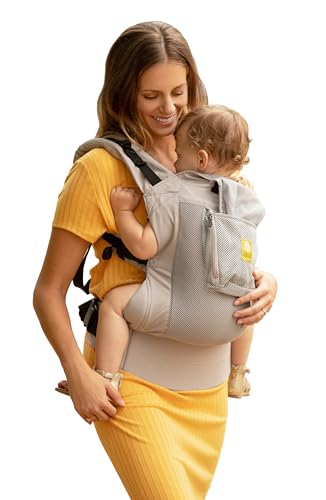


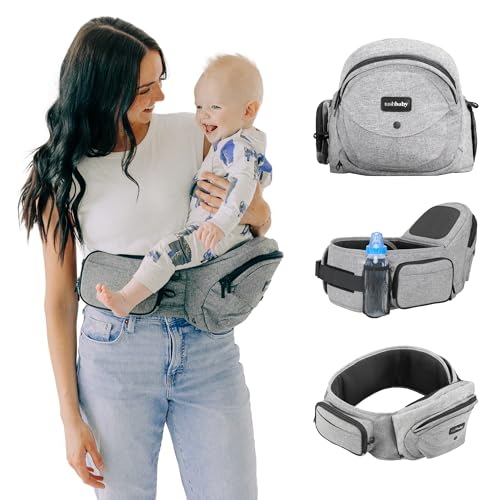
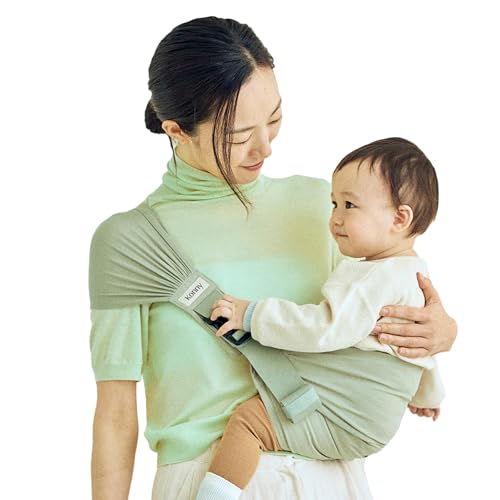

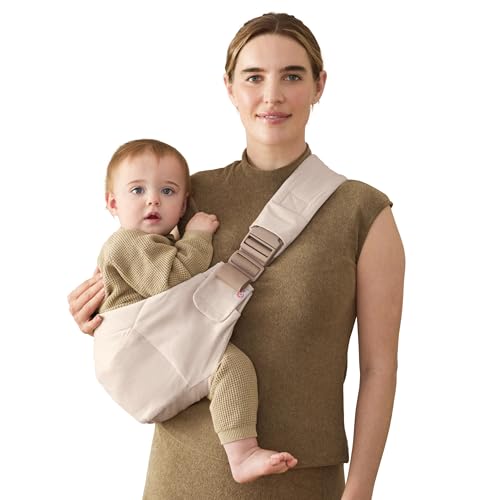

Hip Carrier or Backpack Carrier: Matching the Style to Your Days Out
Most toddler carriers fall into one of two camps, and picking the wrong one for your routine is the single biggest reason parents end up frustrated with a carrier they otherwise like.
Hip Seat Carriers
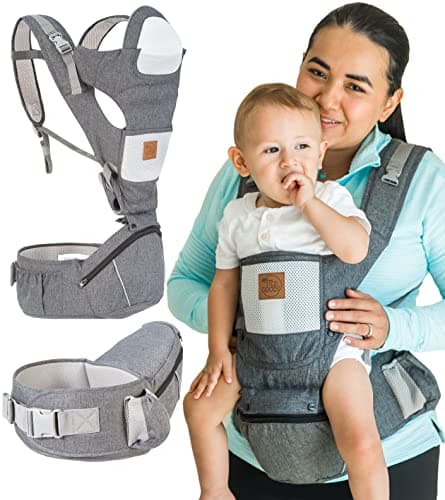
A hip seat carrier pairs a rigid, angled shelf with a padded waist belt, giving your toddler a perch to sit on instead of you holding their full weight in your arms. They're fast to put on and take off, which makes them a favorite for grocery runs, museum visits, or any outing where your toddler wants to walk half the time and ride the other half. Because the load sits on one hip, though, they're better for short, frequent carries than for an afternoon of continuous wear.
Framed and Soft Structured Backpack Carriers
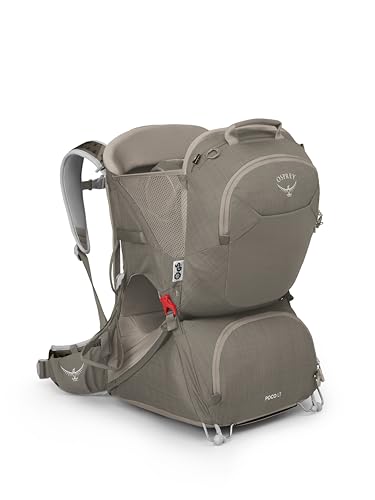
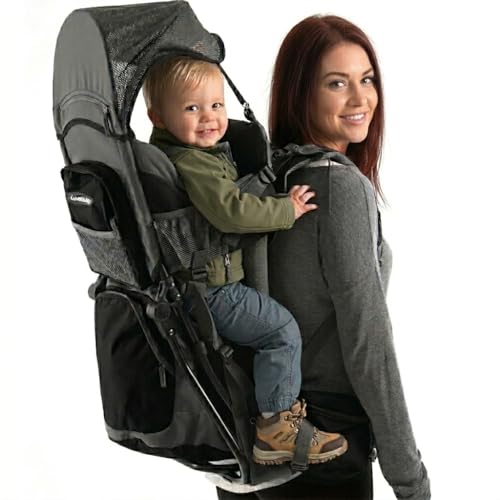
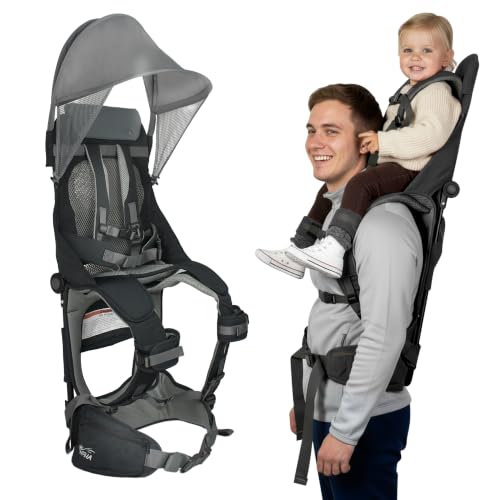
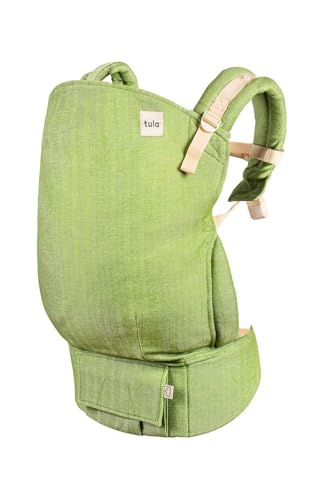
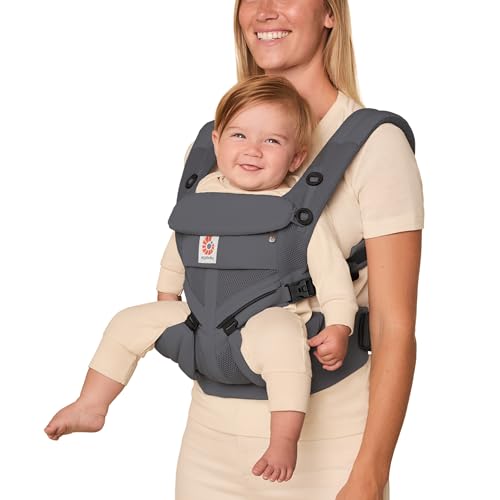
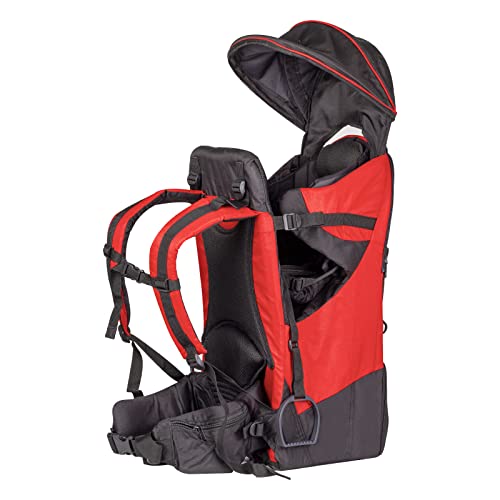
For longer outings, a structured backpack style with padded shoulder straps and a supportive hip belt spreads your toddler's weight across your whole body instead of one side. Framed versions add a rigid aluminum or composite frame plus storage pockets, which makes them the go to choice for hiking or travel days that stretch past an hour. If you're still using an infant wrap or soft newborn carrier, it's worth comparing notes with a guide on baby wraps and carriers for younger infants, since the fit and support needs change dramatically once a baby graduates into toddlerhood.
Weight Range and Sizing as Your Toddler Grows
Toddler carriers cover a much wider weight span than infant models, and getting the range right matters more than almost any other spec.
Check the Upper Limit, Not Just the Starting Weight
Many carriers marketed for toddlers top out around 33 to 40 pounds, which sounds generous until you realize an average three year old is already close to that ceiling. If your child is on the taller or heavier side, look for models rated up to 45 or even 60 pounds so you're not shopping again within a year.
Seat Width Should Grow With Your Child
An adjustable seat panel that widens as your toddler grows keeps their hips and thighs supported in a natural, splayed position rather than letting their legs dangle straight down. Carriers with a fixed, narrow seat tend to fit a two year old fine and then feel cramped a year later, so adjustability is worth paying for if you plan to use the carrier for more than one season.
Comfort and Safety Features Worth Paying Attention To
A carrier that felt fine for a twelve pound infant can turn into a genuine strain once it's hauling thirty plus pounds of active toddler, so the features that matter shift accordingly.
Padded, Adjustable Hip Belt
Look for a wide, structured hip belt rather than a thin strap, since the goal is to shift weight off your shoulders and onto your hips and core. A poorly padded belt is usually the first thing parents complain about once they start using a carrier for real, everyday distances.
Secure Buckles and a Five Point Harness
Toddlers test everything, including buckles, so sturdy, child resistant clasps matter more here than they did with a newborn who couldn't reach them. A five point harness inside the seat keeps an active, squirming toddler secured even if they lean, twist, or try to climb out mid carry.
Breathable Fabric
Toddlers run warmer and move more than newborns, so mesh panels or moisture wicking fabric help avoid the sweaty, overheated meltdowns that can end an outing early, especially in warmer climates or during active carries like hiking.
Taking a Toddler Carrier on the Trail
Hiking is one of the most common reasons parents shop specifically for a toddler carrier rather than sticking with an infant style, since trail carries demand more support and more storage than a walk around the block.
A framed backpack carrier is almost always the better choice for the trail, since the rigid structure keeps your toddler's weight off your shoulders on climbs and descents, and the attached storage holds water, snacks, and a rain cover. Look for a carrier with an adjustable stirrup or footrest, since a toddler's legs left dangling for an hour or more on rough terrain can go numb or chafe. If you're planning regular hikes rather than occasional short walks, a dedicated resource on hiking baby carriers covers frame details and trail specific features in more depth than a general buying guide can.
How Long and How Often You Should Carry an Active Toddler
Even a well fitted carrier isn't meant for all day, every day wear once your child is in the toddler weight range, and pediatric and physical therapy guidance generally points toward moderation.
Most experts suggest limiting continuous carrying sessions to around one to two hours, with breaks in between, both to protect your own back and shoulders and to let your toddler practice walking and building their own strength. Alternating between carrying and letting your toddler walk short stretches, even if it slows you down, tends to work better long term than relying on the carrier for every outing. Watch your own posture too: leaning forward to compensate for the extra weight is a common habit that leads to lower back strain over weeks of regular use.
Frequently Asked Questions
At what age should you switch from a baby carrier to a toddler carrier?
Most families transition once their child reliably sits up, has strong head and neck control, and starts approaching the upper weight limit of their infant carrier, typically somewhere between twelve and eighteen months.
Are hip seat carriers safe for toddlers?
Yes, when used within the manufacturer's weight range and for short, frequent carries rather than hours at a stretch. Look for a seat that keeps knees higher than hips in the ergonomic "M" position rather than a flat, unsupported shelf.
What weight limit should I look for in a toddler carrier?
Most toddler carriers support anywhere from 20 to 60 pounds depending on the style, so match the upper limit to how much longer you expect to use it rather than just your child's current weight.
Can a toddler carrier cause hip problems?
An ergonomic carrier that supports the thighs in a natural, splayed position is generally considered safe for hip development, while a narrow seat that lets legs hang straight down for long periods is the design style pediatric hip specialists advise against.
When should you stop using a toddler carrier?
There's no fixed age. Most families phase one out once their child prefers walking most of the time, the carrier's weight limit is reached, or carrying simply becomes too physically demanding for the parent.
Can you use a toddler carrier for hiking?
Yes, but a framed backpack style with a supportive hip belt and a footrest handles trail conditions far better than a soft hip seat or wrap style carrier built for short, everyday carries.
Finding the Right Fit for Your Family
The right choice among toddler carriers comes down to how you actually plan to use one. A hip seat suits quick errands and short lifts, a soft structured carrier covers everyday versatility, and a framed backpack earns its keep on hikes and travel days. Whichever style you land on, prioritize a wide, adjustable seat, a real hip belt, and a weight range with some room to grow, since those three details do more for comfort than any extra pocket or accessory ever will.