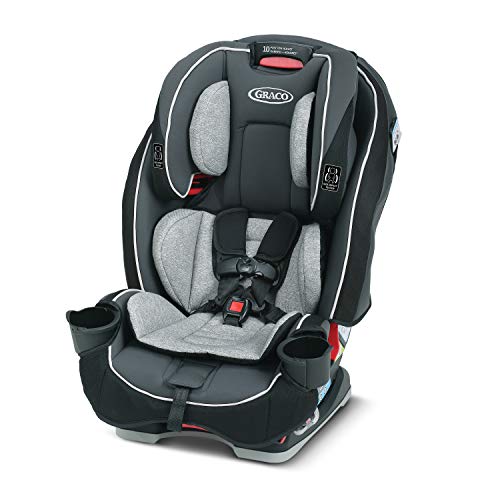
Best Baby Wraps and Carriers: A Newborn Babywearing Guide
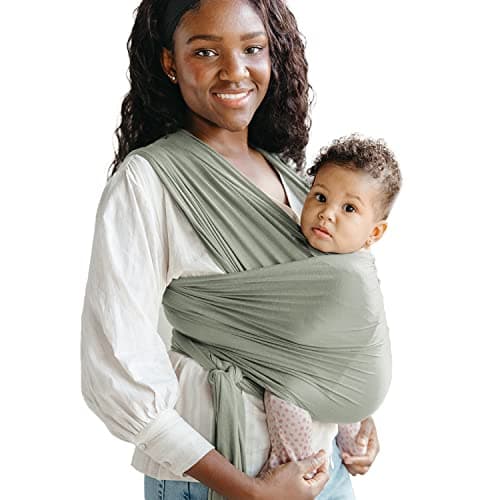
A complete buying guide to baby wrap carriers covering fabric, hip support, newborn safety, wrap types, and common babywearing mistakes to avoid.
A crying newborn who only settles when held makes it hard to cook dinner, answer the door, or just have both hands free for a few minutes. That is exactly the problem babywearing solves, and it is why so many new parents start shopping for the best baby wraps carriers before their baby even arrives. The category covers everything from a single long piece of fabric you tie around your body to a padded, buckled carrier with a structured seat, and each style suits a different stage, body type, and comfort level. This guide breaks down how wraps and soft structured carriers differ, how to size and fit one correctly for a newborn, and what safety rules matter most before you ever click buy.
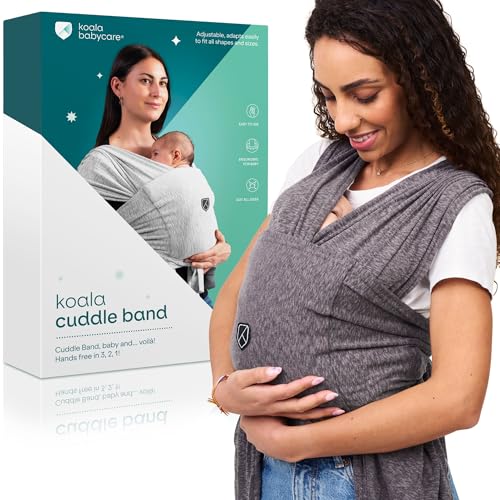
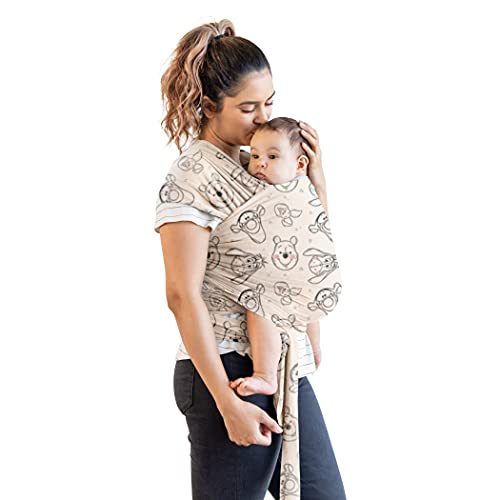
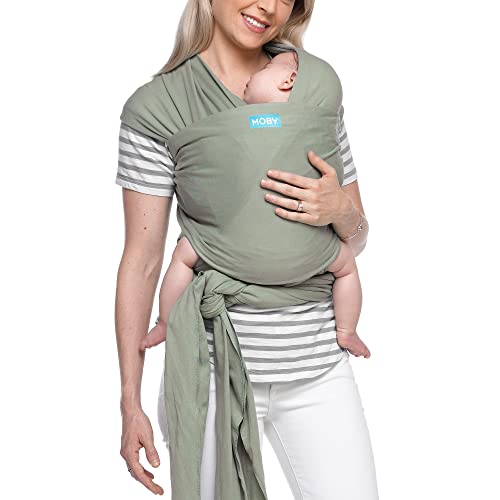
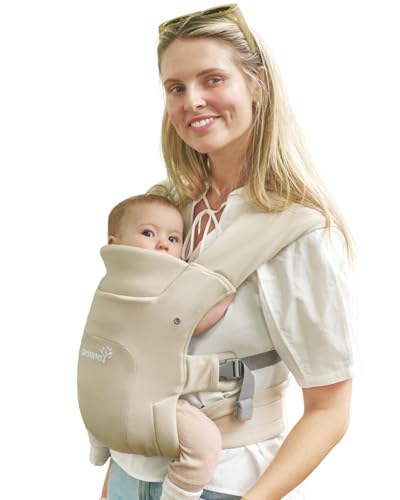
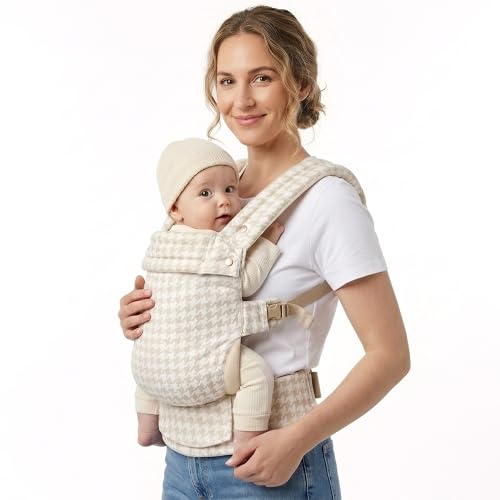
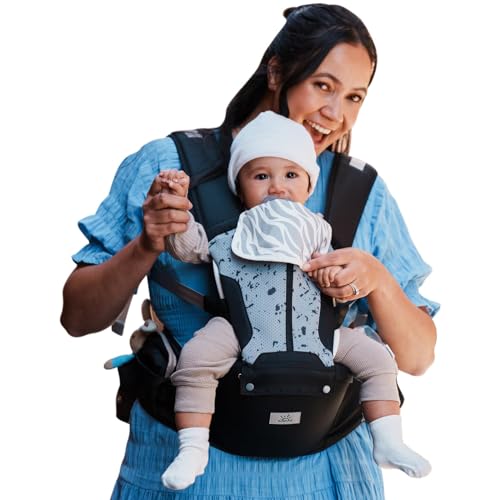
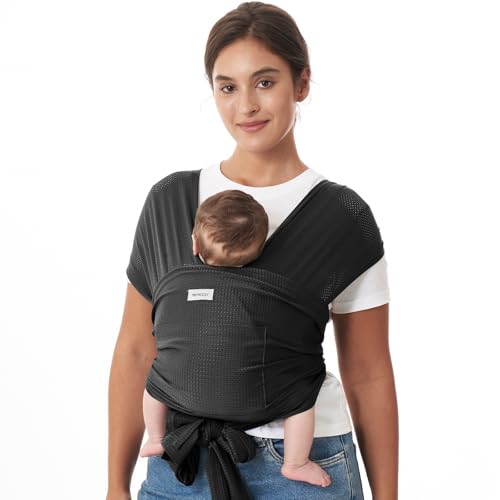

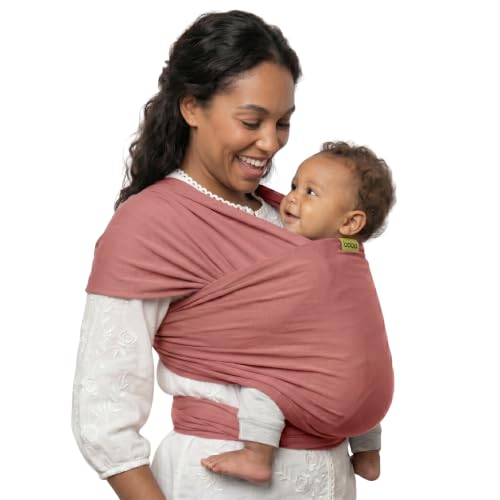
Wrap, Sling, or Structured Carrier: Where Newborn Gear Fits
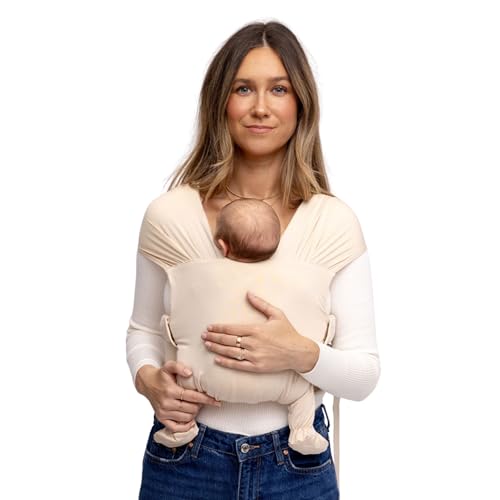
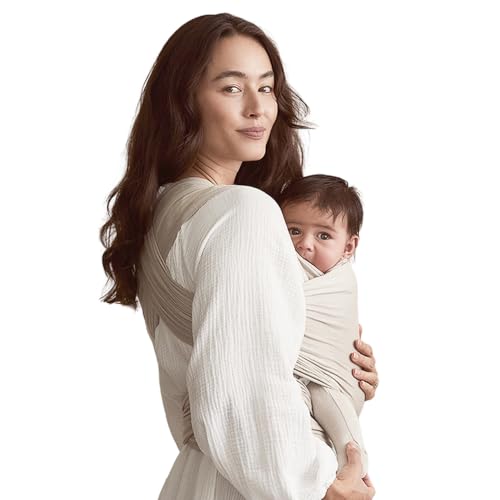
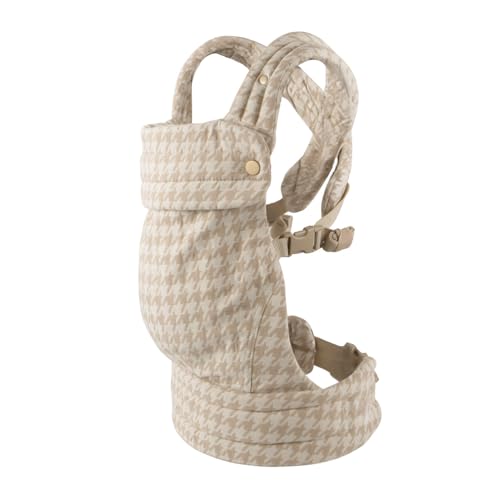
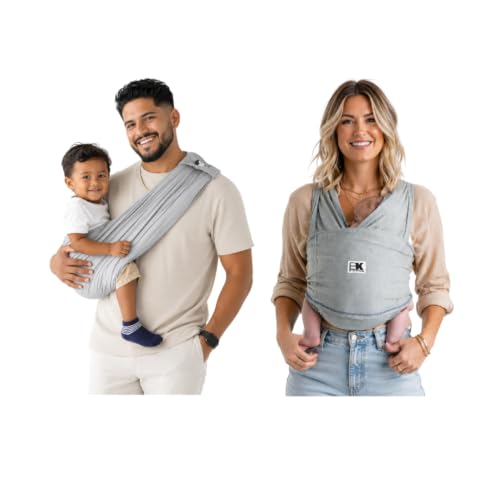
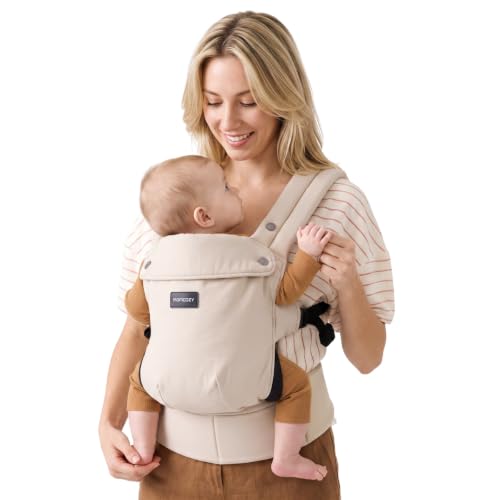
Babywearing gear splits into a few distinct categories, and the terms get used loosely enough that it helps to separate them before you shop. A wrap is one continuous length of fabric, tied and wound around your body and your baby with no buckles or clips. A ring sling is a single shoulder piece of fabric threaded through two rings to hold its shape. A soft structured carrier, sometimes shortened to SSC, has a padded seat, waist belt, and shoulder straps that buckle into place, closer to a backpack than a piece of cloth.
This guide focuses specifically on wraps and soft structured carriers built for newborns and young infants, not on gear meant for older babies who can sit and hold their head up unassisted. If your child has outgrown the newborn stage and is walking or nearly walking, a guide to toddler carriers will match your needs more closely. Parents planning trail walks or day hikes with a baby on board should also look at hiking baby carriers, which trade newborn-specific cushioning for external frames, storage pockets, and sun coverage.
Stretchy Wraps Versus Woven Wraps: What Actually Differs
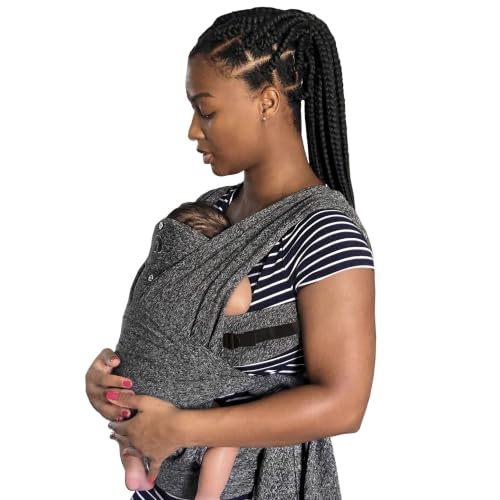
Not all wraps behave the same way, and the fabric type changes how a wrap fits and how long it stays useful. A stretchy wrap is knit fabric with gentle give, similar to a soft T-shirt, which makes it forgiving and quick to learn for a first-time baby wrap user. It is typically tied once before you leave the house and the baby is tucked in and out through the pre-tied layers, but stretchy fabric loses some support as a baby gets heavier, usually somewhere around 15 pounds.
A woven wrap uses fabric with no stretch, woven on a loom rather than knit. It has a steeper learning curve because you tie it fresh each time, but it holds its shape under weight and can carry a baby well past the newborn stage in multiple positions, including on the hip and back. Parents who want one wrap that lasts through the first year or two generally lean woven, while parents who want the simplest possible learning curve for the first few months lean stretchy. Weighing these fabric differences is usually the first real decision point when comparing best baby wraps carriers for a newborn registry.
Getting the Fit Right for Newborn Hips and Your Body
Fit matters more with newborn gear than almost any other baby product, because a newborn's hips and spine are still developing. The healthiest position, often called the frog or M position, has the knees bent and spread with the fabric or seat supporting baby from knee to knee, not just under the bottom. A carrier or wrap that leaves the legs dangling straight down can put pressure on hip joints that are not ready for it, so check that any seat width claims to be hip healthy before buying.
Body fit for the wearer matters just as much. Wraps are typically sold in fabric lengths rather than sizes, so a taller or larger-bodied parent needs more fabric than the size listed for an "average" adult, and running short mid-tie is a common frustration. Structured carriers usually have adjustable waist belts and shoulder straps, but check the stated range before buying, since some run small for plus-size parents or need an added infant insert to fit a newborn's narrower frame safely.
Babywearing Safety Basics Every Parent Should Know
Safety guidance for a newborn carrier or wrap generally comes down to five checkpoints that babywearing educators refer to as tight, in view, close enough to kiss, keep chin off chest, and supported back. In practice, that means the fabric or straps should hold baby snugly against you rather than sagging into a pouch shape, and you should be able to glance down and see baby's face at all times.
Chin position deserves special attention with newborns, since a chin pressed to the chest can restrict breathing, and you should be able to fit a finger between chin and chest as a quick check. Wraps and carriers are also not designed for unsupervised sleep, since babywearing keeps baby upright and monitored rather than lying flat, and any sleepy baby should be checked frequently for breathing position and warmth. Overheating is another concern with layered fabric wraps, so dress baby in fewer layers underneath than you might expect and choose breathable, natural fabrics for warmer climates.
Fabric, Fit Adjustments, and Comfort for Long Wear Sessions
Newborns get worn for long stretches, sometimes several hours a day in the early weeks, so the fabric touching a baby's skin and your shoulders is worth weighing carefully. Softer knit and modal-blend fabrics feel gentler against newborn skin and tend to be more breathable in warm weather, while structured carriers with padded straps distribute weight more evenly across the shoulders and lower back during long carrying sessions.
Ease of adjustment also affects how much a wrap or carrier actually gets used day to day. A carrier that two different caregivers can quickly resize between wears, rather than one built around a single body, tends to see more real-world use in a household where both parents share carrying duty. Machine washability is a practical detail too, since newborn gear ends up covered in spit-up more often than not.
Frequently Asked Questions
How early can I start using a baby wrap or carrier?
Most wraps and many structured carriers can be used from birth as long as your baby meets the minimum weight listed by the manufacturer. Babies born early or at a low birth weight should get a go-ahead from a pediatrician first.
Is a wrap or a structured carrier better for a newborn?
Wraps tend to feel cozier for tiny newborns and mold closely to their size, while structured carriers offer a faster on-and-off but sometimes need an infant insert for a proper hip-healthy fit until baby grows into the seat.
Can a baby sleep safely in a wrap or carrier?
Babywearing can help a fussy baby doze off, but it is not a substitute for a crib or bassinet for extended or unsupervised sleep. Keep checking chin position and breathing whenever baby naps while worn.
How do I know if a wrap or carrier fits correctly?
Baby's knees should sit higher than the bottom in an M shape, the fabric or seat should support from knee to knee, and there should be no slack that lets baby slump downward.
Will babywearing cause hip problems?
Used correctly with hip-healthy positioning, babywearing is not linked to hip problems and is actually recommended by several pediatric hip health organizations. Issues arise mainly from prolonged use of narrow-seat carriers that leave legs dangling straight.
How long can a baby stay in a wrap or carrier at one time?
There is no strict universal limit, but most guidance suggests taking breaks every couple of hours to check baby's position, temperature, and comfort, and to give both of you a stretch.
Do I need both a wrap and a structured carrier?
Many families start with a stretchy wrap for the newborn stage and move to a structured carrier once baby is a bit older and heavier, though a supportive woven wrap can sometimes cover both stages on its own.
Choosing What Fits Your Household
There is no single correct answer among the best baby wraps carriers since the right pick depends on your baby's age, your body, and how often you plan to wear your baby throughout the day. A stretchy wrap suits the earliest newborn weeks especially well, a woven wrap stretches that usefulness further into toddlerhood, and a structured carrier earns its keep once quick on-and-off matters more than a cozy, close wrap. Whichever style you land on, prioritize hip-healthy positioning and a snug, well-supported fit over any other feature, since that is what keeps babywearing comfortable and safe for both of you.