Best Hiking Baby Carriers: A Complete Buying Guide

Carrying a baby or toddler for miles of uneven trail asks a lot more of your gear than a quick errand around the neighborhood. The best hiking baby carriers are built around a rigid frame, a padded hip belt, and a seat that keeps a child secure while you climb, scramble, and cross streams. Unlike a soft wrap or a front-facing carrier meant for sidewalks and strollers, a framed hiking carrier is closer to a child-sized backpacking pack, engineered to move weight off your shoulders and onto your hips so you can hike for hours instead of minutes. This guide walks through the features that actually matter on the trail, from frame construction to fit, so you can narrow down what your family needs before you shop.


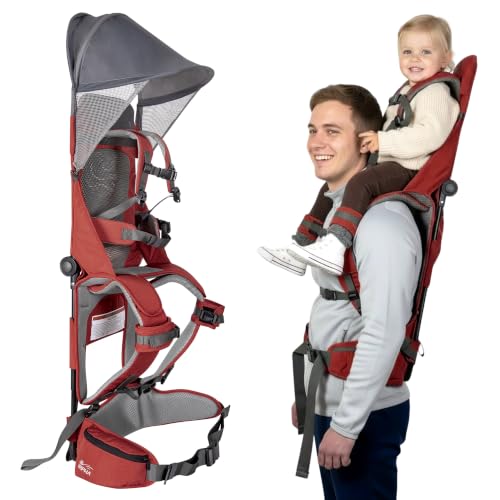
Frame Design and Weight Distribution on the Trail
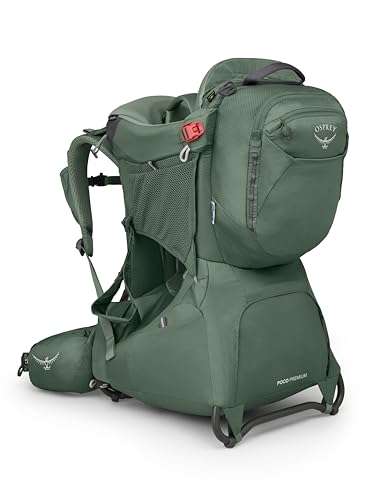
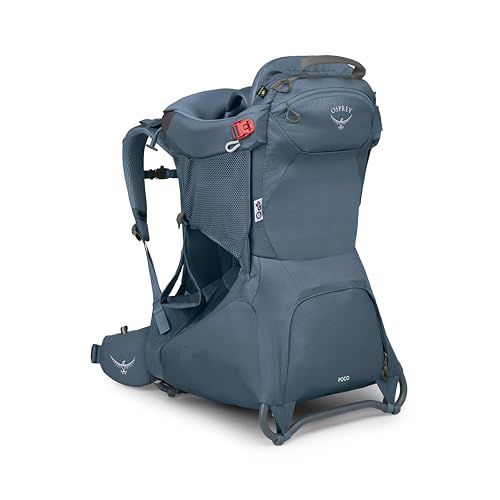
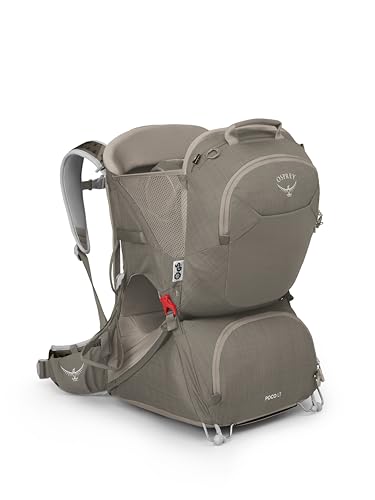
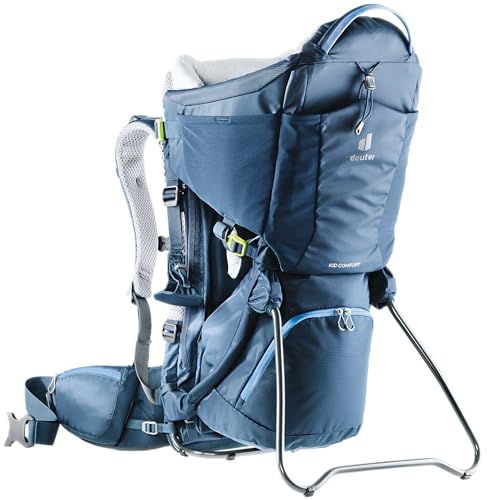
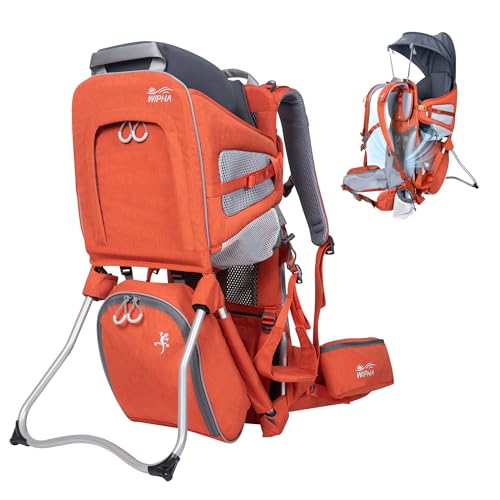
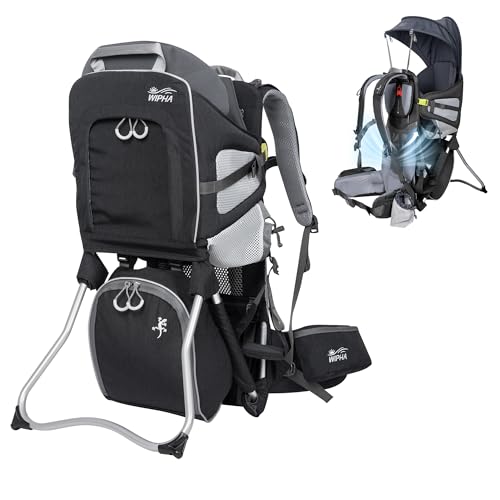
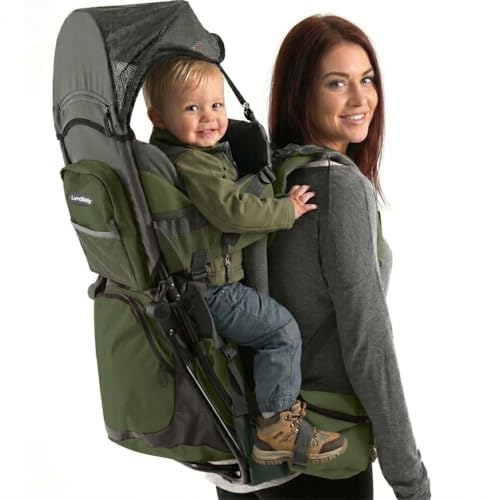
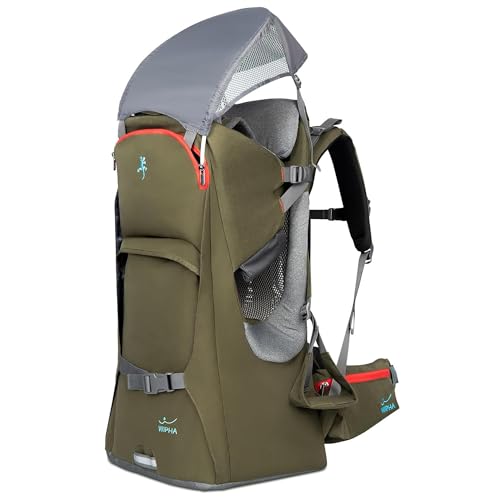
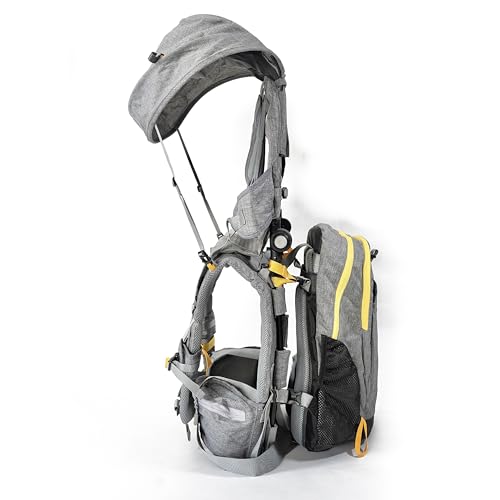
Every serious hiking carrier is built on an aluminum or aluminum-alloy frame. That metal skeleton does the real work of holding a toddler's weight away from your spine and transferring it down through a padded hip belt onto your hips and legs, which handle load far better than your shoulders alone. A carrier that relies mostly on shoulder straps will start to burn after twenty minutes on flat ground, let alone a climb.
Look for a hip belt with real padding and a stiff panel behind it, not just a strip of webbing. The shoulder straps should be adjustable and contoured, and there's usually a sternum strap that keeps them from sliding outward as you move. A frame with some flex at the hips also helps it move naturally with your stride instead of fighting you on rocky or root-covered terrain.
Lumbar support matters more here than on a typical daypack, since the loaded weight of a child plus gear can run close to forty or fifty pounds. A carrier with a contoured lumbar pad and a load-lifter strap near the top of the frame lets you fine-tune where that weight sits, which makes a noticeable difference on longer approaches.
Trail Carrier vs. Everyday Soft Carrier: Why the Difference Matters
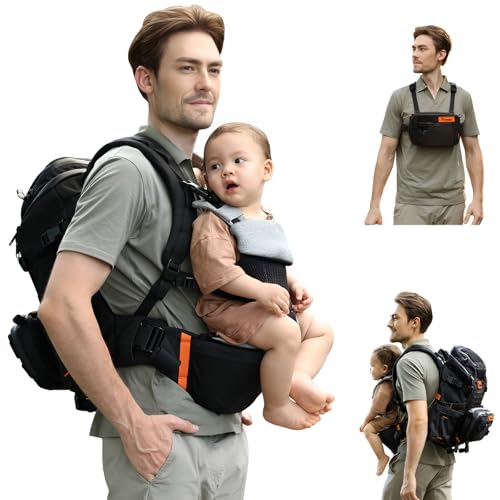
Soft-structured carriers and wraps are great for grocery runs, airports, and short walks, but they were never designed for distance. Most spread weight across your shoulders and lower back with fabric alone, and they rarely include a frame, hip belt, or storage for trail supplies. Pushed past an hour or two of hiking, that setup gets uncomfortable fast for both the adult and the child.
A framed carrier trades some of that everyday convenience for capability. It's heavier and bulkier when empty, and it isn't something you'd wear through a crowded store, but it earns that bulk back on the trail. The frame keeps your child higher and more visible, gives them a proper seat with leg openings instead of a fabric pouch, and leaves room underneath for a hydration bladder, snacks, and extra layers. If day hikes and trail outings are the main use case, the framed style is worth the tradeoff, and it's why most gear reviewers list framed packs among the best hiking baby carriers rather than pointing families toward soft carriers for trail use.
Getting the Fit Right for You and Your Child
Fitting the adult
A hiking carrier should fit like a proper backpacking pack. Check that the torso length and hip belt are both adjustable, since a mismatch in either one shifts the load poorly and leads to sore shoulders. If two parents will share carrying duties, quick-adjust straps make it much easier to hand the pack off mid-hike without a full refit.
Fitting the child
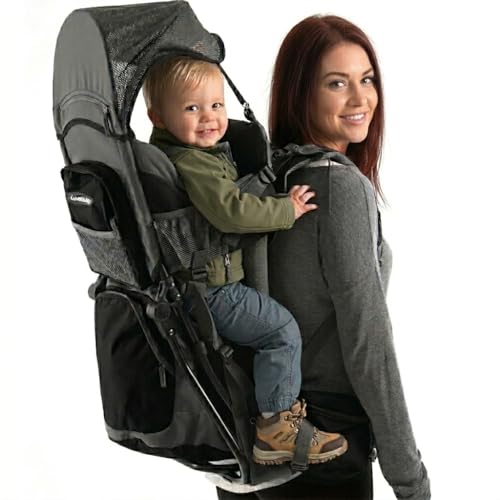
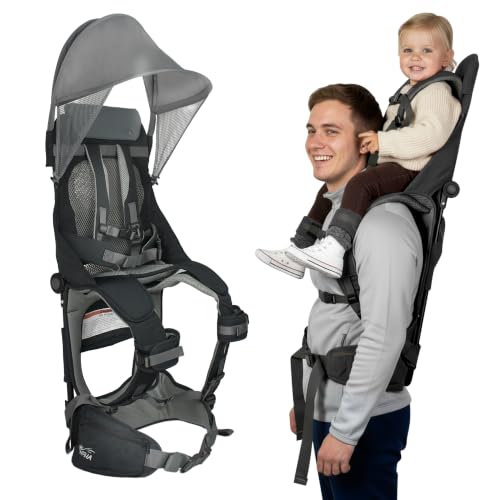
Most carriers fit children roughly from six months, once they can sit upright unassisted with steady head and neck control, up to around three or four years old or a listed weight cap. A carrier with an adjustable, padded seat and stirrups for growing legs will stay comfortable across a wider age range, which stretches the useful life of the carrier by a season or two.
The kickstand
A folding kickstand lets the carrier stand upright on its own, which makes loading and unloading a squirming toddler far easier and keeps the pack off wet or dirty ground between stops. Look for one that locks firmly in place and retracts without pinching fingers.
Safety Features Built for Rough Terrain
A child seat needs more structure than an adult daypack because a fall or stumble carries higher stakes. A five-point harness, with straps over both shoulders, around the hips, and between the legs, keeps a child from sliding or standing up unexpectedly while you're navigating uneven ground. Padded shoulder straps and a secure buckle system matter just as much as the harness itself.
The frame around the child's seat should be sturdy enough to protect their head and shoulders if the carrier tips while set down, and a stable kickstand reduces that risk in the first place. Reflective trim or bright colors help with visibility on shared trails, and a chin pad on the frame bar prevents an uncomfortable knock if a child dozes off mid-hike, which happens more often than most first-time carrier owners expect.
A sun and weather canopy adds another layer of protection. Even partial shade during a midday climb reduces glare and overheating for a child who can't reposition themselves the way you can.
Storage and Comfort for Longer Days Outdoors
Trail carriers typically include a rear cargo compartment sized for diapers, wipes, extra clothing, and snacks, along with smaller pockets for a phone, sunscreen, or a first aid kit. A dedicated hydration sleeve that fits a reservoir is worth prioritizing, since it lets you sip water without breaking stride. Mesh pockets on the hip belt are handy for anything you want within reach, like snacks for the child or trail mix for yourself.
Ventilated back panels and mesh on the child's seat help with airflow on warm days, which matters more than it sounds since the child isn't generating their own cooling breeze the way a walking adult does. If you already own a backpack-style diaper bag, you'll notice similar organizational thinking here, just scaled and reinforced for the outdoors. Removable rain covers are a common add-on, and they're worth having if you hike somewhere with unpredictable weather.
Frequently Asked Questions
At what age can a baby start using a hiking carrier?
Most manufacturers set the minimum around six months, once a baby has full head and neck control and can sit upright without support. Always check the specific carrier's minimum weight and age guidance before your first hike.
How long can a child comfortably ride in a hiking carrier?
Many toddlers do well for one to two hours before needing a break to stretch and move. Plan rest stops every hour or so, especially on hot days or longer trails.
What's the maximum weight a hiking carrier can hold?
Weight limits usually fall between 40 and 50 pounds, combining the child's weight and anything packed in the cargo compartment. Check the manufacturer's rated limit rather than estimating, since exceeding it stresses the frame and hip belt.
Do I need a carrier with a sun canopy?
A canopy isn't mandatory, but it's genuinely useful for hikes without much tree cover. A child sitting still in a carrier can't shift into shade the way a walking hiker can, so even partial coverage helps.
Can one carrier fit two different-sized parents?
Most framed carriers have adjustable torso length and hip belts, which lets them fit a decent range of adult sizes. If parents differ significantly in height, test the adjustment range before buying rather than assuming it will work for both.
Is a framed carrier better than a soft-structured one for hiking?
For trips longer than an hour or so, yes. The frame and hip belt distribute weight far more comfortably than fabric alone, and the added storage and stability matter once you're on real trail rather than pavement.
How much do hiking carriers typically weigh when empty?
Empty weight varies by model and features, but framed carriers are noticeably heavier than soft carriers due to the aluminum frame, padding, and storage compartments. That extra weight is part of why they're built specifically for trail use rather than everyday errands.
Choosing the Right Setup for Your Family's Trails
The right carrier depends less on brand reputation and more on how your family actually hikes. Families sticking to short, flat trails near home have different priorities than those planning longer backcountry days, and matching the frame, storage, and fit adjustability to your real routine will serve you better than chasing extra features you won't use. Among the best hiking baby carriers, the ones that get used most often are simply the ones that fit both parent and child well from the first outing. Comparing options against other toddler carrier styles can also help clarify whether a framed hiking pack truly fits your needs before you commit.