
Best Range Hood Under $300: A Complete Buying Guide
Disclosure: We may earn a commission when you buy through links on this page, at no extra cost to you. As an Amazon Associate I earn from qualifying purchases. Learn more
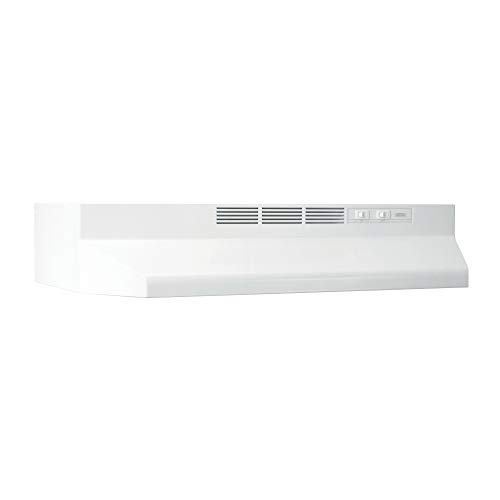
Shopping for the best range hood under $300? Learn what CFM, filters, and venting to expect at this budget so you don't overspend or underbuy.
Shopping for a range hood on a tight budget can feel like a gamble. Spend too little and you risk a fan that barely moves smoke off the stove; spend too much and you're paying for features a small kitchen doesn't need. The best range hood under 300 sits in a sweet spot where you can still get solid airflow and a filter that actually works, as long as you know which specs matter and which ones are just marketing. In this guide, you'll learn what this price tier really buys you, how to size a hood for a small or starter kitchen, and how to decide between ducted and ductless without blowing your budget on installation.
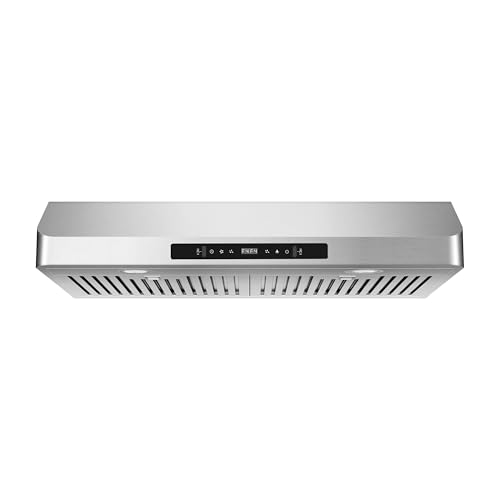
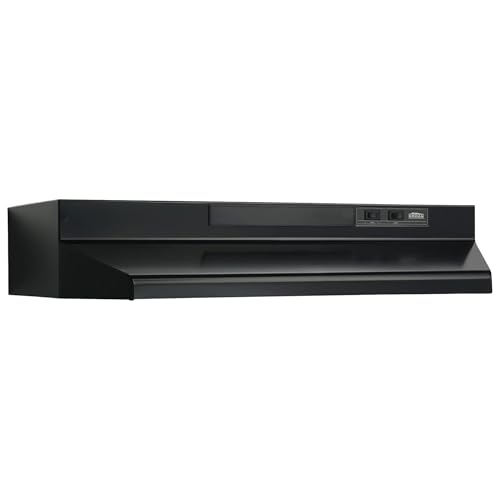
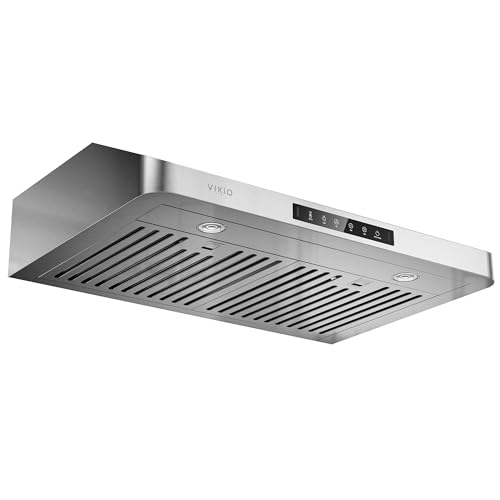

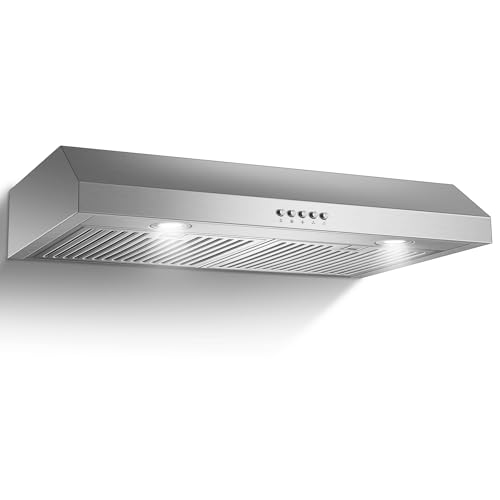
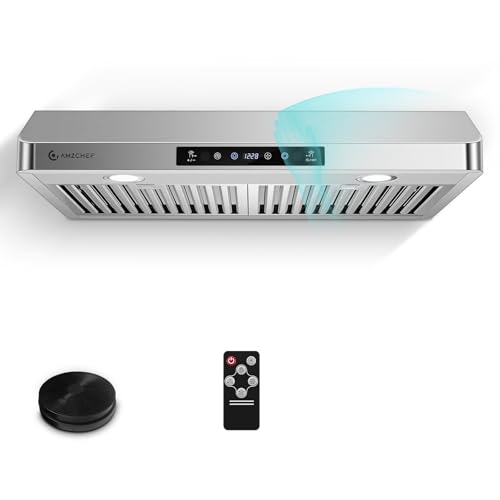


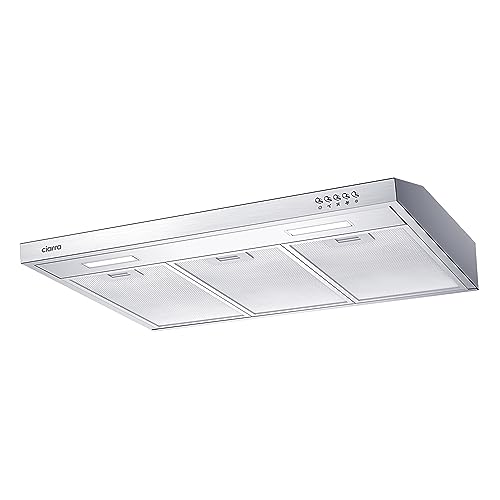
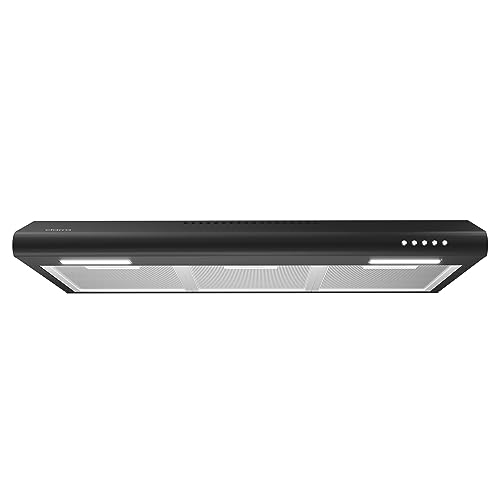
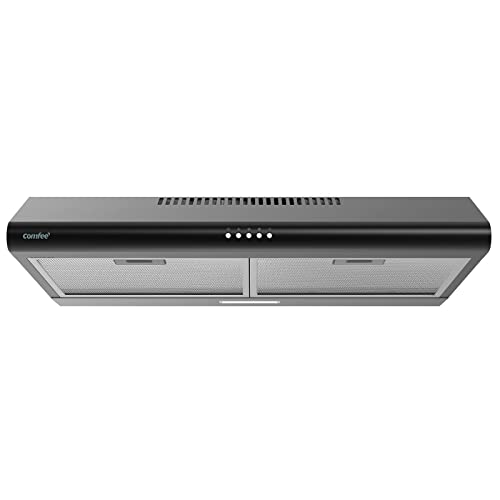

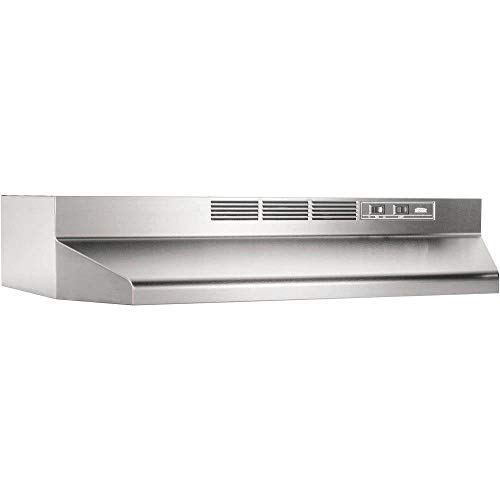
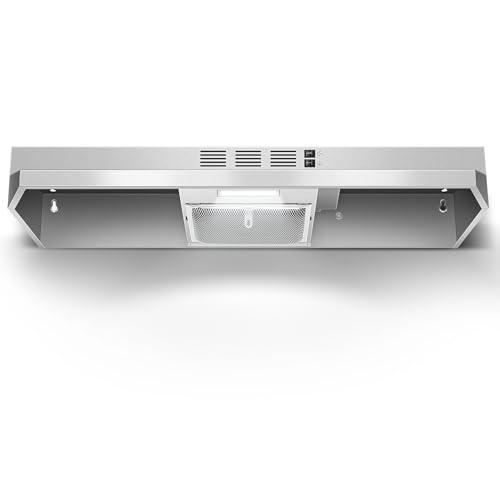
What $300 Actually Buys You in a Range Hood
Not every hood under this price point is built the same way, even when the CFM numbers on the box look similar. The gap between a $150 model and one closer to the best range hood under 300 ceiling usually shows up in the parts you can't see on a spec sheet at a glance: the motor housing, the filter material, and the little extras that make daily use less annoying.
Motor and Housing Quality
Cheaper hoods often use a plastic blower housing, which flexes slightly at higher fan speeds and tends to produce a more noticeable rattle or hum over time. Models closer to the top of this budget range are more likely to use an all-metal blower assembly, which runs quieter and holds up better under the heat and grease that build up during regular cooking. If two hoods list the same CFM rating, the one with a sturdier housing will usually feel and sound like the better buy once it's installed.
Filters, Lighting, and Extras
Budget models typically ship with thin aluminum mesh filters, which are inexpensive but clog faster and restrict airflow as grease builds up. A step up in this price range sometimes includes stainless steel baffle filters instead, which handle heavy grease better and hold their airflow rating longer between cleanings. You'll also see differences in lighting quality, the number of fan speeds, and whether a delay-off timer is included, a small feature that lets the fan keep running for a few minutes after you finish cooking to clear lingering odor. If none of the options you're comparing include baffle filters or a delay timer, moving up to a range hood closer to $400 sometimes unlocks those features without a big jump in price.
Sizing and CFM for a Small or Starter Kitchen
Most shoppers comparing the best range hood under 300 options have a compact kitchen, a starter home, or an apartment rather than a large custom remodel, and sizing decisions look a little different for that kind of space.
CFM Targets for a Compact Kitchen
For a small kitchen, 300 to 400 CFM is usually enough to keep pace with everyday electric cooking, while light to moderate cooking on any cooktop type typically calls for something in the 400 to 600 CFM range. Heavy frying or high-heat wok cooking pushes that number closer to 900 CFM, which is harder to find at this price and usually means compromising elsewhere on build quality. If you cook mostly simple meals on an electric range, don't feel pressured to chase the highest CFM number on the shelf. A well-built hood at a moderate CFM will outperform a noisy, poorly built one rated higher, which is exactly the trade-off to watch for across every best range hood under 300 option you compare.
Width, Depth, and Mounting Clearance
A 30-inch under-cabinet range hood covers the majority of small kitchen layouts and is the most common size found at this budget. Your hood should match or slightly exceed your cooktop's width so smoke doesn't drift past the edges uncaptured. Mounting height matters just as much as width. Electric cooktops generally need 20 to 24 inches of clearance between the cooktop and the hood, while gas cooktops need a bit more room, typically 24 to 30 inches, to keep the flame a safe distance from the unit.
Ducted or Ductless: Which Fits a Tight Budget
The venting decision affects your total cost more than almost any other choice on this list, since installation can quietly erase the money you saved buying the best range hood under 300 in the first place.
When Ducted Still Makes Sense
A ducted range hood vents smoke, grease, and heat straight outside, and it remains the better performer when it's realistic to install. If you already have a short, straightforward run to an exterior wall or existing ductwork from a previous hood, sticking with ducted is usually worth it even on a tight budget. Where it gets expensive is when ductwork has to be routed through an attic or a hole has to be cut in the roof, since that kind of installation can run anywhere from a few hundred dollars to well over a thousand depending on the layout.
When Ductless Is the Smarter Call
A ductless range hood pulls air through a grease filter and then a charcoal filter before recirculating it back into the kitchen, which makes it a practical choice for apartments, rentals, or interior kitchens with no easy path to an exterior wall. It skips the ductwork cost entirely, but the charcoal filter needs replacing every three to six months and it won't remove heat or humidity the way a ducted unit does. If your lease or your kitchen layout rules out ducting, this is the option that actually keeps your total spend under control.
Frequently Asked Questions
Is 300 CFM enough for a range hood?
For most electric cooktops in a small kitchen, yes, which is why 300 CFM is such a common baseline among the best range hood under 300 options. Gas cooktops and heavier frying typically need a higher rating, so match the CFM to how you actually cook rather than assuming one number fits every kitchen.
Is a ducted or ductless range hood better for a rental or condo?
Ductless is usually the more realistic option for rentals and condos without access to an exterior wall or existing ductwork. It trades some performance for an installation that doesn't require cutting into the building.
What's the difference between mesh and baffle filters?
Mesh filters are thin aluminum layers that are cheap but clog faster and lose airflow as grease builds up. Baffle filters use curved metal panels that trap grease more effectively and keep their airflow rating longer, though they're less common on the lowest-priced models.
Can I install a budget range hood myself?
Many under-cabinet and ductless models are simple enough for an experienced DIYer to install in an afternoon. Ducted installations that require cutting new ductwork or working with electrical wiring are usually better left to a professional.
How often do you need to replace a ductless range hood filter?
The charcoal filter in a ductless hood typically needs replacing every three to six months, depending on how often you cook. The mesh or baffle grease filter underneath it can usually be washed and reused.
What features do you typically lose by buying a cheaper range hood?
The most common trade-offs are a plastic instead of metal motor housing, thinner mesh filters instead of baffle filters, weaker LED lighting, fewer fan speeds, and a shorter warranty. None of these make a hood unusable, but they add up over years of daily use.
Getting the Most From an Entry-Level Range Hood
The best range hood under 300 comes down to matching CFM to how you actually cook, picking a size that fits your kitchen without overshooting your clearance, and choosing ducted or ductless based on what your space can realistically support. Get those three things right and a budget-friendly hood will keep your kitchen clear day to day, even without the premium features found on pricier models.


