Best Radar Detector Under $200: A Budget Buying Guide
Disclosure: We may earn a commission when you buy through links on this page, at no extra cost to you. As an Amazon Associate I earn from qualifying purchases. Learn more
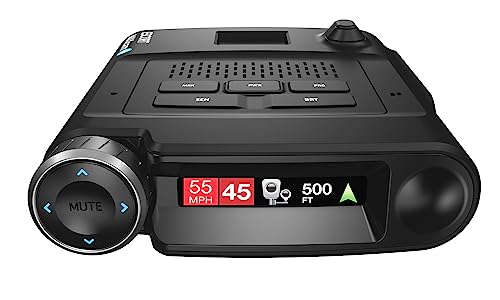
Speeding tickets are expensive, but so are the top-tier radar detectors that promise to keep you off the radar. If your budget tops out around $200, you can still find a detector that catches real threats on the highway, you just need to know which features actually matter at this price and which ones are reserved for pricier models. This guide focuses squarely on the sub-$200 segment: what a best radar detector under 200 dollars realistically includes, where the corners get cut, and how to shop smart without comparing specific brands or models. Think of it as a map of the budget tier, not a list of winners.



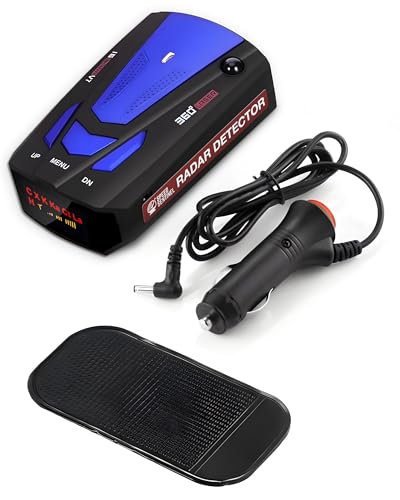
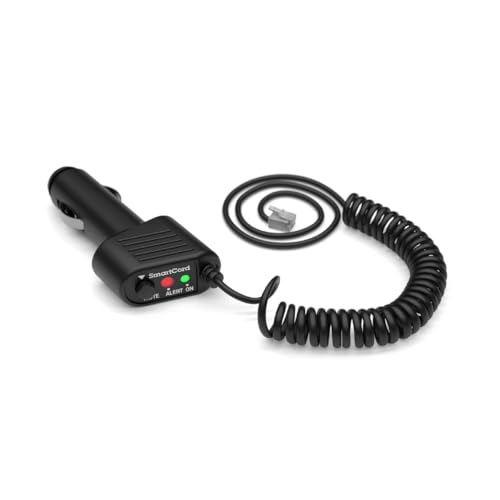
Setting Realistic Expectations for a Sub-$200 Radar Detector
A radar detector priced under $200 sits in the entry-to-mid range of the market, not the bottom shelf and not the flagship tier. At this price, you can expect solid core radar and laser detection, a usable mount, and on many models, basic GPS. What you should not expect is the polish, range, and filtering intelligence that detectors priced well above $300 offer. The gap between a $150 unit and a $400 unit is not just marketing, it reflects real differences in antenna quality, processing power, and software refinement.
Knowing this upfront changes how you shop. Instead of chasing a unit that does everything, look for one that nails the basics: reliable band detection, a display you can read at a glance, and a mounting system that will not fall off your windshield after a week. Everything else is a bonus, not a requirement, in this price bracket.
Detection Bands and Laser Coverage Worth Confirming
X, K, and Ka Band Coverage
Police radar guns operate primarily on the Ka band today, with X and K bands still used in some jurisdictions and by some automatic door openers and adaptive cruise systems. A budget detector needs to cover all three bands, and Ka band sensitivity in particular deserves a close look, since that is where most modern enforcement actually happens. Skimping here defeats the purpose of buying a detector at all.
Laser (LIDAR) Detection Limits
Most detectors in this price range advertise laser detection, and that claim is usually accurate. The catch is timing. Laser guns work by targeting your vehicle directly, so a detector only alerts you the moment the beam hits your car, which is often too late to slow down meaningfully. Treat laser detection at this budget as a heads-up rather than an early warning system, and adjust your driving habits accordingly rather than relying on it alone.
Why GPS and False Alert Filtering Matter Most on a Budget
GPS Lockouts and Auto-Learning
Among budget-friendly features, GPS delivers the biggest quality-of-life improvement. A detector that can remember the location of a stationary false alert, like a store's automatic door sensor, and mute it automatically on future drives will feel far more livable day to day. Not every model under $200 includes this, so it is worth confirming before you buy rather than assuming it comes standard.
Living With False Alerts
Even with GPS, expect more false alerts from a budget unit than from a premium one. The processing behind advanced filtering algorithms is expensive to build, and that cost shows up in the price tag. Give yourself a few weeks to learn your detector's patterns. You will start to recognize which alerts are routine and which ones deserve your attention, and a weak signal that grows stronger as you drive is usually the one that matters.
What You Give Up Compared to Pricier Detectors
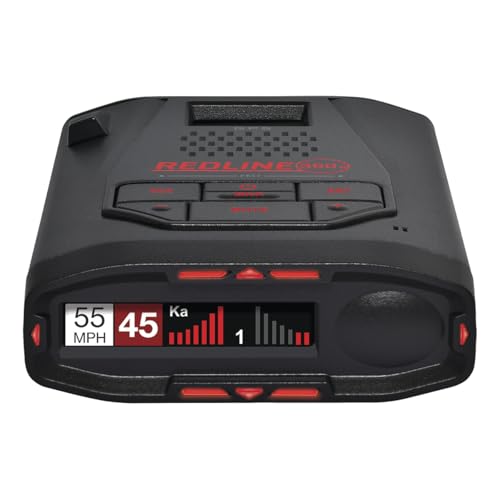
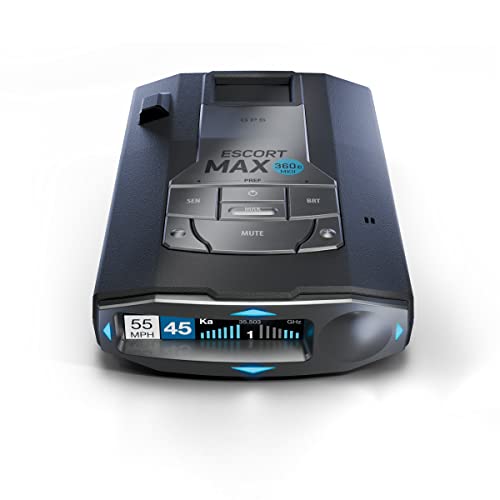
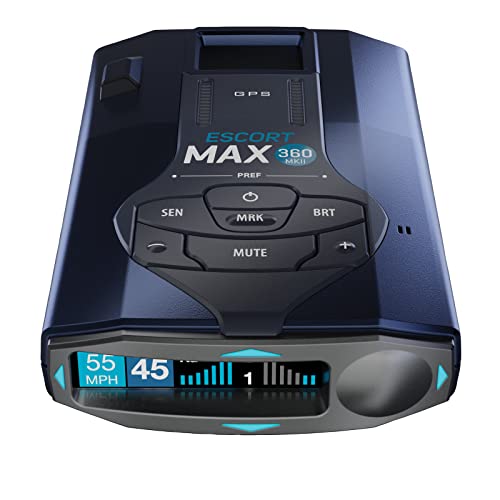
This is the part shoppers researching this price point care about most, and it is worth being direct about it. Stepping above $300 typically buys you directional arrows that show whether a threat is ahead, behind, or already passed, along with Bluetooth or app connectivity that syncs your detector with a phone-based camera and alert database. Higher tiers also tend to add a full-color integrated display, dual antennas for front-and-rear detection, and noticeably smarter filtering that cuts down on nuisance alerts.
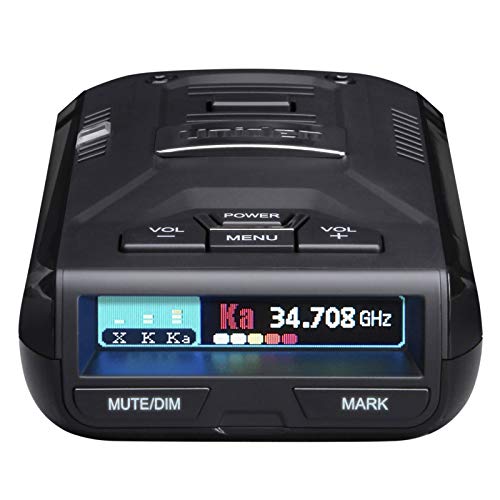
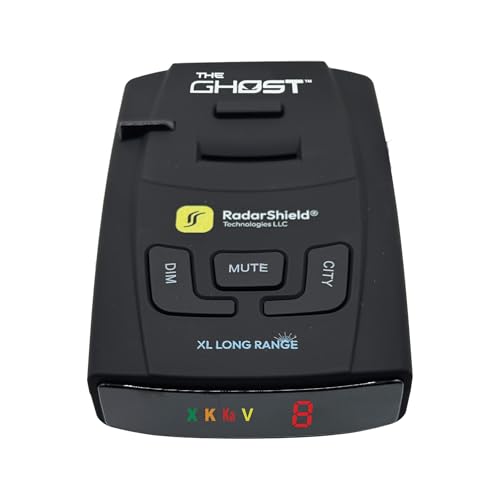
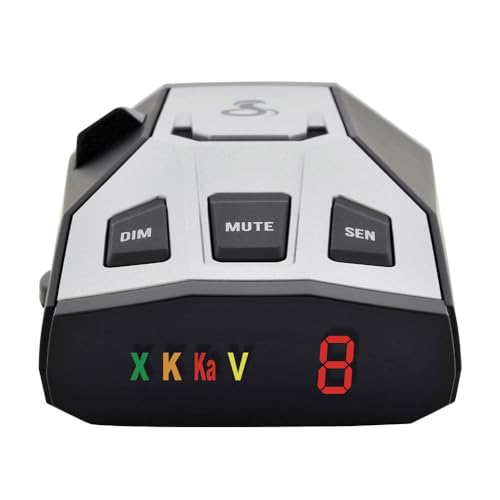
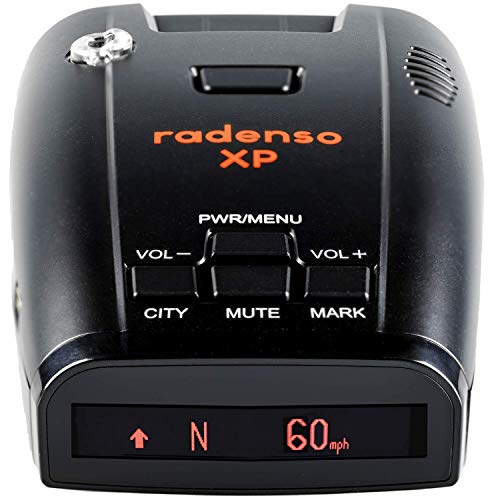
A radar detector under 200 dollars, by contrast, is built around the essentials: core radar and laser detection, a simpler display, and often a single antenna. That is not a flaw, it is the trade-off that makes the lower price possible. If you drive mostly familiar routes and mainly want a reliable heads-up rather than a connected, data-rich dashboard, this tier can genuinely cover your needs. If you want arrow-based direction awareness or app integration, plan to budget beyond $200. For a wider look at how every price tier and detector type stacks up, our full radar detector buying guide covers the full range.
Mounting, Display, and Everyday Usability
Most budget detectors mount to the windshield with a suction cup bracket and plug into your 12-volt outlet or a USB-C car charger for power. Cord management matters more than people expect, since a dangling cable across your dashboard is both distracting and prone to snagging. Look for a mount that holds steady over bumps and a cord long enough to route along your windshield trim.
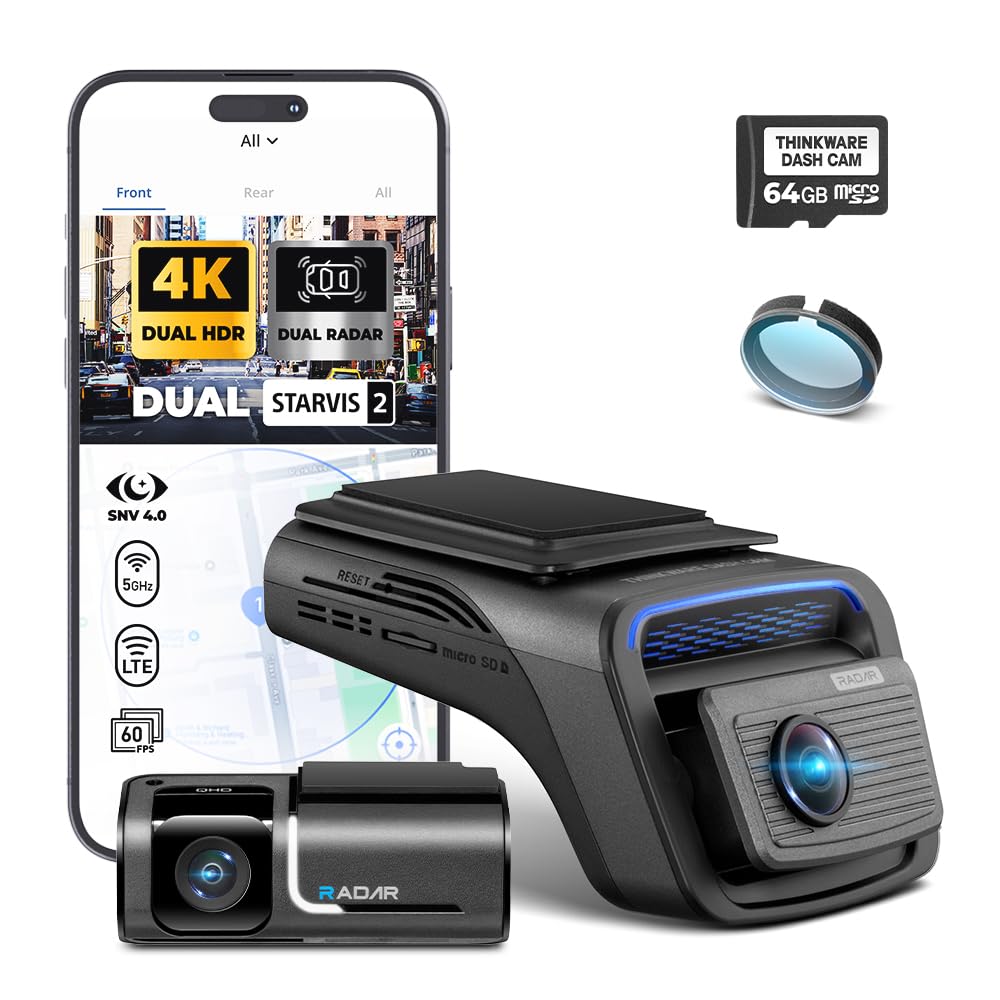
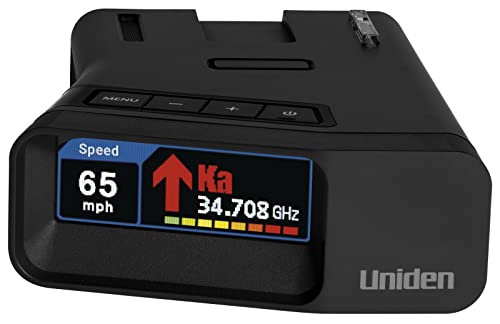
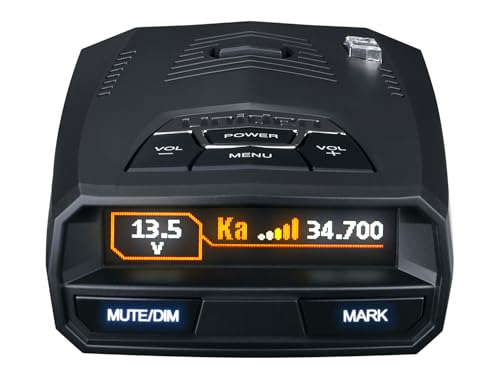
Displays at this price are usually simple, showing signal strength and band type without the extra graphics found on premium models. That is fine for most drivers, but check that the display is bright enough to read in direct sunlight. If you already run a windshield-mounted dash cam, plan your placement carefully so the two devices do not block your line of sight or crowd the same stretch of glass.
Mistakes to Avoid When Shopping This Price Range
- Assuming every detector under $200 includes GPS. Many do not, and it is the single feature that most improves daily usability.
- Ignoring Ka band performance because a listing mentions "full band coverage." Confirm the specifics rather than taking the summary at face value.
- Expecting laser detection to give you time to react. Treat it as confirmation, not early warning.
- Mounting the unit low on the windshield, which can block detection angles and put it in your direct line of sight.
- Buying based on price alone without checking that the unit fits your climate. Extreme heat exposure on a dashboard can shorten a budget detector's lifespan faster than a higher-built model.
Frequently Asked Questions
Is a radar detector under $200 actually worth buying?
Yes, for most everyday drivers. You get reliable core detection and, on many models, GPS filtering. You simply give up premium extras like directional arrows and app connectivity.
What's the real difference between a $150 detector and a $300 one?
Mostly range, filtering intelligence, and extra features like directional arrows or Bluetooth. Core radar and laser detection can be solid at both price points.
Do budget radar detectors come with GPS?
Some do, some do not. It is one of the most important specs to confirm before buying at this price, since it directly affects how many false alerts you deal with.
Can a sub-$200 radar detector detect laser?
Most can, but laser detection at any price only alerts you the instant the beam hits your vehicle, so treat it as a last-moment warning rather than advance notice.
Will a budget radar detector give a lot of false alerts?
Expect more false alerts than a premium model produces, especially without GPS. Give the unit a few weeks and you will learn to tell routine alerts from real ones.
Are radar detectors legal everywhere?
Rules vary by state and are different again for commercial vehicles, so check your local laws before relying on one, regardless of the price you paid.
How long does a budget radar detector typically last?
With reasonable care, several years is common. Keeping it out of extreme dashboard heat when the car is parked helps extend its lifespan.
The Bottom Line
Shopping for the best radar detector under 200 dollars is really about matching expectations to price. You will get dependable core detection and, if you pick carefully, GPS-based filtering that makes daily driving less noisy. You will not get the directional arrows, app connectivity, or top-tier filtering that pricier detectors offer. For drivers who want straightforward protection without premium extras, that trade-off is a reasonable one.