Best USB-C Car Charger: A Power Delivery Buying Guide
Disclosure: We may earn a commission when you buy through links on this page, at no extra cost to you. As an Amazon Associate we earn from qualifying purchases. Learn more
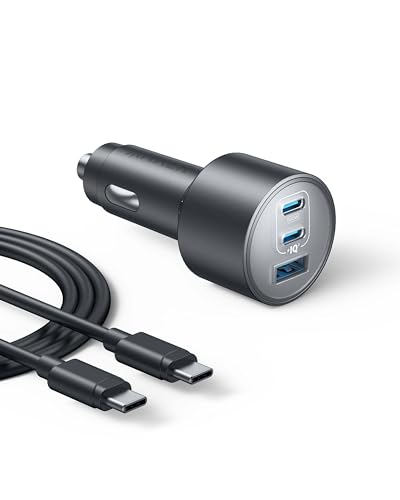
Your phone almost certainly charges over USB-C now, and there is a good chance your tablet, earbuds case, and dashcam do too. That makes the old single-port charger stuffed in your glovebox obsolete, but it also means not every replacement labeled "fast charging" will actually charge those devices fast. The best USB-C car charger for your vehicle depends less on the total watts printed on the box and more on how that power actually reaches each port, how it handles your car's electrical system, and whether the cable you already own can carry it. This guide walks through what actually separates a genuinely fast, reliable charger from one that just looks fast on paper.
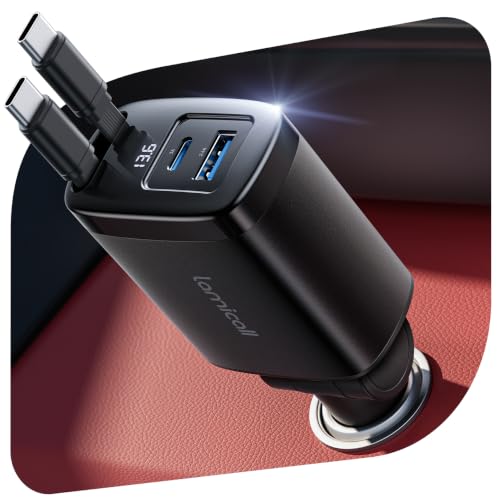

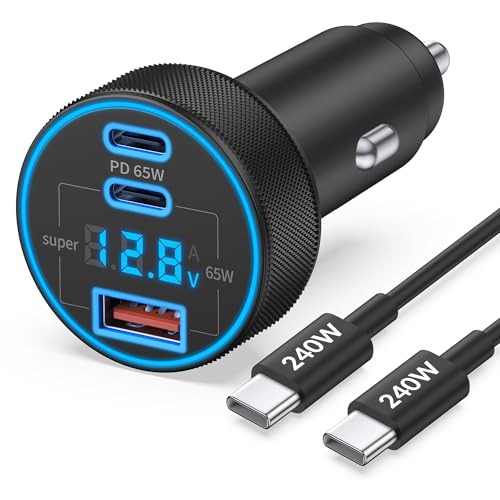
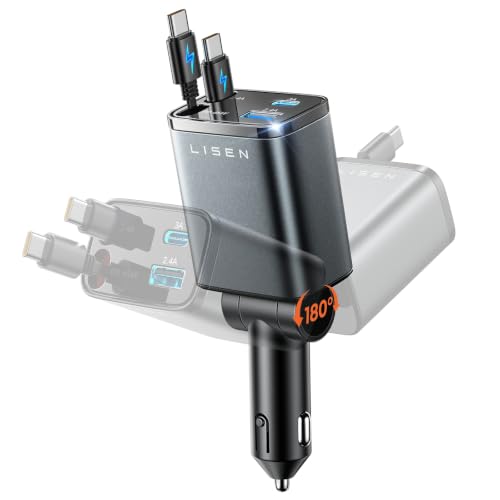


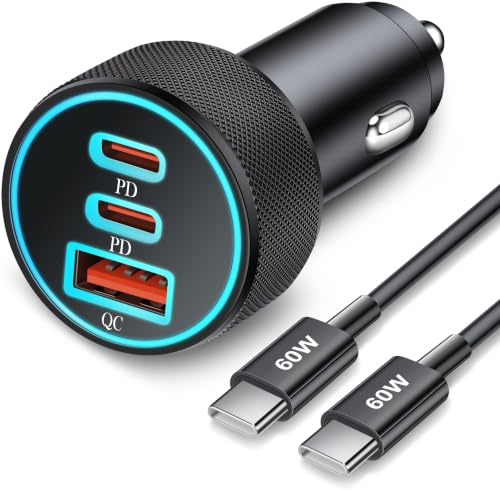
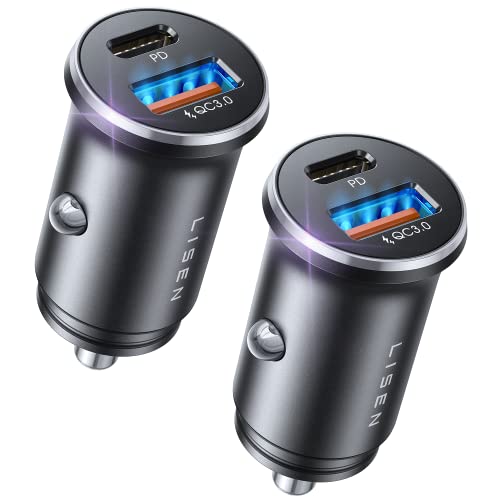
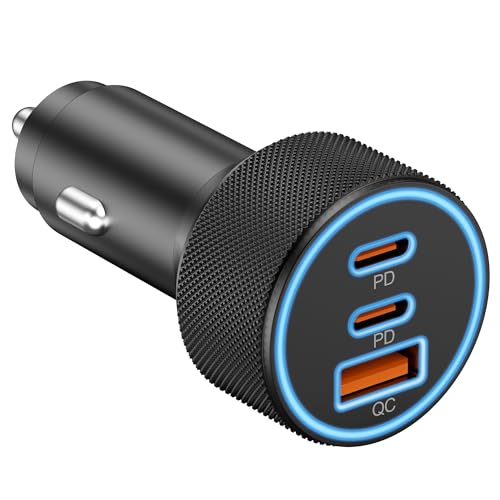
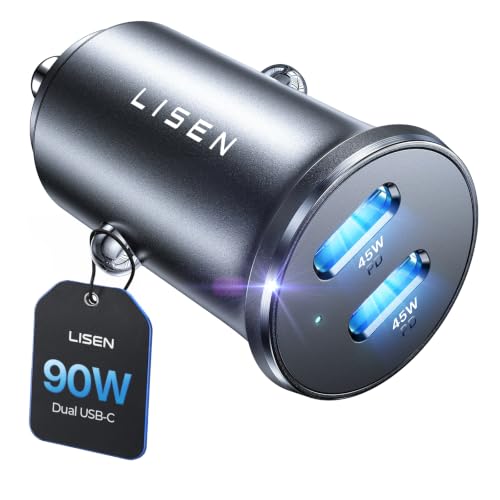

Power Delivery and Wattage: How Fast Your Devices Actually Charge
Wattage gets all the attention on packaging, but the protocol behind it matters just as much. A charger can list an impressive number and still charge your phone at a crawl if it does not speak the right charging language to it.
What USB Power Delivery (PD) Actually Does
USB Power Delivery is the standard that lets a USB-C car charger and a device negotiate voltage and current in real time instead of pushing a fixed amount of power. Newer PD revisions add a variable voltage mode called PPS, which fine-tunes output in smaller steps and is what many current phones expect for their fastest charging speed. A charger that only supports an older, generic fast-charging mode may still work, but it often caps out well below what a PD-and-PPS device is capable of pulling.
How Many Watts You Really Need
A single phone rarely needs more than 20 to 30 watts to hit its fastest charge rate, so a high port rating alone does not guarantee a faster charge once you are past that ceiling. Tablets and larger devices ask for more, generally in the 45 to 65 watt range, and a compact laptop can want more still. Think about the single most demanding device you plan to charge in the car, not the sum of everything you own, and make sure at least one port on the charger can cover that number on its own.
Multiple Ports and Shared Power: Why the Math Rarely Adds Up
A USB-C car charger advertised at a high total wattage is describing what it can output across all ports combined, not what each port delivers at the same time. Plug in a single device and it might get the full rated output. Add a second device, and many chargers automatically split or cap the power so neither port collapses, which means your phone can end up charging noticeably slower than it did alone. This is also where a lot of buyer frustration starts, since a printed "100W" figure reads very differently once it is divided between two or three plugged-in devices.
Before buying, look specifically for the per-port wattage breakdown, not just the total. A charger that guarantees a solid, fixed amount on its primary port even when a second device is connected will behave far more predictably than one that only quotes a shared maximum. This matters more than it sounds if your daily routine involves charging a phone while also running something like a dash cam off the same outlet, since that second device is quietly pulling from the same shared pool of power.
Matching the Charger to Your Vehicle's Power Outlet
Not every 12V outlet behaves the same way, and a USB-C car charger that is technically compatible with your car's port can still disappoint you if you skip this step. Look at the input voltage range printed on the charger itself rather than assuming "12V" covers every situation. A wider input range, often listed as covering roughly 9 to 32 volts, tolerates the voltage swings that happen during engine cranking and works across passenger vehicles as well as larger trucks with 24V electrical systems.
Always-On vs. Ignition-Switched Outlets
Some vehicles keep their 12V outlets powered at all times, while others cut power the moment the ignition turns off, or shortly after. Many manufacturers mark this with a small icon on or near the outlet, a key symbol for ignition-switched power and a battery symbol for always-on power. If your outlet stays live with the engine off, that matters for how comfortable you should be leaving a charger plugged in long-term, and it is worth checking before you assume your setup matches someone else's experience.
Build Quality, Heat, and Safety Certification
Squeezing high wattage into a small metal or plastic shell generates heat, and cheaper units without adequate internal shielding can throttle their output or shut down when parked in direct sun. A USB-C car charger with a metal housing tends to dissipate heat better than an all-plastic one, and that translates into steadier charging speeds on hot days rather than a device that quietly slows down to protect itself.
Look for a listed safety certification rather than taking "fast and safe" marketing claims at face value. In the US, UL 2089 is the relevant standard for vehicle chargers, and a legitimate charger should also include over-current, over-voltage, and short-circuit protection built in. USB-C ports themselves see more wear than the old micro-USB style over years of daily plugging and unplugging, so a snug, well-seated port connection is worth checking in person or in reviews before you commit. This same durability consideration applies to anything else that lives in your 12V outlet day to day, whether that is a charger, a tire inflator, or a portable diagnostic tool.
Cable Quality: The Other Half of Charging Speed
A capable charger paired with a thin, unrated cable will still charge slowly, because the cable has to carry the same current the charger is trying to deliver. Cables rated for higher wattage use thicker internal wiring, and USB-C cables specifically need to be rated to match the charger's top output if you want to see that number in practice. If you are also comparing standalone battery packs for backup power, the same wattage-and-cable logic applies there too, which is worth keeping in mind if you already own or are shopping portable chargers for use outside the car.
Frequently Asked Questions
Does a USB-C car charger drain the car battery when the car is off?
The charger itself draws very little power when nothing is plugged into it. The real factor is whether your vehicle's outlet stays powered with the ignition off; if it does, and you leave a device actively charging for long periods, it can contribute to battery drain over time.
What's the difference between USB-C Power Delivery and Quick Charge?
Power Delivery is the USB-C native standard that negotiates voltage and current directly with the device, while Quick Charge is an older, separate fast-charging protocol. Most current phones are built around PD, so a PD-certified charger is the safer match for maximum compatibility.
Does plugging in multiple devices slow down charging on a multi-port charger?
Often, yes. Total wattage is shared or dynamically split across ports rather than duplicated on each one, so adding a second device can reduce the speed available to the first. Checking per-port wattage specs ahead of time avoids this surprise.
How many watts do I need to fast charge a phone in the car?
Most phones reach their fastest charge rate somewhere between 20 and 30 watts. Anything beyond that mainly benefits larger devices like tablets, not the phone itself.
Will a high-wattage USB-C car charger work in an older vehicle?
Physically, yes, as long as it fits a standard 12V outlet, but older electrical systems can have more voltage fluctuation. A charger with a wider input voltage rating handles that variation more reliably than a bare-minimum one.
Is it safe to leave a car charger plugged in all the time?
A well-built charger with proper safety protection is generally fine to leave plugged in. The bigger factor is whether your outlet stays powered when the car is off and how much you are actively charging while parked.
Do I need a special cable for fast charging in the car?
You need a cable rated to carry the charger's top wattage. A cable built for basic charging speeds will bottleneck even the most capable charger, so the cable and charger need to be matched to each other.
Choosing the Right Charger for Your Vehicle
The fastest USB-C car charger for you is the one whose per-port wattage, voltage input range, and safety build actually match how you drive and what you plug in, not the one with the biggest number on the box. Start with the most demanding device you charge regularly, confirm the charger can cover it even with a second port in use, and pair it with a cable rated to keep up. Get those three things right and the rest of the decision gets a lot simpler.