Best Petrol Lawn Mower for Large Gardens: Buying Guide
Disclosure: We may earn a commission when you buy through links on this page, at no extra cost to you. As an Amazon Associate we earn from qualifying purchases. Learn more
A large garden turns lawn care math on its head. A quarter-acre push mower session is a chore; an acre or more on the same machine is an afternoon, and most battery mowers run out of charge before you're halfway across the property. The best petrol lawn mower for large gardens solves both problems at once: a gas engine that doesn't care how long you run it, and enough torque to keep the blade spinning at full speed through thick, overgrown, or damp grass that would bog down a smaller machine. This guide covers why gas still holds an edge over battery and electric on acreage, how to size the engine and deck to your actual property, which drive system handles your terrain, the fuel issue that catches new owners off guard, and how to mow the ground faster once the mower is in hand.
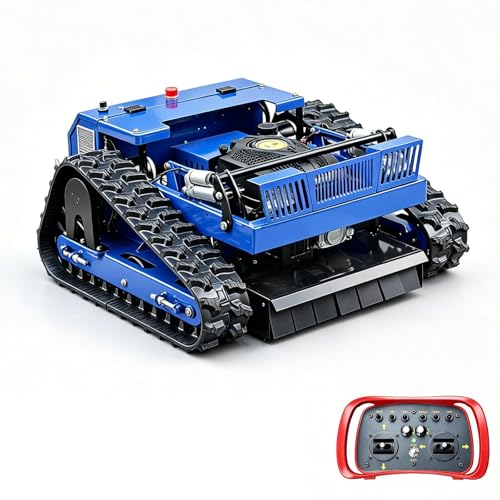
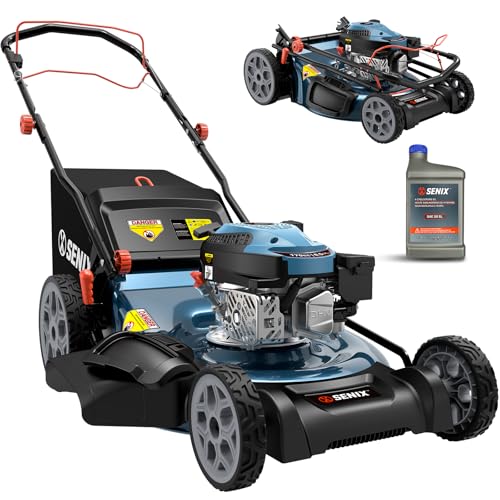
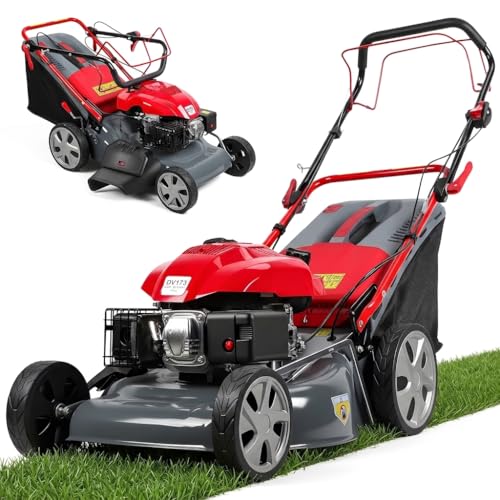
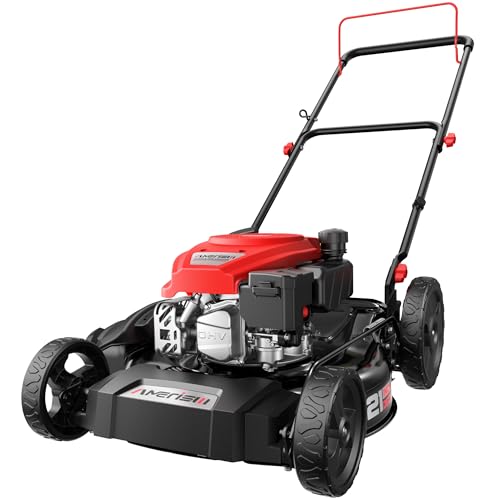
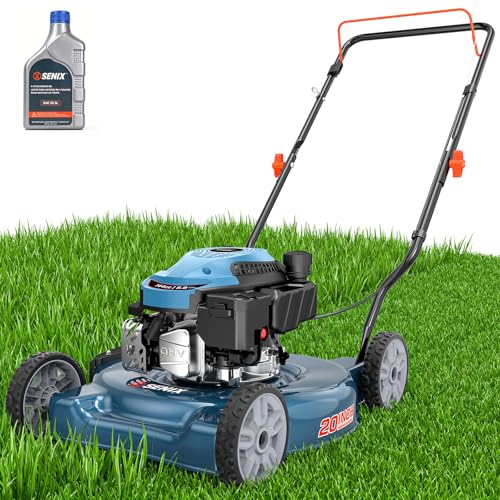
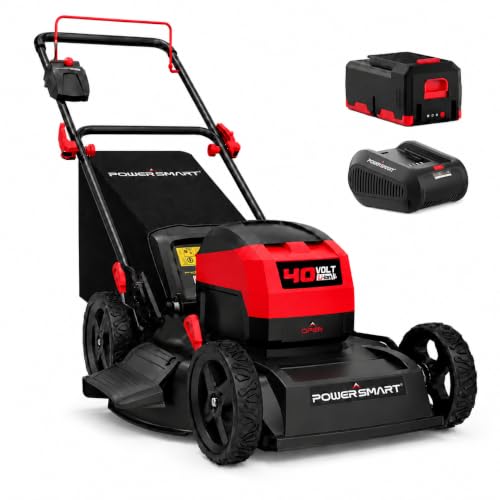
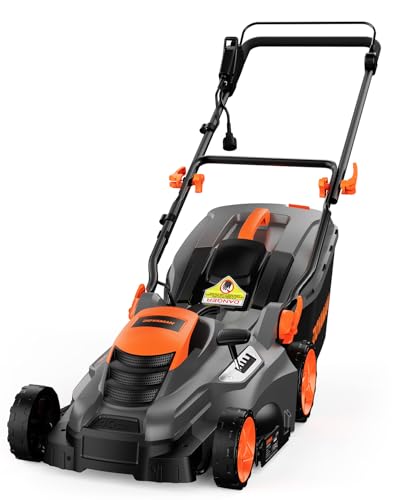
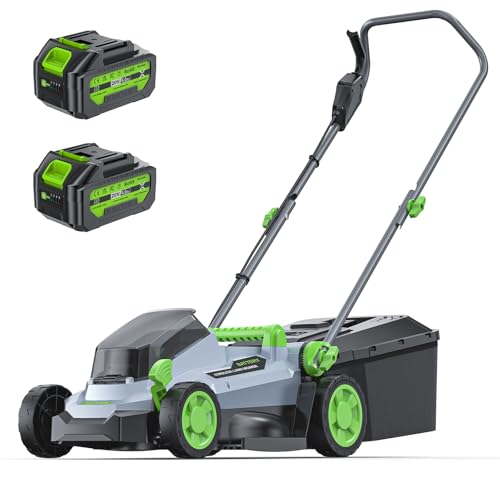
Why Go Gas Instead of Battery or Electric on a Big Lot
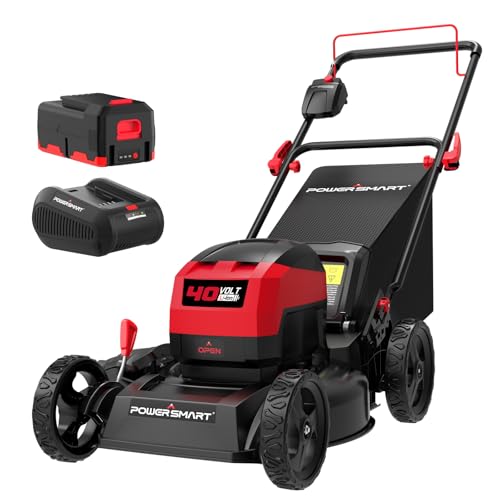
Every lawn mower category makes a tradeoff, and on a small yard it barely matters. On a large property, it decides whether you finish mowing in one session or two. A gas engine keeps producing the same torque at minute 90 that it did at minute one, as long as the tank has fuel. Battery mowers run on a fixed charge that typically covers somewhere between a third of an acre and just under an acre depending on the pack, and thick or tall grass drains that faster than a well-kept lawn does. A cordless electric mower is a better fit if your lot is closer to a quarter acre and you'd rather skip the fuel altogether, and a robotic mower suits anyone who wants the lawn cut automatically without pushing anything at all, but past a half acre or so, stopping mid-mow to swap or recharge a battery gets old fast.
Fuel capacity tells the same story from the other direction. Push-style gas mowers typically carry between 0.3 and 0.6 gallons, good for roughly 45 minutes to an hour of continuous mowing, which rough field estimates put at close to an acre and a half of coverage on a single tank. Refueling takes under a minute and costs a few dollars, compared to a battery recharge that can take an hour or more. That gap is why gas mowers remain the default choice for landscaping crews and owners with genuinely large properties, even as battery technology keeps closing the distance on smaller lots.
Cubic Centimeters, Deck Width, and Tank Size: Sizing the Mower to Your Acreage
Three specs determine whether a gas mower actually keeps up with a large property, and they need to be matched together rather than shopped one at a time.
Engine Displacement
Engine size, measured in cubic centimeters, is the clearest signal of how much torque the mower can deliver under load. Most self-propelled gas mowers built for bigger yards fall between 150cc and 201cc. The lower end handles a well-kept lawn without trouble, but if your garden includes overgrown sections, damp low spots, or grass that regularly gets away from you between mows, the higher end of that range keeps the blade from bogging down when it hits resistance. A bigger engine also holds a steadier cut on inclines, where a smaller motor tends to lose speed and leave uneven stripes.
Deck Width
Deck width sets how much ground you cover per pass, and on a large lot that adds up fast. A 21-inch deck is generally the sweet spot for lawns up to about an acre; beyond that, a 22-inch deck shaves real time off every mow. The tradeoff is maneuverability, since a wider deck is more awkward around trees, flower beds, and fence lines, so an open layout makes the width worth it while a garden full of tight corners might do better with a narrower mower and a bit more walking.
Tank Size and Run Time
A bigger garden means longer sessions, and tank size determines how often you stop to refuel. Look for a tank on the larger side of that 0.3 to 0.6 gallon range if your mow regularly runs past 45 minutes, since refueling a hot engine mid-yard is more of a hassle than it sounds. Pairing a larger tank with a wider deck and a mid-to-high cc engine is what gets a large property cut in one uninterrupted pass.
Front-Wheel, Rear-Wheel, or All-Wheel Drive: Matching Traction to Your Terrain
A self-propelled gas mower drives its own wheels, so you're steering rather than pushing the machine's full weight across the lawn, which matters a lot more once a mow stretches past 30 or 40 minutes. Which layout suits you depends less on preference and more on what your ground actually does underfoot.
Front-wheel drive pulls from the front, which makes the mower easy to maneuver and simple to lift for tight turns around obstacles. It loses grip on wet grass and moderate slopes, where the front wheels can spin under load, so it fits a flat garden with a lot of trees, beds, or curved edges to work around, and it's usually the cheaper option.
Rear-wheel drive pushes from the back, putting more weight over the drive wheels for noticeably better traction on hills, wet patches, and uneven ground. It's the layout reviewers consistently point to for anything larger or sloped, and while it costs more and feels a touch less nimble in tight corners, that's usually worth it on a property with any real incline.
All-wheel drive powers every wheel at once for the most consistent grip across mixed conditions, from soft damp patches to moderate slopes in the same mow. It's the priciest and heaviest of the three, but on a large garden combining slopes, rough terrain, and thick grass, the extra traction earns its keep. On a mostly flat, open property, though, it buys you very little for the added cost.
Ethanol Fuel and the Carburetor Problems That Sideline Gas Mowers
This is the maintenance issue gas mower owners run into that battery and corded electric owners simply never deal with, and it catches a lot of first-time buyers off guard. Most pump gas in the US is E10, meaning it's blended with up to 10% ethanol. Ethanol absorbs moisture from the air, and in a small engine's vented fuel tank, that moisture slowly corrodes metal fuel system parts and breaks down rubber and plastic components over weeks or months of sitting unused. Left long enough, the fuel itself degrades into a gummy varnish that hardens and clogs the tiny jets inside the carburetor.
The symptoms are predictable once you know what to look for: hard starting at the beginning of the season, a rough or uneven idle, stalling under load partway through a mow, and sometimes a faint varnish smell around the engine. None of this is a sign of a bad mower, it's just what happens when ethanol-blended fuel sits too long in a small engine's fuel system.
The fix is straightforward and takes almost no extra effort. Run fresh 87-octane gas with no more than 10% ethanol, or use ethanol-free fuel if it's available near you. Add a fuel stabilizer to every tank, especially before any stretch of a few weeks where the mower won't run. Before storing the mower for winter, either run the tank dry or treat the fuel with stabilizer rather than leaving it to sit untouched for months. Owners who stick to this habit rarely deal with carburetor problems; owners who don't are the ones fighting a mower that won't start every spring.
Mowing Pattern: Covering a Large Lawn in Fewer Passes
Once the mower is matched to your property, how you actually mow it changes how long the job takes almost as much as engine size or deck width do. Straight row mowing, going back and forth in the longest lines your lawn allows, is generally the fastest pattern because it minimizes the number of 180-degree turns, and turning is where a mower loses the most time. If your lawn is roughly square rather than long and narrow, an inward spiral starting at the outer edge accomplishes the same thing by cutting down on stop-and-turn moments.
Whichever pattern you use, overlap each pass by a few inches rather than butting the rows edge to edge. It's a small habit, but skipping it is the most common reason a "finished" lawn still has thin, unmowed strips running through it, especially with a wider deck where the edges are harder to judge by eye. It's also worth alternating your mowing direction from one week to the next. Cutting the same direction every time causes the grass to lean and the soil underneath to compact slightly, which over a season can leave faint ruts and uneven growth, something a large property shows more visibly than a small one simply because there's more lawn to notice it on.
Frequently Asked Questions
What size garden actually needs a self-propelled gas mower?
Most homeowners feel the difference past about a half acre, or sooner on sloped ground. Below that, an unpowered push mower is manageable. Past it, self-propelled drive stops being a convenience and becomes the reason you finish the mow without being exhausted.
How long does a full tank actually last?
Expect 45 minutes to an hour of continuous mowing from a typical 0.3 to 0.6 gallon tank, roughly an acre and a half of coverage under average conditions. Thick, tall, or damp grass burns through that faster.
Is a gas mower still better than battery for a large yard?
For most properties over half an acre, yes, mainly because runtime isn't capped by a battery charge and refueling takes under a minute. Battery mowers run quieter with less upkeep, so the calculation shifts if noise or maintenance matters more to you than raw runtime.
Do I need rear-wheel drive if my yard is mostly flat?
Not necessarily. Front-wheel drive works fine on flat, obstacle-heavy ground and costs less. Rear-wheel or all-wheel drive earns its price on hills, wet grass, or uneven terrain, so match the drive type to what your ground actually does.
How often should the engine be serviced?
Plan on an oil change, air filter check, and spark plug inspection at least once a season or every 25 to 50 hours of use, whichever comes first. Rough or thick terrain may call for a bit more frequent attention.
What happens if I skip the fuel stabilizer over winter?
Ethanol-blended gas left sitting for months tends to gum up the carburetor jets, the single most common reason a gas mower refuses to start the following spring. A stabilizer at the last fill, or simply running the tank dry before storage, avoids the problem.
Sizing a gas mower correctly comes down to matching engine displacement, deck width, tank size, and drive type to the property you actually have, then keeping ethanol fuel from sitting long enough to cause problems. Get those pieces right and a self-propelled gas mower will outlast the runtime limits of a battery machine for as many seasons as you keep up with basic engine maintenance. For anything creeping toward two acres, or ground steep enough that walking it twice a week feels like a workout, it's worth comparing the cost against a riding lawn mower before committing to a push-behind model.