Best Robotic Lawn Mower: The Complete Buying Guide
Disclosure: We may earn a commission when you buy through links on this page, at no extra cost to you. As an Amazon Associate I earn from qualifying purchases. Learn more
Mowing an acre of grass every week gets old fast, and that's usually the moment homeowners start looking into the best robotic lawn mower options instead of pushing another self-propelled model around the yard. Before comparing specific machines, it helps to understand how the technology actually works, because that's what determines whether a robotic mower will suit your property at all. Navigation method, slope tolerance, and mowing habits vary more between models than most buying guides let on. In this guide, you'll learn how these mowers find their way around a yard, what lawn size and slope they can realistically handle, how mulching and charging work day to day, and what they cost to run compared with a standard mower.
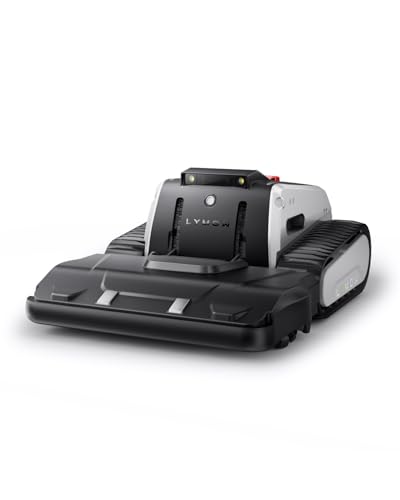
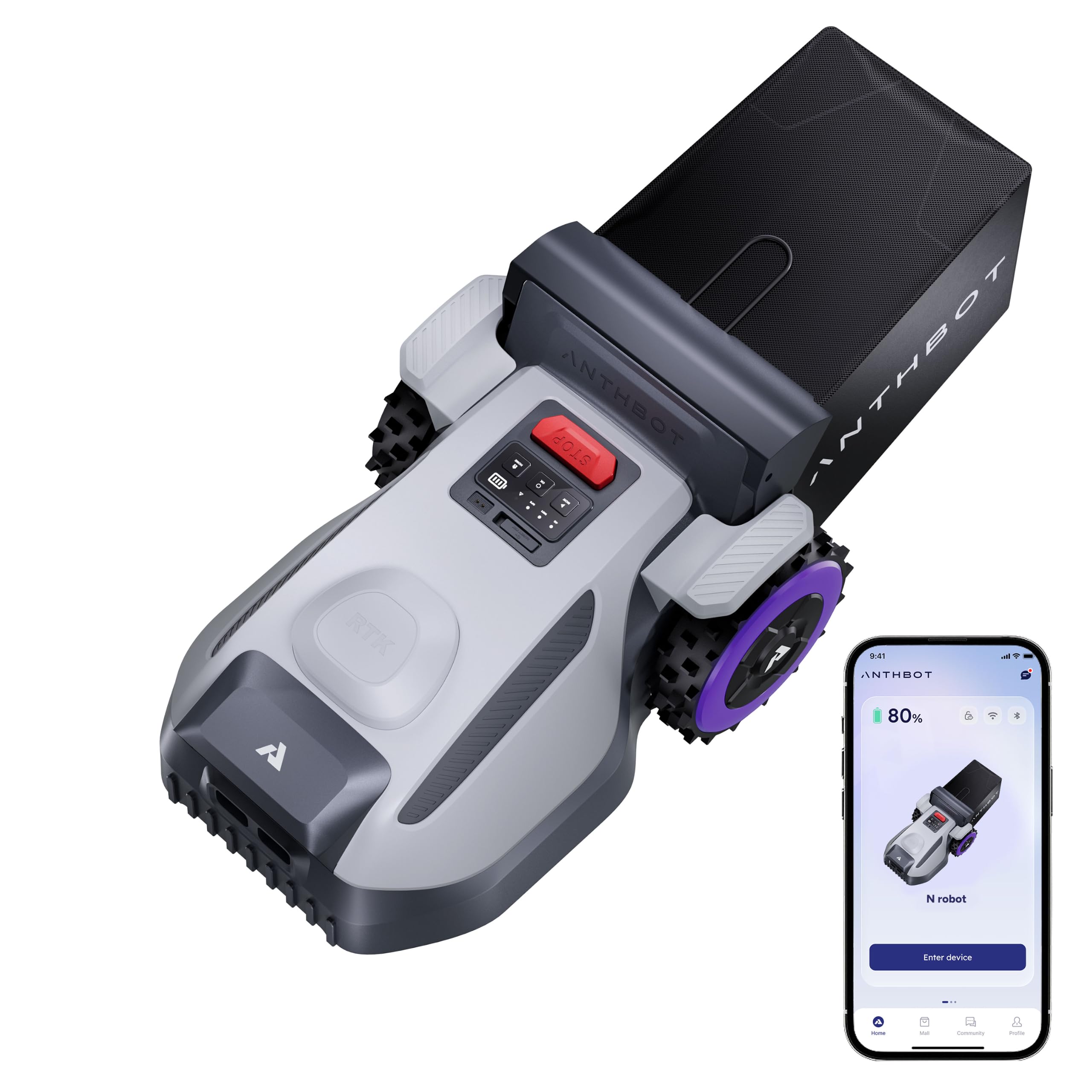
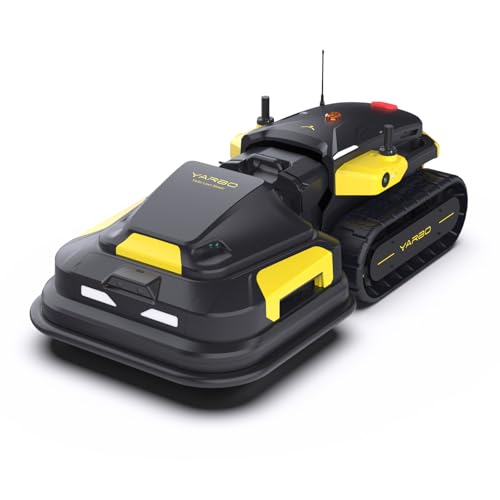
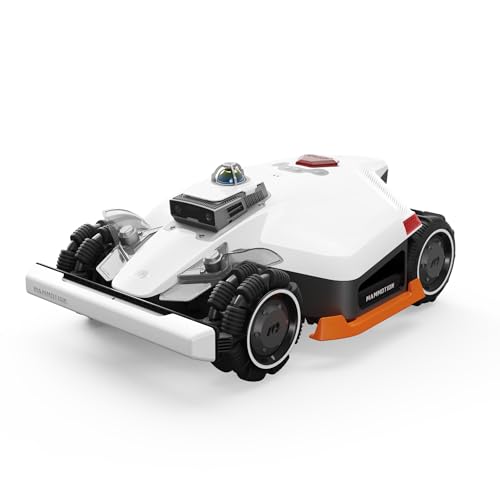
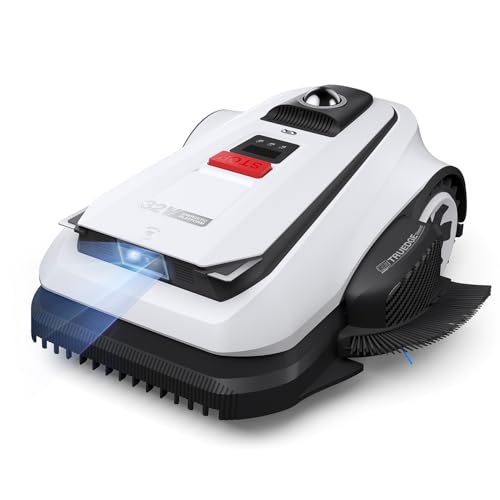
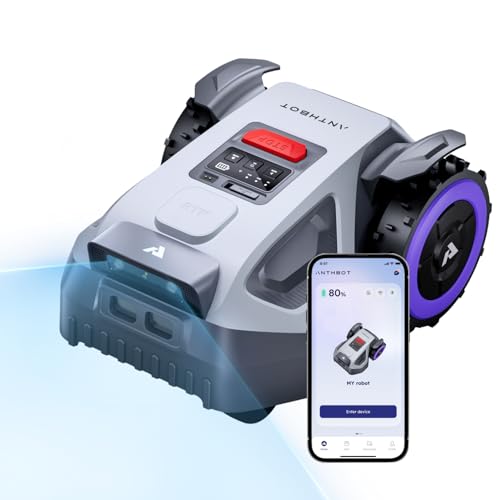
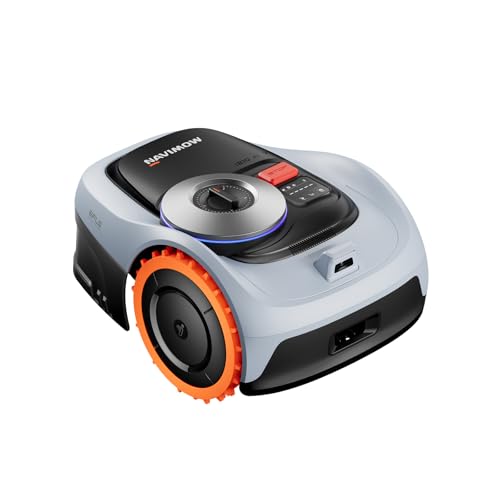
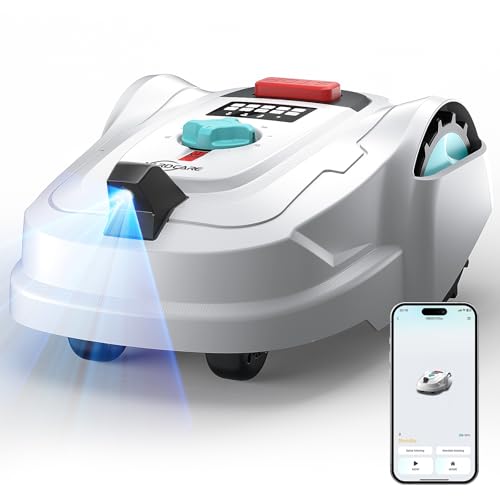
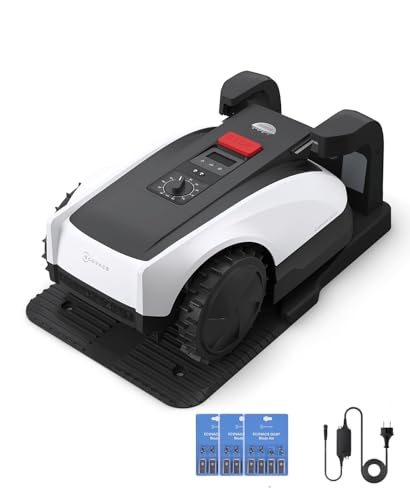
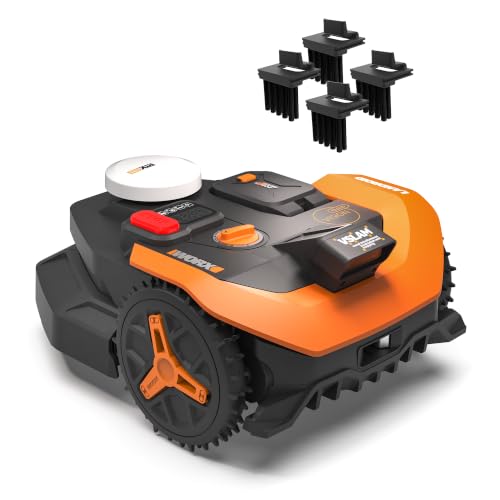
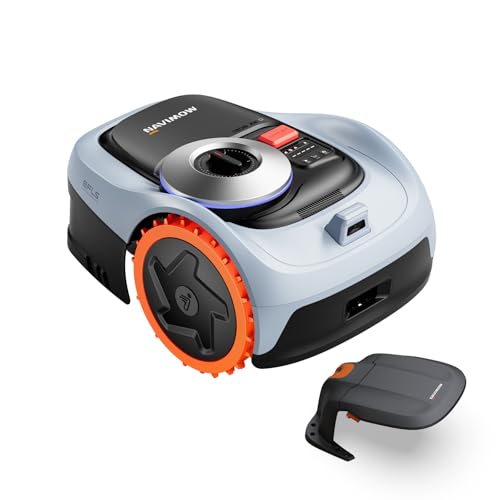
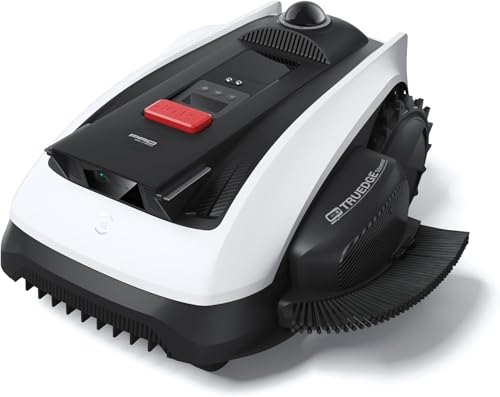

How Robotic Lawn Mowers Navigate Your Yard
Every robotic mower needs some way to know where your lawn starts and stops, and the method it uses shapes almost everything else about the experience, from setup time to how well it works under trees.
Boundary Wire: The Original, Still-Reliable Standard
Most robotic mowers on the market still rely on a thin, low-voltage boundary wire buried or pinned along the edge of the lawn. The mower detects the signal running through the wire and turns back whenever it gets close, so it never actually leaves the marked area. A second wire usually runs from the charging dock, giving the mower a clear path home when its battery runs low. Installing the wire takes an afternoon of trenching or staking, but once it's down, the system works reliably in shade, under tree canopy, and on cloudy days, since it doesn't depend on a clear view of the sky.
GPS and RTK: Mapping a Yard Without Wires
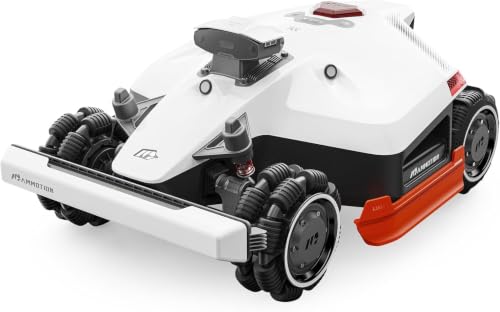
Newer wire-free models use GPS and RTK (real-time kinematic) correction from a small base station to pinpoint the mower's location within a couple of centimeters. Instead of burying a wire, you walk the perimeter once with the mower or draw the boundary in an app, and the software remembers it. This setup skips the trenching work and makes it easy to adjust the mowing area later, split a yard into multiple zones, or exclude a garden bed for the season. The tradeoff is that accuracy can drop near dense trees, tall fences, or buildings that block satellite signal, so a heavily wooded lot may still suit a boundary wire mower better.
How Obstacle Sensors Handle Pets, Toys, and Surprises
Regardless of navigation type, most current mowers add physical or camera-based sensors that detect solid objects in their path. When the mower bumps into or senses something ahead, whether that's a garden hose, a dog toy, or the family pet, it stops, backs away, and reroutes rather than pushing through. If you're weighing a specific model, understanding how it's rated for reliability and build quality can help you judge how well its sensors hold up over years of use, not just in a first-week test.
Matching a Robotic Mower to Your Lawn's Size and Slope
Coverage Area and Multi-Zone Yards
Every model has a maximum coverage area, usually listed in square feet, and it matters more than most shoppers expect. A mower rated for a quarter-acre lawn will struggle to finish a half-acre yard on a single charge, running out of battery mid-cycle and leaving patches uncut. If your property is split by a driveway, walkway, or side yard the mower can't cross on its own, you'll need a model that supports multiple mowing zones, or a small transport step where you carry the mower between sections yourself. Large properties with several detached areas of lawn sometimes make more sense for a riding mower instead, at least for the biggest open stretch.
Slope Ratings and What They Really Mean on the Ground
Manufacturers publish a maximum slope rating as a percentage or degree figure, and it's tempting to treat that number as a hard limit, but real yards rarely have one uniform grade. A lawn can average a gentle 10% slope overall while having one steep bank near a retaining wall that exceeds the mower's rating. Entry-level two-wheel-drive models typically top out around 20 to 25% grade, while all-wheel-drive versions built for hillier terrain can handle 35% or more. Wet grass reduces traction further, so a slope that's fine on a dry afternoon can cause wheel slip after rain. Walk your yard and check the steepest section specifically, not just the average grade, since the best robotic lawn mower for a hilly property is usually the one rated well above your worst incline, not just the model with the best overall reviews.
Mulching, Charging, and How the Mower Spends Its Day
Why Mulched Clippings Are a Feature, Not a Mess
Robotic mowers don't collect clippings in a bag the way most push mowers do. Instead, they mow frequently, often every day or every other day, taking off just a few millimeters of growth each pass. Those fine clippings fall back into the turf and break down quickly, returning nitrogen to the soil instead of ending up in a yard waste bin. Over a season, this mulching habit tends to leave grass thicker and greener than a weekly mow-and-bag routine, though it works best with a consistent schedule. Skip several days in a row, especially during a fast growth spurt, and the clippings can clump instead of settling in evenly.
Docking, Charging Cycles, and Weather Pauses
Most robotic mowers return to their charging dock on their own once the battery runs low, then head back out to finish the lawn once they've topped up. A typical cycle covers a portion of the yard, charges for an hour or two, and resumes automatically, so the mower isn't out of commission the way a corded electric mower would be. Rain sensors pause mowing during wet weather and send the mower home early, since cutting soaked grass can clog the blades and leave uneven clumps rather than the fine mulch you actually want.
What It Actually Costs to Run, Compared to a Standard Mower
Electricity is the main ongoing expense, and it's small: most robotic mowers use somewhere between half a kilowatt-hour and two kilowatt-hours a week, which typically adds up to well under a hundred dollars a year at average US electricity rates. Blades need replacing every few months since robotic mowers use small, lightweight cutting discs rather than one large blade, and a set usually costs a fraction of what a full mower blade sharpening or replacement runs. Compare that to a gas mower, where a season's worth of fuel, oil, and filters on a typical lawn can add up to several hundred dollars, before accounting for a tune-up or repair. Even against a cordless electric mower, the robotic version usually costs less to run simply because it takes many small charges instead of full battery cycles each week.
The gap is widest against a gas mower built for large gardens, where fuel and maintenance costs stack up fastest over a full season. The upfront price of a robotic mower is higher than either alternative, so the savings show up gradually rather than in the first year.
Frequently Asked Questions
How does a robotic lawn mower know where the lawn ends?
It either follows a low-voltage boundary wire installed around the edge of the lawn or uses GPS with RTK correction to track its position against a virtual boundary set up in an app. Both methods keep the mower inside the marked area without you needing to watch it.
Do robotic lawn mowers need Wi-Fi to work?
No. Mowing itself doesn't require an internet connection, since navigation runs on the boundary wire or onboard GPS. Wi-Fi or Bluetooth is only used for the companion app, which lets you adjust schedules, check status, or get alerts remotely.
Can a robotic lawn mower handle a steep or hilly yard?
Many can, but the specific slope rating matters more than a general "handles hills" marketing claim. Check the steepest section of your yard against the model's published slope percentage, and lean toward an all-wheel-drive version if any part of your lawn regularly gets wet.
Do I need to pick up grass clippings after a robotic mower runs?
No. The clippings are cut fine enough to fall into the turf and break down on their own, acting like a light natural fertilizer instead of yard waste you need to bag or rake.
Is a robotic lawn mower safe around pets and kids?
Modern models use bump sensors, lift sensors, and often camera-based detection to stop the blades when something unexpected is in the way. That said, most manufacturers still recommend running the mower on a schedule when pets and children are indoors, especially during the first few weeks of use.
How often does a robotic mower need to charge?
It depends on lawn size and mowing frequency, but most models run for roughly an hour or two per charge, then dock automatically to recharge before heading back out. On larger lawns, this cycle can repeat several times a day until the whole area is covered.
Does a robotic mower work in the rain or on wet grass?
Most models have rain sensors that pause mowing and send the mower back to its dock once it starts raining, since wet grass clumps and can clog the blades. A consistent dry-weather schedule matters more for these mowers than for one you only run once a week.
Is a robotic lawn mower actually cheaper to run than a gas mower?
Yes, in most cases. Electricity and replacement blades typically cost far less per year than gas, oil, and routine engine maintenance, even though the mower itself costs more to buy upfront.
Is a Robotic Mower the Right Fit for Your Yard
The right choice comes down to matching the technology to your property, not just picking the most popular model. A wire-free GPS mower makes sense for an open, sunny yard where you want the flexibility to change zones, while a wire-based system still holds up better under heavy tree cover. Working through navigation type, size, slope, and cost first is how you land on the best robotic lawn mower for your yard, rather than just the model everyone else happens to be buying.