Best Corded Electric Lawn Mower: A Complete Buying Guide
Disclosure: We may earn a commission when you buy through links on this page, at no extra cost to you. As an Amazon Associate we earn from qualifying purchases. Learn more
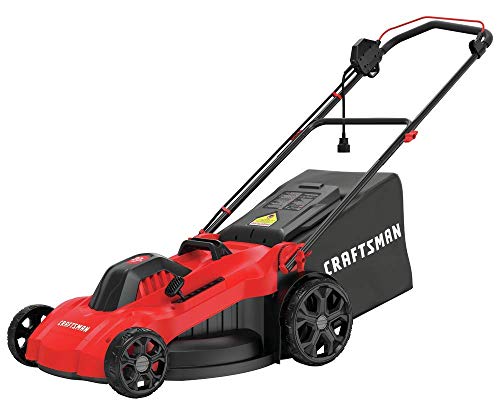
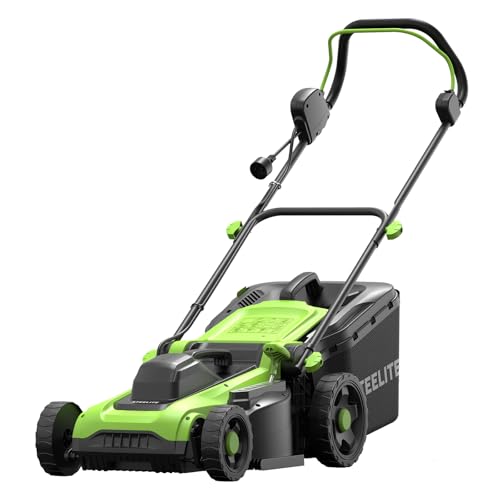
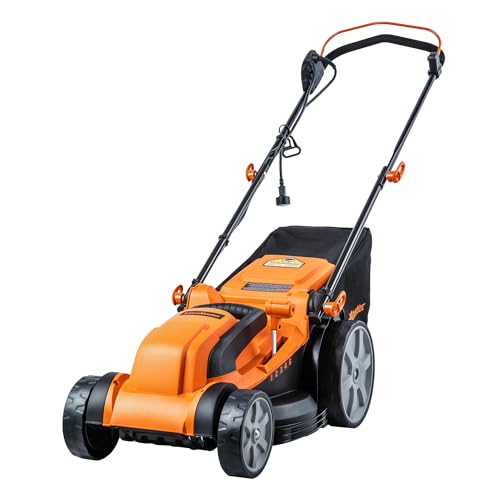
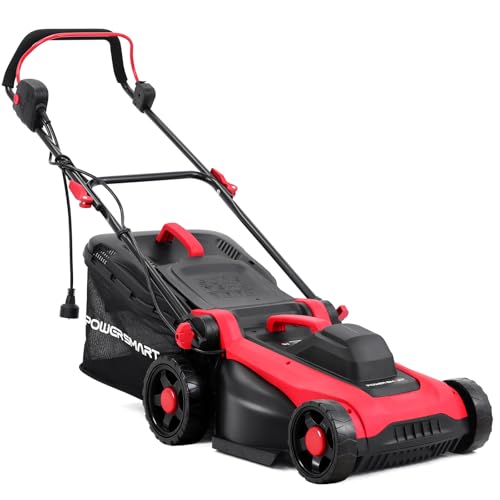
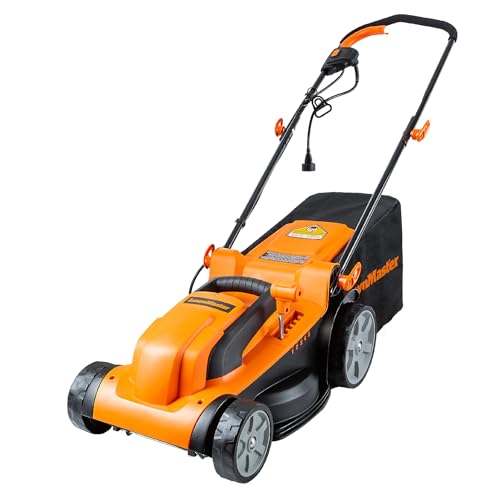
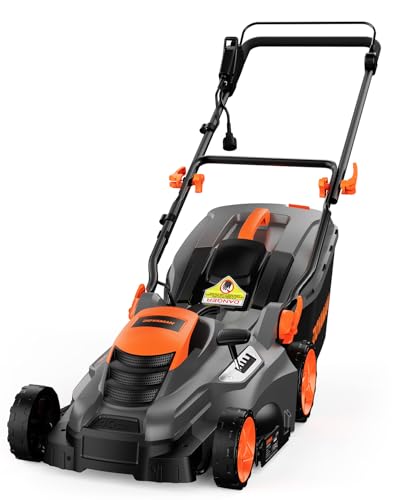
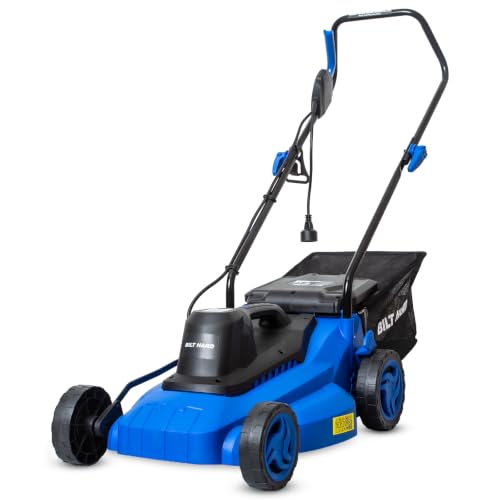
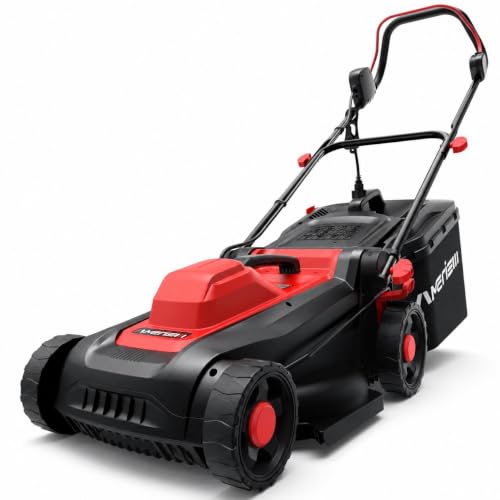
If your yard sits close to the house and you are tired of battery gauges dropping mid-mow or gas fumes lingering in the garage, a corded electric lawn mower solves both problems at once. Plug it in and the motor runs at full strength for as long as you need, with no runtime countdown and no fuel to mix. A corded electric lawn mower is one of the simplest tools you can own: fewer moving parts, no charging routine, and power that never fades halfway through a pass. This guide walks through what actually matters when you buy one, from cord length to outlet safety, so you can pick a model that fits your yard instead of fighting it.
Why Continuous Power Changes How You Mow
The single biggest advantage of a corded mower is that it never runs out of charge. A cordless mower loses cutting power as its battery drains, which means the last strip of grass often gets cut worse than the first. A gas mower needs fuel, oil checks, and periodic tune-ups just to start reliably. A corded electric lawn mower draws power straight from your home's circuit, so the blade spins at the same speed on pass one and pass fifty.
That steady output also means you are not guessing how much yard you can finish before stopping to recharge. If your lot is small to medium sized, a corded mower lets you knock out the entire job in one session without planning around battery capacity. The tradeoff is mobility: you are tethered to an outlet, so this benefit only pays off if your yard shape works with a cord in the first place.
Cord Length, Amperage, and Cutting Width: Matching the Mower to Your Yard
How far the cord actually reaches
Most corded electric lawn mowers ship with a short built-in cord, so you will pair it with an outdoor-rated extension cord. A 100-foot extension is enough for most suburban lots, but voltage drop becomes a real concern past 50 feet, especially on a thinner gauge. As a rule of thumb, a 16-gauge cord suits mowers under 10 amps for runs up to 100 feet, while mowers pulling 10 to 15 amps perform better on a 12-gauge cord over that same distance.
Matching amperage to your lawn
Amperage is a rough stand-in for cutting power. A higher amp rating handles thicker grass and slightly overgrown patches more confidently, while a lower amp motor is fine for a lawn you mow on a regular schedule. Cutting width matters too: a wider deck covers ground faster but is harder to maneuver around flower beds, trees, and tight corners, so weigh that against how much open lawn you actually have.
When a cord stops making sense
If your yard stretches well beyond what a single extension cord can comfortably reach, or if it wraps around the house in a way that forces the cord to double back on itself, a corded mower becomes more hassle than help. Large or irregularly shaped properties are usually better served by a riding mower built for bigger lawns or a battery model with real range.
Extension Cords and Outdoor Outlets: The Safety Rules That Actually Matter
Running a corded electric lawn mower means running electricity across wet grass, so safety details are not optional. Always use an extension cord rated for outdoor use; indoor cords lack the insulation and weatherproofing needed for damp conditions. Check the cord's amp rating against your mower's amp draw and never use a cord rated lower than the mower calls for, since an undersized cord can overheat.
Plugging into a GFCI outlet is just as important. A ground fault circuit interrupter cuts power almost instantly if it senses current leaking somewhere it should not, such as through a nicked cord touching wet grass. Most exterior outlets installed to code already have GFCI protection, but if yours does not, a portable GFCI adapter is a cheap way to add that protection. While mowing, keep the cord looped over your shoulder or trailing behind you along the edge you have already cut, never across the path in front of the blade.
Corded vs. Cordless and Gas: Where a Plug-In Mower Wins (and Where It Doesn't)
Choosing between power sources really comes down to yard size and how much you value being untethered. Corded electric lawn mowers are lighter, cost less upfront, and never need a battery replacement down the road, which makes them a smart pick for anyone mowing a compact lot on a regular basis. If you would rather roam freely without tracking a cord around trees and garden beds, a cordless electric mower trades that constant power for battery-powered freedom, at the cost of a runtime limit and a heavier price tag.
Gas mowers still hold an edge on very large properties where neither a cord nor a single battery charge would get the job done. If that describes your lawn, a petrol mower built for large gardens is worth a look instead of trying to stretch a corded model beyond what it is designed for. For most modest yards near the house, though, the combination of steady power and low maintenance makes a corded mower hard to beat.
Frequently Asked Questions
Do corded electric lawn mowers lose power over time?
No. Unlike a battery, a corded mower draws directly from your home's electrical supply, so cutting power stays consistent from the first strip of grass to the last, session after session.
How long of an extension cord can I safely use?
Most mowers work well with cords up to 100 feet if you match the gauge to the amperage. Beyond that length, voltage drop can weaken the motor, so it is better to reposition your starting point than to daisy-chain multiple cords together.
Do I need a GFCI outlet for an electric lawn mower?
Yes, or at minimum a portable GFCI adapter. Mowing involves wet grass and moving cords, and a GFCI cuts power immediately if it detects a ground fault, which meaningfully reduces shock risk.
Is a corded mower powerful enough for thick or tall grass?
A higher amp model can handle moderately overgrown grass without bogging down, but corded mowers generally perform best on lawns mowed on a regular schedule rather than left to grow tall between cuts.
Can I mow wet grass with a corded electric mower?
It is best avoided. Wet clippings clog the deck and strain the motor, and combining water with an electrical cord adds unnecessary risk even with GFCI protection in place.
What size yard suits a corded electric mower best?
Small to medium lots within reach of an outdoor outlet, roughly a quarter acre or less, are the sweet spot. Beyond that, cord management becomes more trouble than the power advantage is worth.
Making Your Decision
A corded electric lawn mower rewards anyone with a modest, outlet-accessible yard and a preference for simple, low-maintenance equipment. You give up some mobility for power that never fades and upkeep that barely exists. Match the cord and amperage to your lawn, respect the outlet safety basics, and this style of mower can handle years of regular cutting without complaint.