Best Pet Cameras: A Complete Buying Guide
Disclosure: We may earn a commission when you buy through links on this page, at no extra cost to you. As an Amazon Associate I earn from qualifying purchases. Learn more

A standard indoor security camera is built to watch a doorway or a stationary room, but a pet doesn't stay put and doesn't care about a driveway. The best pet cameras are built around a different job: talking to an anxious dog, tossing a treat mid-workday, or catching whether your cat's meowing is normal chatter or something worth a vet call. Below is what actually separates a genuinely useful pet camera from a repackaged security camera with a paw icon on the box.

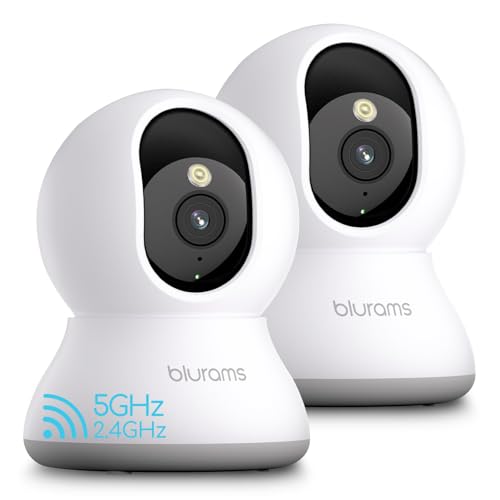

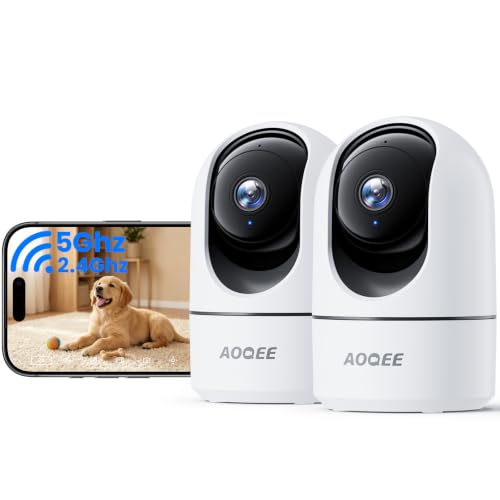
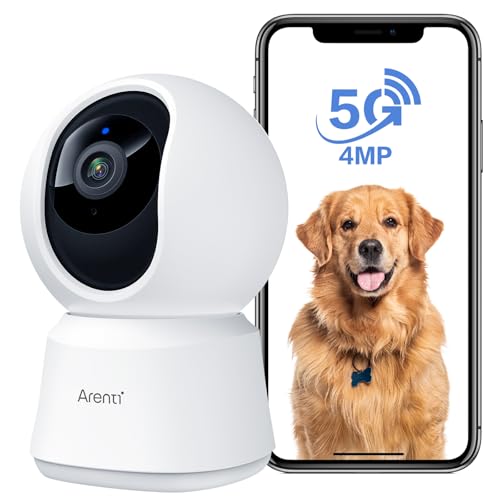
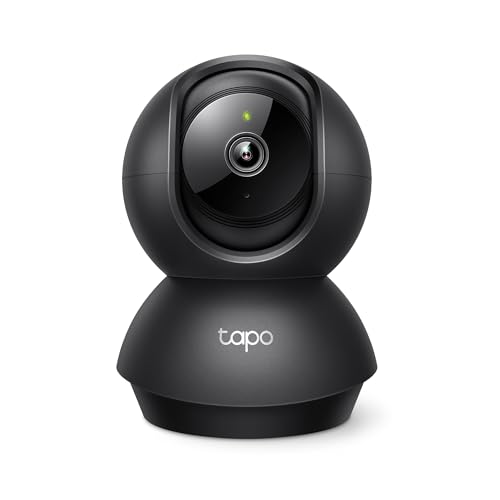
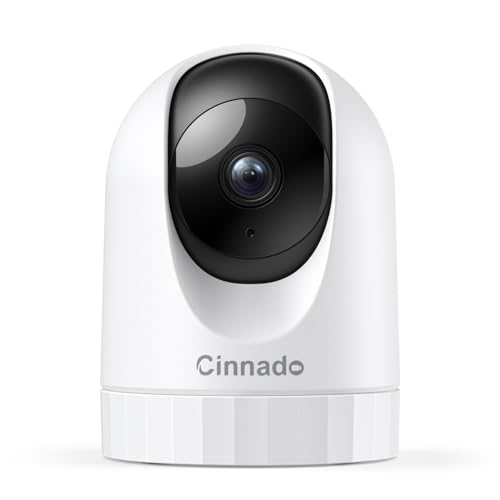
Treat-Tossing Cameras: Worth the Jams and the Subscription?
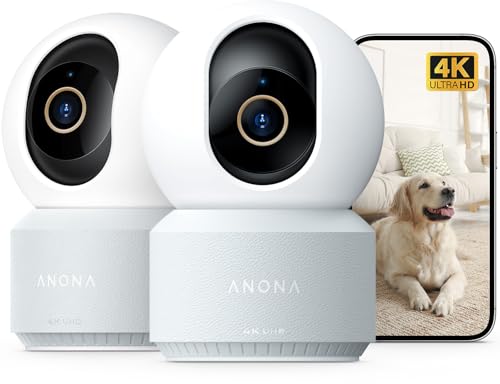
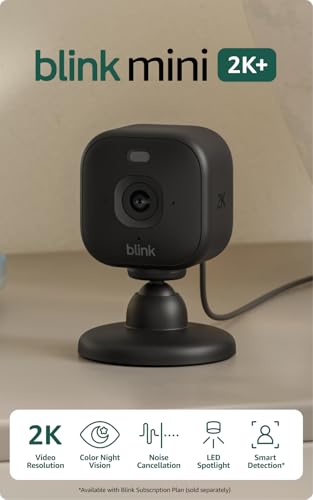
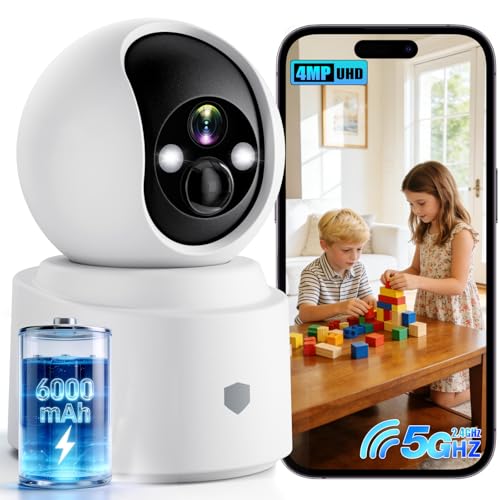
Treat-tossing is the single feature that made pet cameras their own product category instead of just a smaller security camera. The mechanism is simple: a hopper holds small, dry treats, and a motor launches one across the room when you tap a button in the app. Used well, it's a legitimate way to reward calm behavior during a thunderstorm or break up boredom on a long workday, and plenty of owners run one daily for years without issue.
The complaints that show up consistently across reviews come down to two things: treat size and connectivity. Hoppers are built for a narrow range, usually around a quarter-inch to half-inch treat, and anything oddly shaped, soft, or oversized jams the chute. Buy treats specifically sized for the dispenser rather than assuming your dog's usual training treats will fit. The second complaint is a camera that drops off a weak Wi-Fi signal right when you try to toss a treat remotely, which is more a router placement problem than a camera defect. If treats are the actual priority and the camera is secondary, a dedicated automatic pet feeder is worth comparing, since feeders are built around portion control for real meals rather than a bonus toss here and there.
Subscriptions are the other catch. Live viewing and basic toss functionality are usually free, but 24-hour video history and some of the smarter alert types often sit behind a monthly plan. Check what's actually free before assuming the advertised price covers everything you'll want.
Two-Way Audio: Why Latency Matters More Than Volume
Two-way audio is what turns a camera from something you passively watch into something you can use to reassure an animal in real time. The spec that actually matters here isn't speaker volume, it's latency. A voice that arrives half a second late and slightly garbled can confuse or even startle a nervous dog more than it calms one, especially if your pet already reacts to sudden sounds. If your dog responds to a specific cue word, low-latency audio is what makes that cue usable from across town instead of just a novelty.
Introduce the audio feature gradually rather than testing it for the first time during an actual panic. Say something familiar in a normal tone the first few times, and watch how your pet reacts before relying on it to talk a genuinely anxious animal down. Some pets never fully warm up to a voice coming from a box on the wall, and that's worth knowing before you count on it as your main anxiety tool.
Cat Cameras vs. Dog Cameras Aren't the Same Purchase
Most pet camera marketing defaults to dogs, but cats use a room differently and that changes what actually matters in a camera. Dogs tend to pace at floor level and move between rooms, which is why 360-degree rotation or pan-and-tilt tracking earns its keep for dog owners specifically, keeping a wandering animal in frame instead of losing them off the edge of a fixed lens. Cats, on the other hand, spend a lot of their day up high, on a cat tree, a windowsill, or the top of a bookshelf, so a camera mounted at standard security-camera height often misses them entirely. Mounting a bit higher and angling down, rather than mounting at eye level like you would for a front door camera, covers a cat's actual favorite spots far better.
Interactive laser or toy attachments are marketed heavily toward cat owners, and many cats genuinely chase the dot with no issue. A smaller number of cats are cautious around the auto-rotating motor noise or a sudden unpredictable movement, so it's worth watching your specific cat's reaction the first few sessions rather than assuming every cat responds the same way. Meow detection, unlike bark detection, is also a newer and less refined feature across the category, so treat any "detects distress meows" claim with a bit more skepticism than the equivalent bark alert.
Bark and Meow Alerts: How Smart Are They, Really?
Basic sound-triggered alerts fire on any noise loud enough to cross a threshold, which means a passing garbage truck or a neighbor's dog can flood your phone with notifications that have nothing to do with your own pet. Newer models try to fix this by cross-referencing the sound with what the camera actually sees, like mouth movement or body posture, before sending an alert, which cuts down on false positives compared to audio-only detection. Some also wait for barking that continues past a set duration, often around thirty seconds, instead of alerting on a single bark, which filters out one-off noises without missing an actual anxiety episode.
None of this makes the detection perfect, and a camera in a small apartment near a busy street will always generate more false alerts than one in a quiet house, regardless of how smart the AI claims to be. If notification fatigue becomes a real problem, dig into the app's sensitivity settings before giving up on alerts entirely, since most let you adjust the threshold or duration rather than forcing an all-or-nothing choice.
Covering a Multi-Pet Household Without Blind Spots
One camera rarely covers a home with more than one animal well, especially if a dog and a cat use the space differently, as described above. Rather than buying the most expensive single camera, it's often more effective to place a cheaper, simpler camera in each animal's main spot, one lower and centered on the living room floor for the dog, one mounted higher covering a favorite perch for the cat. Bark and meow alerts also get noisier in a multi-pet home, since a camera near two animals may have trouble telling which one is actually making the sound, so don't be surprised if per-pet alerts are less precise than the marketing suggests.
If your setup already includes broader smart home gear, check whether the pet camera's app integrates with it so you're not juggling a separate app just for pet alerts. And remember a pet camera only covers the room it's mounted in. If your pet also spends time in the yard, that's a job for a dedicated GPS tracker rather than anything indoor cameras are built to handle.
Frequently Asked Questions
Do pet cameras actually help with separation anxiety?
They can help you monitor it and intervene with your voice or a treat toss, but a camera alone doesn't treat the underlying anxiety. For a genuinely anxious pet, use the camera alongside training or a vet's guidance rather than as a standalone fix.
Will the treat dispenser jam with my dog's regular treats?
It depends entirely on shape and size. Round, dry treats sized for the specific hopper rarely jam, while soft, oddly shaped, or oversized treats are the most common cause of complaints. Check the manufacturer's size guidance before stocking up.
Is a pet camera different from a regular indoor security camera?
Yes, in the features that matter for animals rather than intruders: two-way audio built for reassurance, treat dispensers, wider fields of view for a wandering pet, and bark or meow detection. A general-purpose indoor security camera can technically watch a pet, but it won't have any of those pet-specific extras.
Do I need a subscription to use a pet camera?
Usually not for the core features. Live viewing, basic alerts, and treat tossing are commonly free, while 24-hour video history and some smarter detection tiers often require a monthly plan. Check exactly what's included free before assuming the advertised price is the full cost.
Can the camera or laser toy scare my pet?
It's possible, especially early on. A camera that suddenly rotates or plays an unfamiliar voice, or a laser toy with a loud auto-rotating motor, can startle a cautious animal at first. Most pets adjust within a few days, but if yours seems more stressed than curious, dial back the movement and audio until they get used to it.