The Best Dog Crates for Car Travel and Safety
A guide to choosing a crash-tested, properly sized dog crate for safer car travel.
Loose pets in a moving vehicle create a real safety hazard, both for the animal and everyone else in the car during sudden stops or an accident. Choosing the best dog crates for car travel means looking at crash-tested construction, secure anchoring options, and a size that fits both the dog and the available cargo space. This guide covers the safety features and practical details that make car travel calmer and safer for dogs of every size.



Why Vehicle Restraint Matters for Dogs
An unrestrained dog can become a serious projectile during sudden braking or a collision, posing risk to itself, passengers, and the driver's ability to focus on the road. A properly secured crate keeps a dog contained in a designated space, reducing both the physical risk during an incident and the everyday distraction of a dog moving freely around the cabin. Many dogs also feel calmer and more secure inside an enclosed crate during travel compared to being loose in an open vehicle.
Crash-Tested Construction
Independent crash testing organizations evaluate pet travel products under simulated collision conditions, and crates that carry a genuine crash-test certification have demonstrated they can maintain structural integrity under significant force. Not all crates marketed for travel have undergone this testing, so checking for a specific, verifiable certification rather than vague marketing language about safety is an important step before purchase.
Material and Build Types
Hard-Sided Plastic Crates
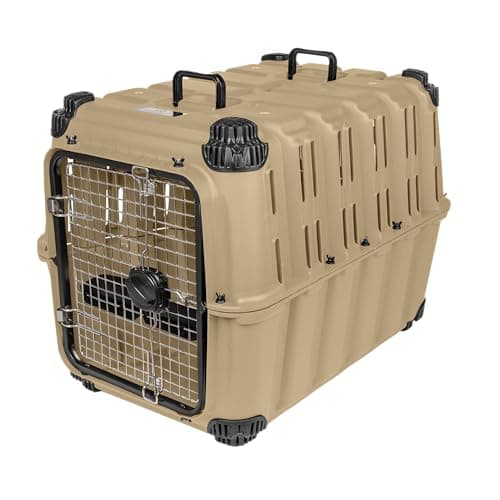
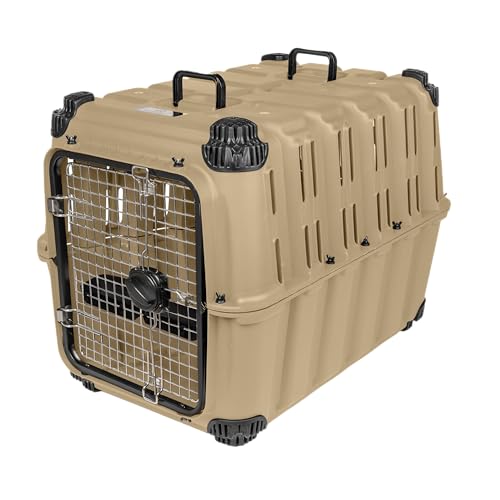
Rigid plastic construction offers strong impact resistance and is a common choice for crash-tested models, providing a solid enclosed structure that holds its shape under stress.
Wire Crates
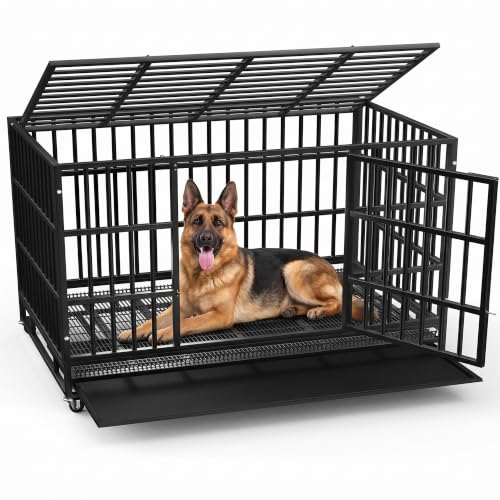
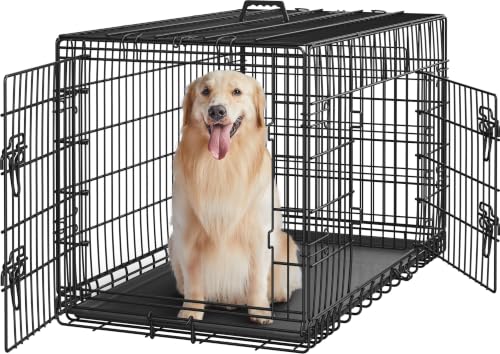
Wire designs offer excellent ventilation and visibility for the dog, though they generally provide less protection in a collision compared to solid-sided alternatives unless specifically reinforced and crash-tested.
Soft-Sided Crates
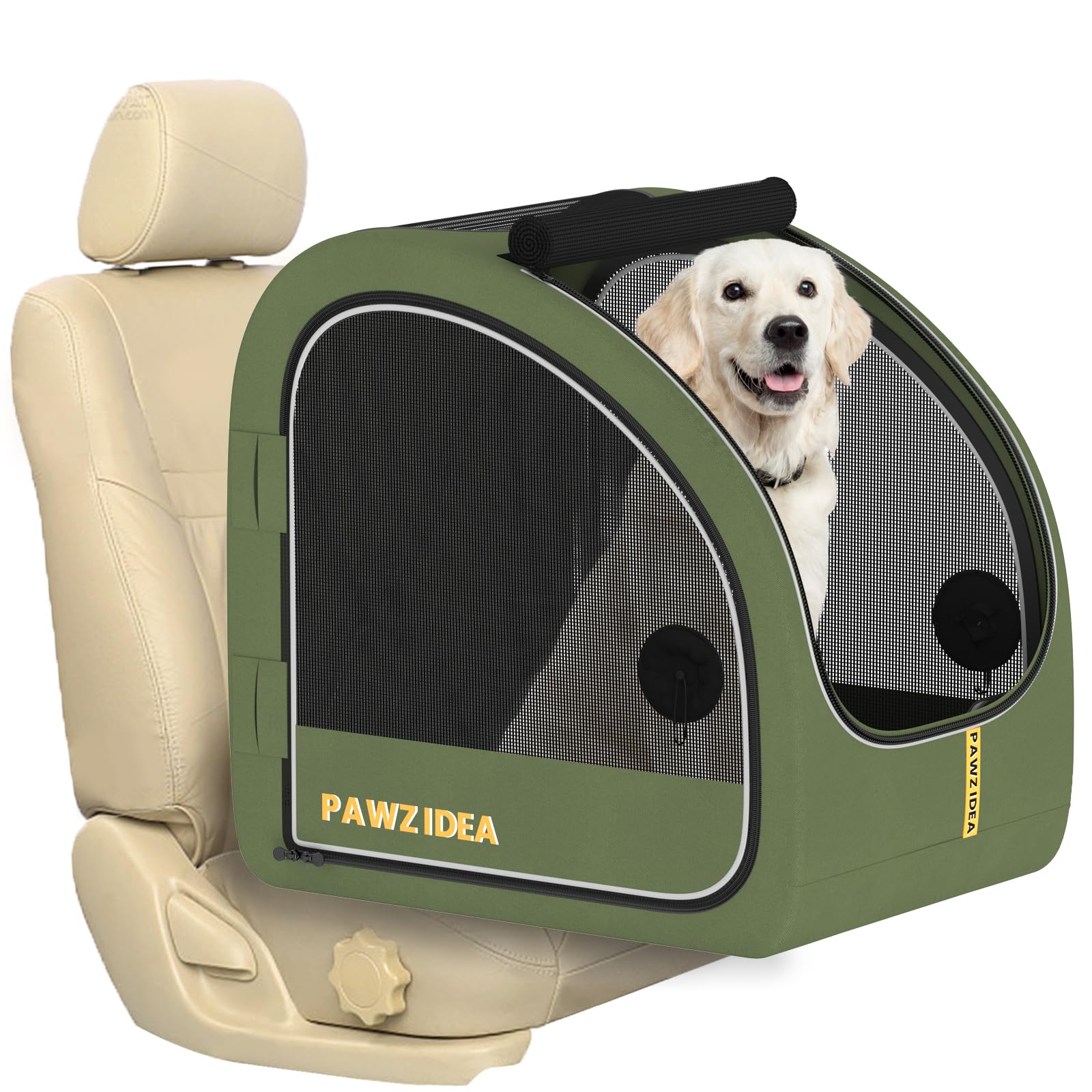
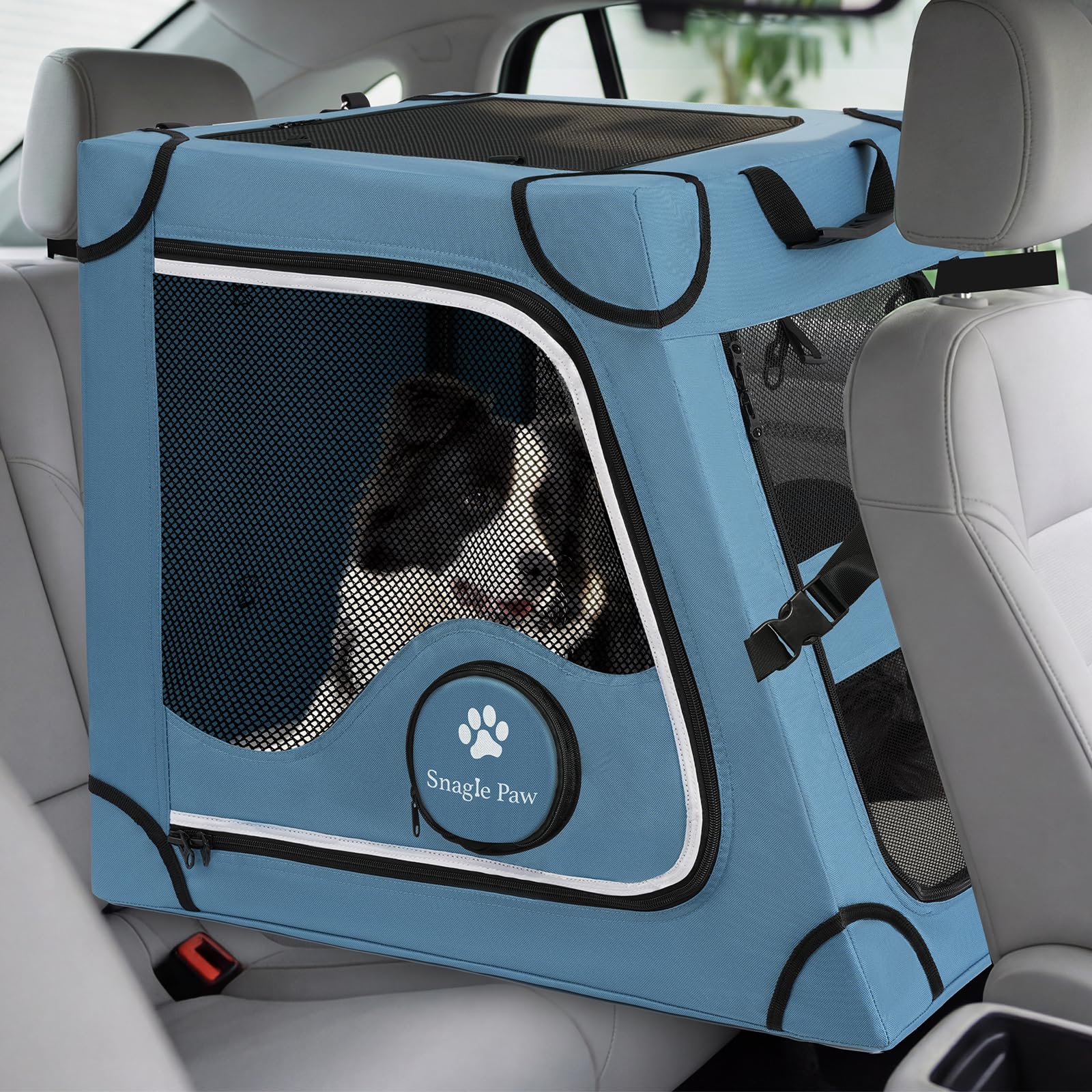
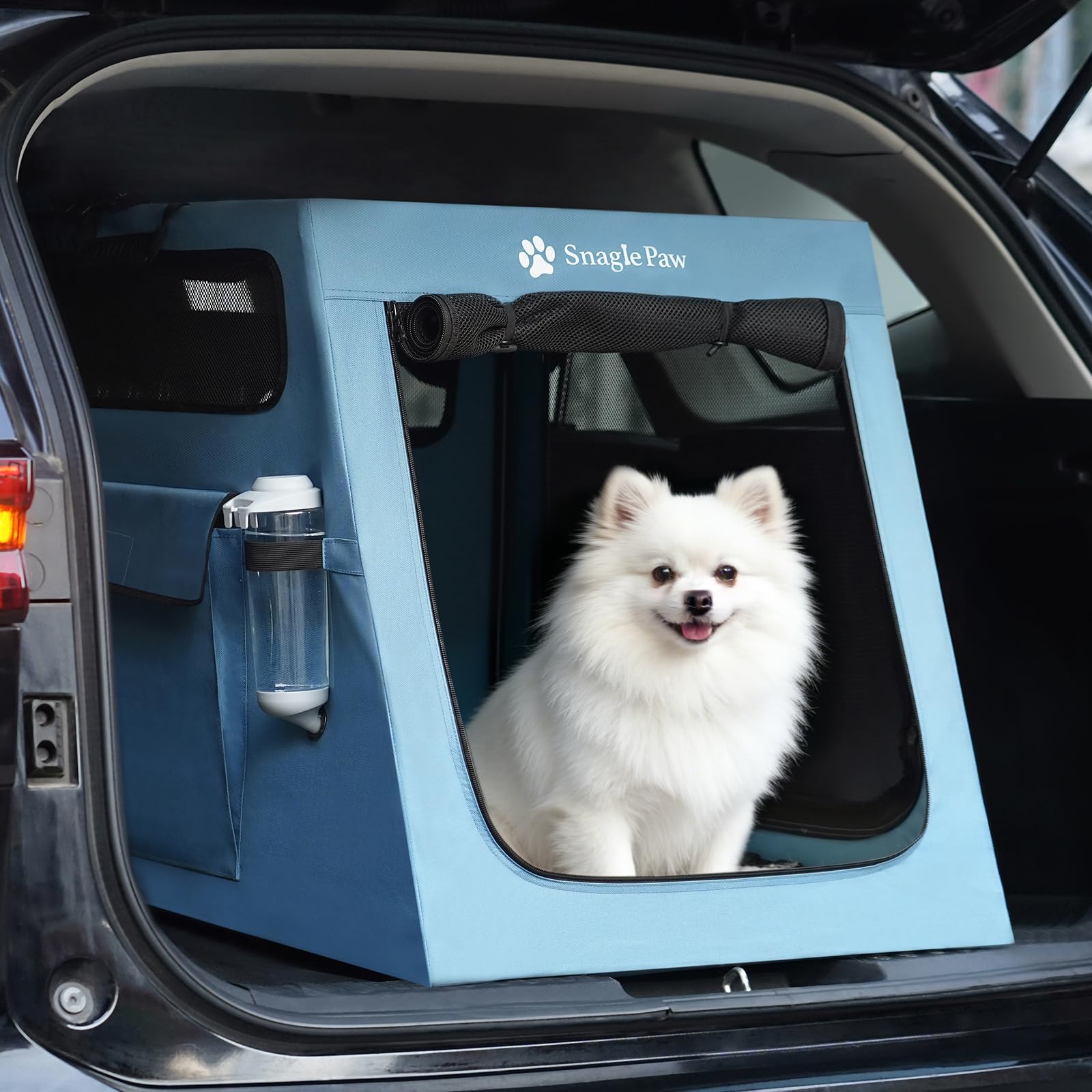
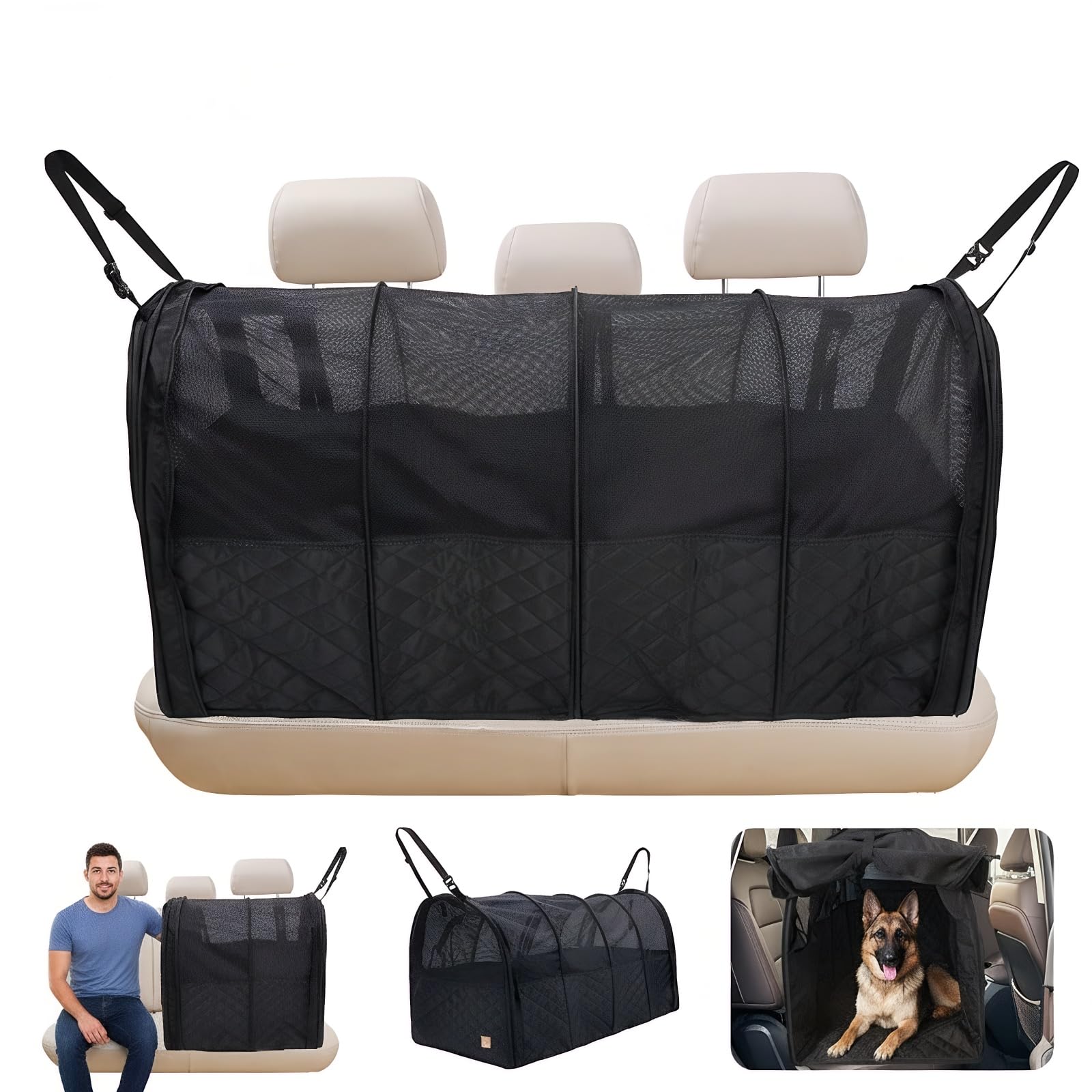
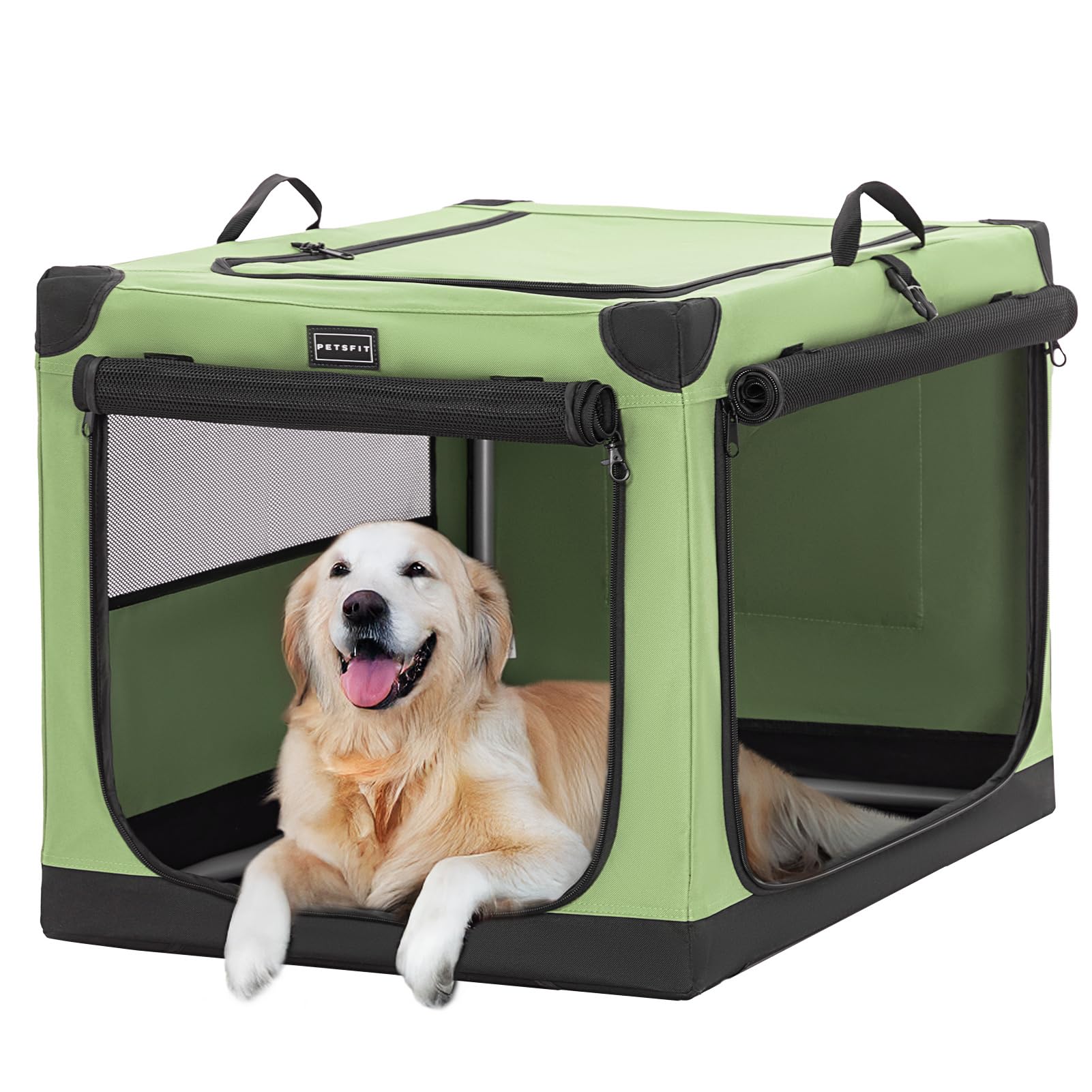
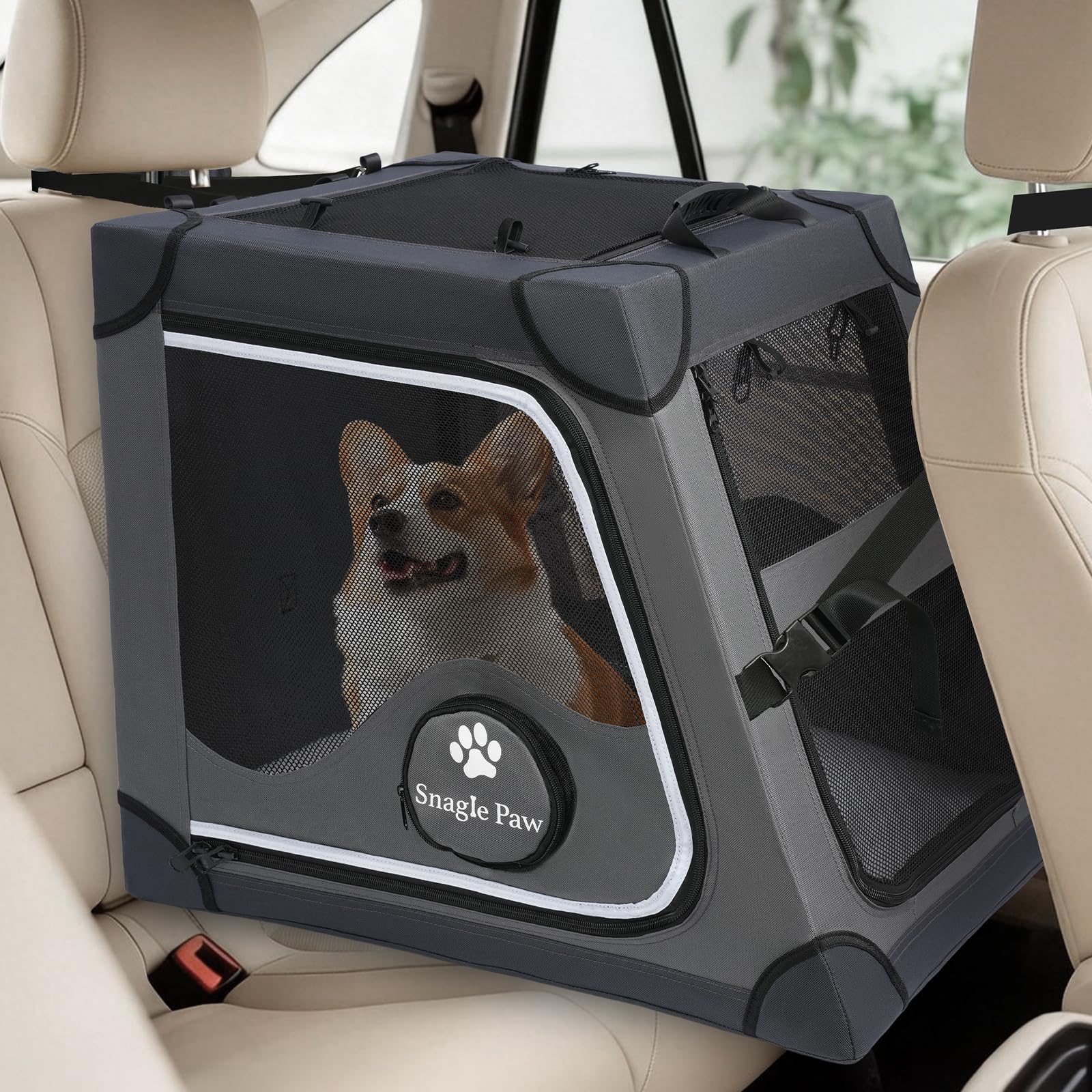
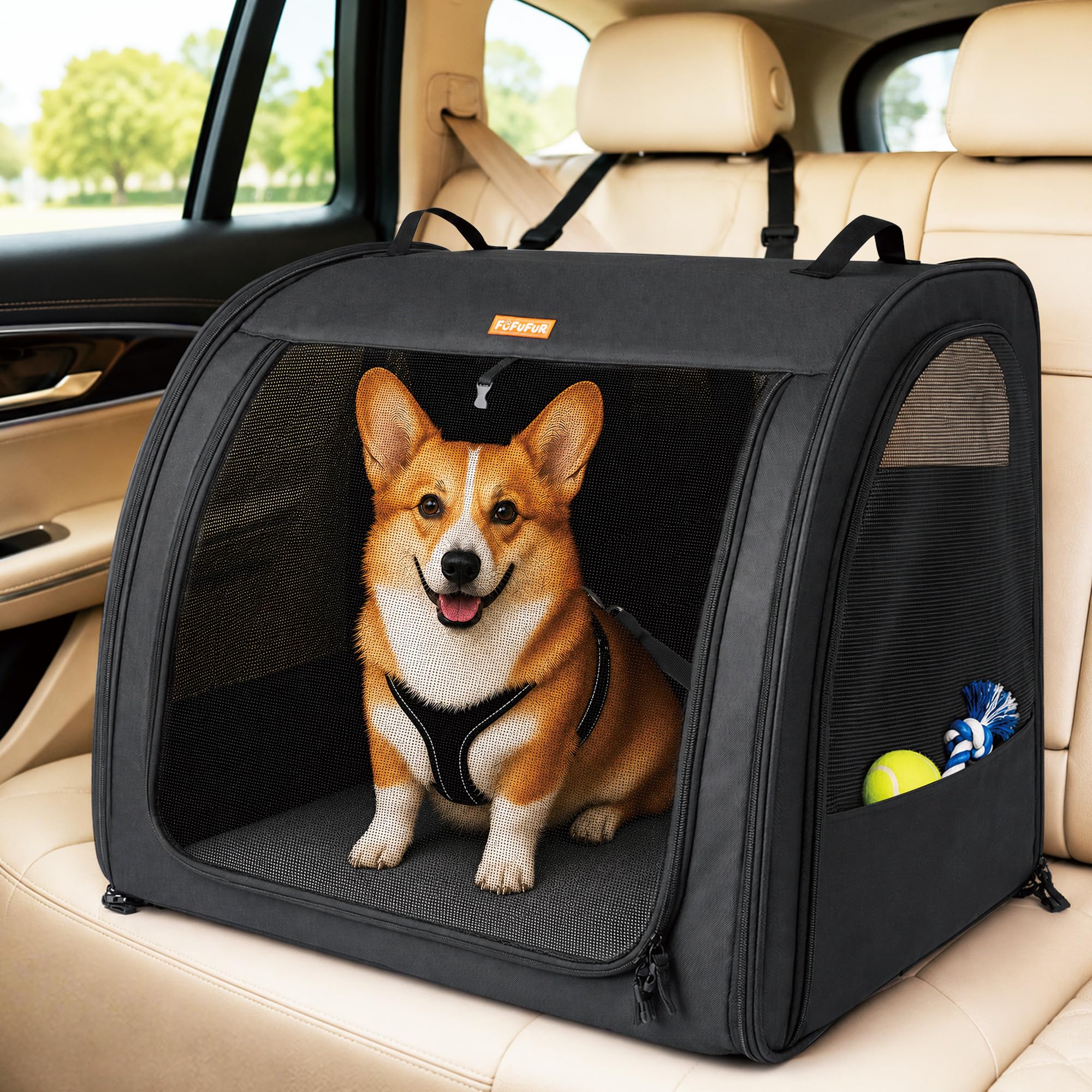
Soft-sided crates are lightweight and easy to fold for storage, making them convenient for smaller dogs and occasional trips, though they typically offer less structural protection than hard-sided or reinforced options.
Size and Fit Considerations
A crate should allow a dog to stand, turn around, and lie down comfortably, but should not be so large that the dog slides around during vehicle movement. Measuring a dog's height and length accurately, then checking that against manufacturer size charts, produces better results than guessing based on breed alone, since individual dogs vary significantly even within the same breed.
- Small dogs under 25 pounds: compact crates generally work well
- Medium dogs 25 to 60 pounds: mid-size crates with secure anchoring
- Large dogs over 60 pounds: larger reinforced or crash-tested crates
Anchoring and Securing the Crate
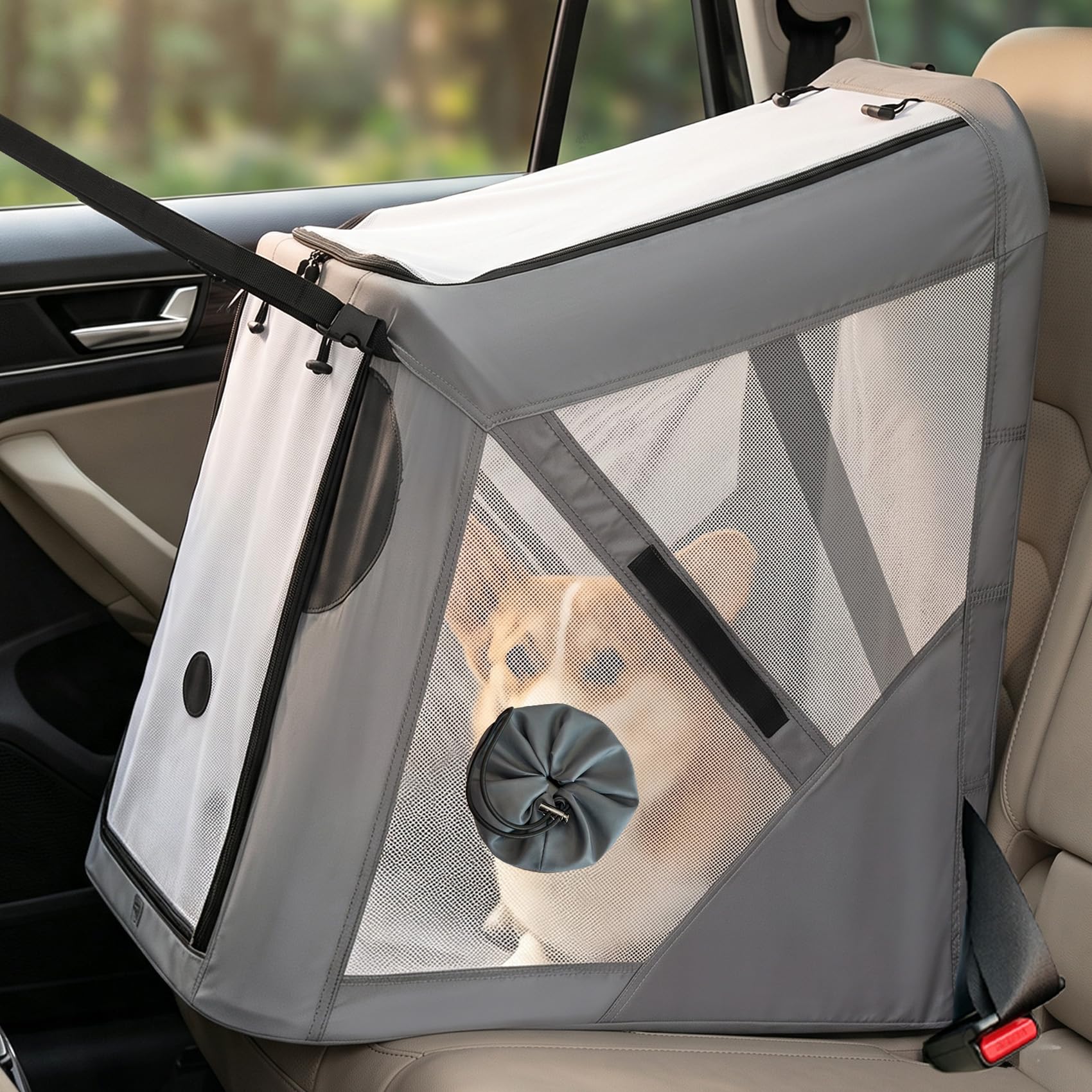
A crate that is not properly secured to the vehicle offers little protective benefit regardless of its own build quality, since it can still shift or become a hazard during sudden movement. Many crates include strap loops or attachment points designed to work with vehicle seat belts or cargo tie-down anchors. Checking that a specific crate's anchoring system is compatible with a particular vehicle's interior before purchase avoids a frustrating mismatch after the crate arrives.
Ventilation and Comfort
Adequate airflow keeps a dog comfortable during travel, particularly in warmer weather or during longer trips, so checking ventilation openings on hard-sided or soft-sided crates matters for overall comfort. Some crates include removable, washable bedding or pads, which adds comfort and simplifies cleanup after messy trips or accidents during travel. Placing a crate away from direct sunlight through a window, when possible within the vehicle layout, also helps prevent overheating during warmer months and long stretches of highway driving.
Ease of Cleaning
Many buyers researching the best dog crates for car travel prioritize easy cleanup just as highly as safety features, since travel crates inevitably encounter shedding, mud, and the occasional accident. Removable trays, wipeable surfaces, and washable liners make routine cleaning far less of a chore than crates without these features. Smooth interior surfaces without hard-to-reach corners also help prevent lingering odors after longer trips.
Cargo Space and Vehicle Fit
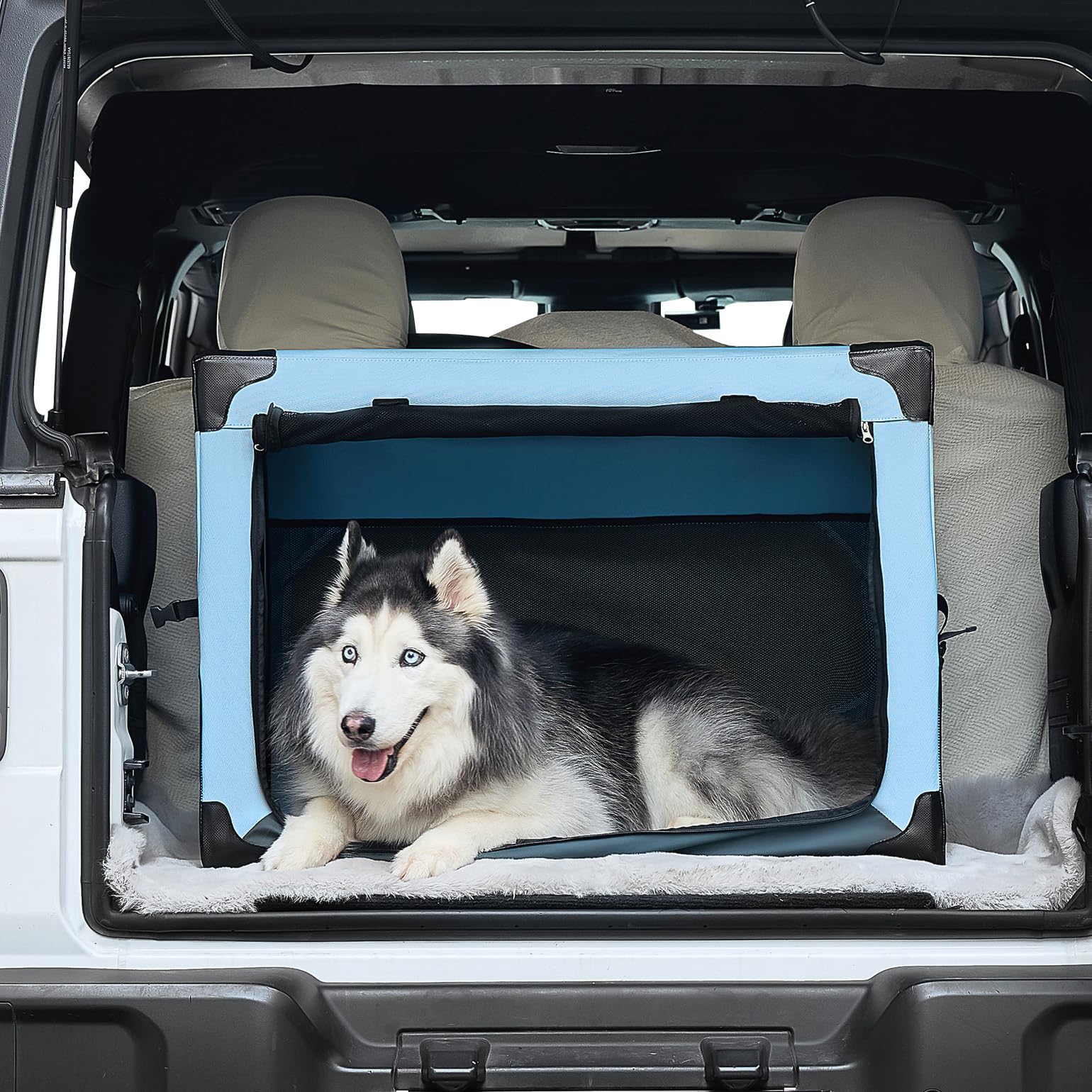
Measuring available cargo or back seat space before buying prevents the frustration of purchasing a crate that does not fit the intended vehicle. Collapsible or foldable crates offer flexibility for owners who need to reclaim cargo space when not traveling with a dog, while non-collapsible reinforced designs generally offer stronger protection at the cost of permanent space usage.
Common Mistakes When Buying
Assuming a crate is crash-tested based on marketing language alone, without checking for a specific verifiable certification, can lead to a false sense of security. Buying a crate too large in an attempt to give a dog more room can actually reduce safety, since excess space allows more movement and impact force during sudden stops. Skipping proper anchoring, even with a high-quality crate, leaves the entire setup vulnerable to shifting during an accident or hard braking.
Budget Expectations
Basic wire and soft-sided crates sit at an accessible price point suitable for calm dogs and shorter trips, while crash-tested hard-sided crates command a higher price reflecting their more rigorous construction and testing. For families that travel frequently with a dog, investing in a genuinely crash-tested crate often represents a worthwhile safety investment beyond the higher upfront cost. Comparing warranty coverage and manufacturer reputation alongside price can also help identify a crate that offers solid long-term value rather than one that only appears inexpensive at first glance.
Helping a Dog Adjust to Crate Travel
Introducing a crate gradually at home before the first car trip helps a dog build positive associations rather than only experiencing the crate during potentially stressful travel. Short practice drives, paired with treats and calm reassurance, can ease anxiety for dogs unfamiliar with vehicle travel. Placing familiar bedding or a favorite toy inside the crate also helps create a sense of comfort and security during longer trips away from home.
Frequently Asked Questions
Are all pet travel crates crash-tested?
No, crash testing is not a universal requirement, so checking for a specific, verifiable certification from an independent testing organization is necessary rather than assuming all crates marketed for travel meet this standard.
Should a dog crate be secured with a seat belt?
Many crates include attachment points designed to work with vehicle seat belts or cargo anchors, and properly securing the crate significantly improves its protective value during sudden stops or collisions.
What size crate is appropriate for car travel?
A crate should allow a dog to stand, turn around, and lie down comfortably without excessive extra space that allows sliding or shifting during vehicle movement.
Are soft-sided crates safe for car travel?
Soft-sided crates generally offer less structural protection than hard-sided or crash-tested alternatives, making them better suited to calm dogs on shorter, lower-risk trips.
Can a crate that fits a dog at home also work well in a car?
Not always, since car crates need to fit both the dog and the specific vehicle's cargo or seat space, along with secure anchoring options that a home crate may not require.
The best dog crates for car travel combine verified crash-test construction, a properly fitted size, and secure anchoring to the vehicle for genuine safety benefit. Taking the time to measure both the dog and the available vehicle space, while checking for real safety certifications, leads to a far more protective and comfortable travel setup.
Related reading: best dog crates and best dog food.