Best Automatic Pet Feeder: A Complete Buying Guide
Disclosure: We may earn a commission when you buy through links on this page, at no extra cost to you. As an Amazon Associate I earn from qualifying purchases. Learn more

Finding the best automatic pet feeder for your home starts with figuring out how your pet actually eats, not just which model has the most features. A cat that grazes all day has very different needs than a dog that inhales a bowl in thirty seconds, and a household with two pets on different diets needs a feeder that can keep their portions separate. The right unit should fit your daily routine, hold enough food for the trips you actually take, and keep working even when the power blinks off. This guide breaks down the practical differences between feeder types, how to size one for your household, and what tends to go wrong so you can shop with a clearer picture of what matters.

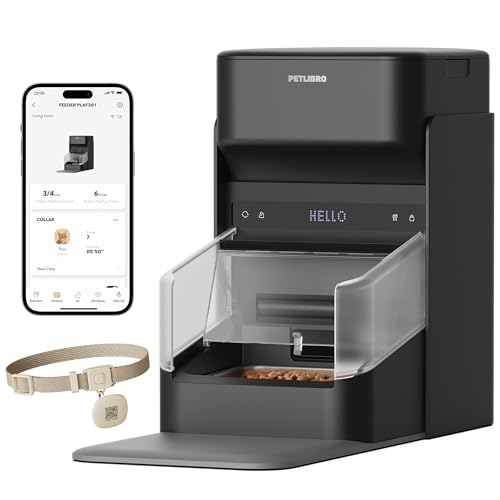
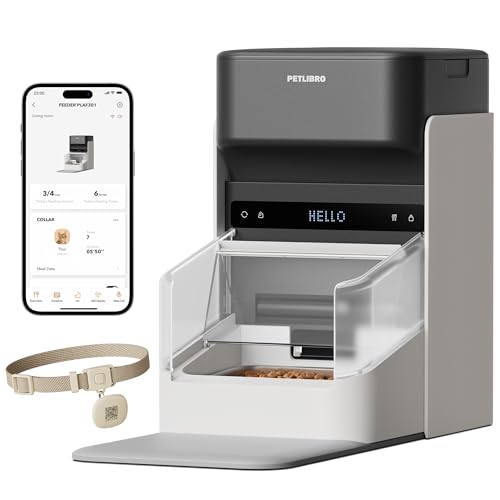
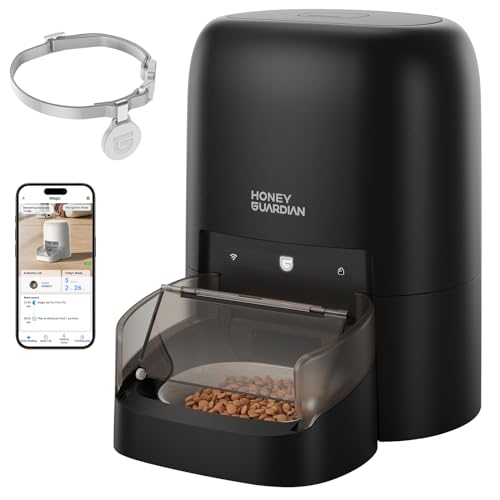
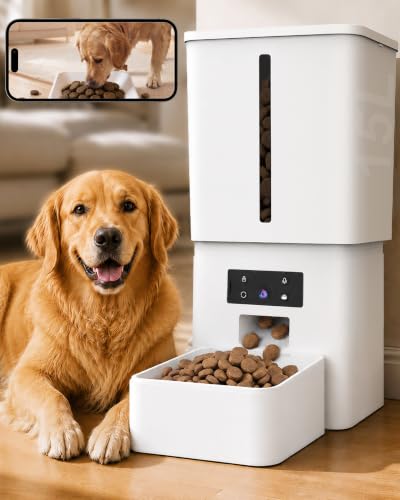
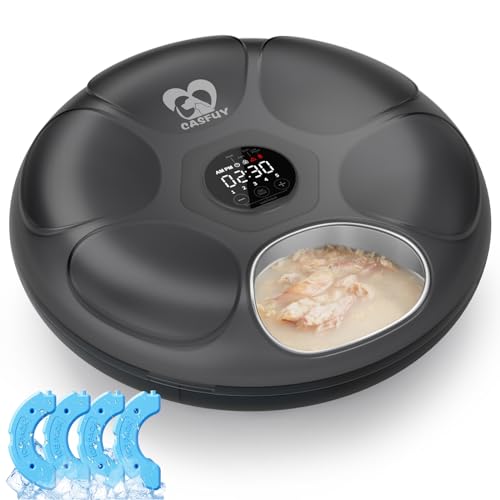
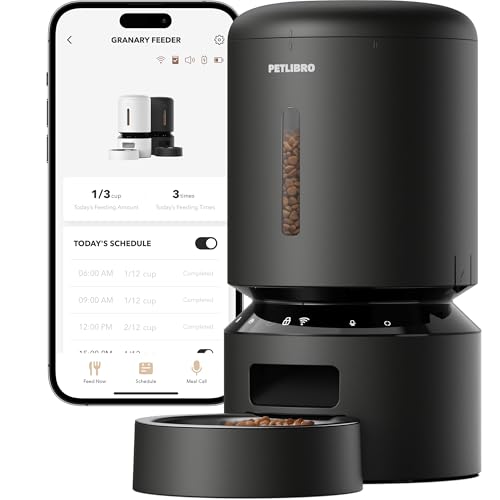
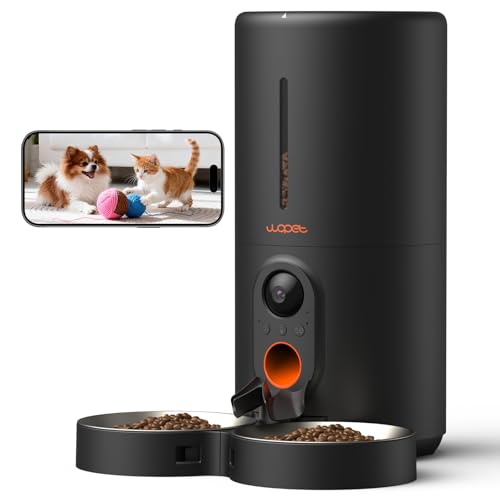
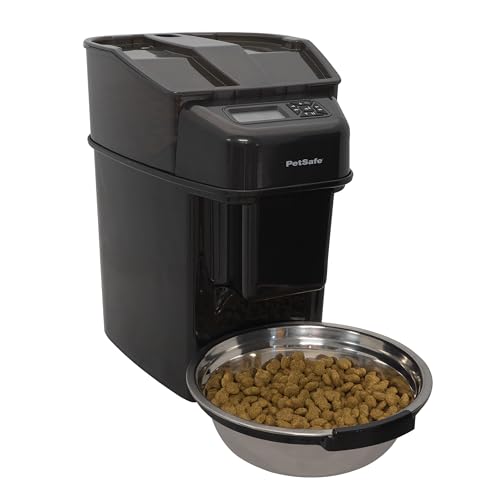
Portion Accuracy and Scheduling Flexibility
Every automatic feeder claims to dispense precise portions, but accuracy varies a lot between models. Auger-driven feeders (the ones with a rotating screw that pushes kibble through a chute) tend to measure more consistently than simple gravity or flap-style units, especially with small or irregularly shaped kibble. If your pet is on a vet-recommended diet or needs to lose weight, that consistency matters more than any other spec on the list.
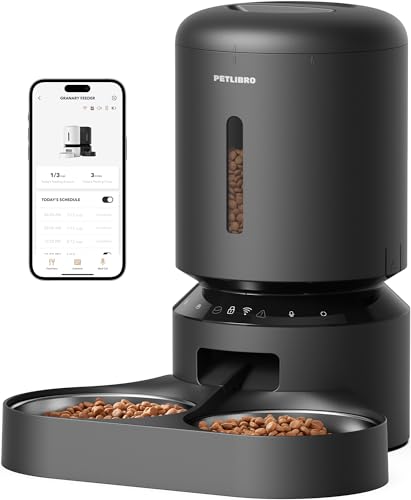
Look for a feeder that lets you set multiple meals per day and adjust portion size independently for each one, rather than a single fixed amount repeated on a timer. Many current models pair with a phone app so you can nudge a feeding time, add an extra snack, or skip a meal remotely without touching the unit itself. A physical button for a manual "feed now" trigger is worth having too, since app control is only useful when your Wi-Fi is actually cooperating.
Gravity, Programmable, and Camera-Equipped Feeders Compared
Gravity feeders are the simplest option: a hopper feeds food into a bowl by gravity as your pet eats, refilling automatically. They're inexpensive and reliable, but they offer no portion control, which makes them a poor fit for pets who overeat when food is available.
Programmable Feeders
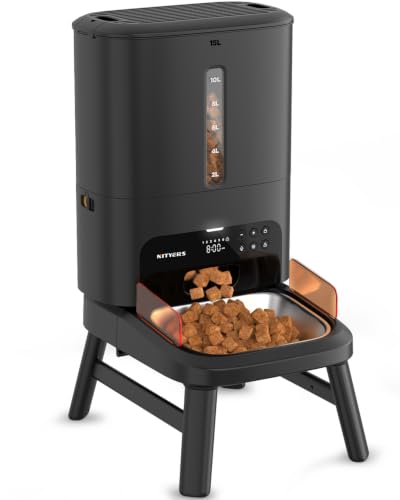
Programmable feeders use a motor to release a set amount of food at scheduled times. This is the category most shoppers picture when they search for the best automatic pet feeder, and it strikes a reasonable balance between cost, control, and reliability for single-pet or two-pet homes.
Camera and App-Connected Feeders
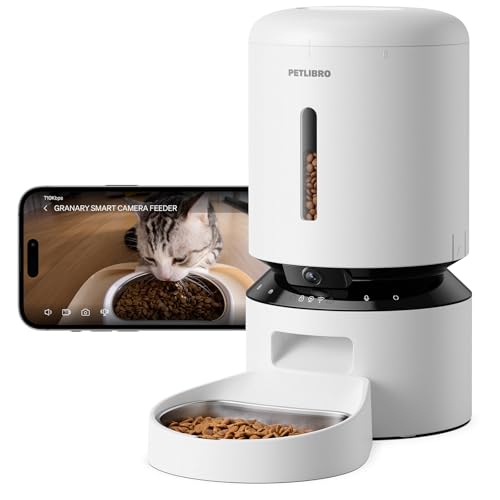
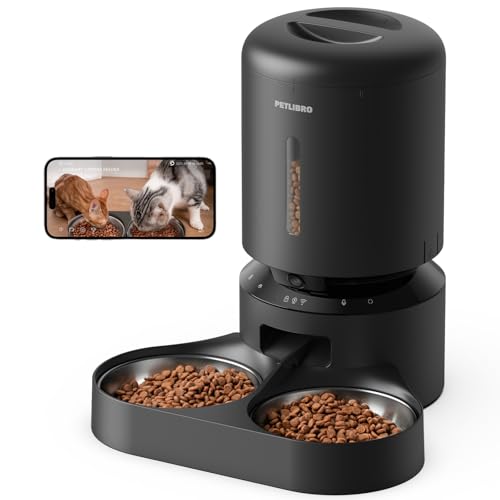
The newest feeders add a built-in camera, two-way audio, and app notifications, letting you watch your pet eat and talk to them from your phone. These are genuinely useful if you travel often or work long hours, and pairing one with a dedicated pet camera elsewhere in the house gives you a fuller view of what your pet is up to while you're gone. The tradeoff is a higher price and one more device that needs a stable Wi-Fi connection to work as advertised.
Matching Hopper Size to Your Household
Hopper capacity is usually listed in liters, cups, or pounds of dry food, and it's easy to either overbuy or underbuy if you're not translating that into your actual routine. A single cat eating twice a day can often go a full week or more on a small hopper, while two large dogs on a measured diet will empty the same hopper in a couple of days.
If you travel occasionally and want a buffer beyond a normal feeding schedule, size up rather than sticking to the bare minimum your pet eats daily. Multi-pet households sometimes pair a feeder with other automated pet-care gear, including a self-cleaning litter box, so the whole setup can run for several days unattended without extra chores piling up. Just remember that most feeders are built for dry kibble; wet or semi-moist food will spoil in a hopper and generally needs a different solution, like a chilled or timed wet-food dispenser.
Keeping the Feeder Clean and Jam-Free
Kibble dust and oil residue build up inside the hopper and dispensing chute over time, which is the most common cause of feeders sticking or jamming. Wipe down the chute and bowl weekly, and give the hopper a full clean with mild soap every few weeks, drying it completely before refilling so moisture doesn't clump the food.
Large or irregularly shaped kibble is more prone to jamming in narrow augers than small round pieces, so check a feeder's recommended kibble size before you buy if your pet eats a large-breed or unusually shaped food. Keeping the hopper less than completely full also reduces pressure on the dispensing mechanism and cuts down on jams significantly.
What Happens When the Power Goes Out
A feeder that only runs on a wall outlet is a gamble the moment your power flickers, which is exactly when your pet still needs to eat on schedule. Battery backup is the feature that separates a dependable best automatic pet feeder pick from one that leaves you scrambling. Most battery-backed models will keep dispensing food on schedule using stored battery power even with the outlet dead, though Wi-Fi and app notifications typically shut off to conserve power until the connection is restored.
Check the battery type and how long it's rated to run the unit on its own; some feeders need batteries purchased separately, so it's worth installing a fresh set as soon as you unbox the feeder rather than waiting for the first outage to find out they're missing. An anti-jam sensor that detects a stuck auger and reverses briefly before retrying is another safety feature worth having, since a silent jam can mean a missed meal even with full battery power.
Frequently Asked Questions
How many meals a day can an automatic feeder handle?
Most programmable feeders support anywhere from one to six scheduled meals daily, with portion sizes set independently for each. Check the exact number before buying if you feed on an unusual schedule.
Can one feeder work for two pets that eat different amounts?
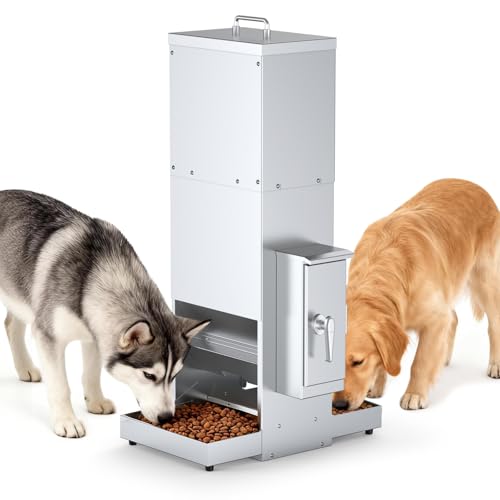
Some feeders include a divided bowl or dual dispensers for two pets, but portion control still applies to the whole unit, not per pet. If your pets need very different diets, separate feeders are usually more reliable.
Is wet food safe to use in an automatic feeder?
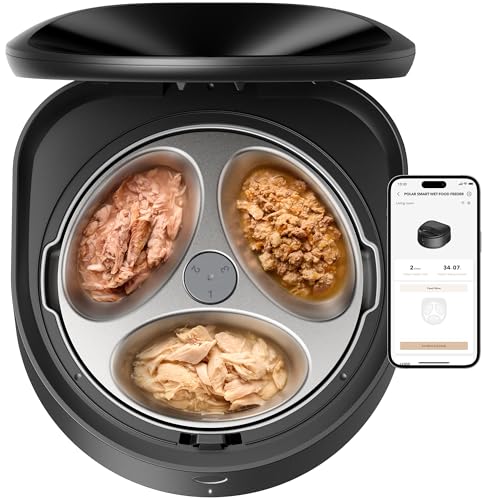
Standard hopper feeders are designed for dry kibble and will let wet food spoil at room temperature. If you feed wet food, look for a feeder built specifically for it, often with a small chilled or ice-pack compartment.
How loud are automatic feeders when they dispense food?
Most models make a brief mechanical whir or click during dispensing, similar to a small motor running for a few seconds. Nervous pets can sometimes be startled at first, so placing the feeder somewhere they already feel comfortable helps.
Do these feeders need Wi-Fi to work?
No. Core scheduling and dispensing run on the feeder's internal clock and battery, so it keeps feeding your pet on time even without an internet connection. Wi-Fi is only needed for app control, remote notifications, and camera streaming.
How often should the hopper and bowl be cleaned?
Wipe the bowl and dispensing chute weekly, and do a deeper clean of the hopper every two to four weeks depending on humidity and how oily the kibble is. Regular cleaning is the single biggest factor in preventing jams.
Will an automatic feeder stop my pet from begging or overeating?
A feeder with accurate portion control can reduce free-feeding and help manage weight, but it won't change learned begging behavior on its own. Consistent scheduling combined with not hand-feeding extra snacks tends to work better than the feeder alone.
Making the Right Call for Your Pet
The right feeder comes down to matching portion accuracy, hopper size, and backup power to how your household actually runs day to day, not to whichever model has the longest feature list. A simple programmable unit covers most single-pet homes well, while multi-pet or frequent-travel households usually get more value from app control and a larger hopper. Whatever you choose, prioritize reliable dispensing and easy cleaning over flashy extras your pet will never notice.