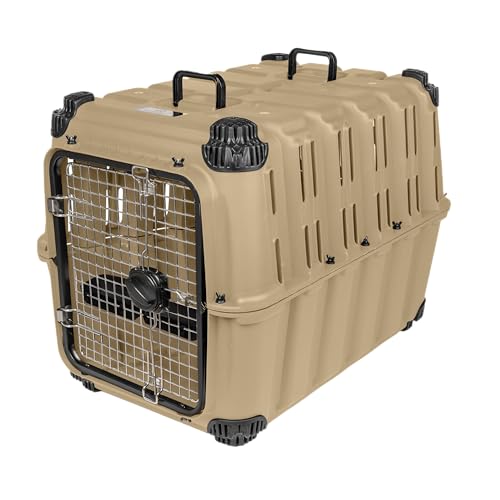
The Best Large Dog Crates for 2026
Disclosure: We may earn a commission when you buy through links on this page, at no extra cost to you. As an Amazon Associate we earn from qualifying purchases. Learn more
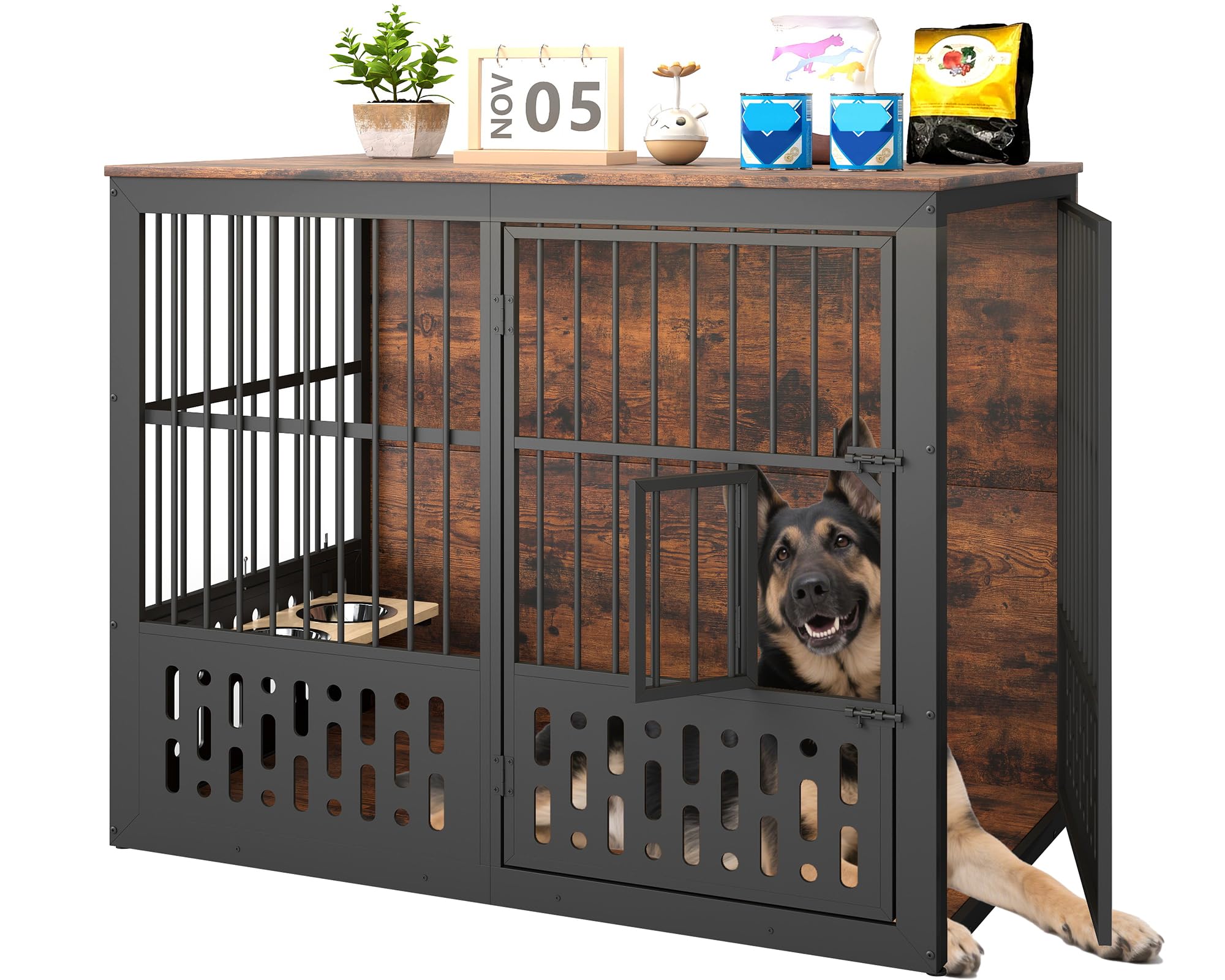
A guide to sizing, construction types, and setup for large dog crates, covering comfort and common shopping mistakes.
Picking the best large dog crates starts with the dog, not the crate. A crate needs to give a large breed enough room to stand, turn around, and stretch out fully, while still fitting through doorways and into the space set aside for it at home. Material choice, door design, and portability all shift depending on whether the crate stays in one room permanently or travels for vet visits and road trips. This guide covers sizing math, construction types, and the setup details that make crate training easier for both dog and owner.




Getting the Size Right
A crate that is too small cramps a dog's movement, while one that is too large can undermine den style comfort and make house training harder for puppies. The standard sizing method measures a dog from nose to base of tail, then adds a few inches for comfortable standing and turning room.
How to Measure a Large Breed
- Measure length from nose tip to base of tail while standing
- Measure height from floor to top of head or ears, whichever is taller
- Add four to six inches to both measurements for the final crate size
- Check manufacturer weight ratings against the dog's adult weight, not current weight for growing puppies
Large and giant breeds often need crates in the 42 to 54 inch length range, and it helps to check breed growth charts before buying for a puppy that has not reached full size yet.
Construction Types and Their Tradeoffs
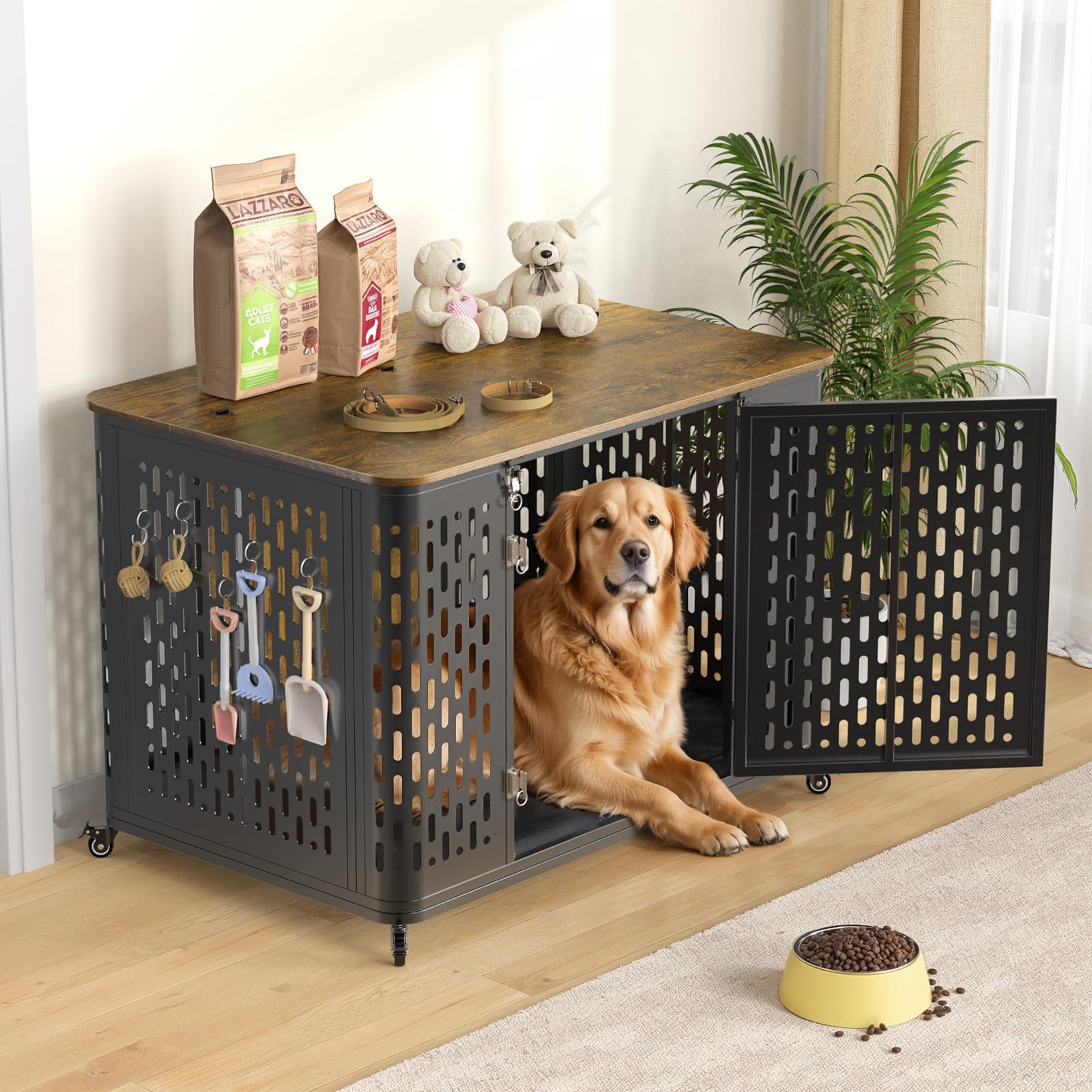
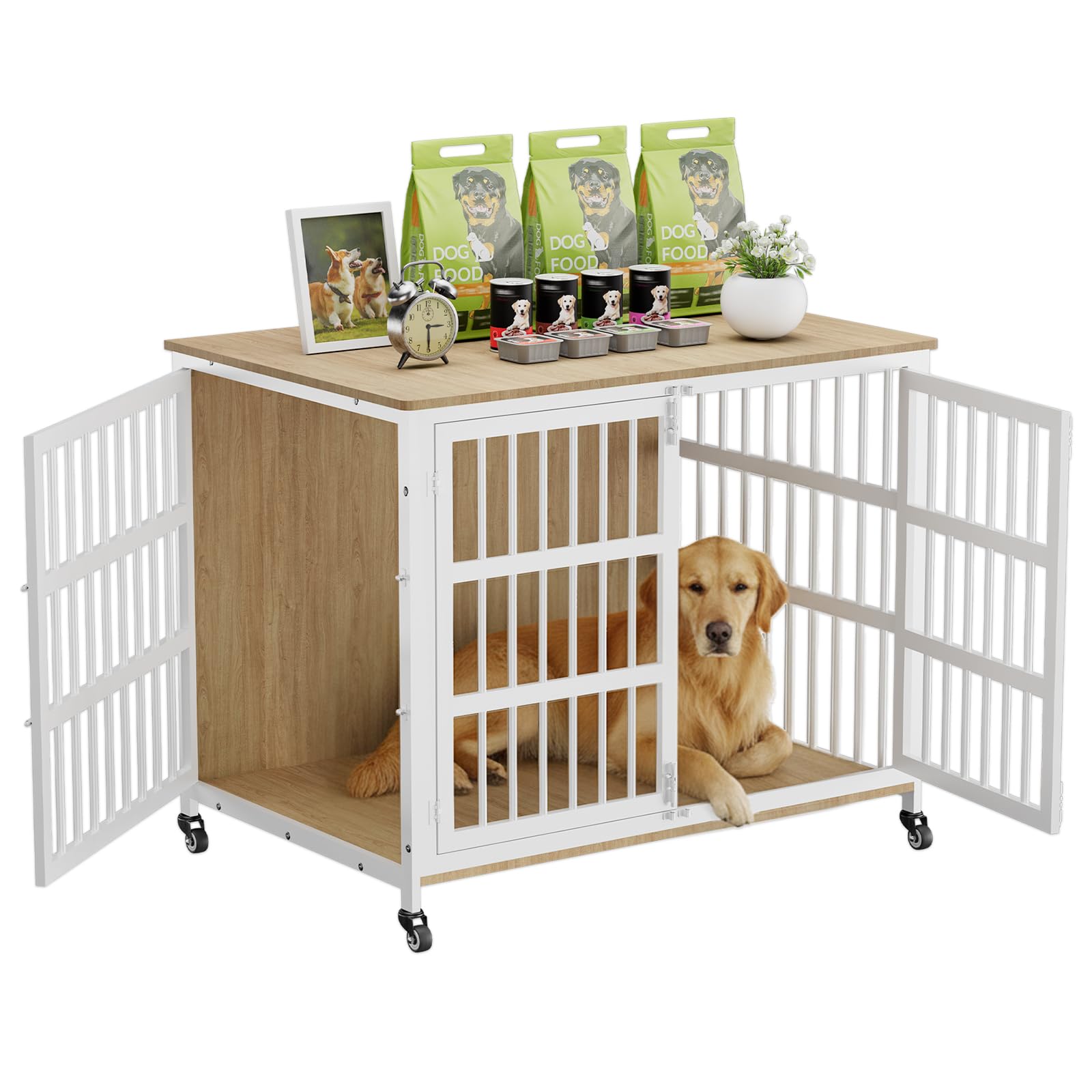
Wire crates dominate the market for large dogs because they balance visibility, airflow, and price. A dog can see its surroundings, which some find reassuring, though others do better with the enclosed feel of a covered or plastic crate during the adjustment period.
Wire Crates
Foldable wire designs make storage and transport easier between rooms or vehicles. Look for reinforced corners and a secure double door latch, since strong or anxious dogs can work a weak latch loose over time.
Heavy Duty and Escape Proof Options
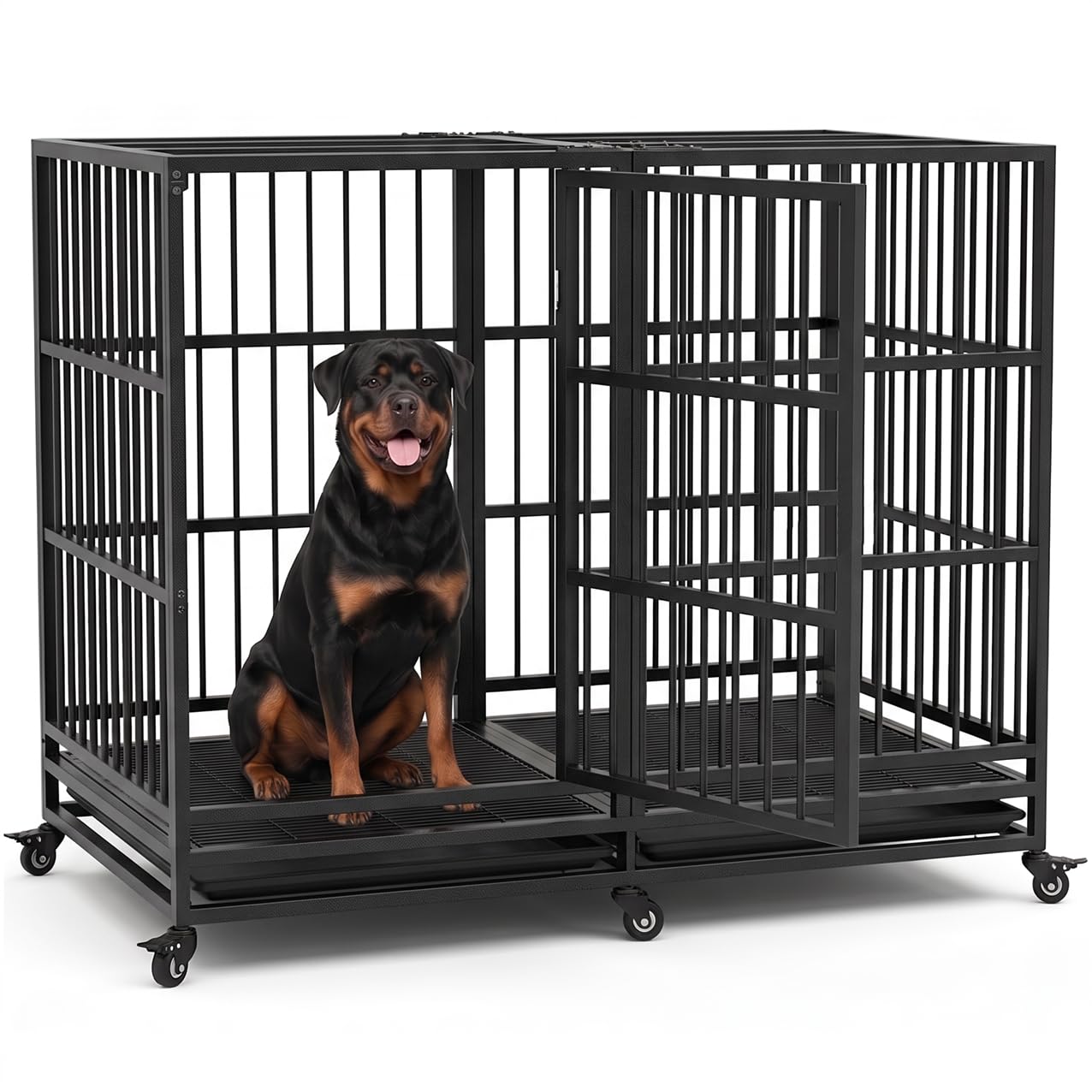
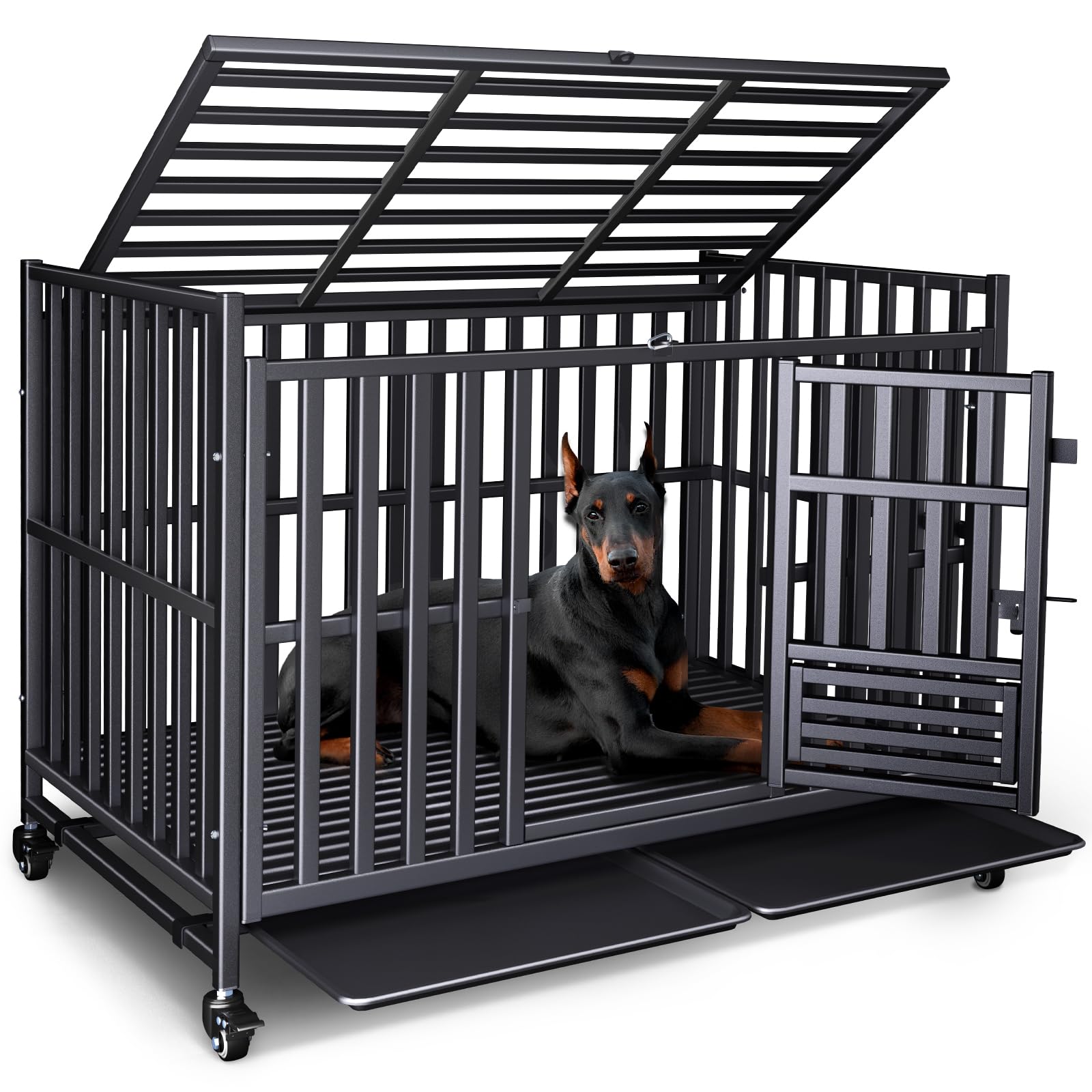
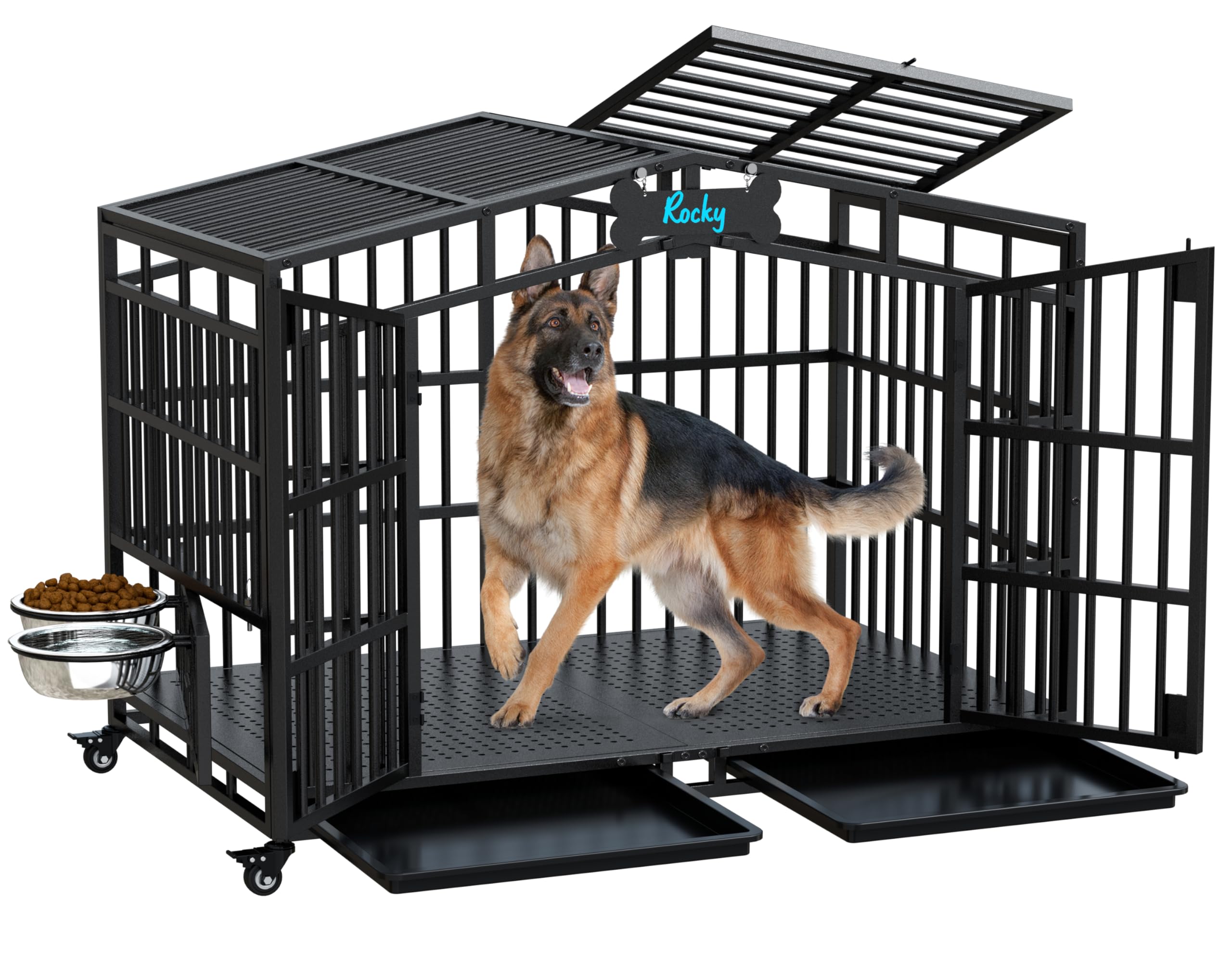
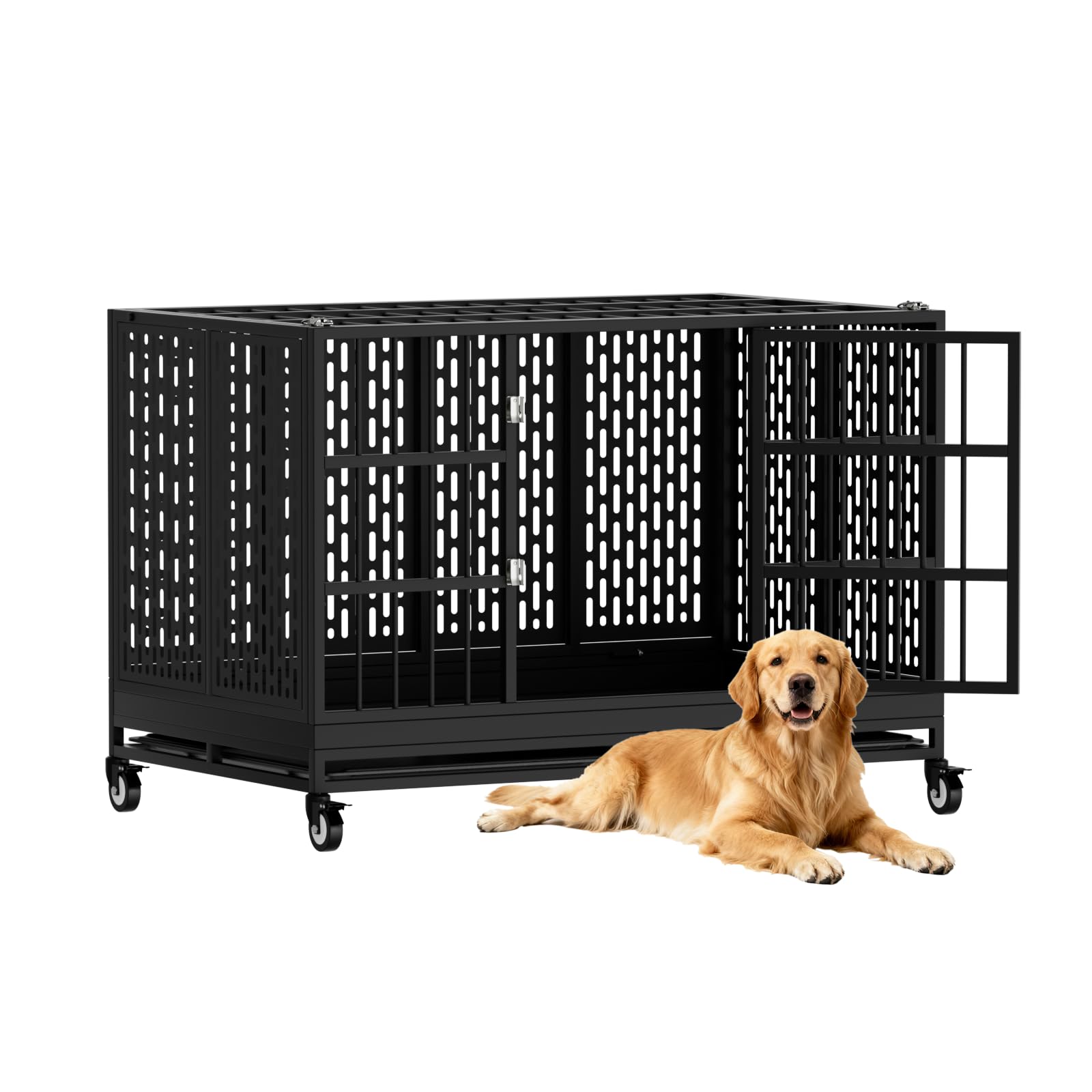
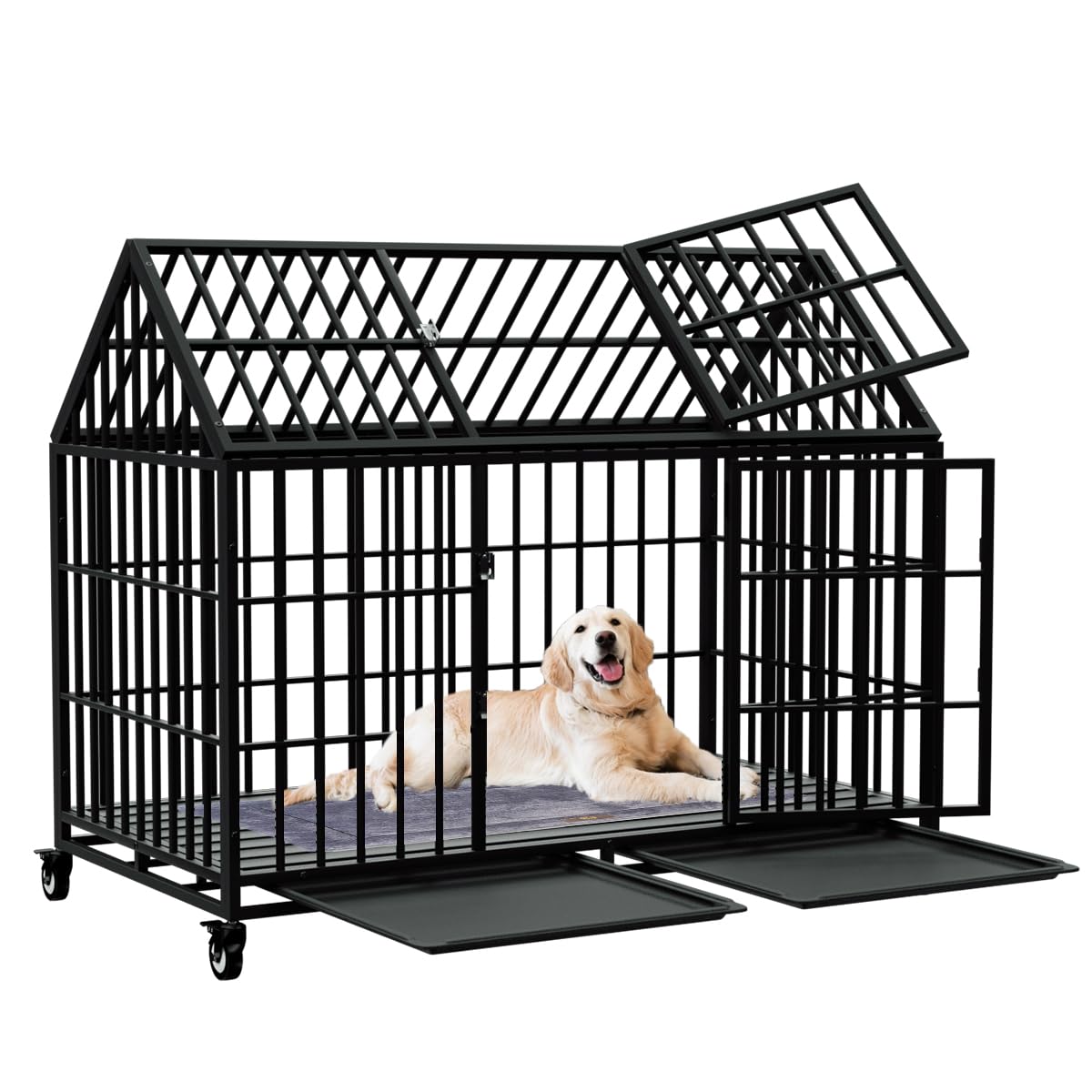
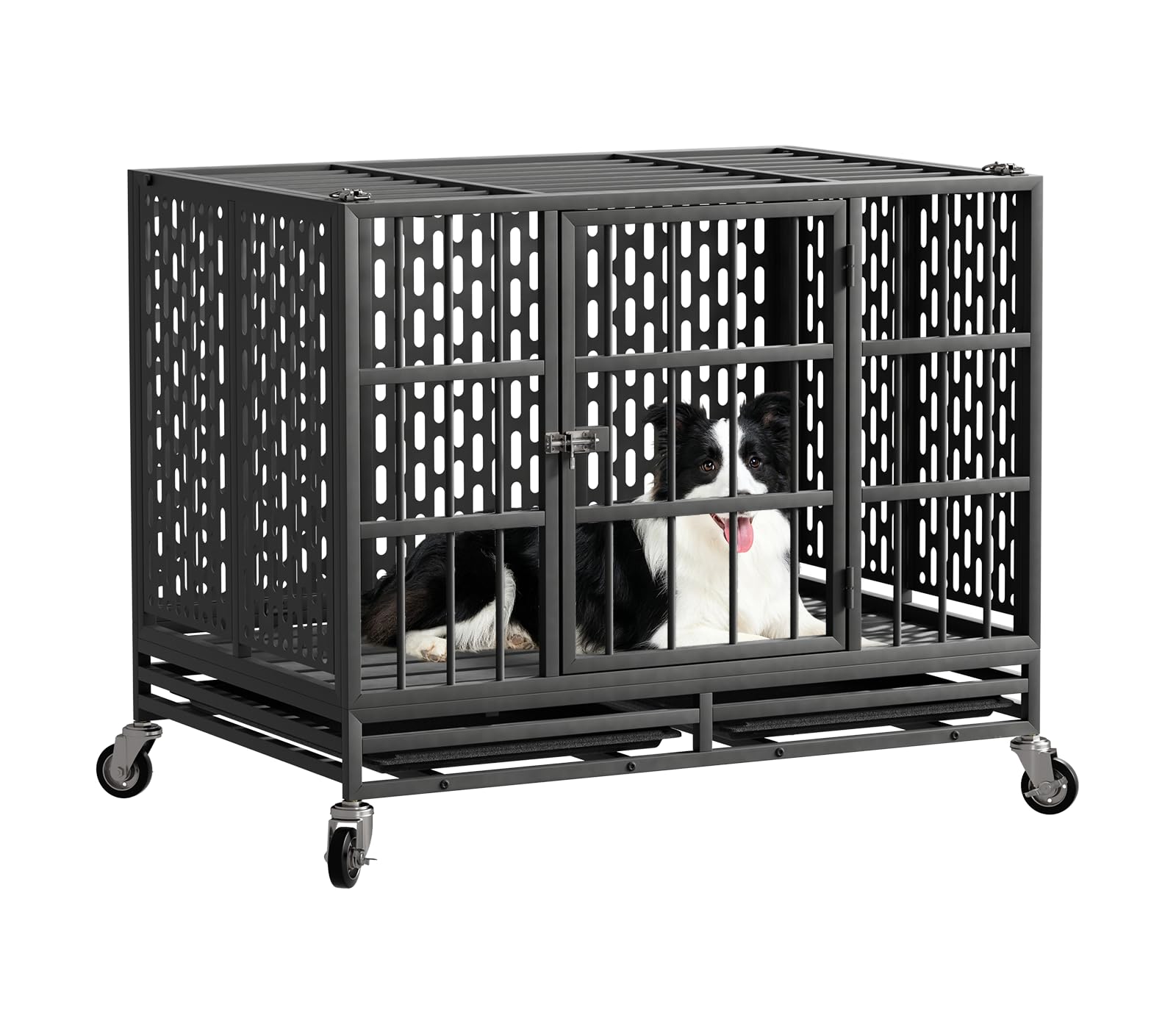
Dogs that chew, dig, or repeatedly attempt to escape standard wire crates often need a heavy gauge steel option with reinforced welds and tamper resistant locks. These crates cost more but hold up against determined large breeds that would bend or break a standard wire frame.
Soft Sided and Travel Crates
Soft sided crates suit calm, well trained dogs for short trips but are not appropriate as a primary containment option for a dog still working on crate manners, since fabric walls offer no real resistance to scratching or chewing.
Portability and Storage Considerations
Large dog crates take up meaningful floor space, and not every household needs one permanently assembled in every room. Foldable wire models collapse relatively flat for storage in a closet or garage between uses, which matters for renters or smaller homes with limited square footage.
| Crate Type | Best For |
|---|---|
| Standard wire, foldable | Everyday home use with occasional travel |
| Heavy duty steel | Dogs prone to chewing or escaping |
| Soft sided | Calm dogs on short trips or at events |
Vehicles add another layer of consideration. A crate that fits comfortably in a spare bedroom might not fit through a car door or trunk opening, so measuring the intended vehicle space matters just as much as the room at home.
Comfort Features That Make a Difference
A bare metal tray gets uncomfortable quickly for a dog spending real time in a crate. Padded mats or crate specific bedding designed to resist chewing add comfort without the safety risk of loose blankets that could bunch up or be pulled apart. Most listings of best large dog crates now include a compatible mat or pad in the box, but checking the dimensions against the crate floor still avoids an awkward fit.
Divider panels help during the puppy stage, allowing the crate to shrink temporarily as a young dog grows, which supports house training by keeping the usable space snug rather than oversized. Removing the divider later turns the same crate into a properly sized home for the adult dog.
Ventilation and sightlines also affect comfort over long stretches of time. A crate with generous wire spacing or mesh panels on multiple sides keeps air moving and lets a dog see family members nearby, which tends to reduce anxious behavior compared to a crate with only one open side.
Setting Up a Crate for Success
Placement affects how quickly a dog accepts a new crate. A quiet corner away from heavy foot traffic, but still within sight of family activity, tends to work better than an isolated room where a dog feels cut off entirely.
Introducing the crate gradually, with meals and treats offered inside during the first days, builds a positive association faster than leaving a dog confined for long stretches right away. Large breed dogs, in particular, can associate a crate with confinement stress if the introduction happens too fast.
Flooring underneath the crate also affects comfort and stability. A rubber mat or non slip pad placed beneath the crate keeps it from sliding on hardwood or tile floors, and it protects flooring from scratches caused by a large dog shifting position throughout the day.
Consistency in routine speeds up acceptance as well. Feeding meals at the same time near or inside the crate, along with a predictable schedule for crate time versus free roaming time, helps a large breed settle into the new arrangement without confusion.
Common Mistakes When Choosing a Crate
- Sizing based on a puppy's current size instead of projected adult size
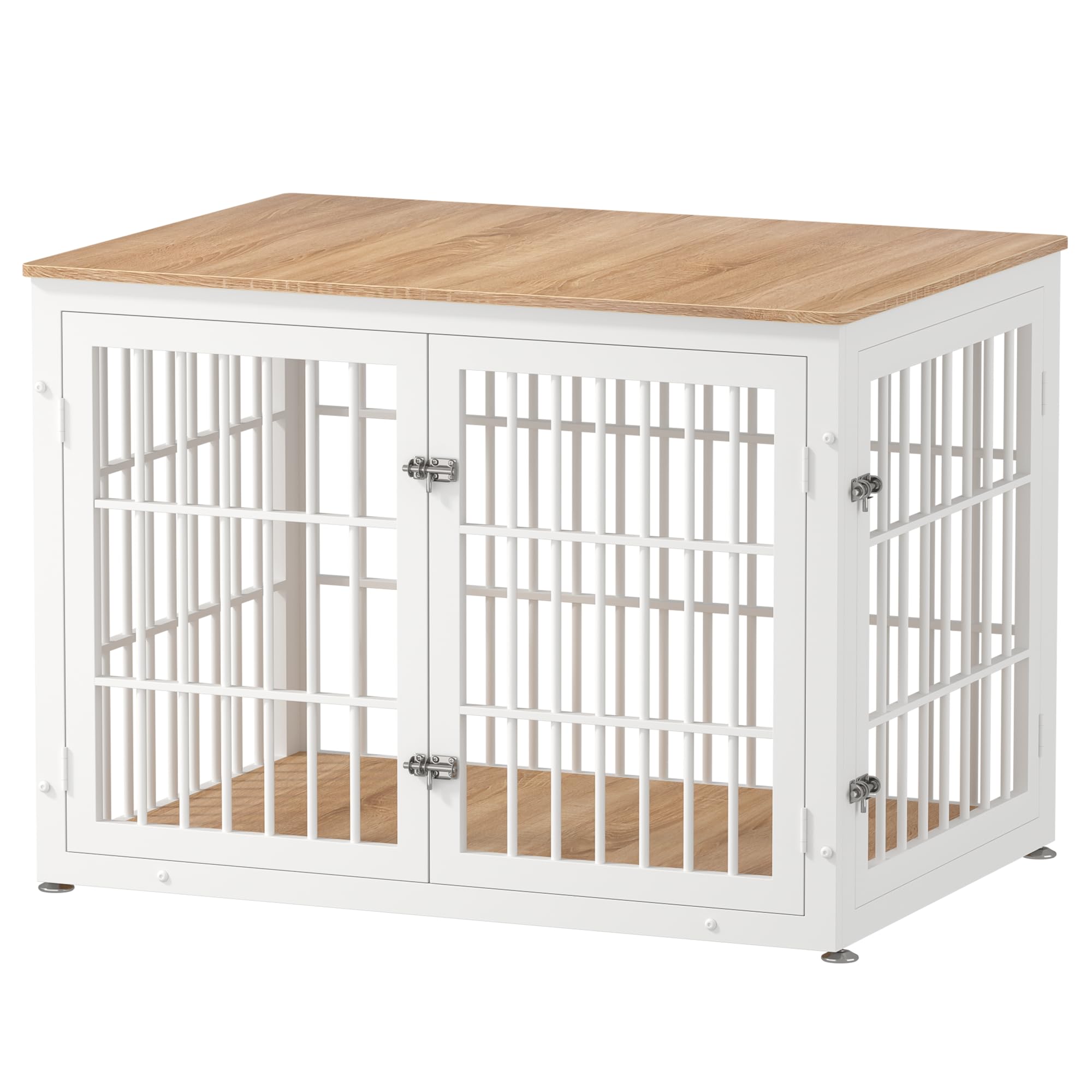
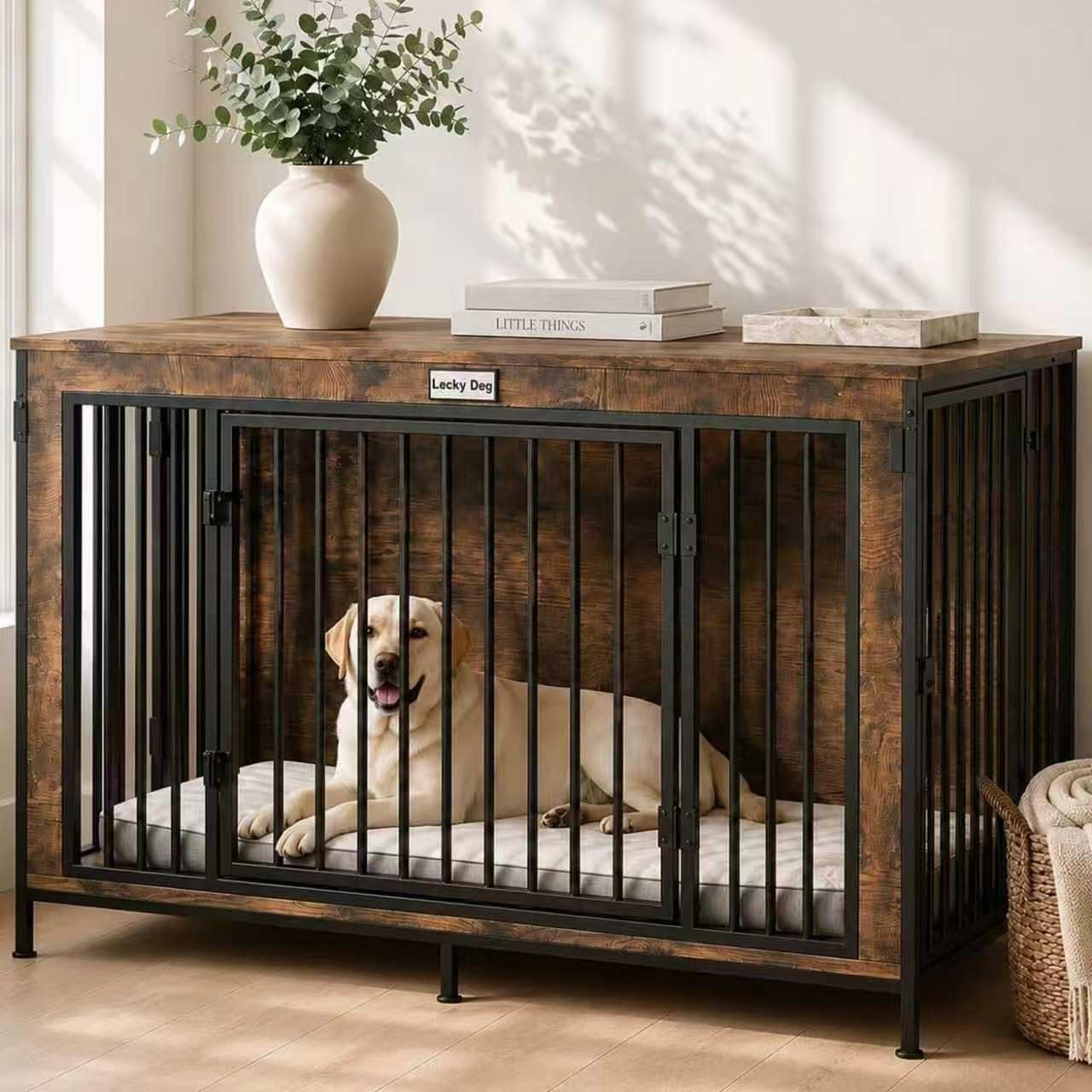
- Choosing a decorative option over a securely latching door for strong chewers
- Skipping weight capacity checks for heavy or giant breeds
- Placing the crate somewhere too isolated from daily household activity
Frequently Asked Questions
How much room does a large dog actually need in a crate?
Enough to stand fully upright, turn around without touching the sides, and lie down stretched out. Adding four to six inches beyond body measurements usually achieves this.
Are wire crates strong enough for large breeds?
Standard wire crates work well for most large dogs, though determined chewers or escape artists often need a heavy duty steel option with reinforced latches.
Should a divider panel be used for a large breed puppy?
Yes, a divider panel is useful. It keeps the usable space appropriately sized while a puppy grows, then can be removed once the dog reaches full size.
Is crate training stressful for large dogs?
It does not have to be. A gradual introduction with positive reinforcement, rather than sudden long confinement, generally leads to a comfortable adjustment for most large breeds.
How long can a large dog stay in a crate at once?
Adult dogs generally tolerate three to four hours between bathroom breaks, though this varies with age, health, and activity level. Extended daily confinement without breaks is not recommended for physical or behavioral wellbeing.
Final Thoughts
The best large dog crates match a dog's actual size, temperament, and household routine rather than the flashiest features on a listing. Getting the dimensions right, choosing construction suited to the dog's habits, and setting up the space thoughtfully all contribute more to long term success than price alone. A well chosen crate becomes a comfortable retreat rather than a source of daily struggle for both dog and owner.
Related reading: best dog crates and best dog crates for car.