The Best Dog Crates for Puppies in 2026
Disclosure: We may earn a commission when you buy through links on this page, at no extra cost to you. As an Amazon Associate we earn from qualifying purchases. Learn more
A practical guide to choosing a puppy crate by size, material, and features that support house training.
A crate becomes a puppy's den, a training tool, and a safe space all at once, which makes choosing the right one worth real consideration rather than grabbing whatever is cheapest. Finding the best dog crates for puppies means understanding sizing for growth, material safety, and how the crate supports house training rather than working against it. This guide covers what actually matters when selecting a crate for a growing puppy.



Sizing for a Growing Puppy
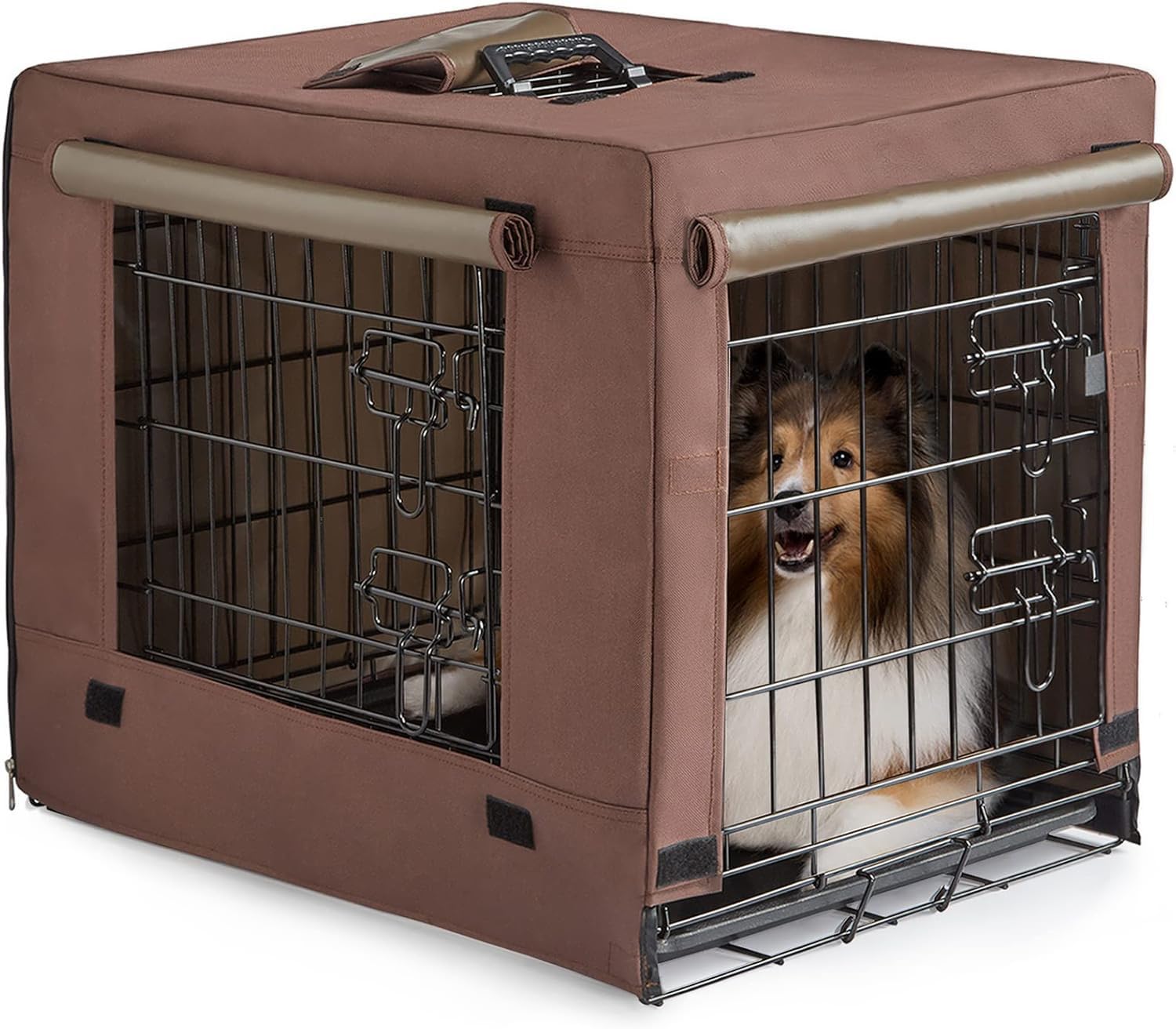
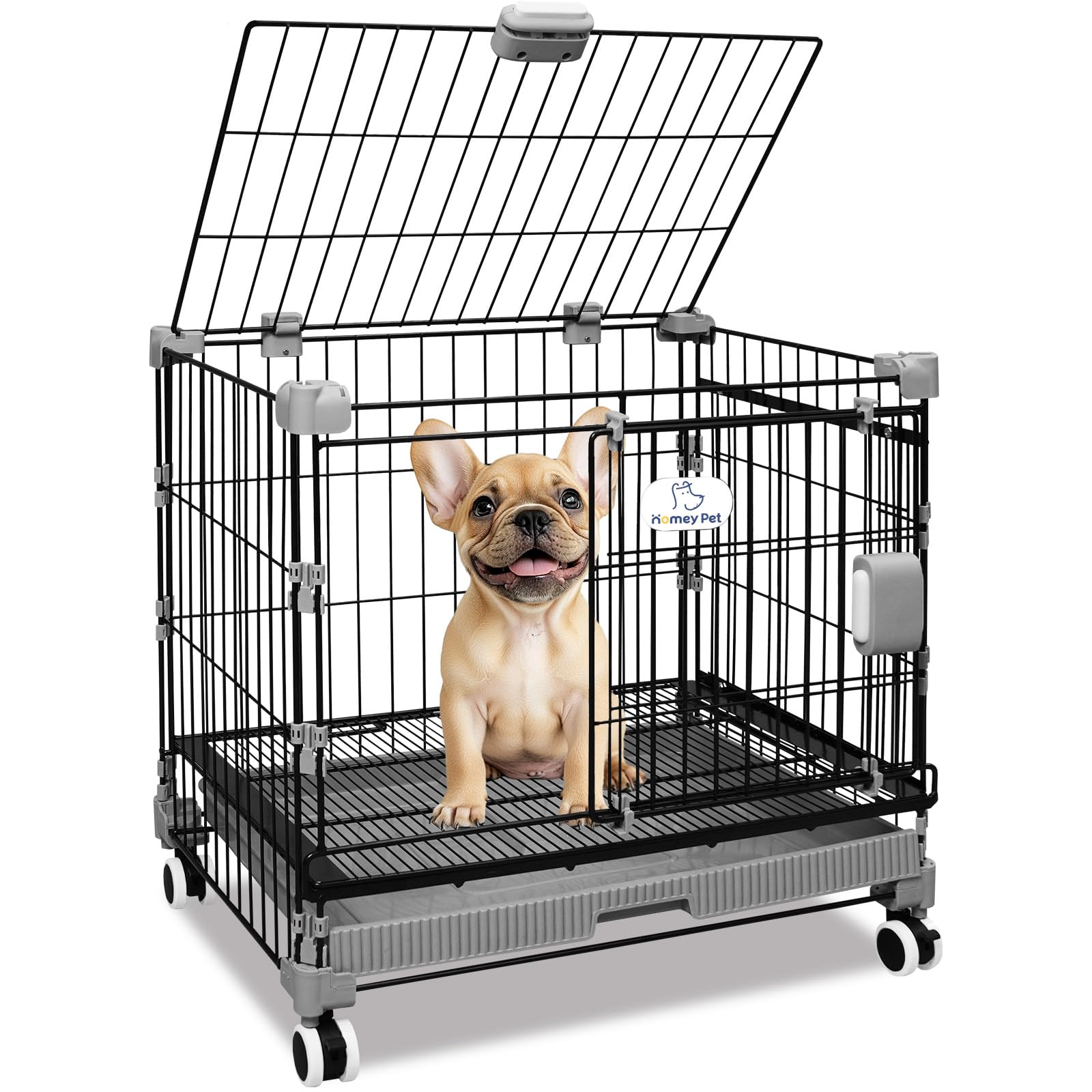
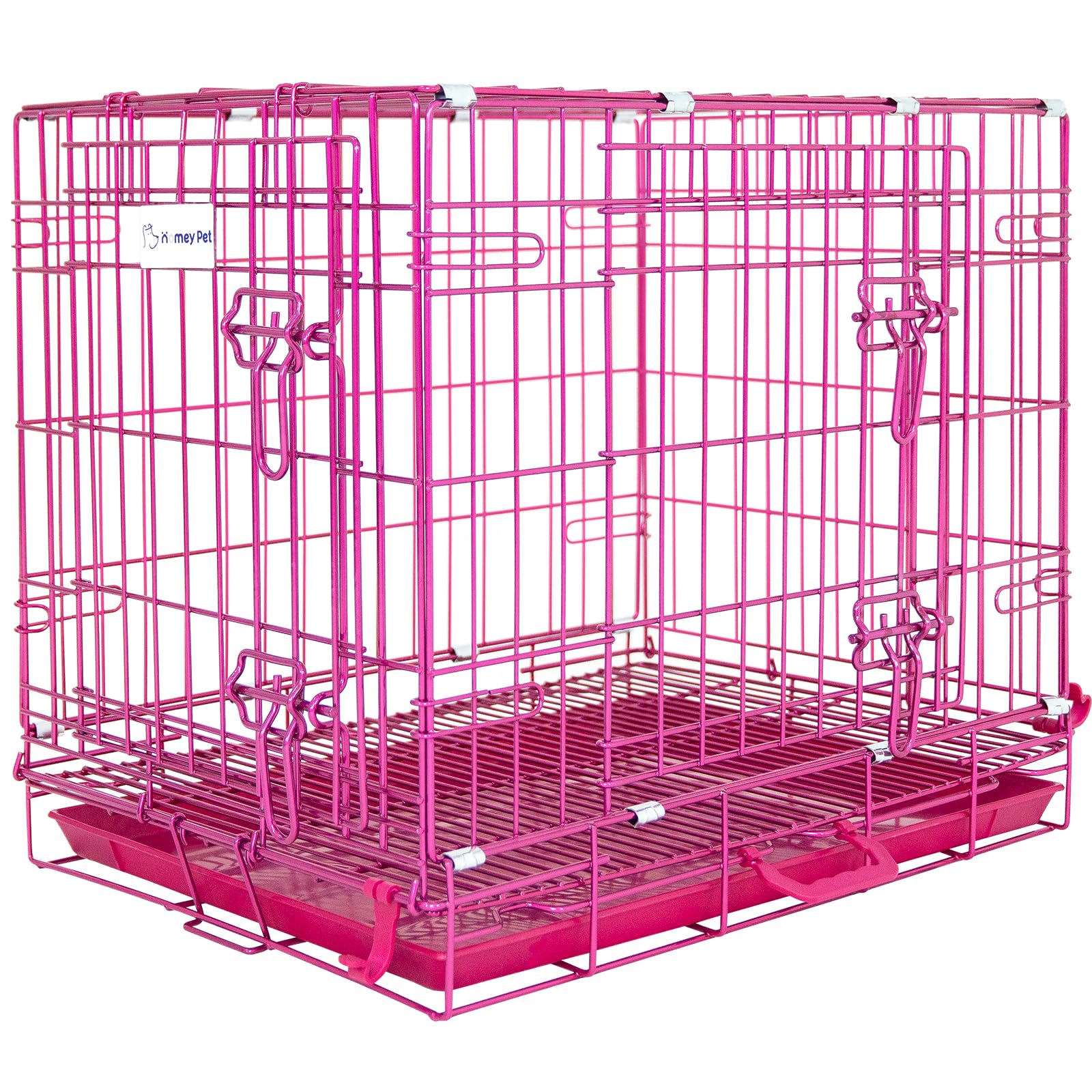
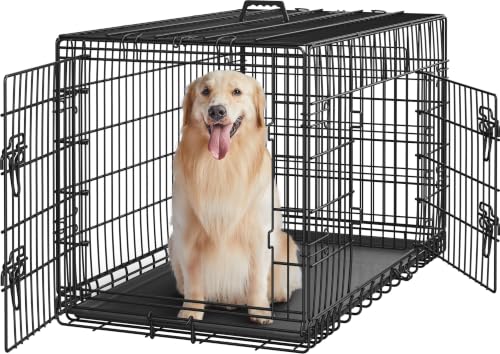
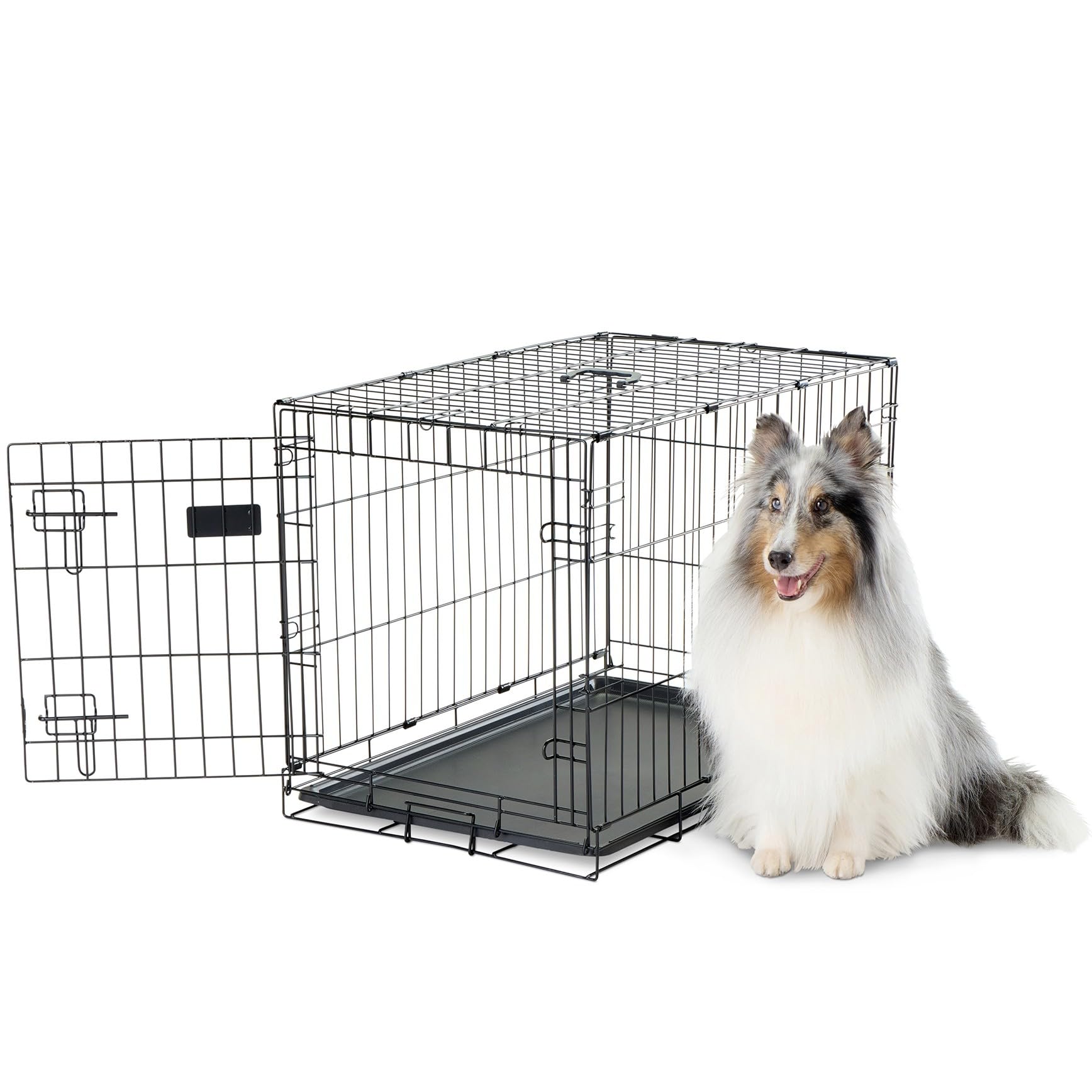
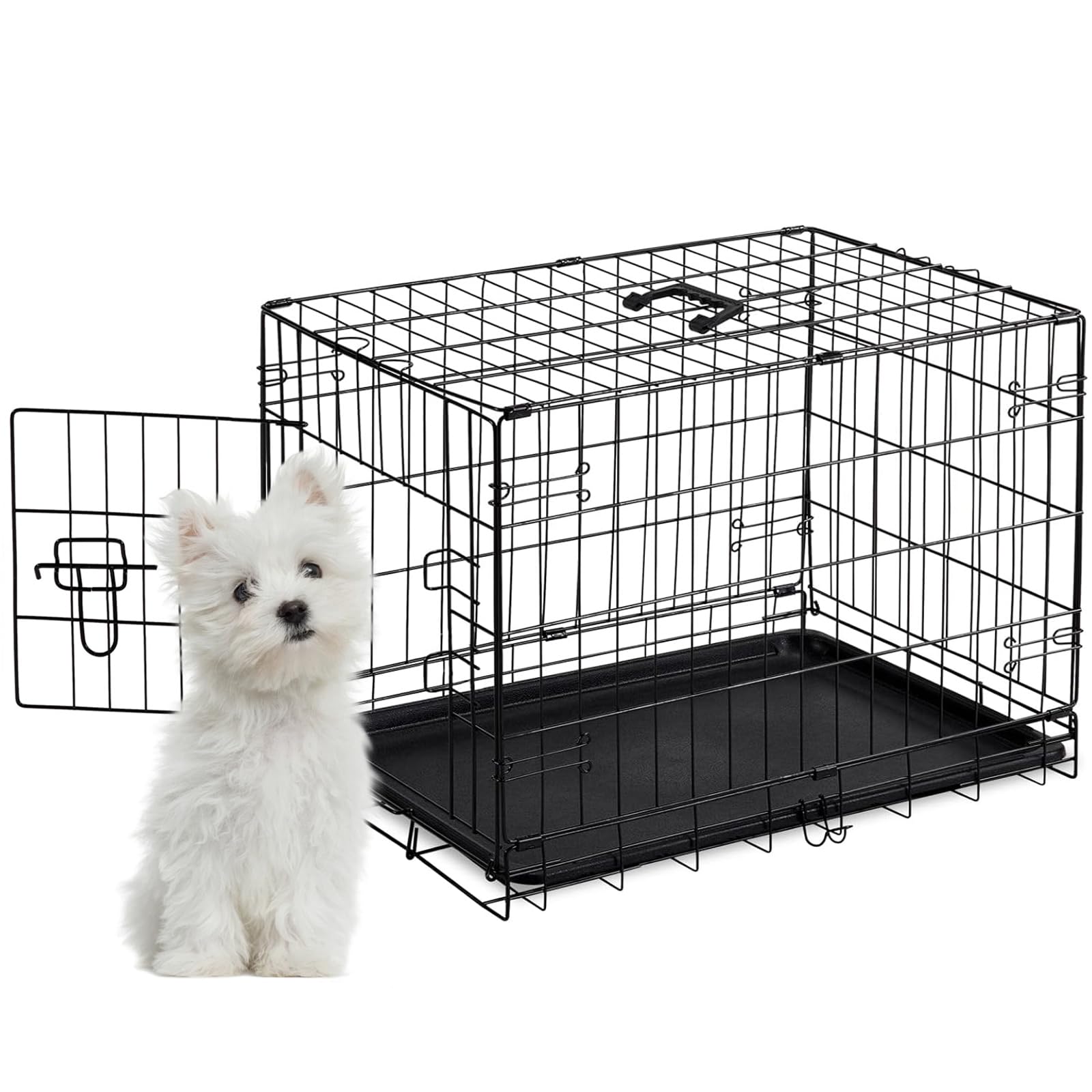
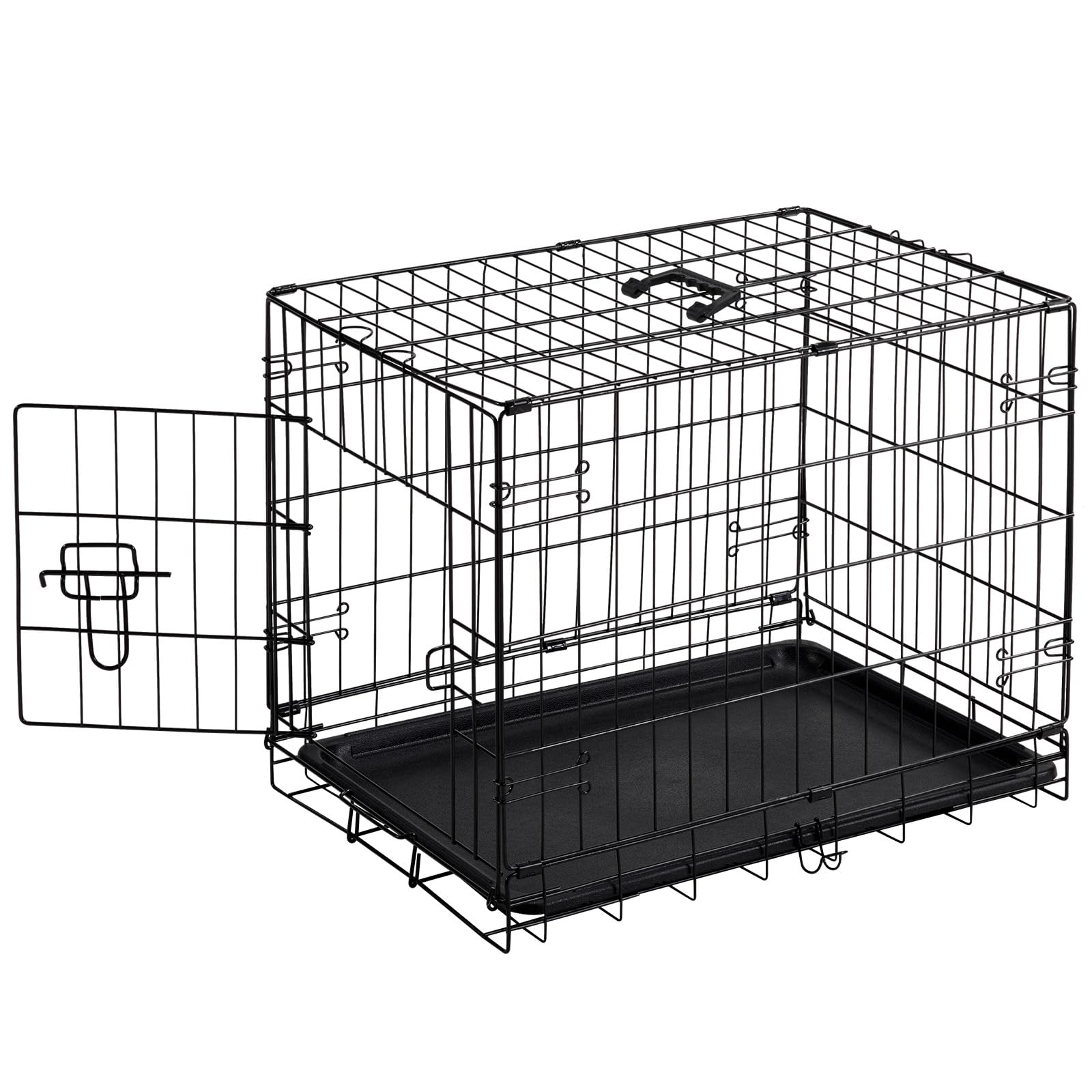
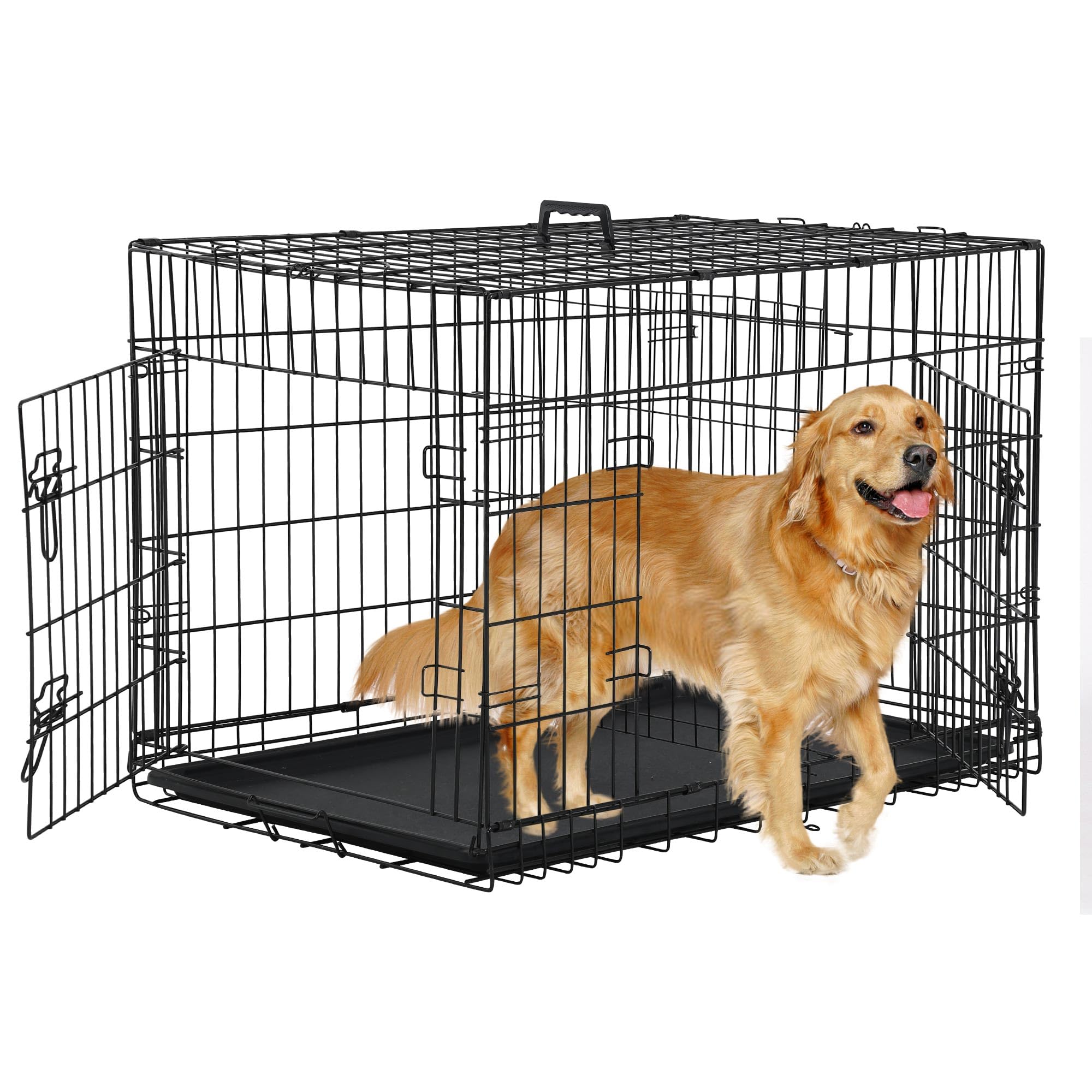
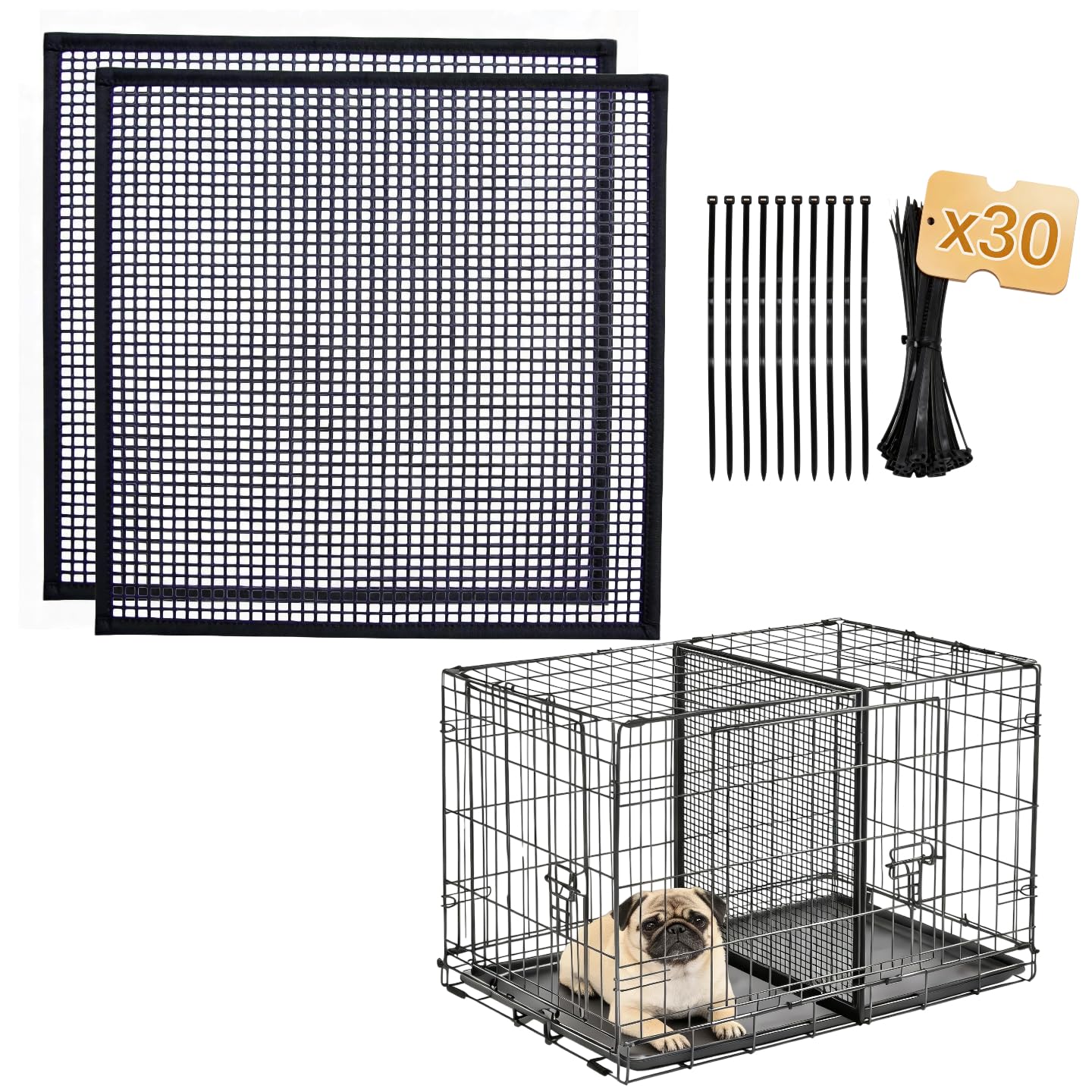
A crate needs to be large enough for a puppy to stand, turn around, and lie down comfortably, but not so large that it defeats the den-like feeling that supports house training. Many crates include a divider panel that adjusts the interior space, letting the crate grow along with the puppy instead of needing to buy a new one every few months.
- Small breeds at maturity: crates around 24 inches typically suffice
- Medium breeds at maturity: crates in the 30 to 36 inch range
- Large breeds at maturity: crates 42 inches or larger, often with a divider for puppy use
Wire, Plastic, and Soft-Sided Crates
Wire Crates
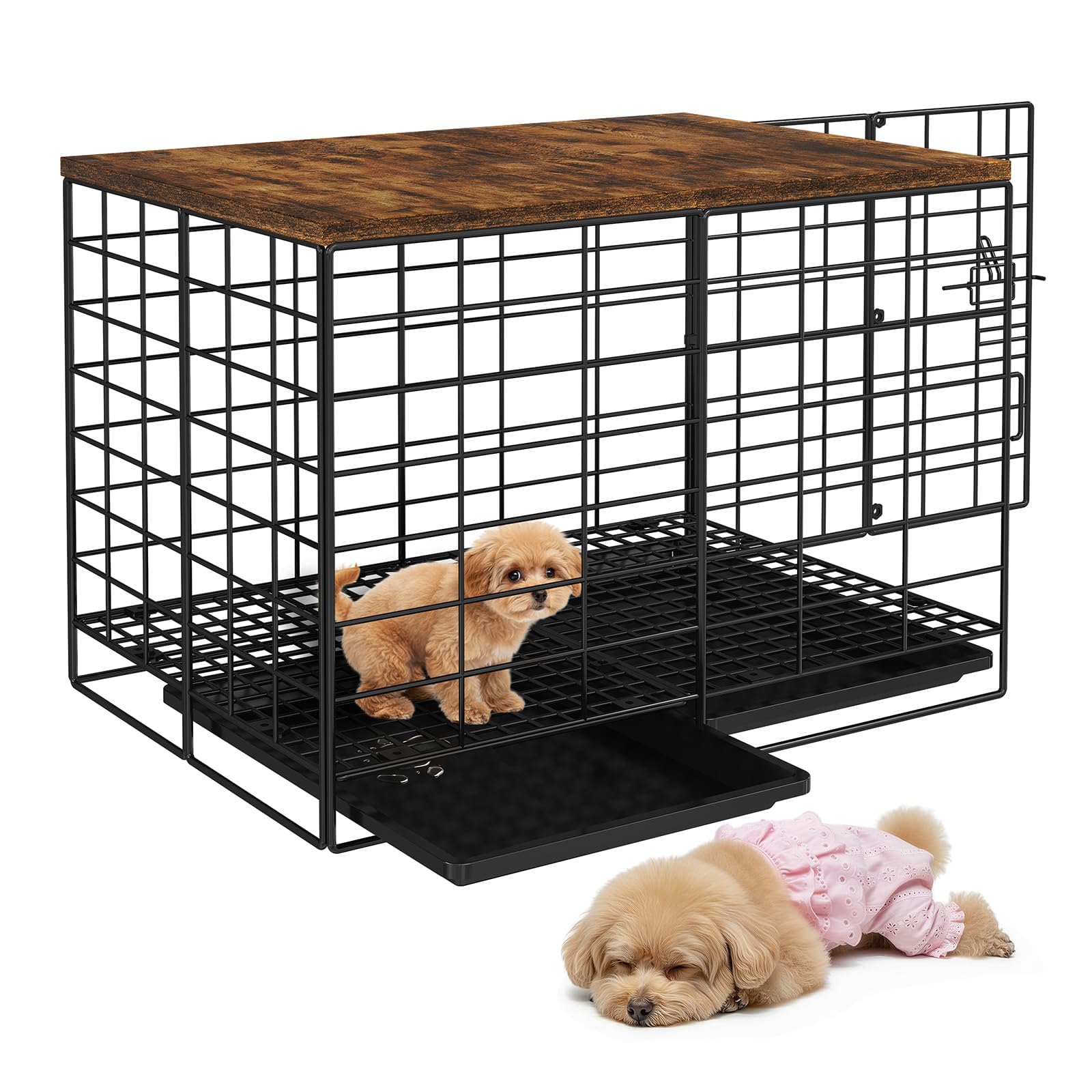
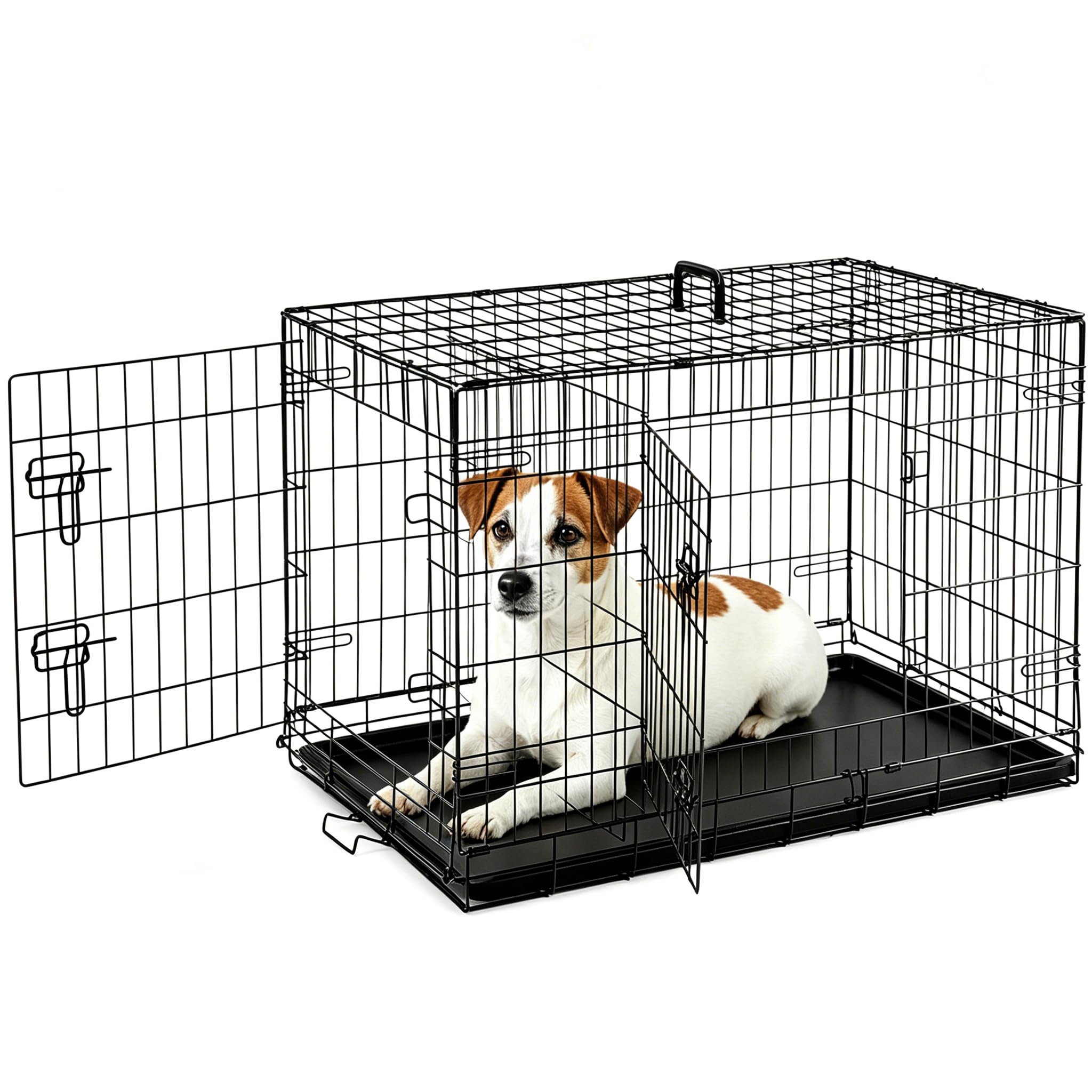
Wire crates offer strong ventilation and visibility, which many puppies find reassuring since they can see their surroundings rather than feeling enclosed. They also tend to include adjustable dividers more often than other crate types, making them a popular choice specifically for growing puppies.
Plastic Crates
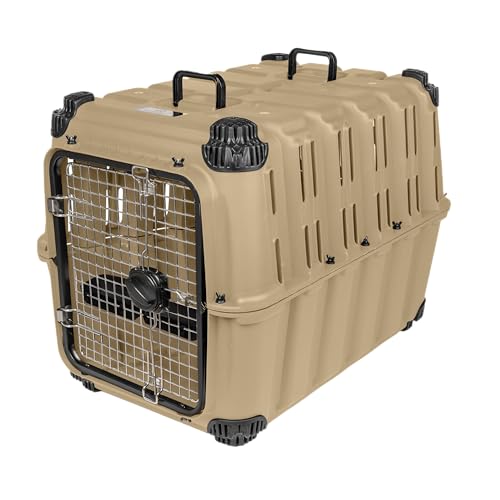
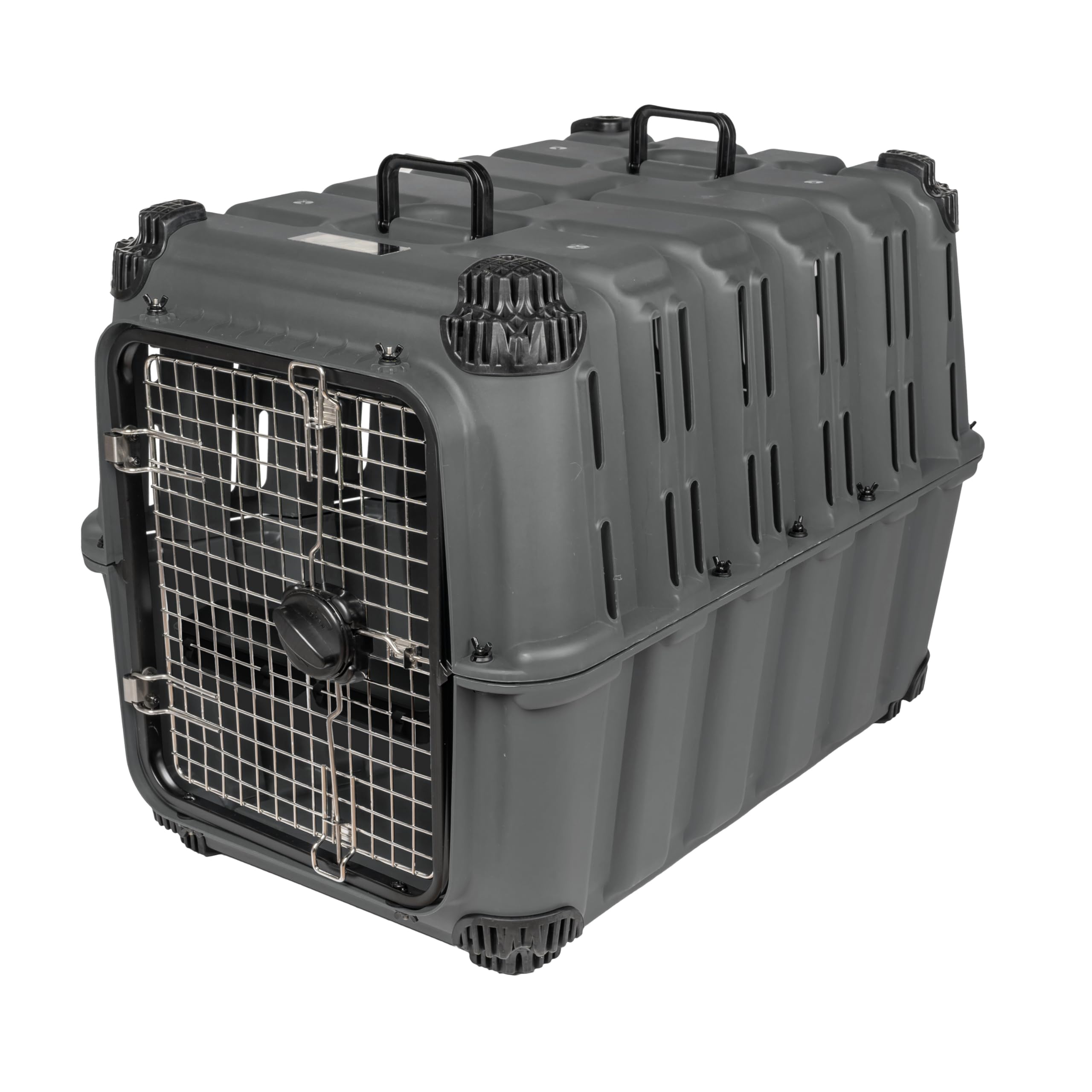
Plastic crates provide a more den-like, enclosed feel that some puppies find calming, and they generally travel well for car rides or air travel when airline-approved. Ventilation is more limited than wire designs, which matters more in warmer climates.
Soft-Sided Crates
Soft-sided crates are lightweight and portable but generally lack the durability needed for a teething or particularly active puppy, making them better suited to calm, well-trained dogs rather than young puppies still learning crate boundaries.
Using the Divider Panel Effectively
A divider panel lets the crate's usable space shrink to fit a young puppy snugly, then expand in stages as the puppy grows toward adult size. Keeping the space appropriately sized during house training helps prevent a puppy from using one end of an oversized crate as a bathroom while sleeping in the other, which can slow down training progress.
Safety Considerations for Puppies
Checking bar spacing on wire crates matters for small or narrow-headed puppies who might otherwise get a head stuck between bars. Smooth, rounded edges on plastic crates and secure, puppy-proof latches on any crate type help prevent injury or an unexpected escape from a curious, teething puppy.
Portability for Travel and Multi-Room Use
Some crates fold flat for storage or transport, useful for households that move the crate between rooms or bring it along during travel. Checking a crate's weight and folding mechanism helps determine how practical it will be to move regularly, especially for larger crate sizes that can become heavy and unwieldy.
Crate Placement and Training Success
Placing a crate in a quiet but not fully isolated part of the home generally helps a puppy feel secure without feeling cut off from the family. Introducing the crate gradually, with positive associations like treats and short initial sessions, tends to build a stronger long-term relationship with the crate than forcing extended time inside too soon.
Frequently Asked Questions
What size crate is right for a growing puppy?
A crate with an adjustable divider panel works best, since it can shrink to fit a young puppy snugly and expand in stages as the puppy grows toward adult size.
Are wire or plastic crates better for puppies?
Wire crates offer better ventilation and often include divider panels, while plastic crates provide a more enclosed, den-like feel that some puppies find calming.
Should the crate be too large for a puppy?
No, an oversized crate can make house training harder, since a puppy may use one end as a bathroom while sleeping in the other.
How long can a puppy safely stay in a crate?
This varies by age, but young puppies generally cannot hold their bladder much longer than their age in months, plus one hour, so frequent breaks are necessary.
Do soft-sided crates work well for puppies?
They generally suit calm, well-trained dogs better than young, teething puppies, since the material is less durable than wire or plastic options.
Final Thoughts
Choosing among the best dog crates for puppies comes down to matching size, material, and divider functionality to a puppy's current stage and expected adult size. A well-chosen crate supports house training and gives a puppy a genuine sense of security as it grows.
Related reading: best dog crates and best dog crates for car.