Best Percale Sheets: What to Know Before You Buy
Disclosure: We may earn a commission when you buy through links on this page, at no extra cost to you. As an Amazon Associate I earn from qualifying purchases. Learn more
If your sheets feel warm and clingy by 2 a.m., the weave is probably the problem, not the season. Percale is a plain, tightly woven cotton fabric that stays crisp and lets air move through instead of trapping heat against your skin. Choosing the best percale sheets mostly comes down to understanding a handful of specs, thread count, fiber length, and fit, rather than chasing a brand name. In this guide, you will learn what makes a sheet percale, which numbers on the label actually matter, how percale compares to sateen, and how to keep a set feeling fresh for years.


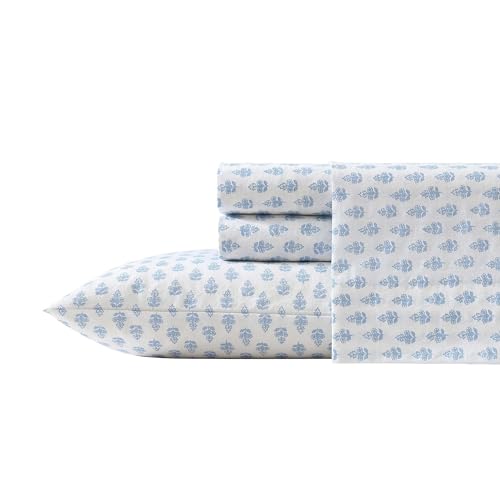
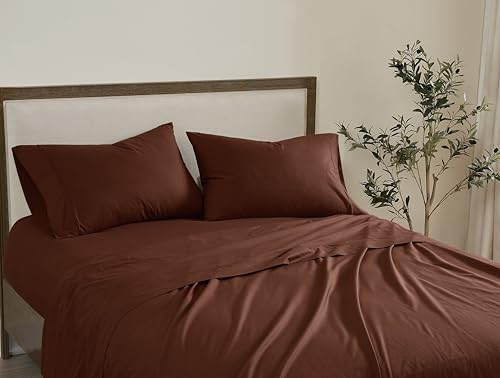
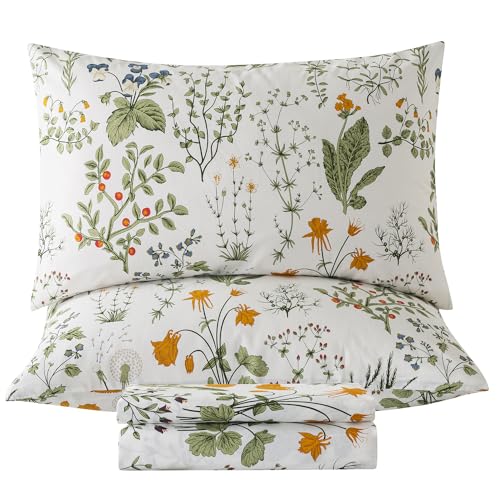
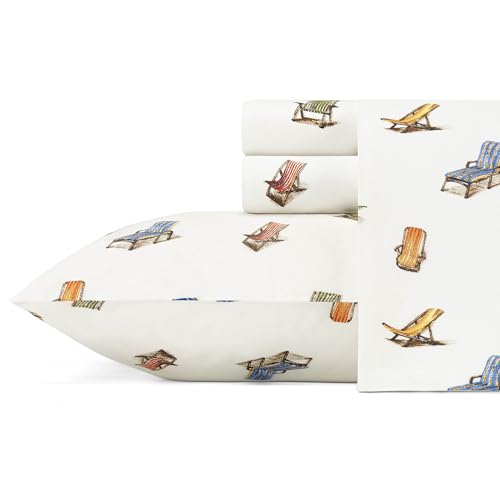
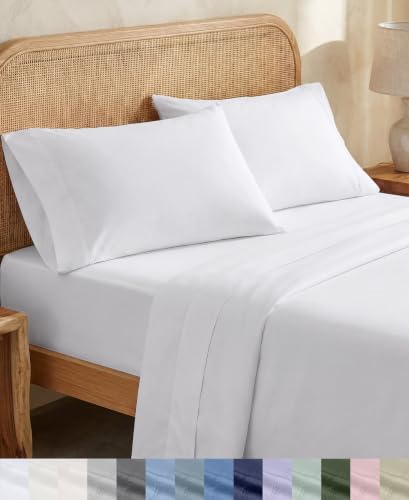
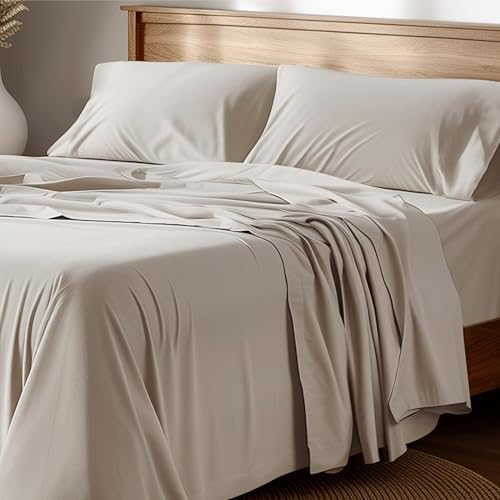
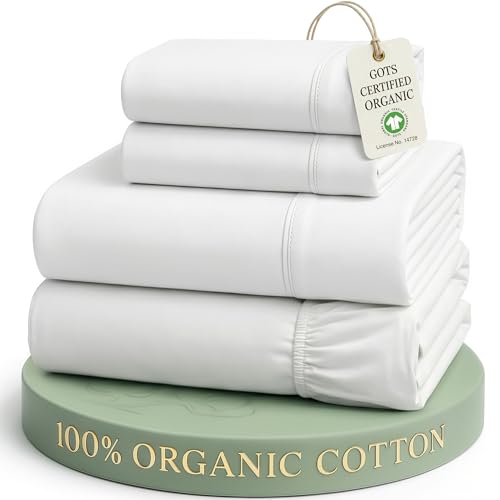
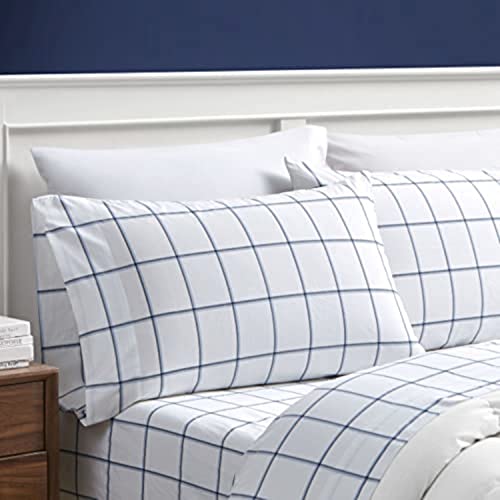
What Makes a Sheet "Percale"
Percale is not a fiber or a brand, it is a way of weaving cotton threads together. Once you understand the construction, the rest of the buying decisions get much easier.
The One-Over-One-Under Weave
Percale uses a simple over-under pattern, each thread crosses one thread and then goes under the next, creating a tight, grid-like structure. That structure is what gives the fabric its signature crunch when you first unfold it. It also leaves small gaps between the fibers, which is why air passes through percale more easily than it does through denser weaves.
Why It Feels Crisp, Not Soft
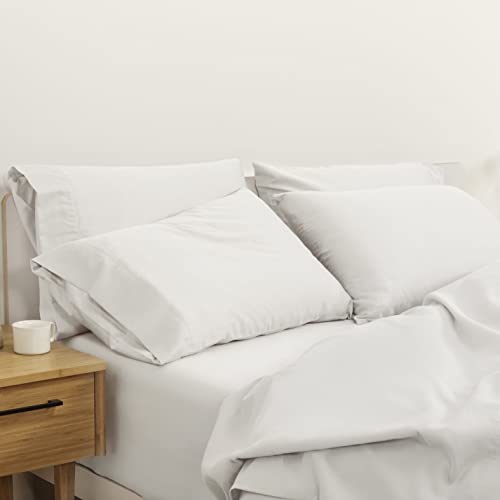
Because the threads are pulled tight and interlocked in a simple pattern, percale has a matte finish and a cool, paper-like hand rather than a silky one. That crispness is often mistaken for stiffness or low quality when a set first arrives. In reality, it softens naturally with washing as the fibers relax, so a percale sheet that feels a little rigid out of the bag is doing exactly what it is supposed to do.
Reading the Label: Thread Count, Fiber, and Certifications
Once you know what percale is, the next step is figuring out which numbers on the packaging actually predict quality and which ones are mostly marketing.
Thread Count Sweet Spot
Percale needs at least 180 threads per square inch to count as percale, but most well-made sets land between 200 and 300. Above that range, manufacturers often rely on multi-ply yarns to inflate the number rather than genuinely finer weaving, so a 600 or 800 thread count percale claim is a red flag rather than a bonus. This is one reason the best percale sheets rarely advertise the highest number on the shelf.
Long-Staple vs. Short-Staple Cotton
Fiber length matters as much as thread count. Long-staple cotton, including Egyptian and Pima varieties, spins into smoother, stronger yarn with fewer loose fiber ends, which means less pilling and a longer usable life. Short-staple cotton can still be woven into percale, but it tends to wear out and pill faster, even at a similar thread count.
Certifications Worth Checking
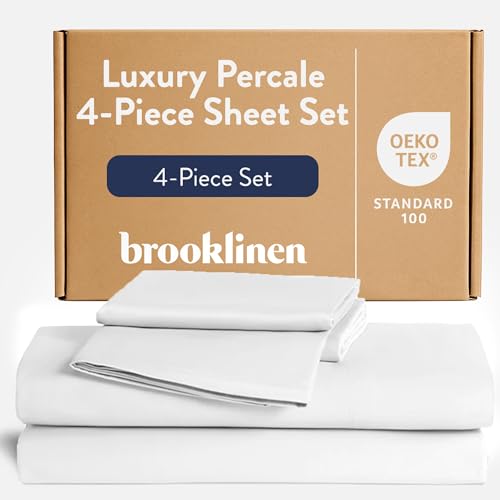
Labels like GOTS, OEKO-TEX, and USDA organic indicate that an independent body verified how the cotton was grown and processed, not just the finished feel. They will not tell you whether a sheet suits your sleep style, but they are a reasonable shortcut for ruling out sets treated with harsh finishing chemicals.
Percale vs. Sateen: Which Weave Fits Your Sleep Style
Percale and sateen are the two weaves you will see most often, and the choice between them usually comes down to temperature preference rather than quality.
Why Percale Sleeps Cooler
Sateen uses a different weave, with more threads floating over the surface before dipping under, which creates a smoother, silkier feel but also traps more heat against the body. Percale's tighter over-under structure keeps airflow moving, which is why it is consistently recommended for people who run warm at night or live somewhere hot and humid. Pairing a lightweight percale set with a breathable cooling pillow can make an even bigger difference for hot sleepers than switching sheets alone.
When Sateen Might Suit You Better
If you sleep cold, or you simply prefer a softer, more silk-like touch from the first night, sateen may be the better fit. Sateen also resists wrinkles better than percale, so it appeals to people who dislike an ironed look. Neither weave is objectively superior, they are built for different priorities, crispness and coolness versus softness and warmth.
Getting the Fit Right: Pocket Depth and Mattress Thickness
A gorgeous set of sheets is useless if the fitted corners keep popping off in the middle of the night, so pocket depth deserves real attention before you buy.
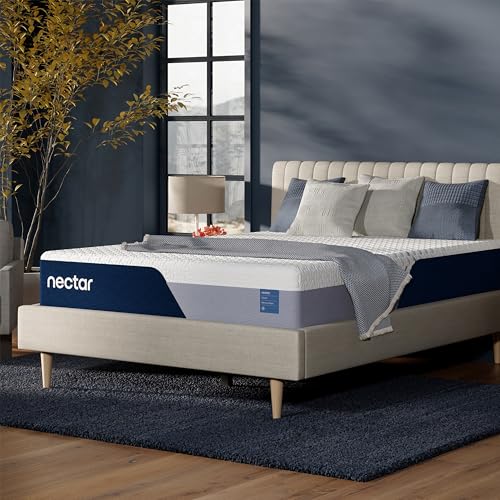
Standard fitted sheets are cut for mattresses up to about 14 to 16 inches thick. Deep-pocket versions stretch to roughly 17 to 20 inches, and extra-deep-pocket sheets can accommodate mattresses as thick as 22 inches once you factor in a mattress protector or topper. Thicker memory foam mattresses in particular often need at least a deep-pocket cut, since foam layers plus a topper can add several extra inches beyond a traditional innerspring mattress. Measure your mattress corner to corner with any topper already in place, then size up rather than down if you are between categories, since a slightly loose pocket is easier to live with than one that will not stay on.
What to Expect to Pay for Quality Percale
Percale sits in a fairly predictable price range because the materials and weaving process are well established. A well-made cotton percale set typically falls between roughly $70 and $150, with long-staple cotton and certified organic options landing toward the higher end of that range. Prices well below that band usually signal shorter-staple cotton, looser weaving, or synthetic blends marketed as percale.
Paying more does not automatically buy you a better night's sleep, but it usually buys you fiber that resists pilling and holds its shape through repeated washing. If budget is tight, prioritize thread count in the 200 to 300 range and genuine cotton content over a lower price with vague fiber claims.
Keeping Percale Crisp and Long-Lasting
Percale rewards a bit of routine care, and the habits that keep it crisp are simple once they become second nature.
Wash in cool to warm water on a gentle cycle with a mild detergent, since hot water and harsh detergents break down cotton fibers faster and fade color over time. Skip fabric softener, which coats the fibers and actually reduces the crisp feel percale is known for, and instead use a splash of white vinegar in the rinse cycle occasionally to cut through detergent buildup. Pull sheets out of the dryer while still slightly damp, or better yet line-dry them, since overdrying makes cotton brittle and prone to tearing. Washing every one to two weeks keeps body oils from breaking down the fibers prematurely. If your climate shifts with the seasons, keep a warm layering blanket on hand for cooler nights rather than switching your whole sheet set back and forth.
Frequently Asked Questions
What are percale sheets?
Percale sheets are cotton bedding woven in a simple one-over-one-under pattern that creates a tight, matte, crisp fabric. The weave itself, not the fiber, is what defines percale.
Are percale sheets good for hot sleepers?
Yes. The tight but simple weave leaves small gaps between fibers, which lets air move through more freely than it does with denser weaves like sateen. This makes percale one of the most commonly recommended options for people who sleep warm.
Do percale sheets wrinkle?
Percale wrinkles more easily than sateen because of its lighter, crisper construction. Most people find the wrinkles relax somewhat after the sheets are on the bed, and pulling sheets from the dryer while still slightly damp helps reduce them.
What is the difference between percale and sateen sheets?
Percale uses a simple over-under weave that feels crisp and sleeps cool, while sateen uses a weave with more surface threads that feels smoother and retains more heat. Choose percale if you run warm, choose sateen if you sleep cold or prefer a silkier feel.
How do you soften percale sheets over time?
Percale softens naturally with repeated washing as the fibers relax. Avoid fabric softener, which builds up on the fabric and actually keeps it feeling stiffer, and use vinegar in the rinse cycle occasionally instead.
How often should you wash percale sheets?
Most guidance points to washing every one to two weeks. This keeps oils, sweat, and dust from breaking down the cotton fibers faster than normal wear would.
What pocket depth do I need for a thick mattress?
Standard pockets fit mattresses up to around 14 to 16 inches, deep pockets fit up to about 20 inches, and extra-deep pockets can handle mattresses around 22 inches once a topper is included. Always measure with any topper or protector already in place.
The Bottom Line
The best percale sheets are not defined by the highest thread count on the package, they come down to a genuine cotton weave in the 200 to 300 thread count range, long-staple fiber for durability, and a pocket depth that actually matches your mattress. Give a new set a few washes before judging the feel, since percale is meant to soften with use rather than arrive silky from the start. Get those fundamentals right and you end up with bedding that stays cool, holds up for years, and looks crisp night after night.