Best Cooling Memory Foam Pillow: Complete Buying Guide
Disclosure: We may earn a commission when you buy through links on this page, at no extra cost to you. As an Amazon Associate we earn from qualifying purchases. Learn more

If you've been flipping your pillow over every hour trying to find a cool spot, the problem probably isn't your blanket or your thermostat. It's the pillow itself. Standard memory foam traps body heat instead of releasing it, which is exactly the problem cooling technology is designed to solve. Finding the best cooling memory foam pillow for your bed comes down to understanding which cooling method actually works, how long that effect lasts through the night, and whether the firmness and loft match how you sleep. This guide breaks down the technology behind cooling pillows, how the different approaches compare, what to check before buying, and what to expect once you get one home.

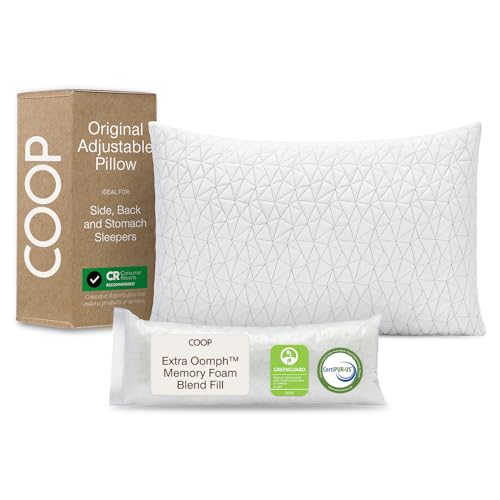

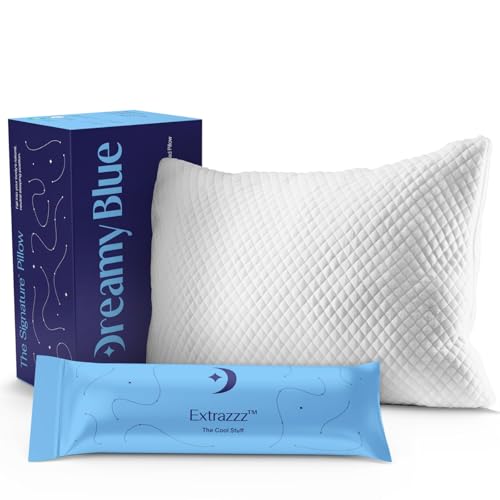
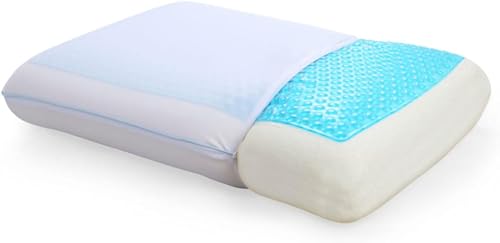
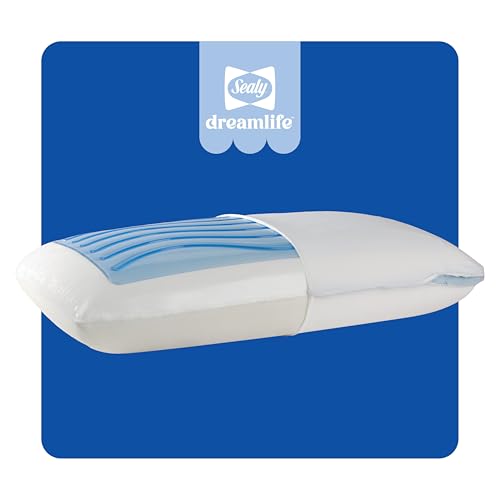
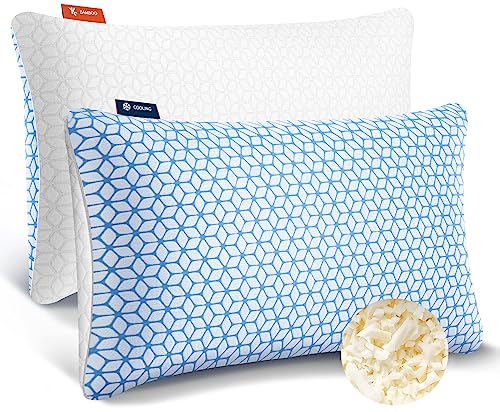
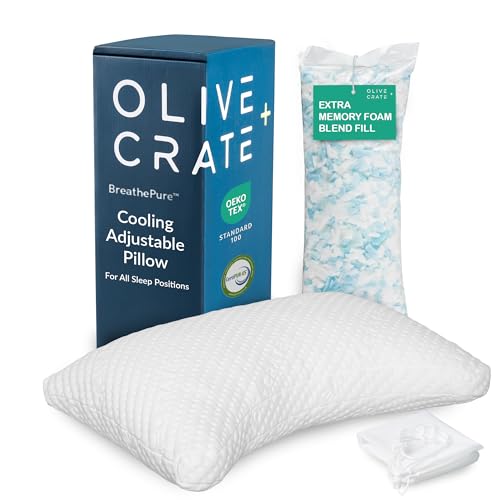
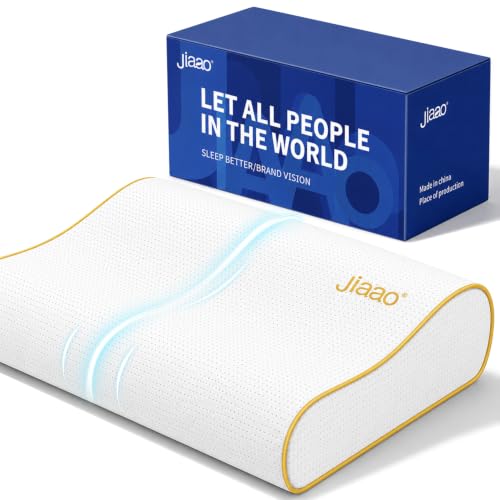
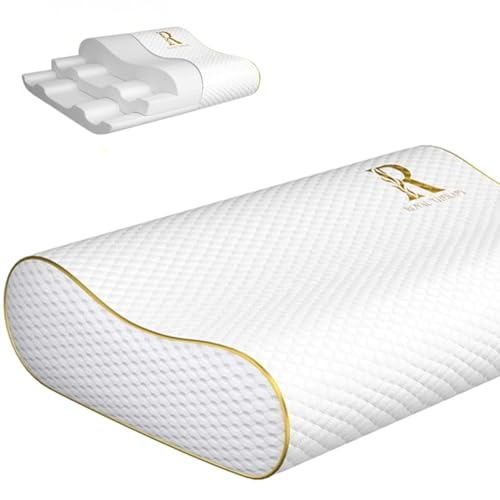
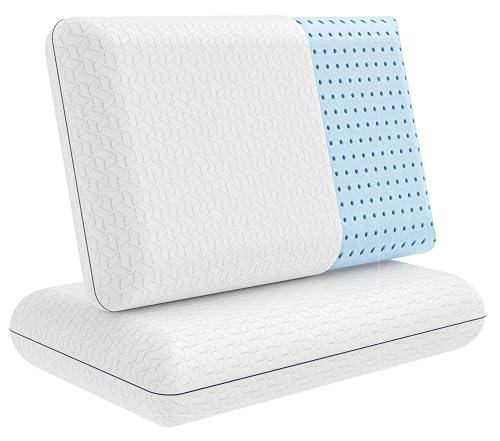
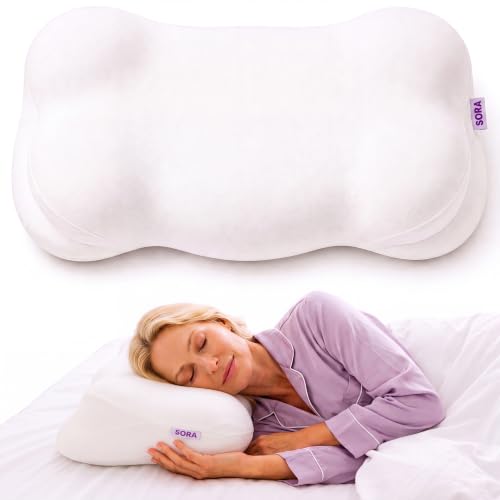
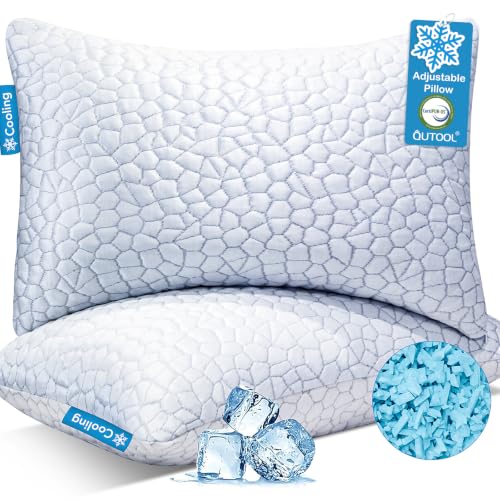
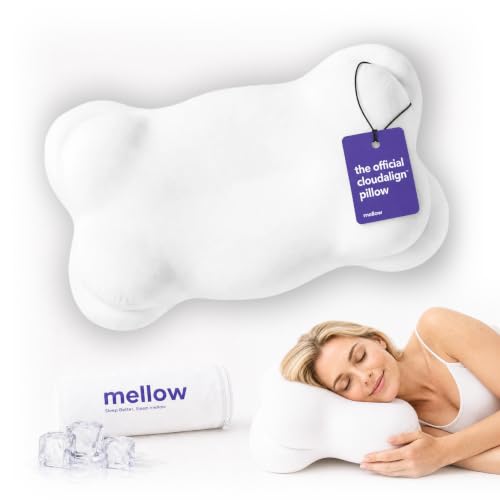
What Actually Cools a Memory Foam Pillow Down
Gel and Phase-Change Cores
Most pillows marketed for temperature control rely on one of two materials inside the foam. Thermal gel, whether swirled through the foam or layered on top, feels cool to the touch the moment your head lands on it, though that sensation fades once the gel reaches your body temperature. Phase change material works a little differently. It shifts between a solid and a slightly softer state as it absorbs heat, which lets it keep pulling warmth away for longer instead of maxing out early in the night. Neither material keeps a pillow cold until morning, but a well-made gel or phase-change layer noticeably slows how fast the foam heats up compared with plain memory foam.
Open-Cell and Ventilated Foam Structure
Standard memory foam is dense and closed off, so heat has nowhere to go once it builds up. Open-cell foam has a more porous structure that lets air pass through it, and ventilated foam takes that a step further with channels or holes cut straight through the pillow. Both designs give heat and moisture an escape route instead of trapping them against your skin. When you're comparing pillows, look for the words open-cell, perforated, or ventilated in the product description. That detail usually matters more for how a pillow actually sleeps than the color of the gel or a cooling label on the box.
Breathable Cover Fabric
The foam only does half the job. The cover fabric decides how much of that cooling effect reaches your skin in the first place. Tencel, bamboo-derived rayon, and moisture-wicking cotton blends breathe far better than tightly woven polyester and pull sweat away from your face as you sleep. Some covers weave in copper or graphite threads, which conduct heat away from the surface faster than plain fabric does. A pillow with excellent gel-infused foam and a thick, non-breathable cover will still sleep warm, so it's worth checking the cover material as closely as you check what's inside.
A Full Cooling Pillow or Just a Cooling Case?
Not every hot sleeper needs to replace the whole pillow. Sometimes the fix is simpler, and sometimes it isn't, so it helps to know which situation you're actually in before you spend money on a pillow you may not need.
When a Cooling Pillowcase Is Enough
If your current pillow still has good support and only the surface feels hot, a moisture-wicking or cool-to-touch pillowcase can solve a surprising amount of the problem on its own. These covers use the same breathable fibers found in premium cooling pillow covers, just without replacing the foam underneath. It's a cheap way to test whether cover fabric alone fixes your night sweats before committing to a new pillow. If you're weighing options side by side, browsing a list of dedicated cooling pillow picks can also help you see how much of the price difference comes from the cover versus the fill.
When You Need Cooling Built Into the Foam
If the pillow itself has gone flat, lumpy, or is past its useful life, no cover is going to fix that. Foam that's already worn down traps heat regardless of what you put over it, and an old pillow also stops supporting your neck properly. In that case, a pillow built with gel-infused or ventilated foam from the start addresses both problems at once. It supports your head and shoulders the way memory foam is meant to, while managing heat at the source instead of just at the surface.
Matching Loft and Firmness to How You Sleep
Cooling technology only helps if the pillow is shaped right for your sleep position in the first place. A pillow that keeps your neck bent at an angle all night will leave you sore no matter how well it manages heat, so loft and firmness deserve just as much attention as the cooling spec sheet.
Side Sleepers
Side sleepers generally need a higher loft, since there's more distance to fill between the ear and the shoulder. A pillow that's too flat lets your head drop and pulls your neck out of alignment, which can show up as morning stiffness or a dull ache down one side. Look for a medium-firm to firm pillow with enough height to keep your spine roughly level. Shredded or adjustable foam pillows are useful here since you can add or remove fill to fine-tune the loft rather than guessing based on a single fixed height.
Back and Stomach Sleepers
Back sleepers usually do best with a slightly lower, medium-firm loft that supports the natural curve of the neck without pushing the head too far forward. Stomach sleepers need the lowest loft of the three positions, since anything too thick forces the neck into an unnatural twist for hours at a time. If you switch positions through the night, a medium loft with adjustable fill gives you more room to compromise than a single fixed-height pillow built for just one sleep style. This is also a good area to check against advice for a mattress suited to back sleepers, since pillow loft and mattress firmness work together to keep your spine aligned.
Certifications and Materials Worth Checking
The label often tells you more than the marketing copy does. A couple of specific things are worth checking before you buy, especially if you're sensitive to smells or shopping for a shared bedroom.
CertiPUR-US and Low-VOC Foam
CertiPUR-US certification means the foam was tested for substances like heavy metals, formaldehyde, and ozone depleters, and that it meets standards for low volatile organic compound emissions. It doesn't affect how cool the pillow sleeps, but it's a reliable shortcut for judging overall build quality, since manufacturers who invest in certified foam tend to also invest in better cooling components. The same certification is worth checking if you're also shopping for a memory foam mattress, since the same reasoning applies there. If a pillow listing doesn't mention certification at all, that's worth a second look before you buy, particularly for something you'll have your face pressed against for roughly a third of every day.
What's Normal for New-Pillow Smell
A faint chemical smell right out of the packaging is normal for most memory foam and usually comes from off-gassing as the foam releases compounds trapped during manufacturing. On a well-made, certified pillow, that smell typically fades within a couple of days once it's unwrapped and given some airflow. If the odor is still strong after a week or two, or if it triggers headaches or irritation, that's more likely a sign of lower-quality foam than anything wrong with how you're using it, and it's reasonable to return the pillow at that point.
What Price Range Tells You About Quality
Cooling memory foam pillows span a wide range, from a modest weekly grocery run on one end to a small appliance on the other. At the low end, you're typically paying for a basic gel swirl and a standard polyester cover, which cools for the first hour or so before performing about like a regular foam pillow. Mid-range pillows usually add a more breathable cover fabric, real ventilation channels, and CertiPUR-US certification. At the top of the range, you're often paying for adjustable or shredded fill, premium cover fabrics, and sometimes bundled extras aimed at keeping the whole bedroom cooler, like a quiet bedroom fan. That price range is a reasonable way to think about what separates a budget pick from a true best cooling memory foam pillow built with certified, higher-grade foam, though spending more doesn't guarantee comfort for your specific sleep position, so treat price as a rough signal rather than a promise.
Frequently Asked Questions
Does a cooling memory foam pillow actually work?
Yes, within limits. Gel infusions, phase-change material, and ventilated foam all measurably slow down heat buildup compared with standard memory foam, and a breathable cover adds to the effect. None of them keep a pillow cold all night, but a well-made best cooling memory foam pillow should feel noticeably less warm than a plain foam pillow by the middle of the night.
How long does a cooling pillow stay cool?
Most cooling pillows feel coldest in the first 20 to 30 minutes, since that's how long it takes the gel or phase-change material to absorb enough body heat to reach equilibrium. After that, a good cooling pillow should still sleep cooler than plain foam thanks to the ventilation and cover, even once it no longer feels ice cold to the touch.
Is memory foam pillow smell safe to sleep on?
In most cases, yes. The smell comes from off-gassing during manufacturing and typically fades within a few days on certified, higher-quality foam. If the odor lingers for weeks or causes headaches or irritation, that's a sign of lower-quality foam rather than a normal part of breaking in a new pillow.
How often should you replace a cooling pillow?
Plan on replacing most cooling pillows every one to three years, similar to standard pillows, though some higher-quality gel pillows hold up for closer to five. Watch for flattening, lumps, or a pillow that no longer springs back after you fluff it, since those are clearer signs than any fixed timeline.
Are shredded memory foam pillows better for cooling than solid foam?
Often, yes. Shredded or adjustable fill naturally leaves small air gaps throughout the pillow, which helps heat escape more easily than it can through a single dense block of solid foam. It also lets you remove fill to adjust loft, which indirectly improves airflow around your head and neck.
Can you wash a cooling memory foam pillow?
The cover is almost always machine washable and should be washed regularly to keep it breathing well and cooling effectively. The foam core itself usually cannot go in a washing machine, so check the care label and plan to spot clean or air out the foam instead.
Is a cooling pillowcase as good as a cooling pillow?
A cooling pillowcase can meaningfully improve an existing pillow that's still in good shape, since cover fabric plays a large role in how hot a pillow feels. It won't fix a pillow that's already lost its support, though, since a cover can't add cooling channels or gel to foam that doesn't have any.
Choosing With Confidence
A pillow that sleeps cooler comes down to three things working together: the core material, the cover fabric, and a shape that matches how you actually sleep. None of that requires chasing the newest marketing term, just knowing what gel infusion, open-cell foam, and breathable covers actually do, and matching loft and firmness to your sleep position. Check for certification, expect the coldest feeling to fade within the first half hour, and treat price as a loose guide rather than a guarantee. Use what you've learned here to compare specs instead of marketing claims, and you'll have a much easier time picking the best cooling memory foam pillow for how you actually sleep and how warm your bedroom tends to run.