
Best Cashmere Blanket: A Complete Buying Guide
Disclosure: We may earn a commission when you buy through links on this page, at no extra cost to you. As an Amazon Associate we earn from qualifying purchases. Learn more
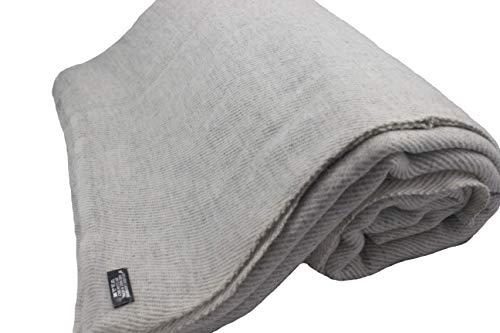
Shopping for a cashmere blanket can feel more complicated than it should be. The fiber itself is simple, but the terms sellers use to describe quality, like grade, ply, and gauge, are not always explained in plain language, and price alone is not a reliable stand in for how a blanket will actually feel or hold up over time. If you are trying to find the best cashmere blanket for your home, the goal is not to memorize a brand list. It is to understand what actually separates a blanket that stays soft for years from one that pills and thins out after a single winter. This guide walks through fiber grade, ply and gauge, blend options, sizing, and the care routine that keeps cashmere in good shape.
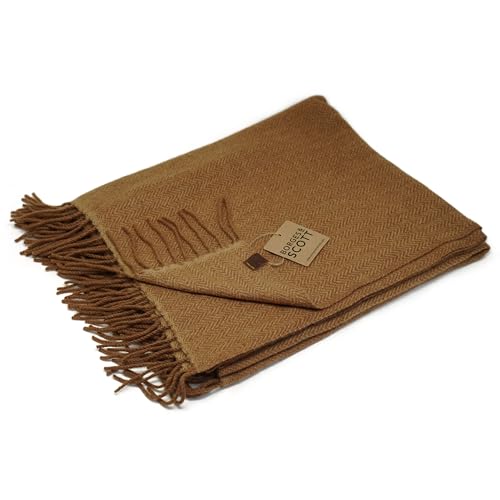
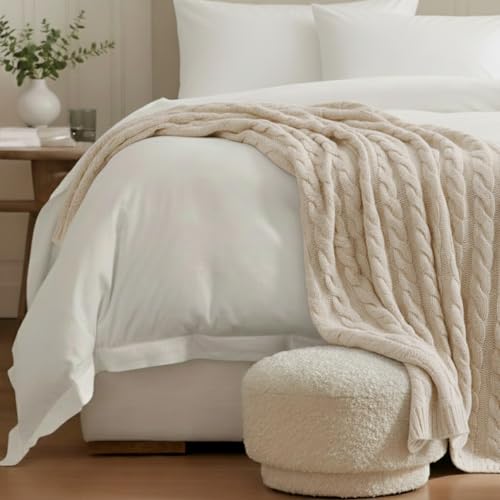
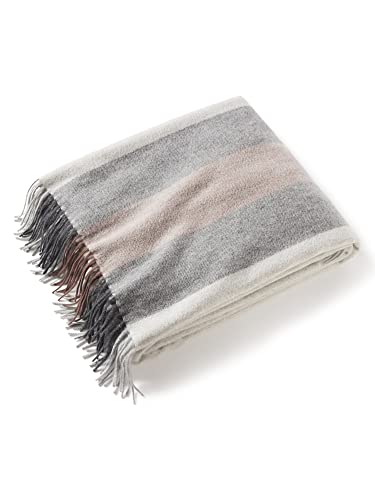
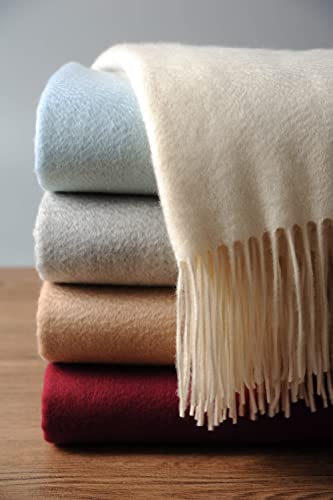
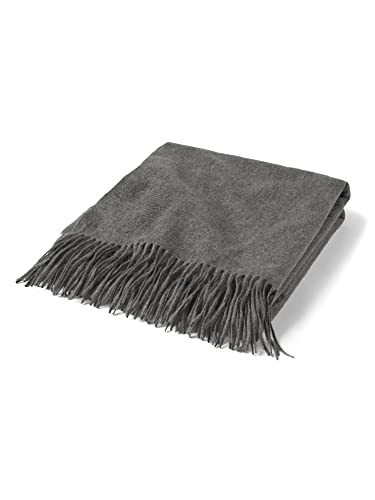
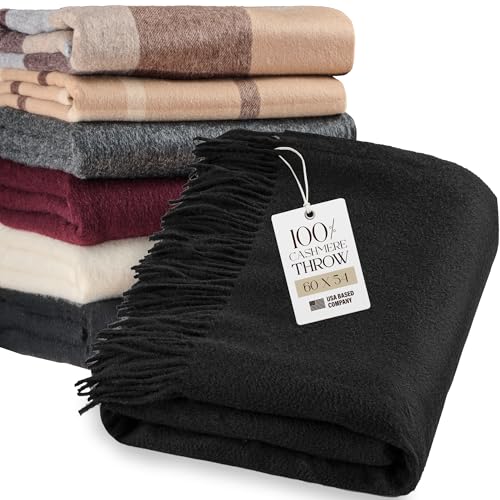
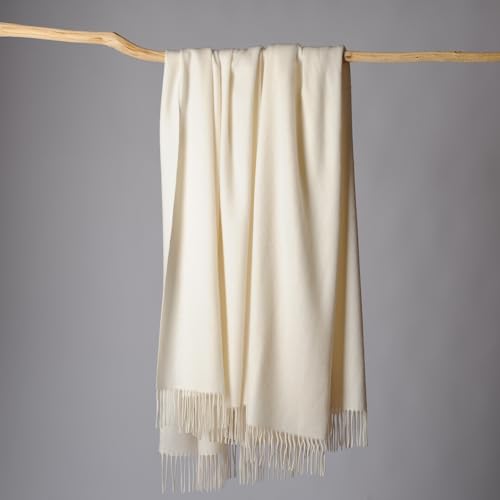
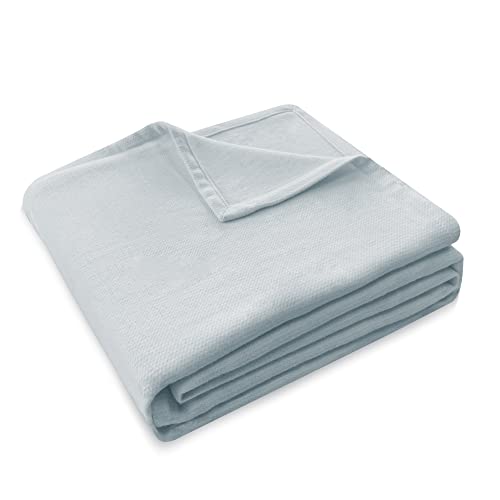
What Fiber Grade Tells You About Cashmere Blanket Quality
Cashmere is graded mainly by two things: how fine the individual fibers are and how long they run. Fiber fineness is measured in microns, and the lower that number, the softer and more refined the yarn feels against your skin. The same logic shows up elsewhere in home textiles. Judging bath towel quality often comes down to reading fiber type and weight rather than trusting a price tag alone, and cashmere works the same way.
Micron Count and Softness
Grade A cashmere uses fibers roughly 14 to 15.5 microns wide, which is what gives the softest blankets their almost weightless, buttery hand feel. Grade B sits closer to 19 microns; it is still genuine cashmere and reasonably soft, just with a slightly coarser texture and a lower price. Grade C, at around 30 microns, is noticeably scratchier and usually shows up in cheaper blends rather than standalone throws. None of this is visible on a hangtag in plain language, so if a listing mentions micron count or grade at all, treat that as a good sign the seller is being transparent about quality.
Staple Length and Durability
Staple length, meaning how long each individual fiber is, matters just as much as fineness. Longer staple fibers stay twisted more securely inside the yarn, which means less shedding and less of the fuzzing you eventually see as pilling. Shorter, choppier fibers work loose faster, so a blanket made from them tends to look tired within a season even if it started out soft. Raw material from Inner Mongolia is frequently cited as some of the best available specifically because the fibers tend to run longer and finer than cashmere sourced from warmer climates.
Ply and Gauge: The Numbers That Actually Predict Warmth
Ply and gauge are the two specs worth paying closer attention to than almost anything else, because they tell you directly how the blanket will feel and perform, not just how it is marketed.
Ply refers to how many strands of cashmere yarn are twisted together before knitting. A single strand, or 1-ply, is thin and more prone to developing holes over time, so most buying guides recommend looking for at least 2-ply construction. Higher ply counts, such as 4-ply, add weight and warmth, but a higher number does not automatically mean better quality. It just means a heavier, denser blanket, which some people want and others find too warm for year round use.
Gauge measures how tightly knit the fabric is, expressed as stitches per inch. A higher gauge produces a finer, lighter, almost airy fabric, while a lower gauge creates a chunkier, visibly thicker knit that traps more heat. A low gauge, 2-ply blanket will run warm and substantial, while a high gauge, 2-ply blanket will feel light and drapey, closer to a wrap than a heavy bed cover. Neither combination is objectively better. The right pairing depends on whether you want something for chilly evenings on the couch or a blanket that can double as extra bedding in winter.
100% Cashmere or a Cashmere-Wool Blend?
Pure cashmere is lighter than sheep's wool while trapping noticeably more warmth for its weight, which is the main reason people pay a premium for it in the first place. Its hollow fiber structure insulates efficiently without the bulk of a traditional wool throw, so a thin looking cashmere blanket can still feel surprisingly warm.
A cashmere-wool blend trades a small amount of that softness and weightlessness for a real gain in durability and a lower price. Blended fibers resist pilling and general wear a bit better, which can make sense for a blanket that will get heavy daily use, like one that lives on a family couch, rather than an item reserved for special occasions. Neither option is the wrong choice. A 100% cashmere blanket is the better pick when softness and warmth to weight ratio matter most, while a blend makes more sense when you want something closer to worry free.
Choosing the Right Size for a Sofa, Chair, or Bed
The best cashmere blanket for a couch might be the wrong size for a bed, which is why sizing deserves its own consideration separate from grade or ply. Cashmere blankets are sold in a range of sizes, and matching the size to how you actually plan to use it will save you from either a skimpy throw or an oversized blanket that swallows your furniture.
A smaller throw, generally in the 50 by 60 inch range, works well draped over the arm of a chair or folded at the foot of a couch. A larger throw closer to 60 by 80 inches covers more of a sofa and works for two people sharing it on movie night. If you want something that functions as an actual bed blanket rather than a decorative throw, look for sizing that matches your mattress dimensions the same way you would when shopping for a luxury mattress and its bedding, since a blanket cut for a queen bed will look thin and out of place on a king.
Caring for a Cashmere Blanket So It Lasts
Washing Without Shrinking or Felting It
Cashmere fibers are delicate, and heat is the main enemy. Water above about 86 degrees Fahrenheit can cause the fibers to felt and shrink, so always wash in cool water, ideally by hand or on a wool specific machine cycle if the care label allows it.
- Use a mild detergent made for wool or cashmere, never a standard detergent with brighteners or fabric softener
- Press out excess water gently instead of wringing
- Lay the blanket flat on a dry towel to air dry, away from direct heat or sunlight
Dealing With Pilling
Some pilling is normal, even on a genuinely high quality cashmere blanket, especially in the first few uses while loose surface fibers work themselves free. It is not automatically a sign you bought something inferior. Washing actually helps reduce pilling over time because it lets tangled fibers settle back into place, and a dedicated cashmere comb or fabric shaver can remove existing pills without damaging the surrounding fabric. Letting the blanket rest between uses, rather than using it every single night, also reduces the friction that causes pilling in the first place.
Frequently Asked Questions
What ply cashmere blanket is best?
Most guides recommend at least 2-ply for everyday durability. Higher ply counts like 4-ply add warmth and weight but are not automatically higher quality, they are simply denser and heavier.
Is cashmere really warmer than wool?
Pound for pound, yes. Cashmere's fine, hollow fibers trap heat more efficiently than sheep's wool, so a lightweight cashmere blanket can feel warmer than a bulkier wool one. Wool still holds up a little better in damp conditions, which matters less for an indoor throw.
Can you machine wash a cashmere blanket?
Only if the care label specifically allows it, and even then use a wool cycle with cold water and a gentle, cashmere safe detergent. Hand washing is the safer default for most cashmere blankets.
Is pilling on a cashmere blanket a sign of poor quality?
Not necessarily. Some pilling is a normal characteristic of natural fiber, not a defect. Excessive pilling that keeps returning after washing and combing is more likely tied to shorter fiber length or a lower grade blend.
What's the difference between Grade A, B, and C cashmere?
Grade A uses the finest, longest fibers and produces the softest, most durable fabric. Grade B is slightly coarser but still genuine cashmere at a lower price. Grade C is the coarsest and least durable, and usually appears in blended or budget items.
How long should a good cashmere blanket last?
With proper care, a well made cashmere blanket can last a decade or longer. Fiber grade, ply, and how consistently you follow the washing and storage guidelines all affect how well it holds up.
What size throw blanket do I need for a couch?
A throw in the 50 by 60 inch range suits a single chair or one person on a couch, while 60 by 80 inches or larger works better for a full sofa or for sharing with someone else.
Making Your Decision
There is no single spec sheet that fits every household. Finding the best cashmere blanket for you is less about chasing a specific brand and more about matching fiber grade, ply, gauge, and blend to how and where you plan to use it, then following a wash routine that protects the investment. Pay attention to those details rather than price alone, and a quality cashmere blanket can realistically stay in daily rotation for years.