Best Patio Standup Heater Cover: A Complete Buying Guide
Disclosure: We may earn a commission when you buy through links on this page, at no extra cost to you. As an Amazon Associate I earn from qualifying purchases. Learn more

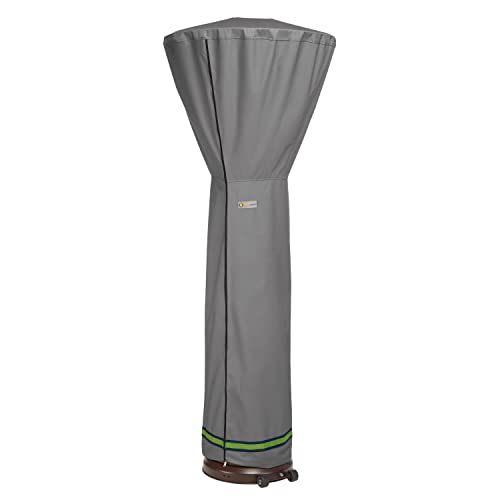
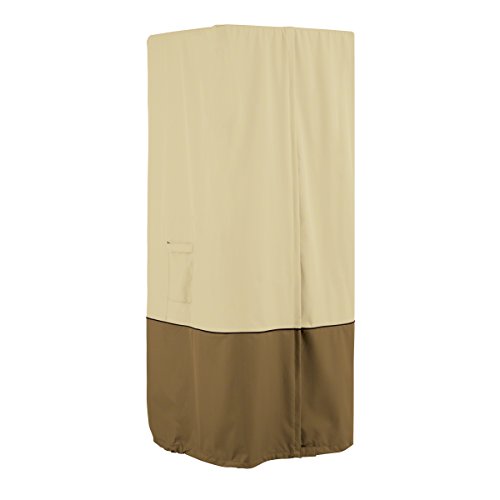
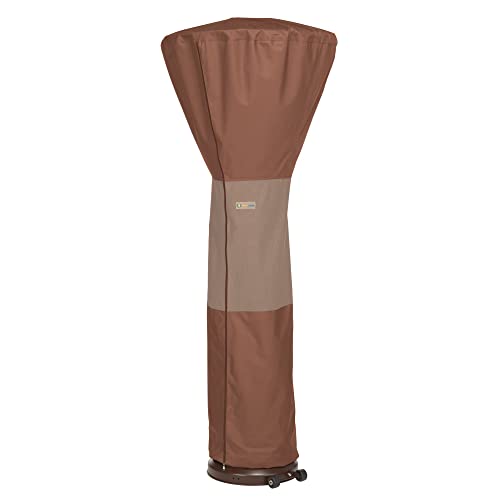
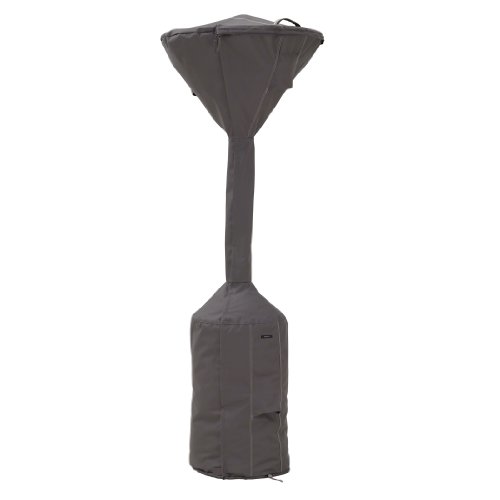
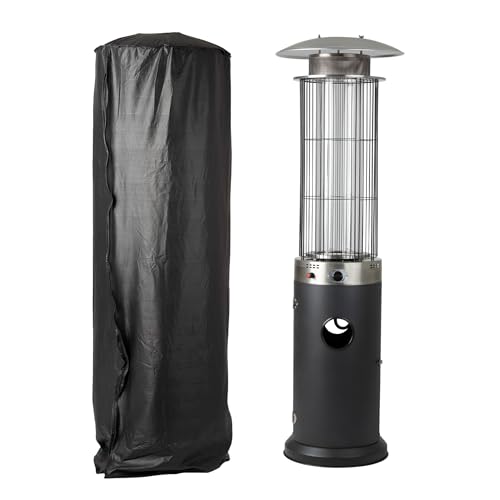
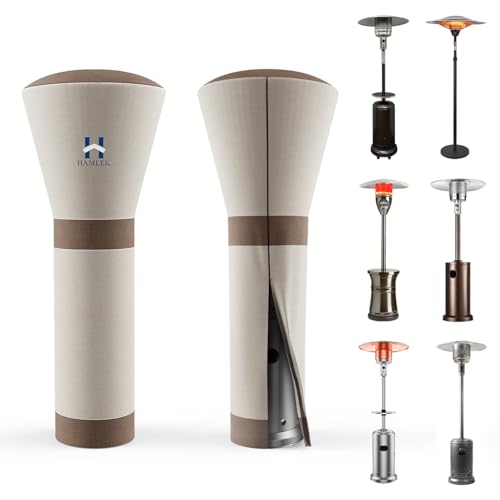
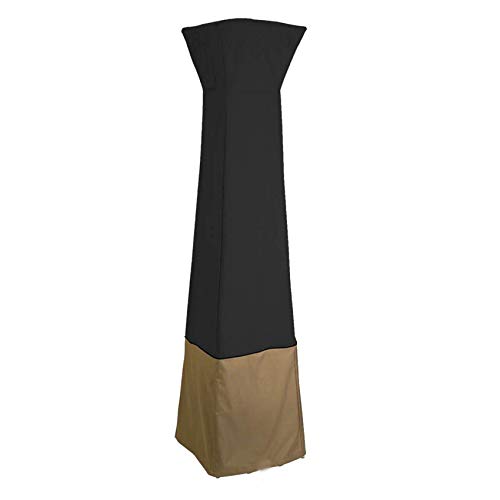
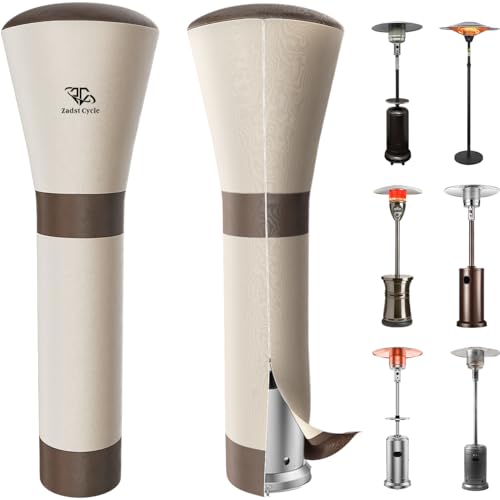
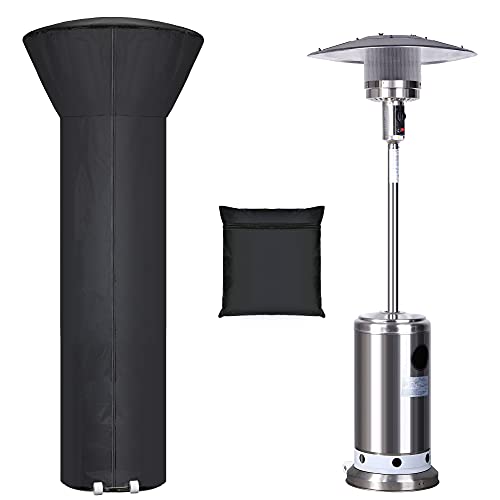
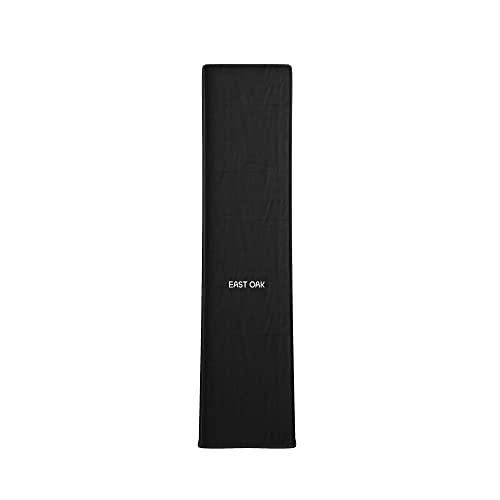
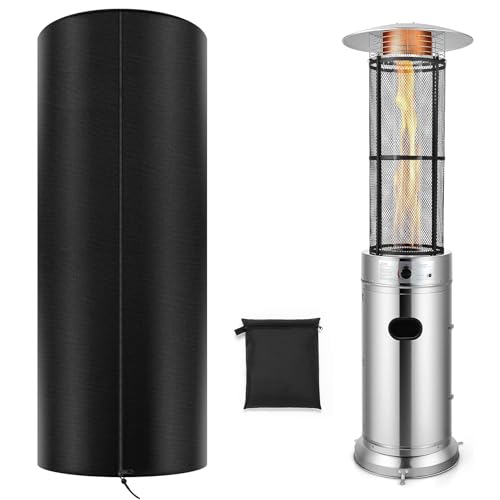
A standup patio heater is one of the few pieces of outdoor equipment that stays parked outside through rain, sun, and overnight dew almost year round, since hauling an eight-foot heater in and out of storage every evening isn't realistic on most patios. The best patio standup heater cover is built specifically for that tall, narrow silhouette, following a wide base up through a slim pole to a dome or hood at the top instead of just draping over it the way a furniture cover would. Because the shape is so different from a table, chair, or grill, this kind of cover needs its own features: a fit that follows the taper, closures that hold against wind at height, and venting that keeps moisture away from the parts inside. Here's what actually matters when choosing one, from measuring correctly to knowing when it's safe to put the cover on.
Why a Standup Heater's Shape Complicates Cover Fit
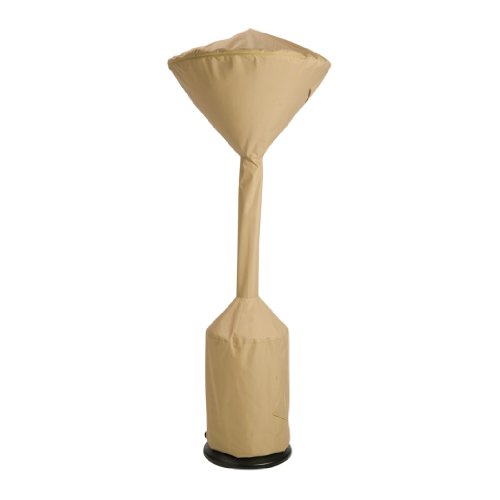
Furniture covers mostly need to drape over a wide, low shape and cinch at the bottom. A standup heater is the opposite problem: a wide base narrows into a slender pole, then flares back out into a dome or mushroom-style hood at the very top. A cover cut for a straight cylinder or a boxy shape, the kind that works fine on a patio table, tends to bunch awkwardly around the pole or leave the dome exposed on a heater.
Measure Every Section Separately
Base diameter, pole height, and hood width rarely scale together the same way across manufacturers, so measure each one on your own unit rather than estimating from the overall height. Round up slightly on each number. A little extra room around the hood clears igniter buttons and control knobs far more easily than a cover stretched tight across them.
Look for a Drawstring at Both Ends
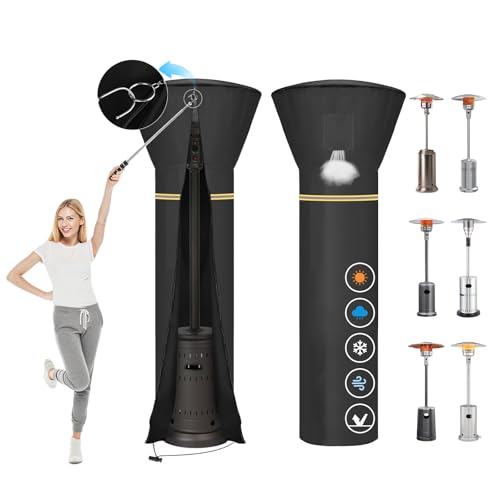
Most furniture covers only need a cinch at the bottom hem, but a standup heater cover works best with a drawstring or elastic closure at both the base and around the hood. Securing the top keeps rain from working its way in around the dome, while the bottom closure keeps wind from lifting the whole cover off a base that sits several feet below it.
Materials That Handle Weather and Leftover Heat
Heavy woven polyester with a PVC or polyurethane backing sheds rain and resists UV fading far better than thin, uncoated fabric, and it holds up to being cinched and released season after season without cracking. Since the dome or hood catches the most direct sun and rain, that section benefits from the heaviest coating even if the base skirt uses a slightly lighter weight to save on cost. Getting this part right matters more here than on most outdoor covers, since a best patio standup heater cover made from the wrong material tends to fail at the dome first.
Give the Heater Time to Cool First
A propane burner or an electric heating element can hold residual heat well after you turn the unit off, often longer than you'd expect for something that size. Draping synthetic fabric over a dome or reflector that's still warm can scorch or melt the lining, and on a gas unit it also traps residual fumes against the fabric. Waiting until the heater is cool to the touch, whether it's a propane model or one of the electric patio heater designs, avoids both problems.
Seam Quality Matters More Than It Looks
Taped or double-stitched seams keep water out at the stress points, usually where the base meets the pole, since that transition flexes every time the cover goes on or off. A heavier fabric weight is a reasonable signal of durability, but reinforced seams at the hood and a sewn-in carry handle near the base say more about how the cover was actually built.
Keeping a Tall, Top-Heavy Cover From Blowing Off
Height works against a best patio standup heater cover in wind the same way it works against any tall, narrow object: more surface area sits exposed higher off the ground, and a base that's proportionally small compared to the total height gives wind an easy lever. A gust that would barely nudge a low table cover can catch a heater cover and pull it loose from several feet up.
Strap Placement and Anchor Points
Adjustable straps around the pole, not just at the base, help hold the cover snug against the narrowest part of the heater, which is exactly where wind has the most leverage. A small loop or grommet near the base also lets you tie the cover down to the heater's weighted base or a nearby anchor point overnight, something that matters more on a tall standup unit than it would on something closer to the ground.
The Same Problem Shows Up on Other Tall Equipment
Wind exposure isn't unique to heaters. Any tall, narrow outdoor piece faces the same physics, which is why a cover built for a vertical pellet smoker also relies on reinforced strapping rather than a simple drape design. If a cover for either type of equipment feels loose or floppy once it's on, it likely won't survive the first real gust.
Ventilation and Why It Protects What's Inside
A completely sealed cover sounds protective, but trapped humidity around a propane tank or inside an electric heater's housing speeds up rust and corrosion rather than preventing it. Covers with a small mesh vent, usually placed low on the base or partway up the pole, let built-up heat and moisture escape while still keeping out rain and debris.
Why This Matters More on Gas and Electric Units
A propane connection or an electrical control panel sitting inside a sealed, damp cover for weeks at a time is exactly the kind of slow damage that doesn't show up until the heater fails to light one evening. The same logic applies to other equipment with sensitive internal parts, which is one reason a gas smoker cover is built with similar vent placement instead of sealing everything in.
Vent Placement Shouldn't Compromise the Seal
A well-placed vent still needs a flap or mesh backing so it doesn't become an entry point for wind-driven rain. Covers that pair ventilation with a snug, drawstring-secured fit tend to outperform ones that rely on fabric thickness alone to keep moisture out.
Frequently Asked Questions
Do you need to cover a patio heater?
Yes. Rain, UV rays, and humidity all speed up rust on the burner and fade the finish over time, and a standup heater usually sits outside for the entire cool season rather than getting stored away. A properly fitted, ventilated cover slows that damage and helps the unit start reliably each time you use it.
What material works best for a patio standup heater cover?
Heavy woven polyester with a PVC or polyurethane backing offers the strongest mix of waterproofing and UV resistance for both the dome and the base. Thinner, uncoated fabric is lighter and easier to fold but wears out faster and lets more rain through during a real storm.
Can I leave the cover on my patio heater all the time?
You can leave a weatherproof, well-ventilated cover on between uses, including through most of the cool season, as long as it's secured against wind. It's still worth removing it occasionally to let the heater air out, and always take it off before lighting or turning on the unit.
How do you keep a heater cover from blowing off in strong wind?
Look for a cover with straps around the pole in addition to a drawstring at the base, and cinch both snug instead of just draping the fabric over the unit. Tying the cover down to the heater's weighted base or a nearby anchor point adds extra security during storms.
Should a patio heater cool down before you cover it?
Yes. Covering a heater before the burner or dome has fully cooled traps heat and moisture against warm metal, which can melt synthetic fabric or speed up corrosion. Turn off the gas or unplug the unit and wait until it's cool to the touch before putting the cover on.
Do propane and electric standup heaters need different covers?
Not usually, since most covers are sized to the overall shape of the unit rather than its fuel source. What matters more is matching the base diameter, pole height, and hood dimensions to your specific model, whatever powers it.
How often should a patio heater cover be replaced?
A quality cover typically holds up for two to four years of regular outdoor use, longer if it's stored indoors during the off-season. Fading, cracked coating, or torn seams around the base and hood are reliable signs it's time for a new one.
Choosing a Cover That Matches the Shape
A standup heater's height and taper make it a genuinely different fit problem than a table, chair, or grill, so a cover built for those items rarely works well as a substitute. Prioritize a snug fit through the pole, closures at both ends, and a vent that lets moisture escape, and the rest tends to fall into place. Take a few extra minutes to measure the base, pole, and hood separately before you buy, since that single step prevents most of the fit complaints people run into later.