
Best Patio Table Cover: A Complete Buying Guide
Disclosure: We may earn a commission when you buy through links on this page, at no extra cost to you. As an Amazon Associate I earn from qualifying purchases. Learn more
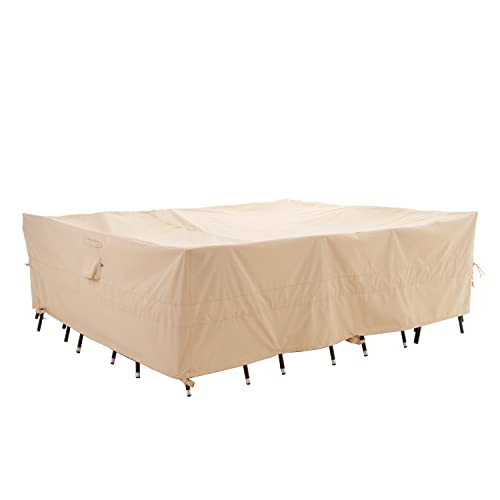
Rain leaves puddles on the surface, morning dew soaks into the grain, and a sudden gust can send a loose cushion tumbling across the yard. Leave a patio table exposed through the seasons and moisture, sun, and blowing debris start wearing it down long before the frame itself gives out. A well-fitted patio table cover stops that damage before it starts, but only if it actually matches your table's shape, size, and setup. A cover cut for a round bistro table won't work on a rectangular dining set, and a cover with no umbrella hole is useless if your table has a built-in umbrella base. This guide walks through how to pick the right shape, material, and fit so the cover you buy actually stays put and protects the table underneath it.
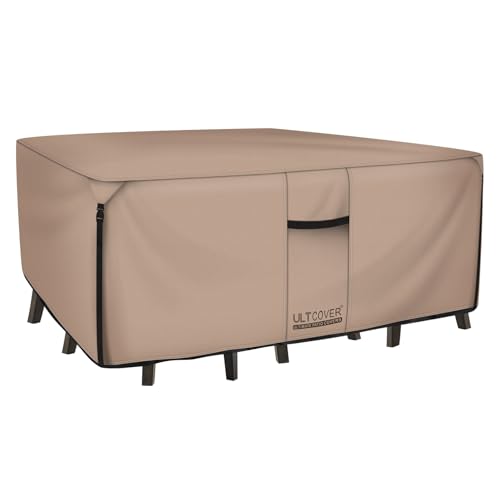
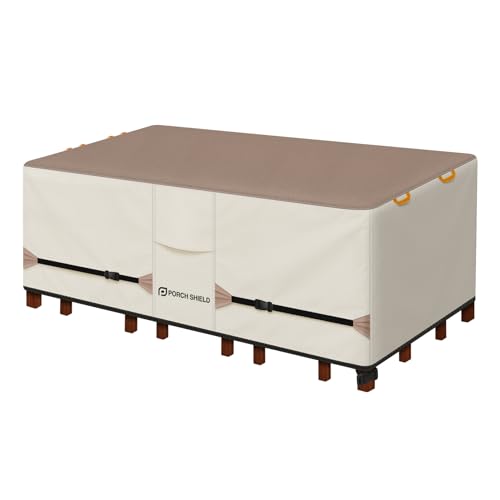

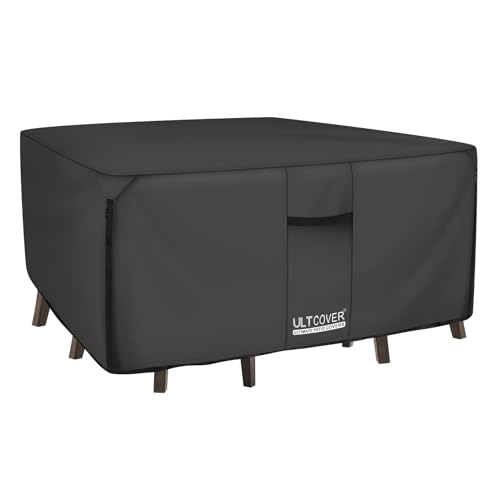
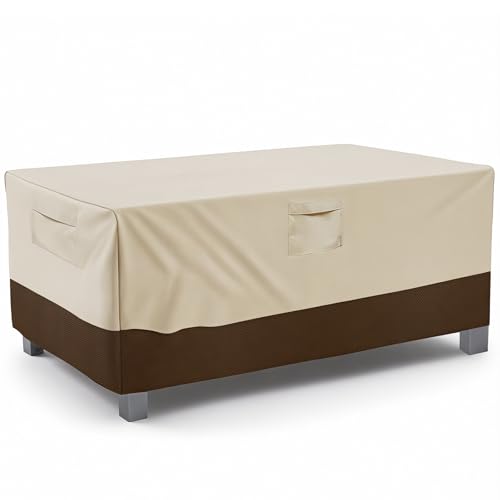

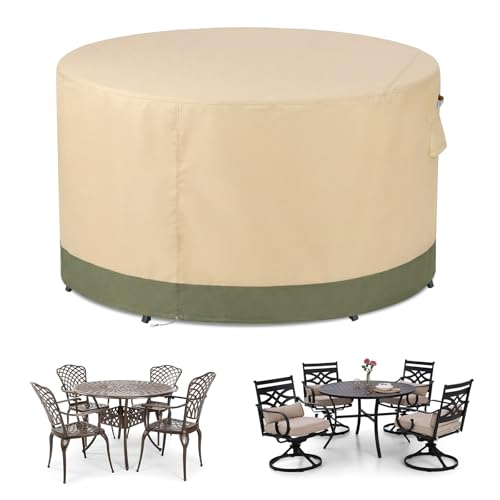
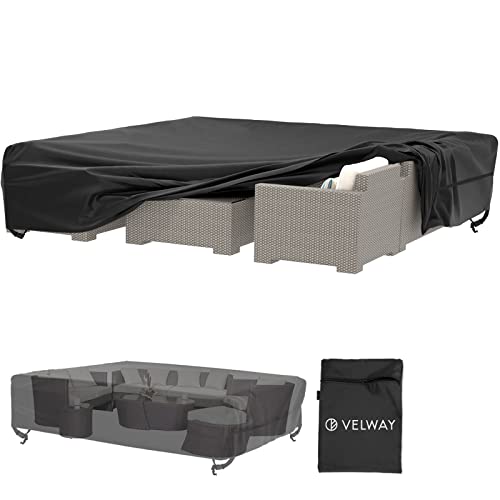
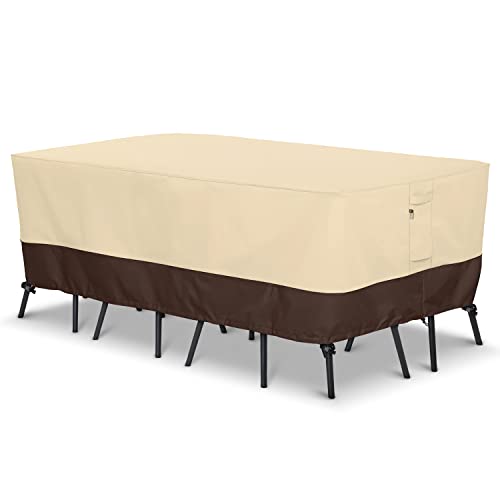
Match the Cover to Your Table's Shape and Size
Patio table covers are cut to specific shapes, and a mismatch is the most common reason a cover looks baggy, lets water pool in the folds, or won't reach the ground at all. Start by identifying whether your table is round, square, rectangular, or oval, then measure before you shop instead of relying on the table's advertised dimensions.
Round and Square Tables
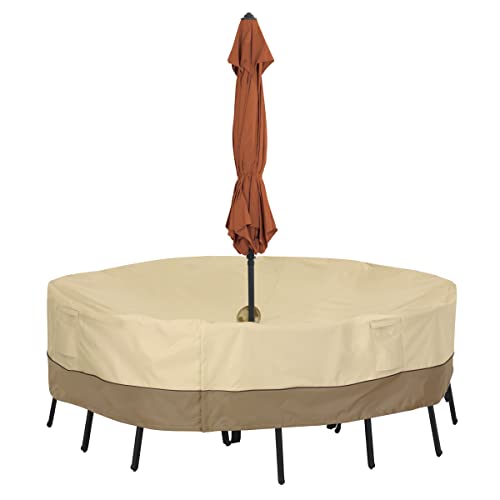
For a round table, measure the diameter at the widest point of the tabletop rather than at the base. Square tables use the same approach, measuring corner to corner across the flat surface. Add a couple of inches to whatever number you land on so the cover has room to close over the edges without straining the seams.
Rectangular and Oval Tables
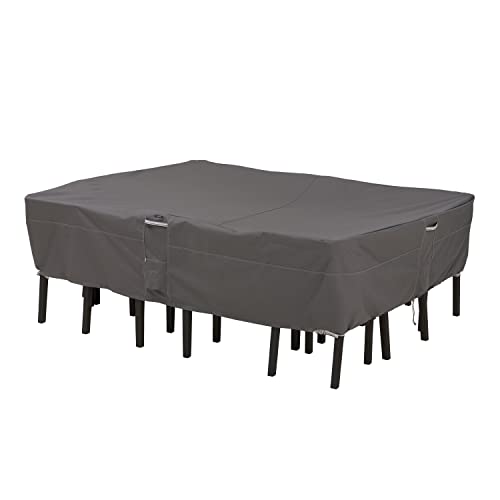
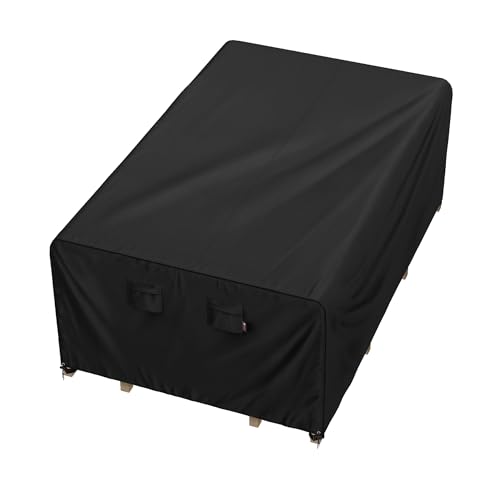
Rectangular and oval tables need length, width, and height, and all three matter because the cover has to drape over the ends as well as the sides. If you own one of the larger rectangular patio dining tables built for six or eight seats, double check the cover's listed height too. A cover that's too short leaves the legs and lower frame exposed to splashing rain.
Table and Chair Set Covers vs. Table-Only Covers
Some covers wrap the table and its pushed-in chairs as one piece, while others are sized for the tabletop and base only. A combined set cover saves you from fitting a separate cover to each chair, but it only works if your chairs actually tuck fully under the table. If yours don't, a table-only cover paired with individual chair covers usually fits both pieces better.
Umbrella Hole: Do You Need One?
Not every patio table cover needs this feature, but if your table has a hole through the center for an umbrella pole, ignoring it when you shop leads to a cover that won't lie flat or lets rain run in around the pole every time you take the umbrella out.
Covers With a Zippered Umbrella Hole
Covers built for umbrella tables have a reinforced opening in the middle with a zipper or cinch closure around it. That closure is what keeps water from running down the pole and pooling on the tabletop underneath. Check that the opening sits in the same spot as your table's umbrella hole, since off center holes are common on rectangular sets.
Covers Without a Hole
If you store the umbrella separately or use a freestanding umbrella base instead of a table with a built-in hole, a solid cover with no opening gives better protection, since there's no gap for water or insects to get through.
Fitting the Cover Around an Umbrella Pole Without Gaps
Even with a zippered hole, a loose fit around the pole lets wind push the fabric open. Look for a drawcord or elastic cinch at the opening itself, not just at the bottom hem of the cover, so you can pull the fabric snug against the pole.
Fabric Weight and Weatherproofing That Actually Hold Up Outdoors
The fabric is what determines whether a patio table cover survives one season or five. Denier count, which measures the thickness of the threads, is the easiest number to compare between covers.
Denier Rating and What It Means for a Table Cover
A lighter 300 to 420 denier fabric works fine in mild climates with occasional rain, but anywhere that gets real wind, heavy rain, or snow calls for 600 denier or higher. Thicker fabric also resists tearing when it rubs against a table's metal legs or a stone paver underneath it.
UV-Resistant Coatings and Fade Prevention
Sun exposure breaks down cheap fabric faster than rain does, turning it brittle and fading the color within a season. A cover with a UV-resistant coating holds its water resistance and color much longer, which matters most for tables that sit in full sun rather than under a covered patio.
Vents That Prevent Condensation and Mildew
A fully sealed cover traps the moisture that naturally rises from a damp tabletop or wet ground underneath it, and that trapped moisture turns into mildew fast. Covers with a mesh vent or two let that air escape without letting rain back in, which matters most if you leave the cover on for weeks at a time.
Keeping the Cover From Blowing Off in the Wind
A patio table cover that isn't anchored to something solid eventually ends up in the yard or the neighbor's fence, because a flat tabletop covered in fabric acts like a sail once the wind picks up.
Drawcords, Buckle Straps, and Under-Table Anchors
A drawcord alone, cinched at the bottom hem, is enough for calm patios, but buckle straps that clip underneath the tabletop or around a table leg hold up much better once gusts pick up. Threading the strap around the base rather than just the legs gives the cover less to catch on and pull loose.
Adding Weight for Extra-Windy Patios
On an exposed deck or a patio near open water, straps alone might not be enough. A cover with built-in corner pockets for sand bags or small weights keeps the bottom edge pinned down without tying the cover to anything permanent.
Protecting Glass, Wood, and Metal Tabletops From Wear
The underside of the cover sits directly against the tabletop every time the wind lifts and drops it, and that friction is where a lot of surface damage actually starts.
Soft-Lined Undersides for Glass and Painted Metal Tops
Glass tops and powder-coated metal patio furniture both scratch more easily than most people expect. A cover with a soft, felt-like lining on the underside adds a cushioned layer between the fabric shell and the tabletop, which matters far more than the outer material does for preventing marks.
Avoiding Trapped Grit That Scratches Finishes
Dust and sand that settle on the tabletop before you cover it act like sandpaper once the fabric shifts against the surface. Wiping the table down before covering it takes a minute and prevents most of the fine scratching that shows up on glass and painted finishes over time.
Frequently Asked Questions
How do you measure a patio table for a cover?
Measure the diameter for round tables, or the length and width for square, rectangular, and oval tables, at the widest points of the tabletop. Add a couple of inches so the cover can close over the edges, and check the listed height separately so it reaches the ground.
Do I need a cover with a hole for the umbrella?
Only if your table has a built-in umbrella base with a hole through the center. If you use a separate freestanding base or don't use an umbrella at all, a solid cover with no opening offers better protection.
Can you leave the umbrella open with the cover on?
No. Covers are designed to close over a bare tabletop, and forcing one around an open umbrella pole strains the seams and leaves gaps where rain gets in.
What material is best for a patio table cover?
Polyester or Oxford fabric rated at 600 denier or higher, with a waterproof coating and UV protection, holds up best against sun, rain, and wind across multiple seasons.
How do you keep a patio table cover from blowing away?
Use buckle straps that clip under the table or around the base rather than relying on the bottom drawcord alone, and add weight in exposed or windy locations.
Will a fabric cover scratch a glass tabletop?
A cover with a soft, lined underside won't scratch glass. Wiping dust and grit off the table before covering it also prevents the fine scratching that shows up over time.
How often should you replace a patio table cover?
Most covers last two to four seasons of regular use before the fabric starts to crack or lose its water resistance. Replace it sooner if you notice tearing at the seams or the coating peeling away.
Making the Right Call for Your Patio Table
The right patio table cover comes down to matching shape and size first, then checking the umbrella hole, fabric weight, and securing method against how exposed your patio actually is. Get those details right and the cover pays for itself by keeping the table underneath looking new for years instead of one season.


