Best Hammock with Steel Stand: A Complete Buying Guide
Disclosure: We may earn a commission when you buy through links on this page, at no extra cost to you. As an Amazon Associate I earn from qualifying purchases. Learn more
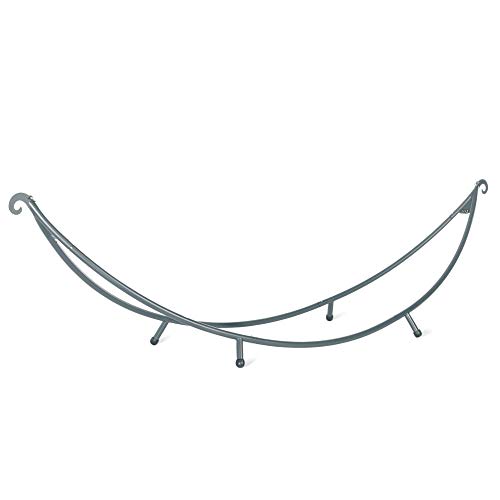
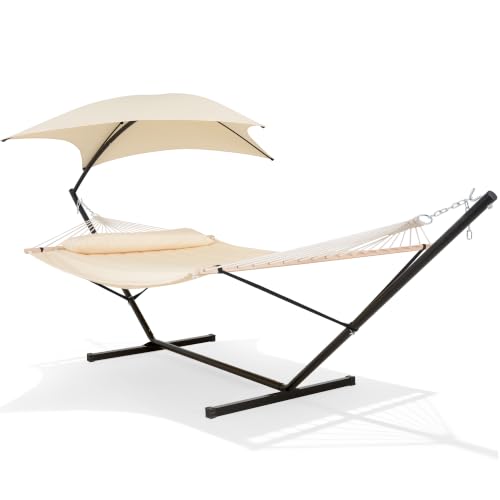
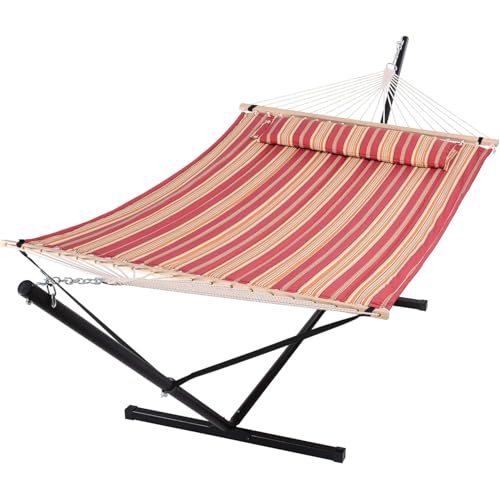
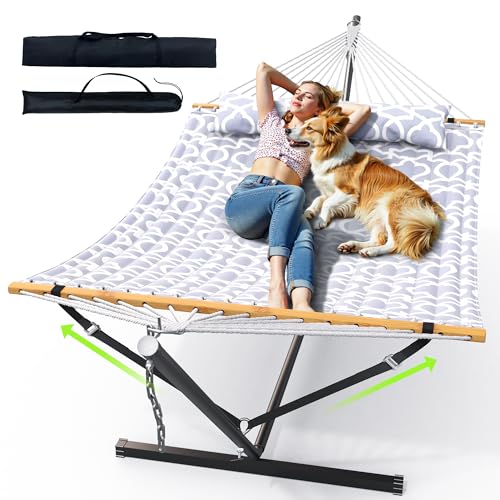
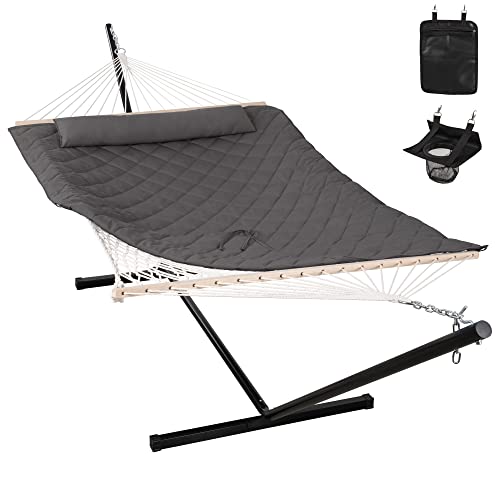
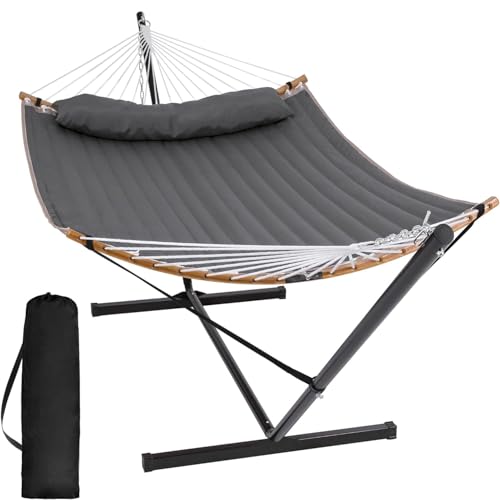
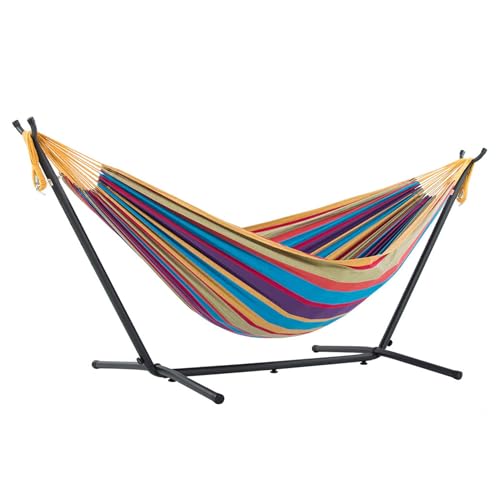
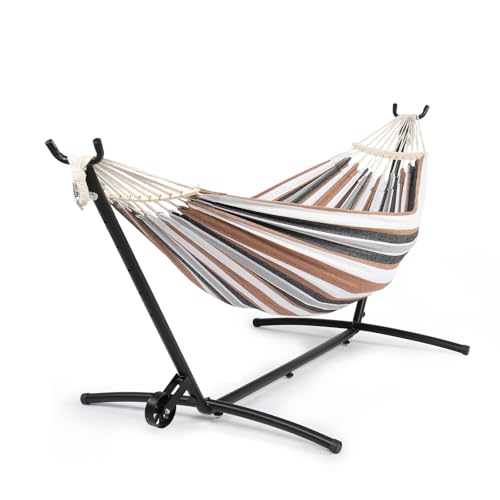
A hammock with a steel stand solves the biggest headache of hammock ownership: finding two trees the right distance apart. Steel frames give you a ready-to-use setup on a patio, deck, or open lawn, and they tend to be lighter and cheaper than wood alternatives while still holding serious weight. The tradeoff is that bare metal can rust if it's left out in the rain, so the finish and tube thickness matter more than they do with a wooden frame. This guide walks through the specs worth checking, how steel stacks up against wood, how to size a frame correctly, and how to keep the metal looking new for years. By the end you'll know exactly what separates a stand that sags and squeaks from one that holds up through every season.






Frame Specs That Actually Predict Durability
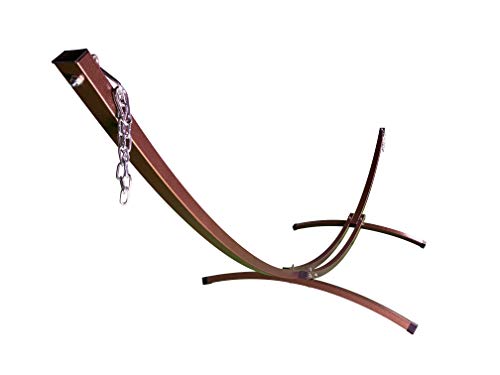
Not all steel tubing is built the same, and the gauge (thickness) of the metal has more to do with long-term stability than the stated weight capacity. Thicker tubing resists bending and flexing under repeated use, especially at the curved ends where stress concentrates every time someone climbs in.
Weight capacity numbers on the box are usually tested under static load, not the bouncing and shifting that happens in real use. A safe rule is to look for a capacity at least 30 percent higher than the heaviest person or combined weight you expect to put on it regularly. Two adults sharing a double hammock should look for stands rated 500 pounds or more.
Joints and Hardware
Bolted connections tend to loosen over time, so check whether the stand uses thick gauge bolts and locking hardware rather than thin pins. Powder coated joints resist scratching during assembly, which matters because bare metal exposed during setup is where rust usually starts first.
Steel or Wood: Picking the Right Material for Your Yard
A hammock with a steel stand generally weighs less than a comparable wood-framed setup, which makes it easier to carry, reposition, or store for winter. They're also usually more budget friendly since manufactured tubing is cheaper to produce at scale than milled lumber. If portability and price are priorities, steel is typically the better fit.
Wood stands, on the other hand, tend to look more like permanent furniture and don't need touch-up paint if a joint gets scuffed. If your yard has a more rustic or natural aesthetic, it's worth comparing options like a wood-framed hammock stand before settling on metal. For most people who move their hammock seasonally or live somewhere with limited storage, steel remains the more practical choice.
Matching Stand Length to Your Hammock
A stand that's too short will pull your hammock taut and flat, cutting into the deep sag that makes hammocks comfortable in the first place. A stand that's too long leaves excess fabric bunching at the ends. Most single hammocks in the 9 to 10 foot range pair well with a 13 to 15 foot stand, while larger double hammocks usually need a stand in the 15 to 16 foot range.
Before buying, measure the total footprint the stand will occupy, including the curved feet that splay out for stability. A stand rated for a 13 foot hammock can still take up nearly 15 feet of floor space once the base spread is factored in, so leave extra clearance on both ends.
Keeping Rust Off a Metal Frame
Powder coating is the main defense against rust on any outdoor steel frame, and a thicker, evenly applied coat will outlast a thin factory spray by years. Chips in the coating expose bare metal underneath, so touch up any nicks with a rust-resistant paint pen as soon as you notice them rather than waiting until surface rust spreads.
Humid climates and coastal areas accelerate corrosion even on coated steel, so stands used near saltwater benefit from a breathable cover or indoor storage during the off season. Wiping down joints after heavy rain and avoiding standing water under the feet also helps. A frame stored dry through winter will hold its finish far longer than one left assembled outdoors year round.
Foldable Frames for Storage and Portability
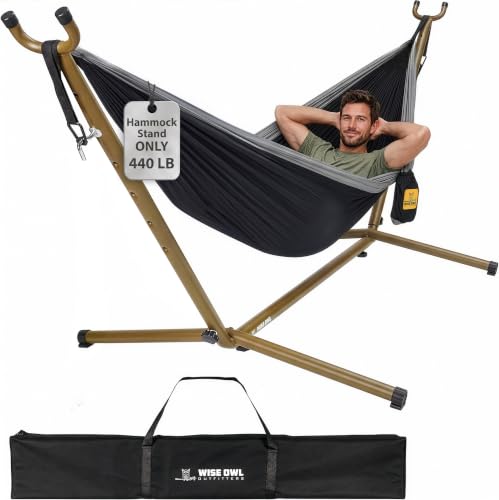
Many steel stands fold flat or collapse into a compact bundle, which is a real advantage if you want to move the setup between the patio and a shed depending on the season. Folding hinges add a moving part that can wear over time, so check that the locking mechanism feels solid before buying rather than after it's already loose.
Fixed, non-folding frames tend to be sturdier overall since there's no hinge to develop play, but they're harder to relocate or tuck away. If you camp or travel with your hammock occasionally, a folding steel stand that breaks down into a carry bag is worth the small tradeoff in rigidity.
Frequently Asked Questions
How much weight can a steel hammock stand typically hold?
Most residential steel stands are rated between 400 and 700 pounds, with heavier-duty models built for two people going higher. Always check the manufacturer's rating rather than assuming based on the frame's appearance.
Will a steel stand rust if I leave it outside all year?
Powder coated steel resists rust much better than bare metal, but constant rain and humidity will eventually wear down any coating. Covering the stand or storing it during wet seasons extends its life significantly.
Is a steel stand better than hanging a hammock between trees?
A stand gives you a fixed, portable setup that doesn't depend on finding trees the right distance apart, which makes it more practical for patios, decks, and yards without mature trees. Tree hanging can offer a wider sag angle but requires suitable anchor points.
How do I know what size stand fits my hammock?
Check both the hammock's total length and the stand's rated hammock size range, then compare against your available floor space. A mismatch in either direction affects both comfort and how much the fabric sags.
Can I leave a steel hammock stand assembled through winter?
It's possible in mild, dry climates, but freeze-thaw cycles and prolonged moisture speed up rust even on coated frames. Disassembling and storing it indoors, or at minimum using a weatherproof cover, is the safer option.
Are folding steel stands as sturdy as fixed ones?
Quality folding stands with solid locking hinges can be just as sturdy as fixed frames for typical use, though the hinge point is the first area to check for wear over time. Cheaper folding mechanisms tend to develop play faster than a one-piece frame.
What tools do I need to assemble a steel hammock stand?
Most kits include the necessary bolts and an Allen wrench or basic wrench, and assembly typically takes 20 to 40 minutes for two people. Having a second person hold the frame steady while tightening bolts makes the process noticeably easier.
Setting Up a Stand That Lasts
A well-chosen hammock with a steel stand can outlast the fabric itself if you pay attention to tube gauge, coating quality, and proper sizing from the start. Regular maintenance like touching up chipped paint and storing the frame during harsh weather keeps rust from ever becoming a problem. With the right frame matched to your hammock's dimensions, you'll get a stable, comfortable setup wherever your yard allows.