Best Outdoor Solar Lights: A Complete Buying Guide
Disclosure: We may earn a commission when you buy through links on this page, at no extra cost to you. As an Amazon Associate we earn from qualifying purchases. Learn more

Not every dark corner of a yard needs a spotlight. A brick walkway, a garden border, or a pergola over the patio usually just needs a soft glow that outlines the space after sunset, not the kind of bright burst you'd want at a side gate or a driveway. The best outdoor solar lights for these spots are built around a different goal than security or flood lighting: low, warm light that runs on nothing but sun and makes a yard feel finished at night. This guide focuses on that decorative and pathway category, how to pick between stakes, strings, and lanterns, what actually shortens their lifespan, and how to get a better glow without chasing lumen numbers that were never the point to begin with.

Why Ambient Solar Lighting Plays a Different Game Than Security Lighting
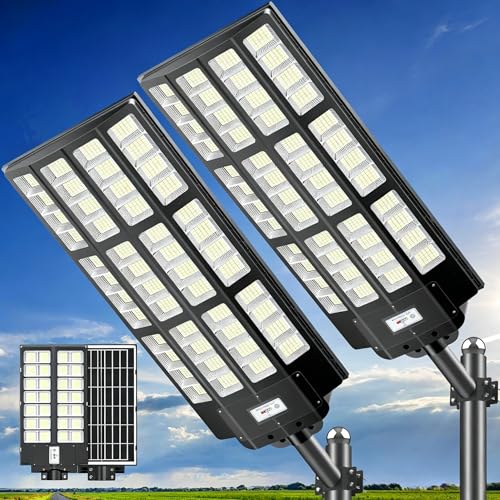
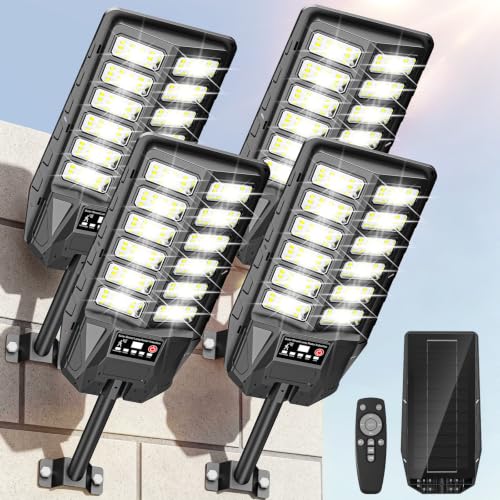
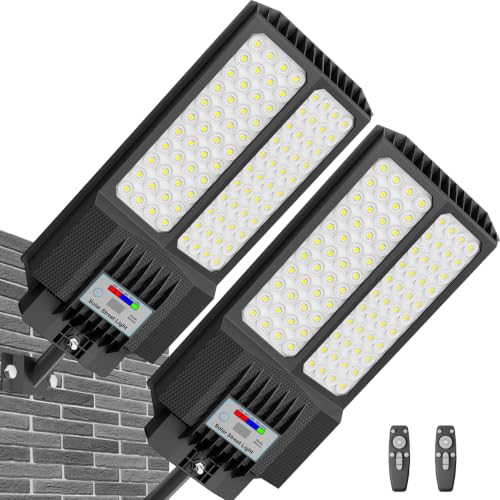
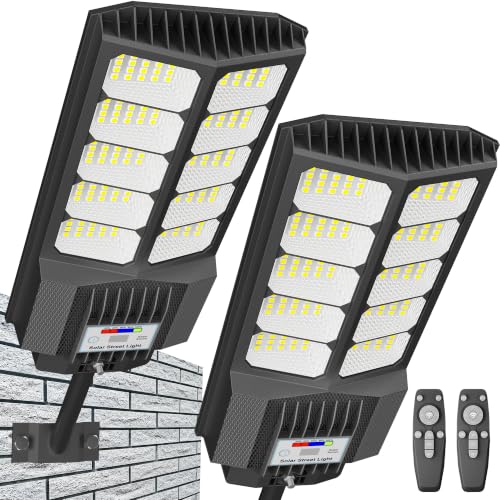
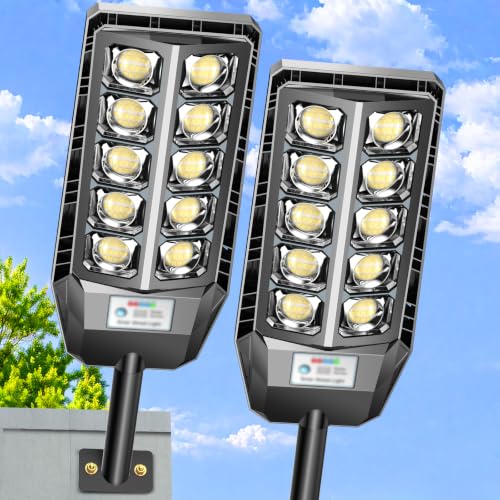
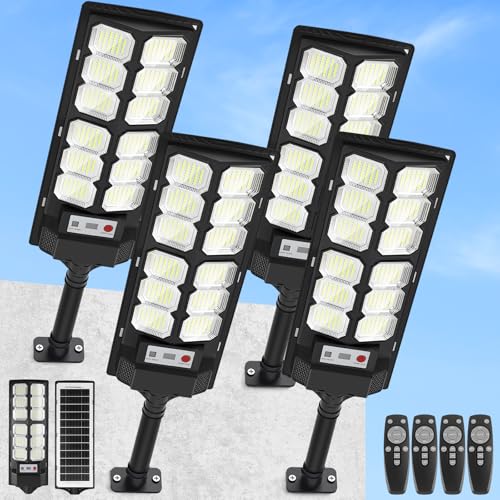
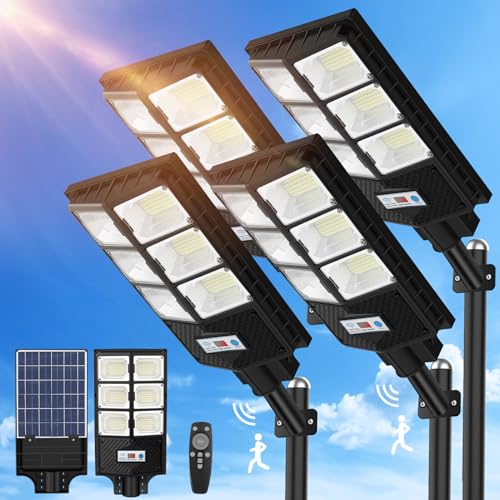
It's easy to shop for pathway lights the same way you'd shop for a motion-sensor floodlight, checking the lumen count first and assuming higher is better. That logic falls apart here. A fixture meant to line a walkway or hang over a patio is doing its job at 10 to 40 lumens, since the goal is defining edges and adding warmth, not lighting up a stretch of yard for a security camera. Fixtures built for that brighter, motion-triggered job belong to a different category entirely; if that's actually what you need near an entry point or a side yard, a solar flood light with a dedicated sensor and higher output will serve you far better than a string of decorative lights ever could. Keeping that distinction straight before you shop saves you from either overpaying for brightness you don't want along a garden bed or underbuying when you actually needed something closer to a security fixture.
Warm color temperature matters more in this category too. Anything above about 3000 Kelvin starts to look clinical against grass, brick, or wood, while a warmer 2200 to 2700 Kelvin tone blends into a backyard the way a porch light or string of café bulbs would.
Pathway Stakes, String Lights, or Lanterns: Matching the Style to the Space
The three most common decorative styles solve different problems, and picking the wrong one for the space is the most common reason people end up disappointed.
Solar Pathway Stakes
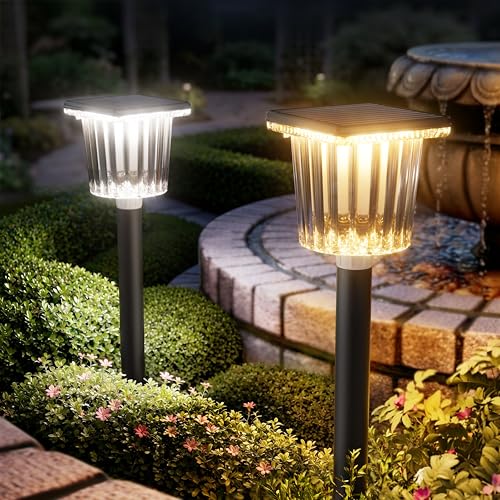
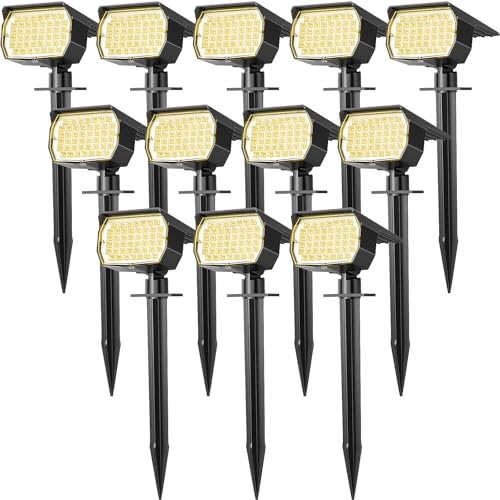
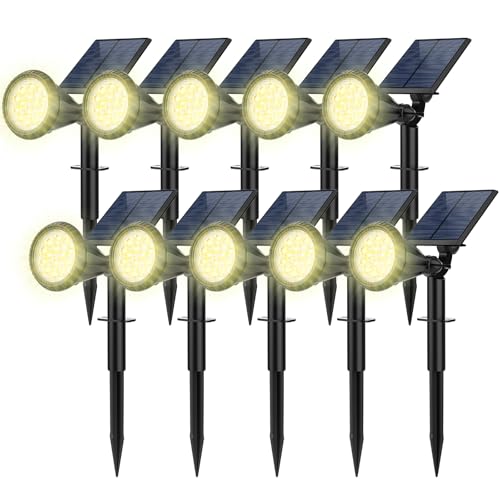
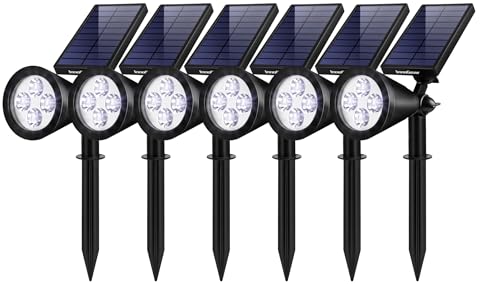
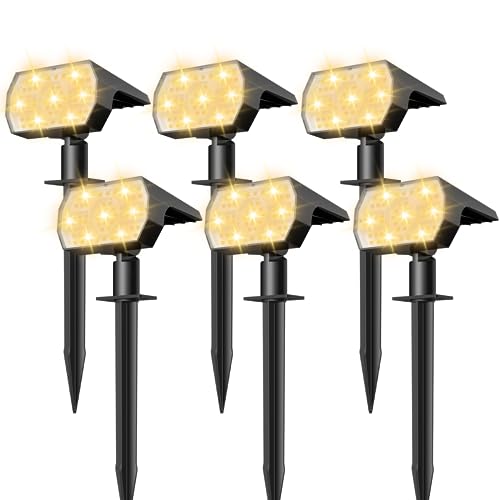
These push into soil along a walkway, driveway edge, or garden border and cast a small downward pool of light every few feet. They're the easiest style to install since there's no mounting hardware involved, and spacing them 6 to 8 feet apart usually reads as a continuous line without looking cluttered. If you want a version built specifically for this job rather than a generic all-purpose light, dedicated solar pathway lights tend to have better lens design for throwing light downward instead of glaring outward.
Solar String Lights
Strung along a pergola, fence line, or patio railing, string lights add overhead ambiance rather than ground-level definition, which makes them the better pick for a seating or dining area. Look specifically at solar-powered outdoor string lights built with sealed, waterproof bulb housings rather than exposed glass, since that construction detail is what separates a set that survives a few storms from one that shorts out after the first heavy rain.
Solar Lanterns and Post Cap Lights
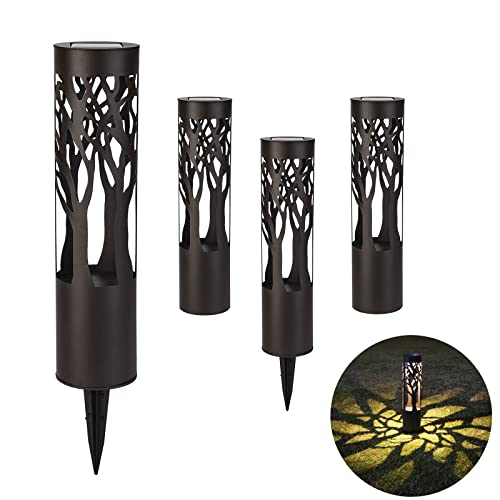
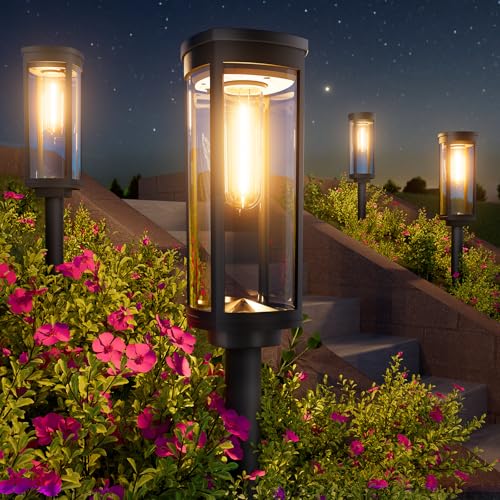
Tabletop lanterns and hanging fixtures work well on a patio table or hook, while post cap lights sit flush on top of fence posts or deck railings for a low, even glow along a structure. If you already have square fence or deck posts, solar post cap lights are worth checking against your post dimensions before buying, since fit varies more between brands than most shoppers expect.
What Actually Kills Solar Pathway Lights Before Their Season Is Over
A common complaint from yard owners is that a set of solar lights looked great for a few months and then quietly died, and the cause is almost always the battery rather than the LED or the panel. Rechargeable batteries lose a real chunk of their output in cold weather, with performance dropping roughly 30 to 40 percent once temperatures fall into the 20s Fahrenheit compared to a mild 70-degree day. Combine that with shorter winter daylight, sometimes only 4 to 5 usable hours of sun in northern states in December versus 10 or more in June, and a light that ran 8 to 10 hours in summer can end up lasting only an hour or two once the days get short.
Battery chemistry plays a role too. Older NiMH cells fade faster and hold less capacity as they age than lithium-ion batteries do, so checking which type sits inside a fixture before buying is worth the extra minute. Moisture is the other slow killer: rubber gaskets around the battery compartment degrade over a few seasons, and once water reaches the contacts, corrosion sets in and the light stops holding a charge even on a sunny day. An IP65 rating or higher, paired with a battery compartment that's genuinely sealed rather than just snap-fit, is what separates a set that survives multiple winters from one that needs replacing every year.
Getting More Glow Without More Watts: Placement and Setup Tips
Plenty of buyers assume their pathway lights are underpowered when the real problem is placement. A panel that sits in partial shade for even half the day charges far less than one in full sun, and that shortfall shows up directly in how dim or short-lived the light looks that evening. Before assuming you need a brighter fixture, check that nothing, a fence, a shrub, an overhang, is blocking the panel during peak daylight hours, and angle stake lights so the solar cell faces the sun's path rather than straight up if the fixture allows adjustment.
Spacing also does more work than brightness. A line of dim pathway lights spaced evenly every few feet reads as a clear, continuous route at night, while the same lights scattered unevenly or spaced too far apart leave dark gaps that make a path look broken rather than dim. For anyone who genuinely needs enough light to see footing clearly, not just outline a path, pairing a few brighter solar ground lights near steps or uneven terrain with dimmer stake lights along the flatter stretch tends to work better than replacing the whole set with high-lumen fixtures that no longer match the yard's look.
Quick Answers Before You Buy
How bright should decorative solar pathway lights be?
Most work well between 10 and 40 lumens for defining a path or garden edge. Anything brighter starts to compete with landscape features instead of accenting them, and that higher output is better suited to security-focused fixtures.
Will solar string lights survive winter left outside?
Sealed, waterproof-rated sets generally handle a season outdoors fine, though performance and battery life still drop in cold weather like any solar fixture. Bringing them in during extended snow or ice isn't required but does extend their lifespan.
Why do my solar lights look dimmer than when I bought them?
Battery capacity naturally declines over repeated charge cycles, and dust or grime on the panel surface cuts charging efficiency too. Wiping the panel clean every few weeks and replacing batteries every year or two usually restores most of the original brightness.
Can I mix pathway lights with brighter security lighting in the same yard?
Yes, and it's usually the better approach. Use decorative stakes, strings, or lanterns for garden beds and patios, and reserve motion-activated flood or spotlight fixtures for entryways and areas where deterrence actually matters.
Setting the Right Expectations for a Low-Voltage Glow
The best outdoor solar lights for a walkway, garden bed, or patio aren't chasing the same lumen count as a security fixture, and shopping for them with that mindset leads to disappointment either way. Pick the style that matches the space, pay attention to battery type and sealing since those decide how many seasons a set survives, and give every panel real, unobstructed sun. A yard lined with warm, evenly spaced decorative lighting does more for how a space feels at night than a single overly bright fixture ever will, and it does it without a single wire run across the lawn.