
Best Post Hole Diggers: Every Type Explained Side by Side (2026)
Disclosure: We may earn a commission when you buy through links on this page, at no extra cost to you. As an Amazon Associate I earn from qualifying purchases. Learn more

Every type of post hole digger compared, from clamshells and hand augers to electric and gas earth augers.
Building a fence, setting a mailbox or planting a row of shrubs all start with a good hole, and the tool you choose decides whether that takes an afternoon or a weekend. Clamshell diggers, hand augers, drill bits, gas augers and electric augers all promise easy digging, which makes the choice confusing. This guide to the best post hole diggers compares every main type side by side so you can see how each works and which suits your project.
The right type depends on how many holes you need, your soil and your budget. Below you will find a comparison table, a closer look at each type, a head to head between the two most popular manual options and a full buying checklist.






Types of Post Hole Diggers Compared
| Type | Best For | Pros | Cons | Typical Price |
|---|---|---|---|---|
| Manual clamshell digger | A few post holes, rocky or clay soil | Cheap, no fuel, precise holes | Hard work for many holes | Around $55 to $80 |
| Hand auger | Planting, small holes in soft soil | Light, simple, quiet | Slow in clay and rock | Around $35 to $80 |
| Drill auger bit | Bulbs, small plants, quick shallow holes | Very cheap, uses your drill | Small diameter, shallow depth | Around $10 to $20 |
| Corded electric auger | Medium projects near an outlet | No gas, easy start, quieter | Needs cord, less power | Around $145 to $180 |
| Cordless electric auger | Medium projects anywhere | No cord, no fumes, reverse | Battery runtime limits | Around $300 |
| Gas powered auger | Long fences, many holes | Most power, large bits | Noise, fuel mixing, upkeep | Around $115 to $265 |
Compact Options: Hand Augers and Drill Bits
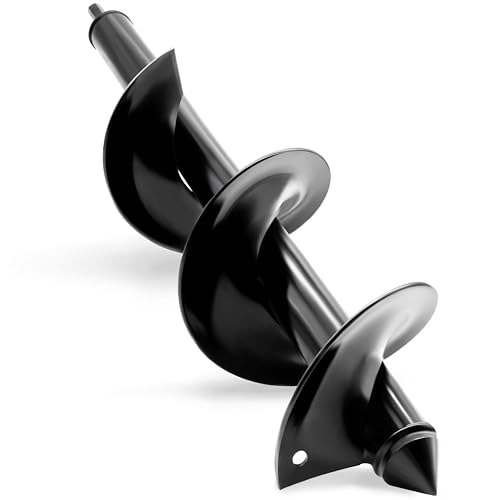
Hand augers like the Patioer 5.9 by 33 inch auger have a spiral blade and a T handle that you twist into the ground. The Patioer uses manganese steel with a rubber T handle for more torque and disassembles for storage. Drill auger bits, such as the SYITCUN 4 by 16 inch bit with a 3/8 inch hex drive, attach to a cordless drill and are made for bulbs and small plants.
These tools are light, quiet and easy to store. The tradeoff is size and power: hand augers struggle in hard clay and rocky ground, and drill bits only make small, shallow holes. They suit gardeners, people planting bulbs and shrubs and anyone with just a few small holes to dig.
Budget Options: Manual Clamshell Diggers
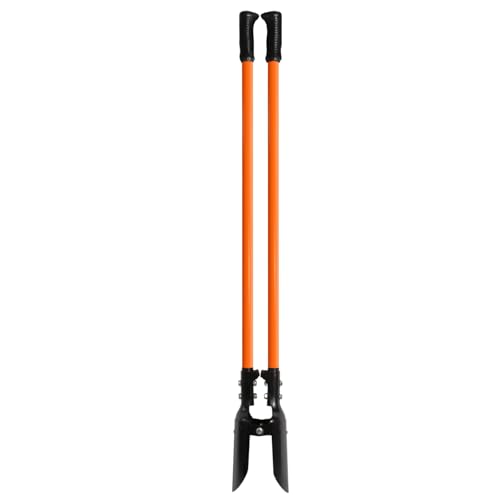
Clamshell diggers have two blades joined at a pivot. You drive the open blades into the ground, pull the handles apart to grip the soil and lift it out.
The AMES 2701600 uses a tempered steel blade, a North American hardwood handle with a measuring stick for depth and oversized cushion grips. The Nohovu digger uses carbon steel blades with thickened fiberglass handles, measures 58 inches and weighs 9.6 pounds. The Root Slayer post hole digger is another manual option built for tough ground.
Clamshells are cheap, need no fuel and dig clean, straight holes with steep sides, which is ideal for fence posts. They also work around rocks and roots better than powered augers. The downside is effort: digging many holes by hand is tiring. They suit homeowners setting a few posts, mailboxes or deck footings.
Mid Range Options: Electric Augers
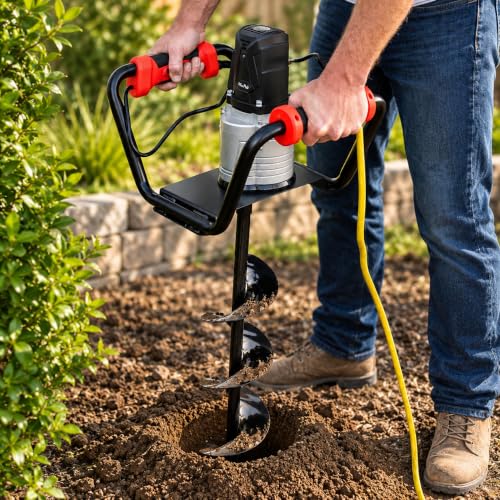
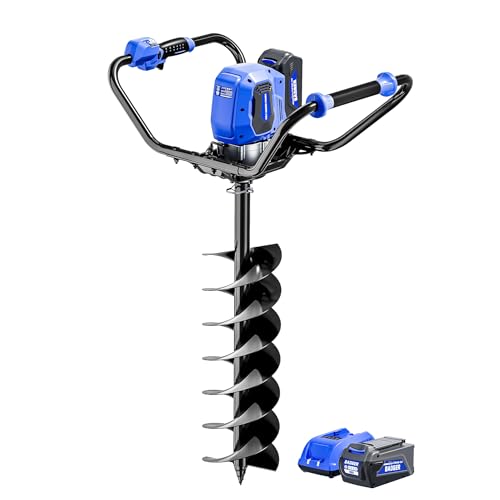
Electric augers use a motor to spin a steel bit. Corded models like the XtremepowerUS 1500W digger deliver 90 foot pounds of torque at 270 RPM with a 6 inch bit set and a safety lock, while the VEVOR 1500W electric digger drills holes up to about 5.9 inches wide and 36 inches deep. The Wild Badger Power 40V cordless auger adds a 1,600W brushless motor with up to 66 foot pounds of torque, an 8 by 31 inch bit, high and low speed, reverse to free a stuck bit and anti kickback, plus a 3 year limited warranty.
Electric augers start instantly, make less noise and need no gas mixing. Corded models need an outlet or extension cord, and cordless models depend on battery runtime. Wild Badger notes its auger is best for loose to moderate soil. They suit homeowners with a medium fence or planting project.
Premium Options: Gas Powered Augers
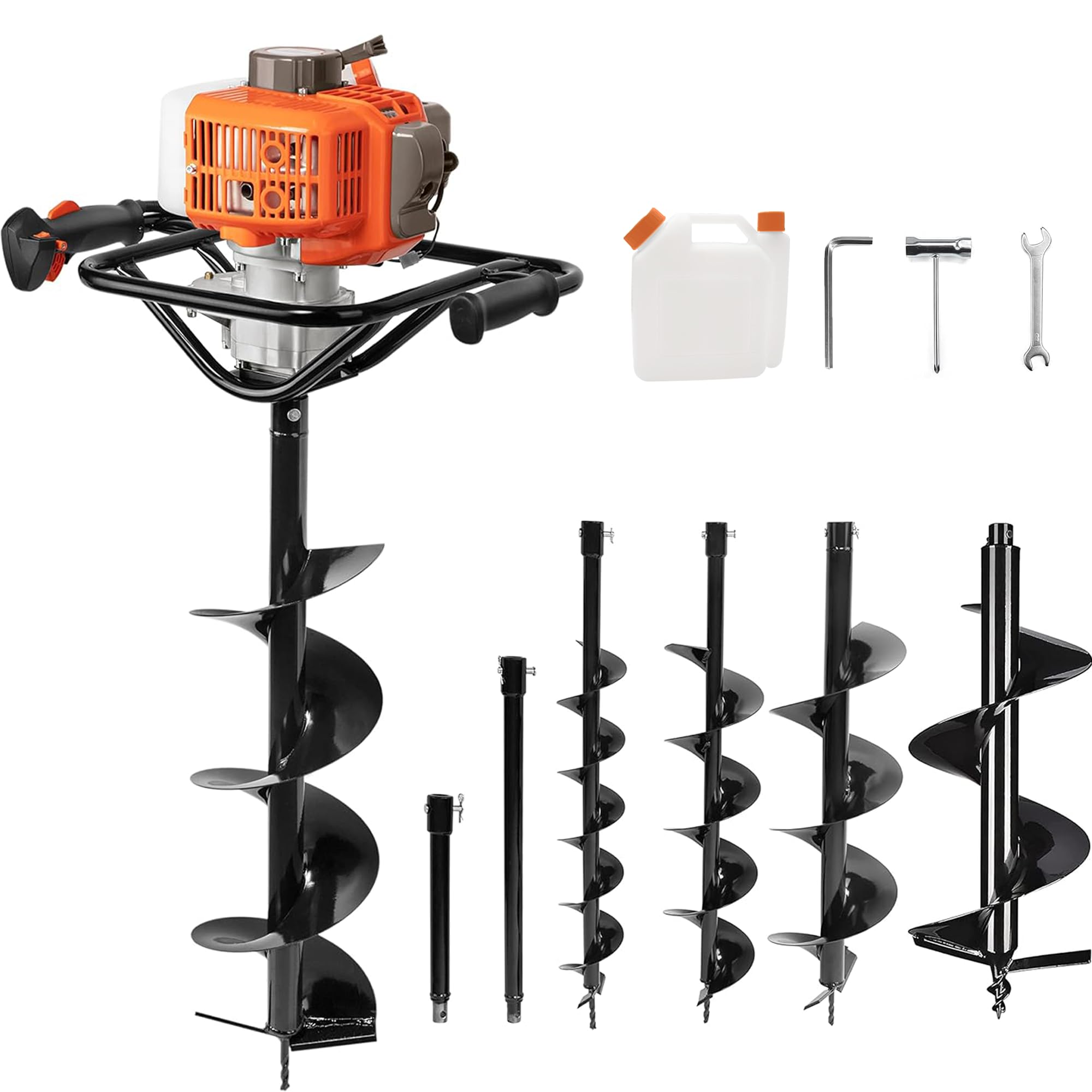
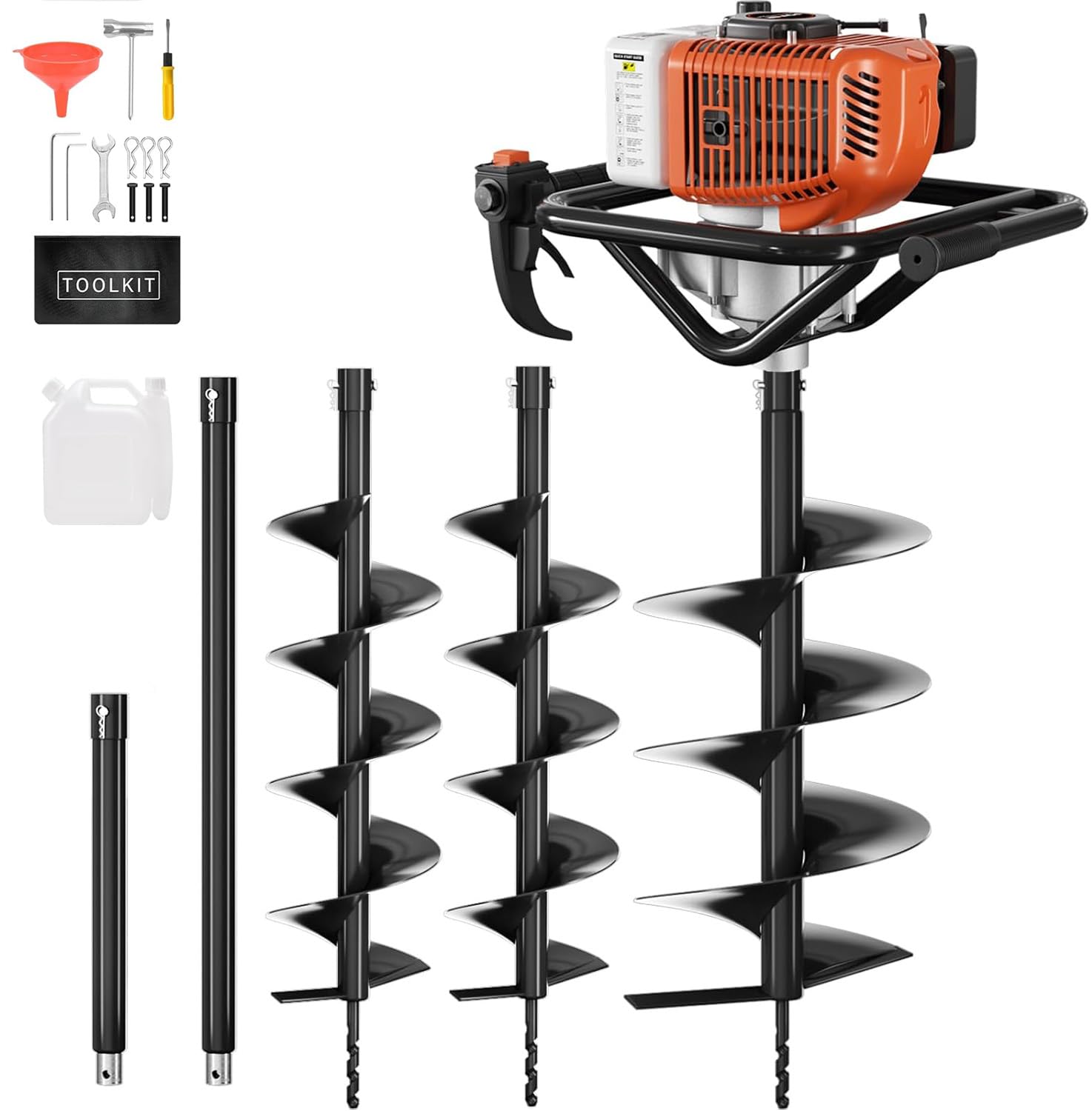
Gas augers use a two stroke engine and include the most powerful options. The DC HOUSE 52cc auger is EPA certified, includes 6 and 10 inch bits and digs to a maximum depth of about 2.6 feet with a single bit. The VEVOR 43cc auger has a 1.2 liter fuel tank and an emergency stop switch on the handle, while the PROYAMA 54cc and Baotree 72cc models offer larger engines for tougher ground.
Gas augers dig the most holes fastest and handle larger bits for big posts. The tradeoffs are noise, fuel mixing, engine upkeep and strong torque that can twist the handles if the bit hits a rock. They suit long fence lines, farms and landscapers.
Compact Options vs Budget Options: Which Should You Choose?
Comparing a hand auger with a clamshell digger on the points that matter most:
- Soil type: Clamshells handle clay, roots and small rocks better, since you can chop and lift. Hand augers work best in loose or loamy soil.
- Hole shape: Clamshells make straight, deep post holes. Hand augers make clean round holes that suit planting.
- Effort: Hand augers take less upper body strength in soft soil, while clamshells need repeated lifting.
- Depth: Clamshells with long handles reach 3 feet or more; the Patioer auger is 33.5 inches long overall.
- Price: Hand augers often cost a little less.
Choose a clamshell for fence posts and tough soil. Choose a hand auger for planting and light digging in soft ground.
How to Choose From the Best Post Hole Diggers
Key Performance Specs
For manual diggers, look at blade material and handle length: tempered or carbon steel blades and handles around 57 to 58 inches reduce bending. For powered augers, look at torque and bit size.
Torque determines how well the auger handles tough soil, with figures like 66 to 90 foot pounds on electric models. Bit diameter should match your post: 6 inch holes suit 4 by 4 posts, while 8 to 10 inch holes suit larger posts and concrete footings. Depth capacity and extension rods matter for deep frost line footings.
Maintenance and Long Term Costs
Manual diggers need only cleaning and occasional blade sharpening. Electric augers need little more than cleaning the bit and checking cords or batteries; a spare battery for cordless models adds cost.
Gas augers need fuel and two stroke oil mixed at the right ratio, spark plug changes and air filter cleaning, and DC HOUSE lists a 1:25 mixing ratio for its engine. Replacement or extra bits add cost for all powered models. Over many projects, gas augers cost the most to run.
Price vs Value
Budget tools around $10 to $80, including drill bits, hand augers and clamshells, suit a handful of holes or planting projects. Midrange electric augers around $145 to $180 make sense for 10 to 30 holes in moderate soil. Premium gas augers around $115 to $265 and cordless kits around $300 pay off for long fences, farms or repeat projects. Renting a gas auger can also be good value for a one time large job.
Intended Use and Who It's For
Gardeners planting bulbs and shrubs do well with a drill bit or hand auger. Homeowners setting a few fence posts, a mailbox or deck footings should choose a clamshell. Those building a full fence or planting many trees benefit from an electric or gas auger. Farmers, ranchers and landscapers who dig often should look at gas augers with larger engines and multiple bits.
Ease of Use and Setup
Manual tools are ready to use out of the box; the VEVOR clamshell needs no assembly. Electric augers need only the bit attached and a charged battery or outlet. Gas augers need fuel mixing and pull starting; VEVOR uses a longer pull cord for easier starts. Powered augers can kick when the bit binds, so look for two hand grips, safety locks, emergency stops and reverse functions.
Safety Before You Dig
Always call 811 or use your local utility locating service a few days before digging, so buried gas, electric and water lines are marked. Wear gloves, eye protection and sturdy boots, and use hearing protection with gas augers. Keep a firm two hand grip and stance on powered augers, release the throttle if the bit binds and never wear loose clothing near a spinning bit.
Tips to Get the Most From Your Post Hole Digger
- Read the manual before first use. Learn the safety lock, reverse and fuel mixing steps for powered augers.
- Soak hard ground first. Watering dry clay the day before softens it for any type of digger.
- Clean and inspect regularly. Remove soil from blades and bits, and sharpen dull clamshell edges with a file.
- Store in a dry place. Keep tools out of the rain to prevent rust and handle damage, and drain fuel from gas augers before long storage.
- Protect your hands. Good work gloves reduce blisters and improve grip on long digging days.
Frequently Asked Questions
How do I maintain a post hole digger?
Clean soil off the blades or bit after each use, dry them and apply a light coat of oil to prevent rust. Sharpen clamshell blades with a file when they dull. For electric augers, check cords or batteries; for gas augers, follow the maker's schedule for spark plugs, air filters and fuel, and drain the tank before storing for long periods.
How long does a post hole digger last?
Manual clamshell diggers can last many years, often decades, with basic care, since they have few parts to fail. Electric and gas augers usually last several years of homeowner use, depending on how often they are used and how well they are maintained. Bits and blades wear first and can often be replaced.
Are expensive post hole diggers worth it?
They are worth it when you have many holes to dig. A gas or electric auger saves hours of hard labor on a long fence or large planting project. For a few holes, a clamshell digger around $55 to $80 does the job well and costs far less. Renting a powered auger is another option for one time projects.
How much should I spend on a post hole digger?
Spend around $55 to $80 for a quality manual clamshell if you need a few post holes. Spend around $145 to $180 for an electric auger if you dig 10 to 30 holes in moderate soil. Spend around $115 to $300 for a gas or cordless auger if you build long fences or dig often.
What features matter most when buying post hole diggers?
For manual diggers, strong steel blades, long sturdy handles and comfortable grips matter most. For powered augers, torque, bit size, safety features such as two hand grips, safety locks and reverse, and an easy start system matter most. A measuring scale on the handle, as on the AMES digger, helps keep holes even.
How deep should a fence post hole be?
A common rule is to bury about one third of the post's length, and many guides suggest going below the local frost line in cold climates. For a 6 foot fence, holes around 2 to 3 feet deep are typical. Check local building codes for footings and decks.
Our Verdict
Three things matter most: how many holes you need, your soil type and the hole size your posts require. Gardeners do well with a hand auger or drill bit, homeowners with a few posts should choose a clamshell like the AMES or Nohovu, medium projects suit electric augers like the XtremepowerUS or Wild Badger Power, and long fences call for a gas auger such as the DC HOUSE 52cc. Use good leather work gloves and a hori hori garden knife for finishing work, then check the product table above to choose from the best post hole diggers for your project.


