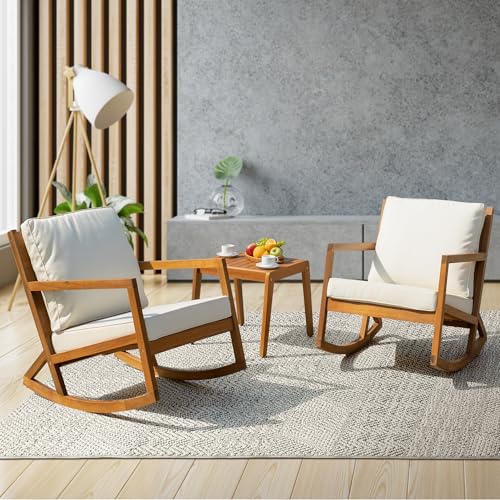
Best Outdoor Loveseat: Complete Patio Buying Guide
A patio built for two people gets tricky fast. One chair leaves someone standing, a full sectional swallows half the deck, and a lot of two-seaters that look sharp online turn out to be too wide for the space or too flimsy to survive a windy afternoon. An outdoor loveseat solves the fit problem, but only if you pick one built for the space and climate you actually have. Here is what matters based on what real buyers run into once the thing shows up on their porch, not just what the spec sheet promises.


Sizing a Loveseat for Small Patios and Balconies
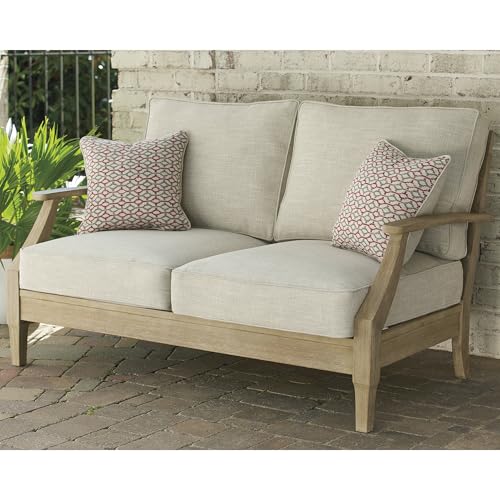
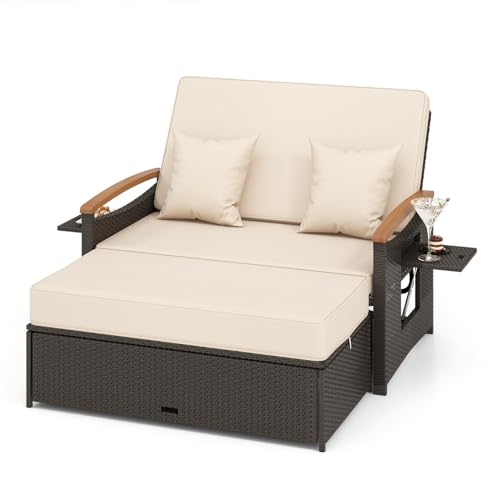
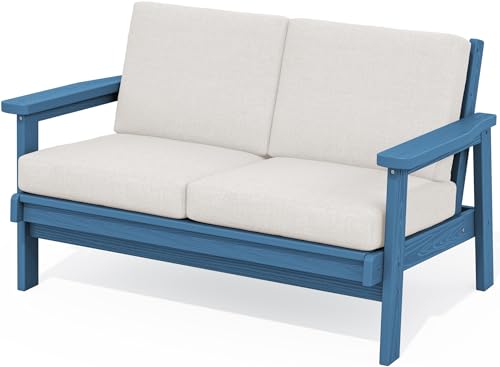
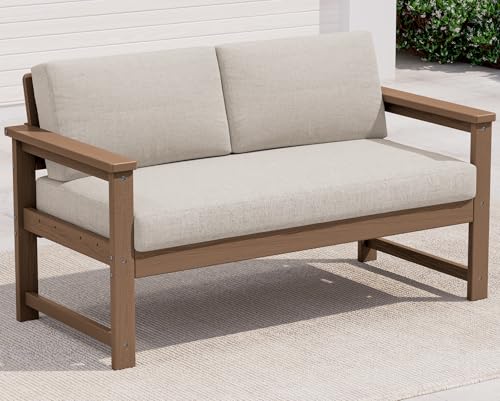
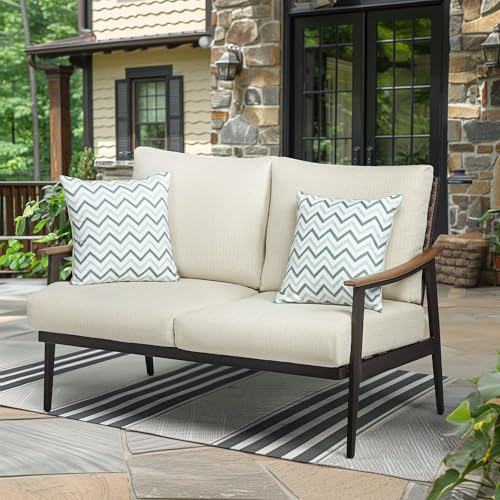
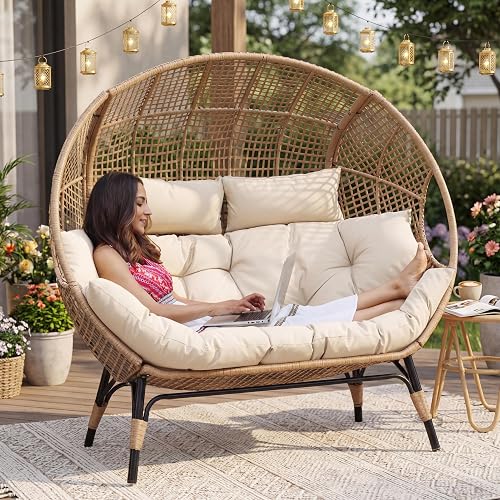
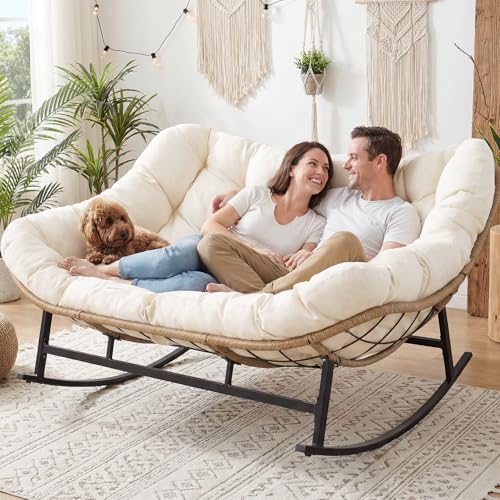
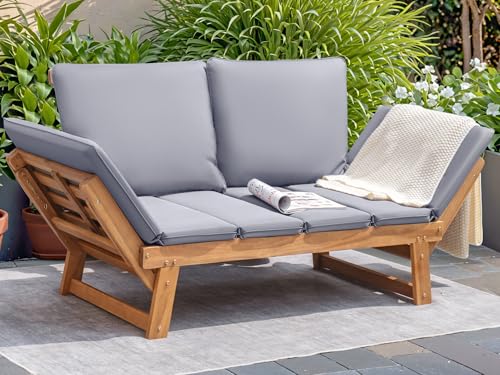
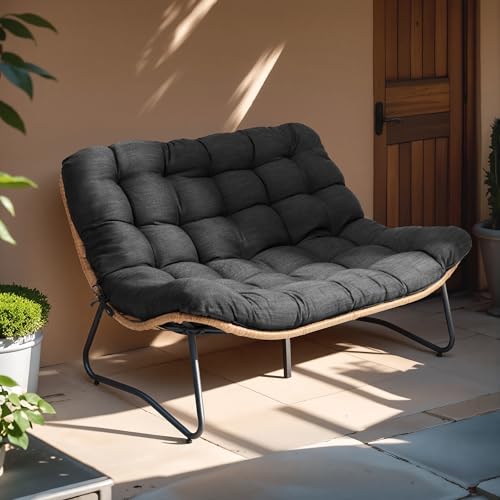
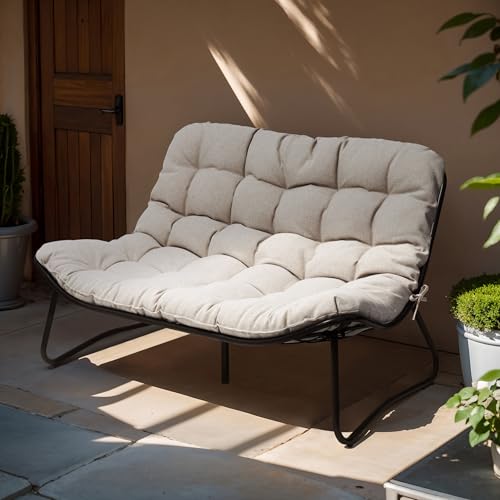
Most complaints about outdoor loveseats start with measurements, not materials. A huge share of US balconies and small patios are 4x6, 5x7, or 6x8 feet, and a loveseat that looked reasonably compact in a product photo can eat almost the whole floor once it arrives. As a general rule, a loveseat between 48 and 55 inches wide fits most balconies and narrow patios without blocking the walkway, while anything wider than 60 inches usually needs a full-size patio or deck to feel comfortable rather than cramped.
Before ordering, tape off the loveseat's footprint on the actual space, including at least 24 to 30 inches of clearance for people to walk past or pull a chair up next to it. If privacy is part of the goal on an apartment balcony, pairing a compact loveseat with balcony privacy screens gets you a usable little seating nook without needing a bigger footprint.
Frame Materials: Wicker, Wrought Iron, and Wood Compared
Frame material decides how the loveseat handles rain, sun, and the occasional bump against a railing, and each option comes with a real tradeoff rather than a clear winner.
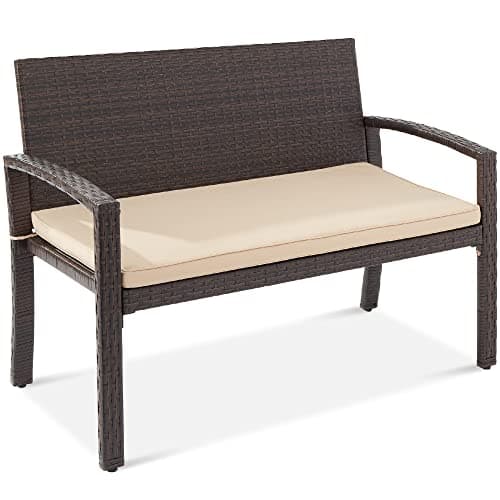
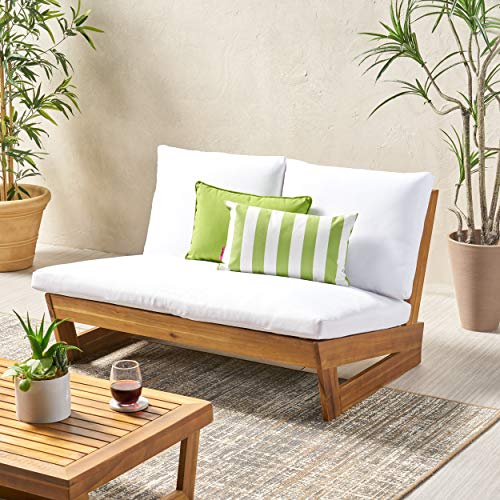
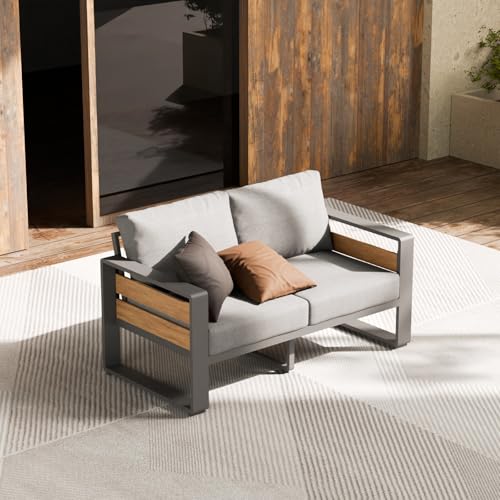
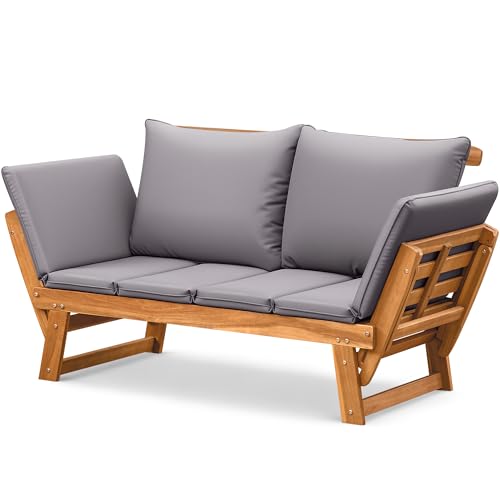
Synthetic or resin wicker woven over a rust-proof aluminum or steel frame is the lowest-maintenance choice and handles humidity well, but cheaper wicker with a thin weave over a weak frame tends to sag and fray within a year or two. Wrought iron is the heaviest and most durable option, resisting bending and staying put on uneven ground, and a good powder coat shields it from moisture and UV for years. Plain steel dressed up to look like wrought iron is a different story: once the finish chips, rust follows quickly at the joints. Wood, usually teak or acacia, brings a warmer look and often gets paired with rust-proof steel legs in hybrid designs, but it needs an oil or sealant refresh once or twice a year to avoid graying and surface cracking.
Aluminum-frame loveseats are worth a special mention because they solve the rust and fade problems but introduce a different one: they are light enough that wind can shift them on an open deck or balcony, which matters more than most shoppers expect until it happens.
Do "Quick-Dry" Cushions Actually Dry Fast?
Almost every outdoor loveseat listing mentions quick-dry cushions, but the label does not always mean the same thing. Genuine quick-dry foam is open-cell or reticulated foam, built with channels that let water drain out in minutes instead of hours. Standard indoor foam wrapped in an outdoor-rated fabric cover is a common substitute on cheaper models, and it is effectively a mildew trap: water gets in through seams or stitching, gets held inside a closed-cell core, and stays damp for days in the wrong weather.
When comparing cushions, look for the terms "reticulated" or "open-cell" in the product description rather than trusting "quick-dry" or "water-resistant" alone, and check whether the foam has an antimicrobial treatment built in. A removable, machine-washable cover adds real value here too, since it lets you clean cushions or bring covers inside before a storm without hauling the whole seat. For a deeper look at picking cushions on their own, our guide to outdoor cushions covers foam types and fabric grades in more detail.
Wind, Weight Capacity, and Stability on Uneven Ground
Two complaints show up repeatedly around outdoor loveseats that have nothing to do with looks: cushions blowing off in wind, and the whole piece feeling unstable on grass, slopes, or uneven pavers. Cushions that are not tied or strapped to the frame are the most common source of the first problem, so check for tie-down straps or hook-and-loop fasteners before buying rather than adding them later. Heavier metal-frame loveseats naturally resist wind better than light aluminum or resin wicker pieces, which is worth weighing against the convenience of being able to move a lighter loveseat around.
Weight capacity claims are also inconsistent across brands, ranging anywhere from around 225 pounds up to 600 or more on comparable-looking models, and budget listings sometimes round up. A loveseat with reinforced corners, thicker frame tubing, and a wider base handles daily use and uneven surfaces far better than one that relies on thin legs and a light frame, even if both are rated for two adults on paper.
What Assembly Actually Involves
"Quick assembly" on the box rarely matches the real experience. Most outdoor loveseats take somewhere between 30 and 60 minutes to put together and go faster with two people, since holding frame pieces steady while threading bolts solo gets old fast. Even models advertised as tool-free usually still need a screwdriver or hex key for the frame joints, with tool-free assembly limited to attaching cushions or arm caps.
It is also worth checking how easily replacement parts or extra cushion covers are available a year or two down the line, since that is a common source of frustration once the original packaging and manual are long gone. Brands that sell cushion covers and glide hardware separately tend to be a safer bet than ones that only offer full-set replacements.
Loveseat vs. Bench vs. Full Sofa Set: Which Fits Your Space
A loveseat is not always the right call, and it helps to know when a different piece serves the space better. A bench works well against a wall or under a window where you want flexible, backless seating that can slide out of the way, and our outdoor benches guide covers sizing and material choices for that style specifically. A full outdoor sofa set makes more sense on a larger deck or patio where you are building out a whole conversation area with a coffee table and side chairs.
Where a loveseat wins is the middle ground: comfortable seating for two people in a footprint small enough for a balcony, a narrow porch, or a cozy corner of a bigger patio, without the bulk of a sectional or the limited comfort of a bare bench. If the space genuinely only fits one seating piece and two people need to use it regularly, a loveseat with the right size, frame, and cushion foam for the local climate tends to be the choice people are still happy with after a couple of seasons.