
Best Outdoor Benches: A Complete Buying Guide for Any Yard
Disclosure: We may earn a commission when you buy through links on this page, at no extra cost to you. As an Amazon Associate I earn from qualifying purchases. Learn more

Not every outdoor seating gap calls for a full patio set. Sometimes what a walkway, entryway, or quiet corner of the yard actually needs is a single bench: something to sit on for a minute, set a bag down next to, or use as extra seating when the deck chairs run out. The tricky part is that benches sold as "outdoor" cover a huge range of quality, from a bench that will outlast the house to one that grays, wobbles, and cracks within a couple of seasons. This guide walks through how to match a bench to where it will live, what the material actually buys you, and the sizing and stability details that separate a bench you keep for a decade from one you replace next spring.
![Outdoor Storage Box, 200 Gallon Waterproof Deck Box [Upgraded 3.0], Premium Hydraulic](https://images-na.ssl-images-amazon.com/images/I/51UHTDa1tCL.jpg)
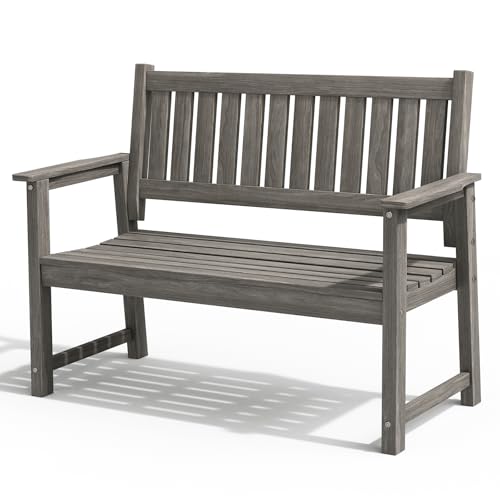
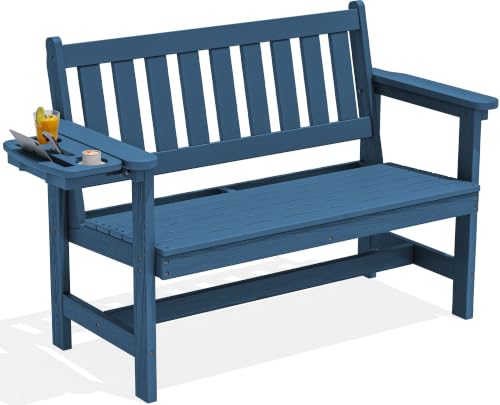
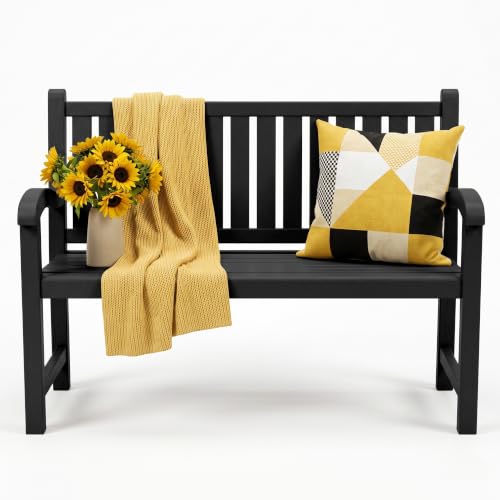
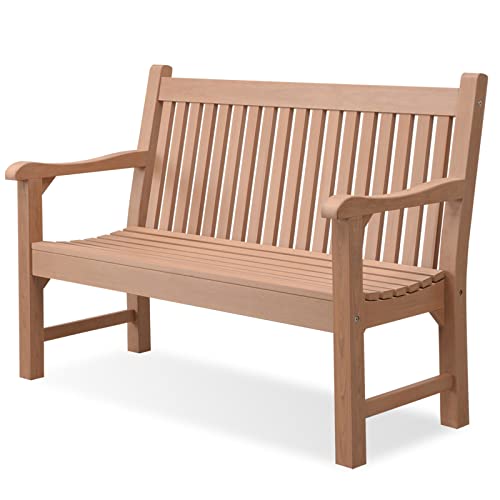

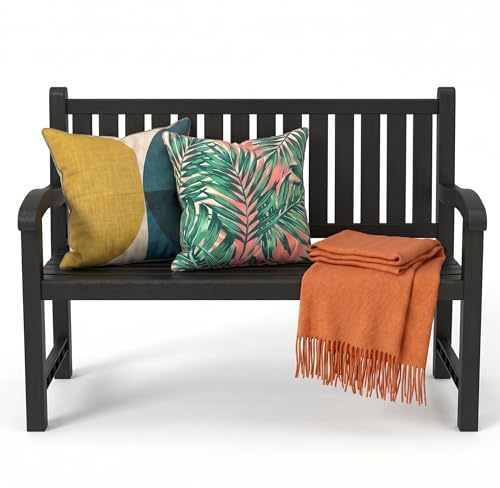
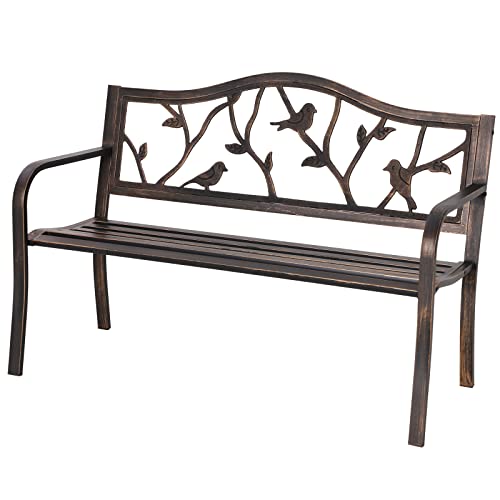
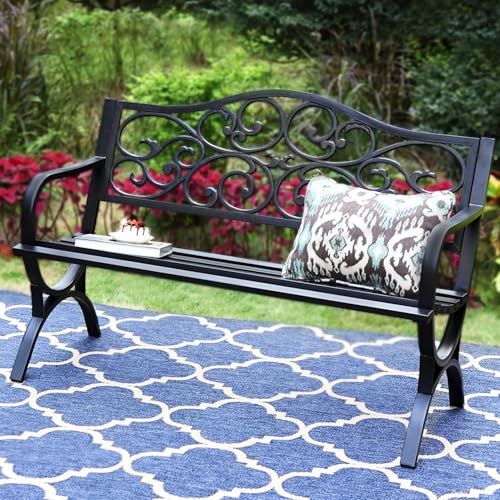
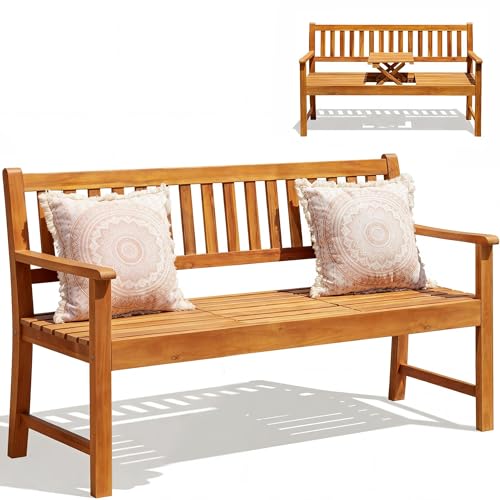
Start With Where the Bench Will Actually Sit
The spot decides more about which bench works than any spec sheet does. An entryway bench gets used for seconds at a time, mostly for pulling off shoes or setting down groceries, so a narrower, lower-maintenance option usually makes more sense than a heavy, decorative piece. A garden path bench gets used differently: people actually sit and stay a while, so comfort and a bit more shade or cover start to matter.
Patios and porches sit somewhere in between. A porch often already has other seating in place, so a bench there works best as an add-on rather than the main event. If a porch already has a porch swing anchored at one end, a compact bench along the opposite wall fills out the space without duplicating what the swing already does. Poolside and near a fire pit, moisture and heat resistance jump ahead of looks, since a bench there deals with wet feet, sunscreen, and the occasional splash far more than a garden bench ever does.
Before shopping, it helps to walk the actual spot with a tape measure rather than guessing. Note how much clearance stays open on either side once the bench is placed, and whether the ground is flat concrete, gravel, grass, or something sloped, since that affects both size and material choice later.
Material Trade-offs That Actually Matter
Every outdoor bench material trades something for something else. None of them is simply "best," despite how the marketing reads.
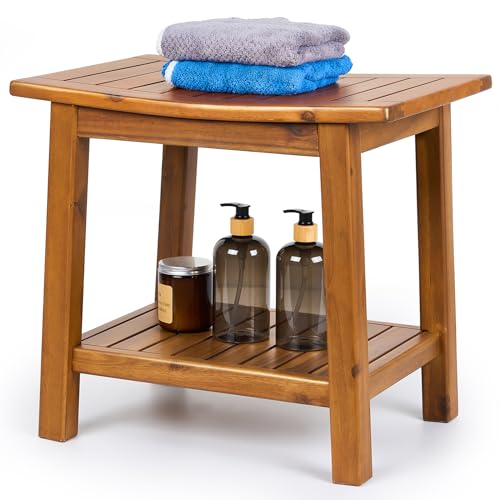
Teak and other dense hardwoods resist rot and insects on their own thanks to natural oils in the wood, and a well-built teak bench can realistically last decades outdoors. Left unsealed, it grays into a soft silver patina that a lot of people like; sealed or oiled once or twice a year, it holds its warm brown color instead. Either way it needs a decision from the owner, not a default.
Acacia shows up constantly in the budget-to-mid range because it looks similar to teak at a lower price. It holds up reasonably well outdoors but is more prone to surface checking and graying than teak if it goes more than a season or two without any oil, so it rewards a little more attentive care than its price tag suggests.
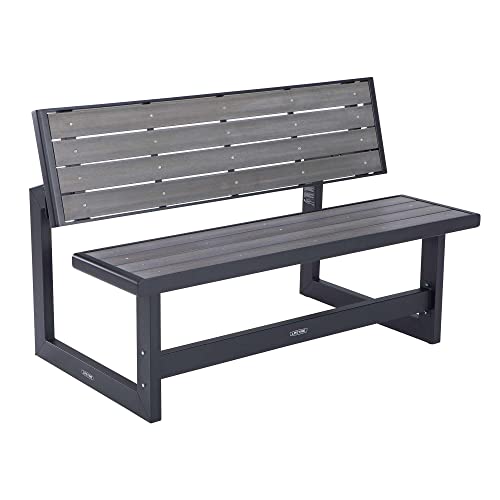
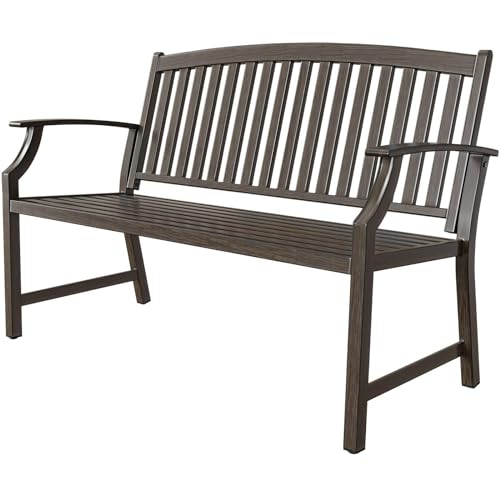
Metal benches split into two very different experiences. Wrought iron and painted steel look substantial and classic but will rust at joints and scratches once the coating wears thin, so they need occasional touch-up paint over the years. Cast aluminum skips that problem almost entirely: it doesn't rust, stays lighter to move, and holds up especially well in humid or coastal air where iron would corrode fast. The trade-off is that bare aluminum can get hot to the touch in direct summer sun.
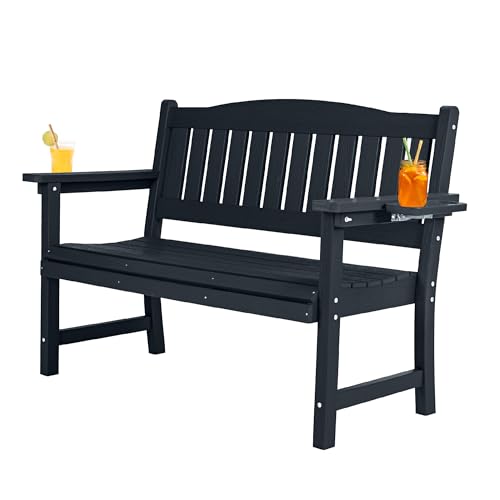
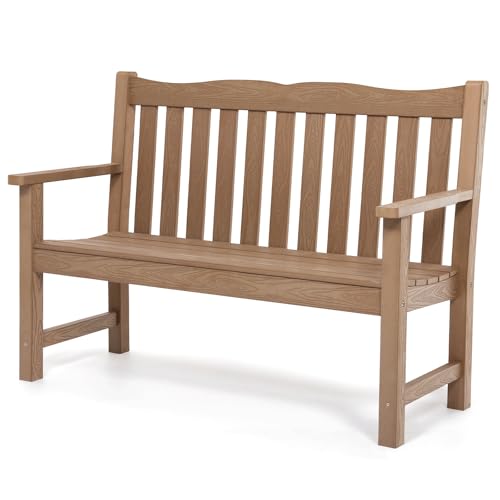
HDPE and poly-lumber benches, the recycled-plastic lumber used in a lot of park-style benches, need essentially zero seasonal maintenance and shrug off rain, humidity, and UV without cracking the way cheaper plastic does. Their trade-off shows up over a longer timeline: quality HDPE typically has a shorter realistic lifespan than a well-maintained hardwood or aluminum bench, even though it needs far less attention year to year.
Stone and concrete benches are the outlier: they don't rot, rust, or fade, and their weight keeps them planted without any anchoring. That same weight is the downside, since repositioning one once it's placed is a two-person job at best.
Sizing, Seat Height, and Comfort for How You'll Use It
A bench that looks right in a product photo can still feel wrong once it's actually sitting in your yard. Standard two-seat benches typically run somewhere in the 45 to 60 inch range, while three-seat versions stretch closer to 70 inches or beyond, so it's worth measuring against the specific spot rather than assuming a "standard" size will fit.
Seat height and depth matter more than most shoppers expect going in. A seat in the high teens, roughly 17 to 19 inches off the ground, suits most adults comfortably, and a seat back with even a slight recline makes a real difference if the bench is meant for actually sitting rather than a quick perch. Slatted seats also drain rainwater and dry faster than a solid bench top, which matters a lot for anything left uncovered through regular weather.
Weight capacity is worth checking directly rather than assumed. A bench rated for two adults during casual use can end up holding kids, pets, or a stack of gardening supplies at various points, so a frame with a bit of headroom above your expected use holds up better long term than one built to the bare minimum.
Keeping a Bench Stable and Weatherproof Year-Round
Stability and weather resistance are related problems more than separate ones, since a bench that shifts or tips also tends to be the one that weathers the worst. Lighter materials like resin, thin aluminum, or hollow-frame metal can rock or slide on gravel, pavers, or grass, especially in windy areas, and often need either a level concrete pad underneath or a simple anchor kit to stay put. Heavier stone, cast iron, and solid hardwood benches mostly solve this on their own through sheer mass.
On the weatherproofing side, the maintenance schedule depends entirely on the material chosen above. Wood benches generally want a fresh coat of oil or sealant once or twice a year, ideally after a light sanding once the surface starts graying unevenly. Metal frames are worth a joint check each spring for rust starting under the coating, particularly if the bench spent winter in a damp shed or garage rather than fully outdoors. A breathable cover during the off-season, similar to how patio chair covers protect other seating, extends the life of almost any bench material by keeping standing snow and ice off the surface.
Cushions, when a bench uses them, need their own routine: letting them dry fully before storing prevents mildew far more reliably than any fabric treatment does.
Storage Benches and Other Practical Add-ons
A storage bench trades a bit of airflow for real function, since the seat lifts to reveal a hollow base for stashing cushions, garden tools, or pool gear out of sight. It works especially well near an entry door or pool deck, where clutter tends to pile up otherwise. The one detail worth checking before buying is drainage or ventilation inside the storage compartment, since a fully sealed box left outdoors can trap moisture around whatever gets stored in it.
A bench near a fire pit or wood-burning setup pairs naturally with a nearby firewood rack, keeping seating and fuel within easy reach without cluttering the path between them. Add-on touches like a slide-on cushion or a small side table nearby can turn a purely functional bench into a spot people actually choose to sit, rather than one that just fills empty space.
Quick Answers Before You Buy
What's the most durable material for an outdoor bench?
Teak and cast aluminum are generally the two most durable low-maintenance options, since neither rusts nor rots under normal conditions. Teak suits anyone who wants a natural wood look and doesn't mind occasional oiling, while cast aluminum works well for a lighter bench that needs almost no upkeep at all.
Do outdoor benches need to be covered in winter?
Covering a wood or metal bench through winter helps prevent moisture damage and rust at the joints, especially in climates with heavy snow or freezing rain. Stone, concrete, and HDPE benches can generally stay uncovered year-round since none of those materials absorb water the way wood or bare metal do.
How wide should a two-person outdoor bench be?
Most two-seat benches fall somewhere between 45 and 60 inches wide, though the right size depends more on the space available than any fixed standard. Measuring the actual spot, including clearance on both sides, matters more than matching a specific published dimension.
Can a lightweight bench be used in a windy yard?
Lightweight resin or thin aluminum benches can shift or tip in consistently windy conditions unless anchored or placed on a level, solid surface. Heavier materials like stone, cast iron, or solid hardwood resist this naturally without any extra hardware.
How much weight can a typical outdoor bench hold?
Most standard two or three-seat benches are rated somewhere around 400 to 700 pounds combined, though reinforced frames can handle more. It's worth checking the manufacturer's listed capacity directly rather than estimating based on the bench's size or price alone.
Matching the bench to its actual spot first, then choosing a material that fits both the look and the maintenance level you're willing to keep up with, solves most of the regret that comes with buying outdoor furniture sight unseen. A little attention to seat comfort, weight rating, and stability on the ground it will actually sit on rounds out a choice that holds up for years rather than one season.


