Best Balcony Privacy Screens for Apartments and Small Balconies
You finally set up a chair on the balcony, and within ten minutes you notice the neighbor across the courtyard watching you eat breakfast. A privacy screen fixes that problem, but not every option on the market actually works for a rental balcony with a metal railing, strict lease terms, and wind gusts that regular patio screens were never built for. The best balcony privacy screens for this setup have to check three boxes at once: they mount without tools, they hold up to weather, and they block the right amount of view without turning your balcony into a wind tunnel. This guide walks through mounting options that won't cost you a security deposit, the materials worth considering, and how to match opacity and size to the balcony you actually have.
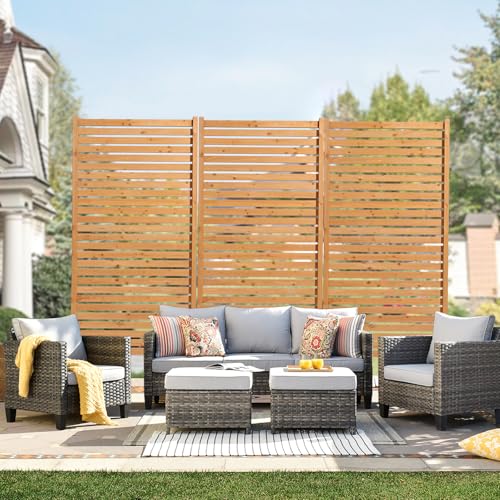
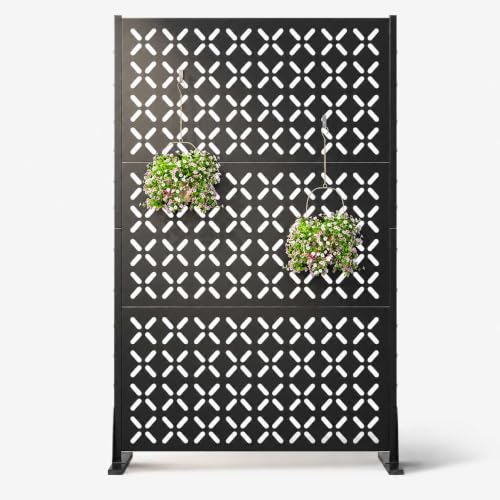
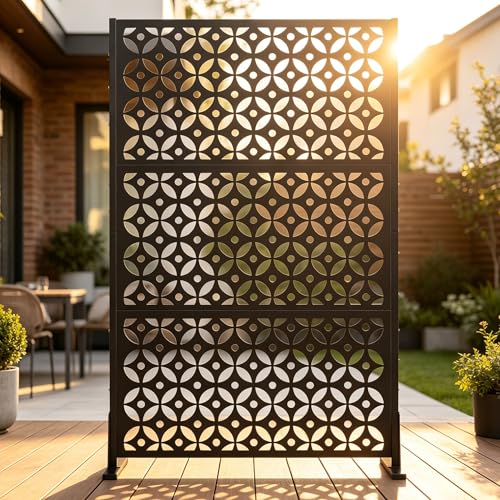

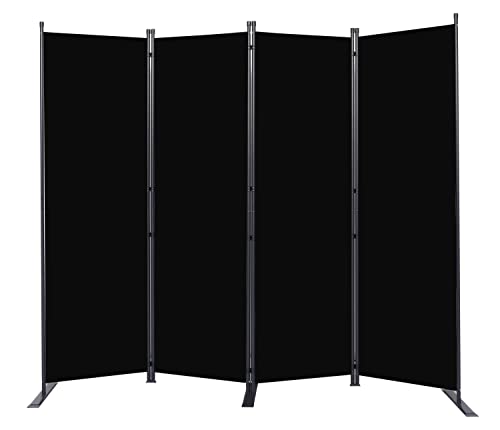

Mounting a Balcony Screen Without Losing Your Deposit
Most lease agreements draw a hard line at anything that involves drilling into railings, siding, or concrete. Property managers treat that as a structural change, and it's one of the fastest ways to lose part of a security deposit. Fortunately, an apartment balcony privacy screen rarely needs a single screw to stay in place, and most of the best balcony privacy screens sold today are designed with renters in mind from the start.
No-Drill Attachment Methods
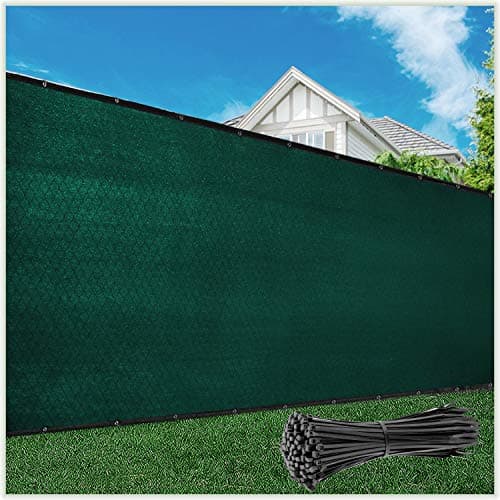
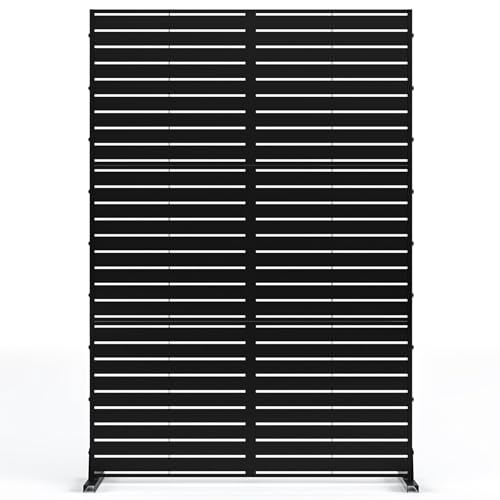
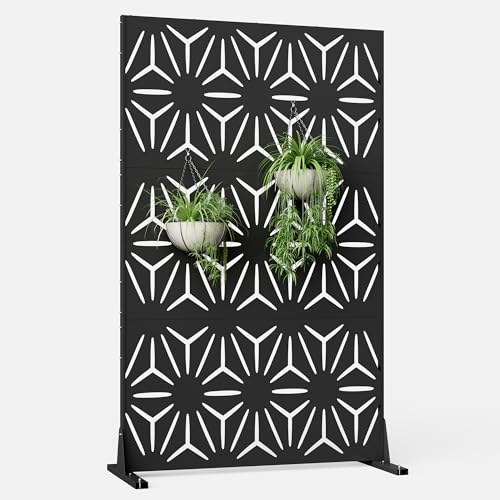
Heavy-duty, UV-rated zip ties are the go-to method for metal or wood railings. They thread through grommets along the edge of a screen, cinch tight, and cost almost nothing to replace if one wears out. Tension rods work well for screens mounted between two solid posts or wall sections, since the spring-loaded pressure holds everything in place without a single fastener. On smoother railings, magnetic mounts or a length of stainless steel wire looped around the top rail give you an anchor point to zip-tie the screen to, which is a common workaround when there's nothing to hook a strap around. Freestanding options, like a lattice panel in a weighted base or a row of tall planters, sidestep the railing entirely. A no-drill balcony privacy screen setup like any of these satisfies most lease restrictions, since nothing gets permanently attached to the building itself.
What Your Lease or HOA Actually Restricts
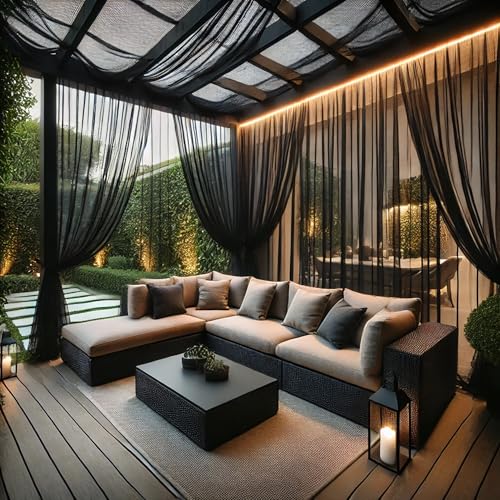
Read the lease before you buy anything. Many buildings don't ban privacy screens outright, they ban changes to how the exterior looks from the street or courtyard, which is why neutral colors and lower-profile screens tend to pass review more easily than bright patterns. If a property specifically calls out "attachments to railings," a freestanding option or an outdoor curtain hung from a tension rod usually counts as furniture rather than a modification, and that distinction matters if you ever need to explain the setup to a landlord. For a balcony privacy screen for renters, sticking to clip-on or freestanding designs is generally the safest route, since they're the least likely to get flagged as an alteration during a walkthrough.
Screen Materials and How They Perform
Every material trades off privacy, airflow, and durability differently, and the right one depends more on your balcony's exposure than on personal taste alone. Reviews that rank the best balcony privacy screens by material almost always come down to this same tradeoff between how much a screen hides and how much wind it can take.
Mesh and HDPE Screens
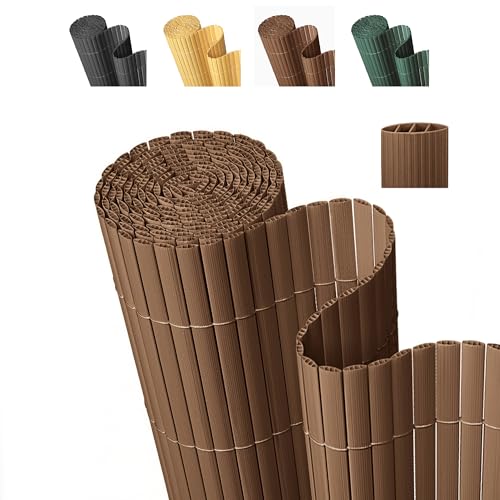
High-density polyethylene mesh is the most common material for a reason. It's woven tightly enough to block most sightlines while still letting wind pass through the gaps, which keeps it from acting like a sail on windy days. Most mesh screens are rated for a specific percentage of shade or visibility blockage, and they tend to hold their color longer than cheaper woven plastics.
Faux Ivy and Greenery Panels
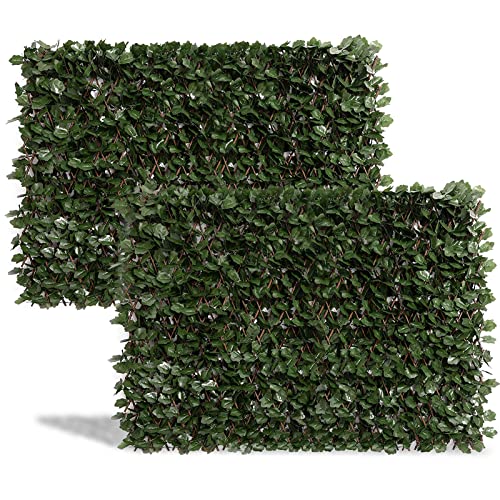
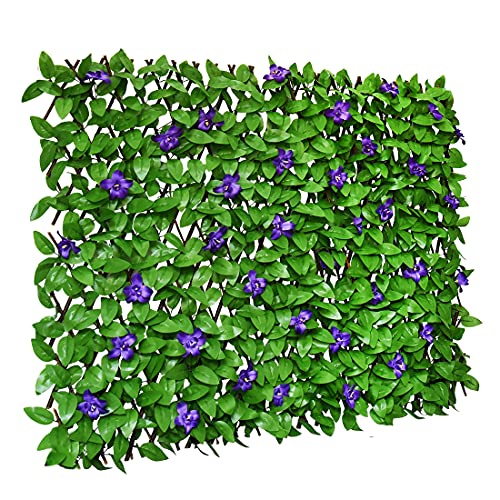
Artificial ivy or hedge panels give a balcony a softer, more natural look than a plain fabric screen, and they clip onto railings the same way mesh does. They block less wind than a solid panel, so they suit balconies where the goal is softening the view rather than fully hiding it, and they hold up reasonably well outdoors since they're built for continuous sun exposure.
Bamboo or Reed Fencing
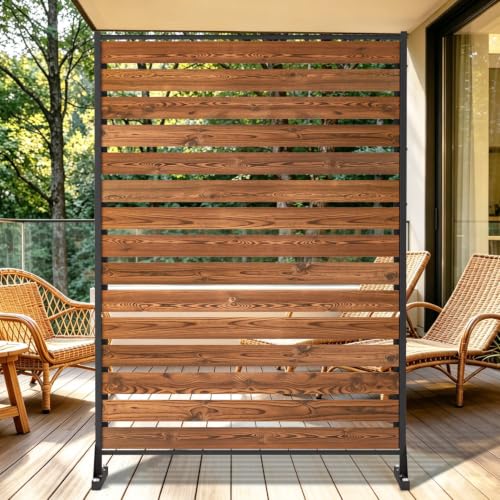
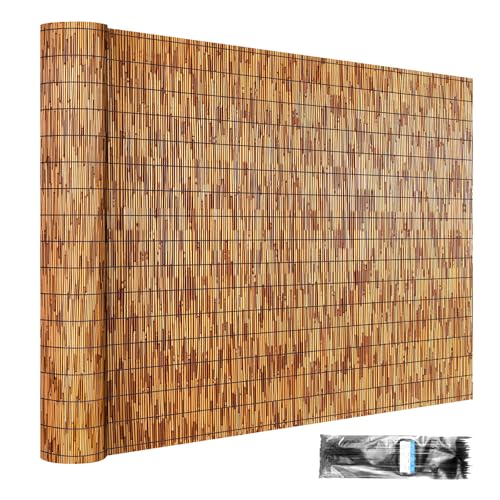
Rolled bamboo or reed panels read as more upscale than plastic mesh and provide decent coverage without fully blocking airflow. They're heavier than synthetic screens, though, which makes them a poor fit for anyone who needs to take a screen down for winter storage or a move, and untreated reed can degrade faster in humid climates.
Solid Fabric and Canvas Screens
Canvas and other solid-weave fabrics block close to total visibility, which makes them the choice when the goal is a fully private nook rather than a filtered view. The tradeoff is wind resistance. A solid screen catches gusts the way a sail does, so it needs sturdy attachment points, and indoor-grade fabric will fade and sag within a season if it's not rated for outdoor use. Once a canvas screen is properly anchored, though, it also acts as a windbreak, which is worth factoring in if you're planning to add lightweight patio chairs that would otherwise slide around every time it gets breezy.
Matching Opacity, Size, and Wind Exposure to Your Balcony
A screen that performs well on a ground-floor patio can fail completely twelve stories up, so match the specs to your actual conditions rather than picking whatever ranks highest in reviews. This is usually where the search for the best balcony privacy screens narrows fast, once you know your floor height and how exposed the balcony really is.
How Much Visibility Blockage You Actually Need
Coverage is usually listed as a percentage. Something in the 85 to 95 percent range blocks nearly everything and works well for balconies facing another building at close range, which is the coverage level shoppers usually land on among the best balcony privacy screens for a courtyard-facing unit. Lower blockage, closer to 60 to 70 percent, still softens the view while letting more light and air through, which suits a balcony that only needs privacy from an angle rather than head-on.
Sizing to Your Railing and Corners
Measure the full railing height, not just an estimate, since a gap at the top defeats the point of a screen. Panels commonly come in widths around ten to twenty feet, and if the balcony wraps a corner or has an angled section, measure each side separately rather than assuming one continuous length will fit cleanly. A slightly oversized panel is easier to trim or fold than an undersized one is to stretch, and a properly fitted balcony railing privacy screen should sit flush against the top rail with no visible gap.
Wind and Weather Exposure by Floor Height
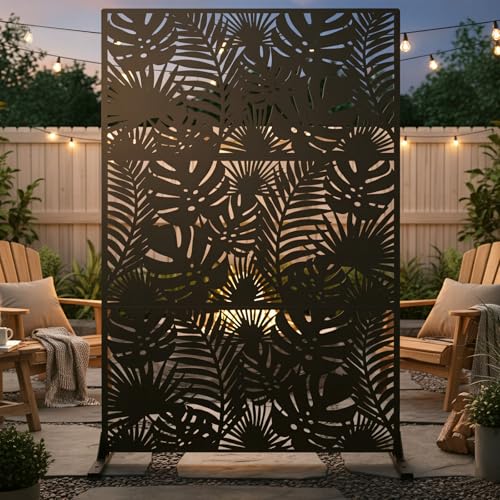
Higher floors see stronger, more constant wind than ground-level patios, so breathable materials matter more the higher up you are. A mesh balcony privacy screen or perforated panel handles that far better than a solid one, since air passes through instead of pushing against the whole surface. On exposed balconies, reinforced grommets and extra zip ties at shorter intervals keep a screen from working itself loose over time, which is one of the more common reasons screens end up torn or hanging by a single corner within a few months. A well-anchored screen also makes a breezy balcony more livable for furniture that would otherwise slide around, whether that's a small bistro set or a chaise lounge chair for stretching out on calmer days.
Frequently Asked Questions
Do balcony privacy screens block wind?
Solid and canvas screens block wind almost completely, which can put stress on their mounting points. Mesh and perforated HDPE screens let wind pass through the weave, offering some wind reduction without the sail effect that comes with solid fabric. Among the best balcony privacy screens for windy, high-floor units, breathable mesh is usually the safer pick.
Are balcony privacy screens allowed in apartments, or will they violate my lease?
It depends on the property. Most leases allow no-drill, removable screens since they don't alter the structure, but some restrict anything visibly attached to railings for uniformity reasons. Checking the lease or asking the property manager before buying avoids a surprise removal notice, and it's a big reason removable mounting has become the standard even among the best balcony privacy screens on the market.
How do you attach a balcony privacy screen without drilling holes?
Zip ties through grommets, tension rods between posts, magnetic mounts, or a wire loop around the top rail all work without tools or permanent hardware. Freestanding panels and weighted planters are an option too, since they don't attach to the railing at all.
Do balcony privacy screens reduce noise from neighbors or the street?
Somewhat, but not dramatically. Denser materials like solid canvas or thick mesh dampen some sound by breaking up airflow and creating a physical barrier, though a privacy screen alone won't eliminate traffic or neighbor noise the way an actual wall would.
Can I get privacy without blocking sunlight or my view completely?
Yes. Lower blockage percentages, around 60 to 70 percent, or open materials like faux ivy panels and lattice, filter the view and cut down direct sightlines while still letting light through and preserving some of the view above railing height.
What's the difference between mesh and solid balcony privacy screens?
Mesh is woven with small gaps that let air and some light through while still obscuring most of the view, and it resists wind well. Solid screens are a continuous fabric or panel that blocks nearly all visibility but catches more wind and needs sturdier mounting as a result, which is why so many of the best balcony privacy screens on the market lean toward a mesh or perforated build.
How do I stop my balcony screen from sagging or tearing over time?
Choose outdoor-rated, UV-treated fabric rather than indoor material, since sun exposure breaks down untreated fibers quickly. Check grommets and ties periodically, tighten anything that's loosened, and replace zip ties before they turn brittle rather than after they've already snapped.
Making the Right Call for Your Balcony
There isn't a single option that works for every balcony, which is why the decision comes down to your specific mounting restrictions, floor height, and how much of the view you actually want to lose. Once you've nailed down the mounting method and matched the material to how exposed your balcony is, most of the best balcony privacy screens on the market will do the job well.