
Best Multimeter for Home Use: A Complete Buyer's Guide
Disclosure: We may earn a commission when you buy through links on this page, at no extra cost to you. As an Amazon Associate I earn from qualifying purchases. Learn more
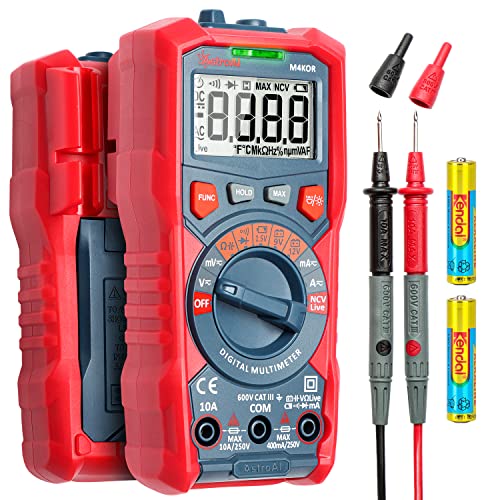
You flip a switch and nothing happens. An outlet stops charging your phone. A car battery seems weaker than it used to be. In moments like these, a small handheld tool can tell you exactly what's going on instead of leaving you to guess. Finding the best multimeter for home use is less about chasing every feature on the spec sheet and more about matching the tool to what you'll actually do with it: check voltage, confirm continuity, and troubleshoot the small electrical mysteries every house produces. In this guide, you'll learn which features genuinely matter, how homeowners actually use this tool day to day, the mistakes that trip up most beginners, and what your budget realistically buys you.
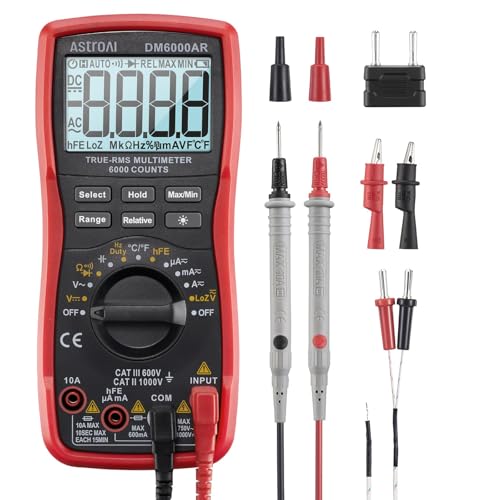
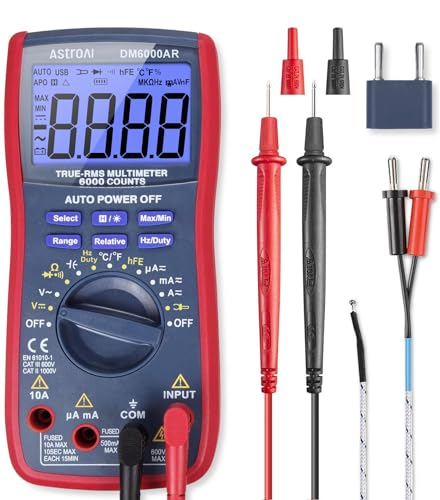
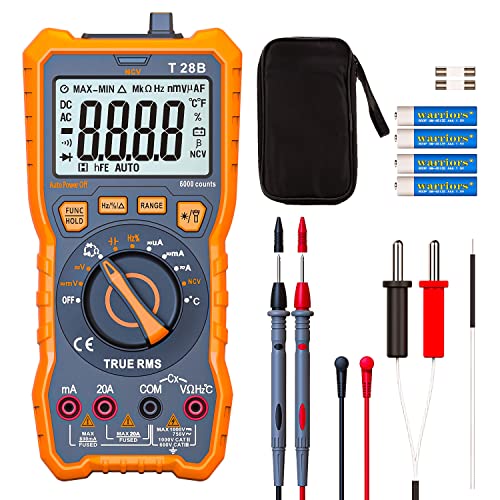
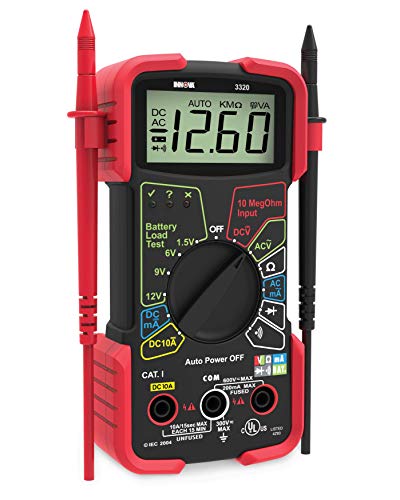
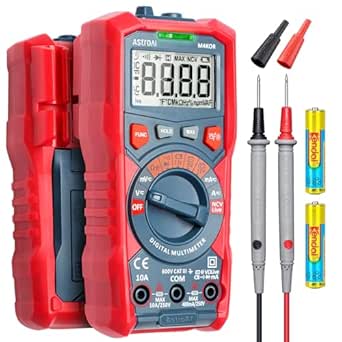
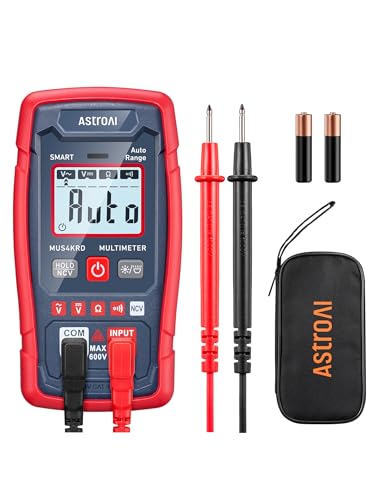
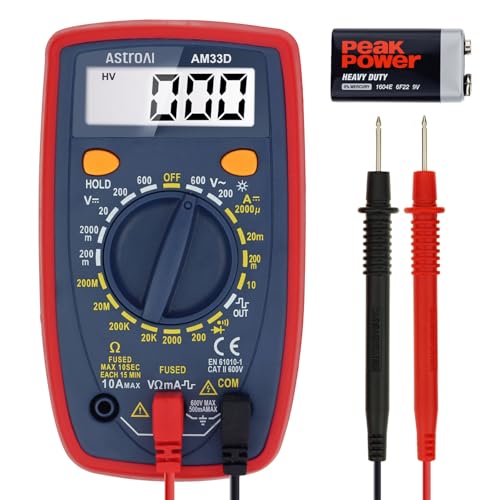
The Core Features That Actually Matter for Testing at Home
Multimeters are sold with long spec sheets, but most of those specs are aimed at technicians working on industrial equipment, not someone checking an outlet or a AA battery. Once you strip away the noise, a handful of features decide whether the best multimeter for home use is actually easy and safe for you to use.
Voltage, Continuity, and Resistance: The Functions You'll Actually Use
Nearly every household task comes down to three functions. AC voltage tells you whether an outlet or fixture is live and within a normal range. DC voltage covers batteries and low-voltage electronics. Continuity mode, usually marked with a small speaker or diode symbol, gives you an audible beep when a circuit is complete, which is how you confirm a fuse, switch, or extension cord is actually working. Resistance, measured in ohms, rounds things out for diagnosing components. A meter that handles these three cleanly, with a beep-based continuity mode you don't have to squint at, covers the overwhelming majority of what a homeowner will ever need.
Auto-Ranging vs. Manual Ranging
Every multimeter has to figure out the right measurement range before it can give you an accurate number. Auto-ranging meters do this automatically, so you just select voltage or resistance and the meter finds the correct range on its own. Manual-ranging meters require you to pick the range yourself, which rewards experience but punishes guesswork. For someone who only reaches for a meter a few times a month, auto-ranging removes an entire category of beginner mistakes and is worth the modest price premium.
Understanding CAT Safety Ratings for Household Work
CAT ratings describe how much of a voltage spike a meter can safely absorb without failing, and they matter more than most buyers realize. For typical household work like testing a wall outlet or a plugged-in appliance, a meter rated CAT II is the accepted baseline. If you plan to test anything closer to your main panel or service equipment, that's a job better handed to a licensed electrician rather than solved with a higher CAT rating alone. A properly rated meter isn't optional safety gear, it's a basic requirement any time probes are going anywhere near household wiring.
Display, Leads, and Build Quality
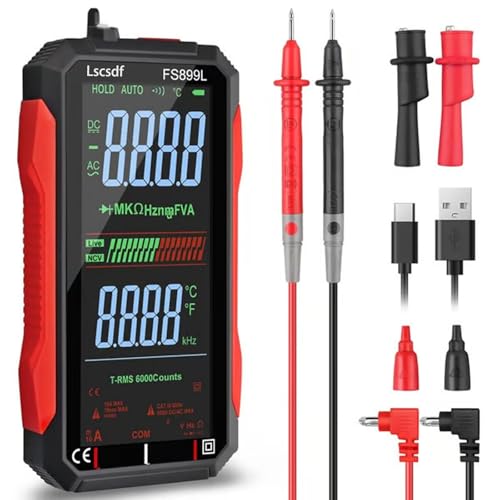
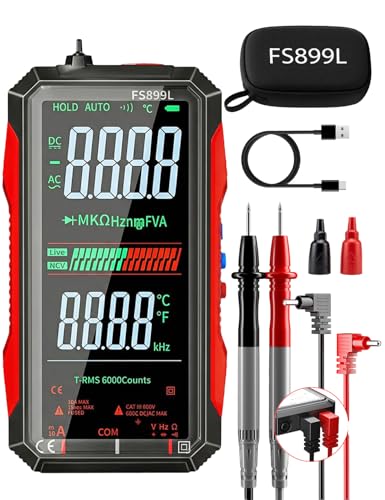
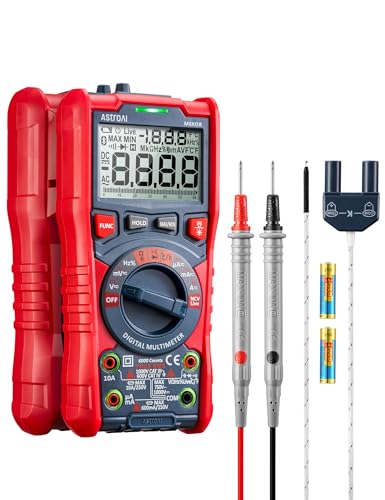
A cluttered, tiny display defeats the purpose of an otherwise capable meter, especially in a dim utility closet or garage. Look for large, high-contrast digits and a backlight if you can get one. Test leads matter just as much as the meter itself: thin, stiff, or poorly insulated probes are uncomfortable to use and can be a genuine safety issue. A rubberized housing and a simple holster also go a long way toward keeping a meter usable after it's been dropped once or twice in a toolbox.
Everyday Ways You'll Actually Use a Multimeter Around the House
Knowing how this tool actually gets used day to day makes it much easier to judge which features are worth paying for on the best multimeter for home use, and which are irrelevant to your situation.
Checking Outlets and Wiring Basics
The single most common homeowner use case is confirming whether an outlet is delivering the voltage it should, and whether it's wired correctly. This is straightforward with the AC voltage setting and takes seconds once you know the basic probe placement. It's a genuinely useful diagnostic step before calling in a professional, though it's worth remembering that a passing voltage reading doesn't rule out every possible wiring issue behind the wall.
Testing Batteries, Fuses, and Small Appliances
Continuity and DC voltage modes handle most of the rest: confirming a household fuse hasn't blown, checking whether a AA or 9V battery is actually dead, or diagnosing why a small appliance stopped working. This also extends outdoors. If you're troubleshooting why a car won't hold a charge, a multimeter reading paired with a good battery charger will tell you far more than either tool alone.
The same logic applies if you rely on a portable generator for backup power, since confirming its output voltage before you trust it in an outage is a smart habit.
Mistakes That Blow a Fuse or Give You a Bad Reading
Even the best multimeter for home use can't protect against every mistake. Most beginner frustration traces back to a small handful of repeated errors, and knowing them ahead of time will save you a blown fuse and a confusing afternoon.
Wrong Mode, Wrong Jack
The most common failure happens when the leads are plugged into the current jack but the dial is set to voltage, or vice versa. Placing probes across a live power source while the meter is set up to measure current effectively creates a short circuit through the meter, which is exactly what the internal fuse is designed to catch and sacrifice itself over. Getting in the habit of double checking dial position against lead placement before every measurement avoids this entirely.
Testing a Live Circuit on the Resistance Setting
Resistance and continuity readings are only meaningful, and only safe, on a circuit that has no power flowing through it. Testing resistance on something still connected to power routinely damages the meter and can produce misleading readings even when it doesn't. Always confirm a circuit is de-energized before switching to ohms or continuity mode.
What Your Budget Buys You
A basic meter at the low end of the price range will usually cover AC and DC voltage, resistance, and continuity, which is genuinely enough for occasional outlet checks and battery testing. Stepping up in price typically buys you auto-ranging, a higher CAT rating, sturdier leads, a brighter display, and better overall build quality rather than dramatically different core functionality. If you're the kind of homeowner who already keeps a cordless screwdriver on hand for small repairs, a mid-range meter tends to be the sweet spot: durable enough to survive years in a toolbox without paying for professional-grade features you'll rarely touch.
Buying the absolute cheapest option available often means dealing with a dim display, flimsy leads, and no meaningful CAT rating, which ends up costing you in frustration even if it saves a few dollars upfront. Keeping a reliable flashlight nearby for dim outlets or panels helps too, since good lighting makes any test easier to read correctly. For most households, the best multimeter for home use sits in that mid-range tier rather than at either extreme.
Frequently Asked Questions
What is a good multimeter for a beginner at home?
For a beginner, the best multimeter for home use is an auto-ranging digital multimeter with AC and DC voltage, continuity, and resistance, a CAT II rating at minimum, and an easy-to-read display. That combination covers nearly every task a homeowner encounters without requiring any technical background.
Do I need an expensive multimeter for occasional home use?
No. If you're only testing outlets, batteries, and fuses a few times a year, a budget or mid-range meter with the core functions is the best multimeter for home use in that situation. Higher-end meters are built for frequent professional use, not occasional household checks.
What is a CAT rating and why does it matter for home use?
A CAT rating tells you how much of a voltage spike a meter can safely handle before it fails. For plug-in loads and wall outlets, CAT II is the accepted household baseline, and it's a genuine safety feature rather than a marketing detail.
Should I get an auto-ranging or manual-ranging multimeter?
Auto-ranging is the better choice for most homeowners. It automatically selects the correct measurement range, which removes a common source of beginner error and gives you a more reliable reading with less guesswork.
How do I test a wall outlet with a multimeter?
Set the meter to AC voltage, then insert one probe into each slot of the outlet. A healthy standard outlet should read within the expected household range. If the reading looks off, that's a sign to bring in an electrician rather than investigate further yourself.
Why did my multimeter's fuse blow, and how can I avoid it?
This almost always happens when the leads are in the current jack but the dial is set to measure voltage or resistance, effectively shorting the meter. Always confirm your lead placement matches your dial setting before every measurement to avoid it.
What features does a multimeter actually need for home electrical work?
AC and DC voltage, audible continuity, resistance, a CAT II rating or higher, and a clear, readable display define the best multimeter for home electrical work. Everything beyond that is a convenience feature rather than a genuine requirement for household tasks.
Is it safe for a non-electrician to use a multimeter at home?
Yes, for basic tasks like checking outlets, batteries, or fuses with a properly rated meter and standard precautions. Anything involving your main electrical panel or service equipment should still be left to a licensed professional.
Making the Right Call for Your Toolbox
The best multimeter for home use isn't the one with the longest feature list, it's the one that covers voltage, continuity, and resistance cleanly, carries an appropriate CAT rating, and is easy enough to read that you'll actually reach for it. Match those basics to how often you expect to use it, and you'll end up with a tool that earns its spot in the toolbox instead of gathering dust in a drawer.