Best LED Work Lights: A Complete Buying Guide
Disclosure: We may earn a commission when you buy through links on this page, at no extra cost to you. As an Amazon Associate I earn from qualifying purchases. Learn more
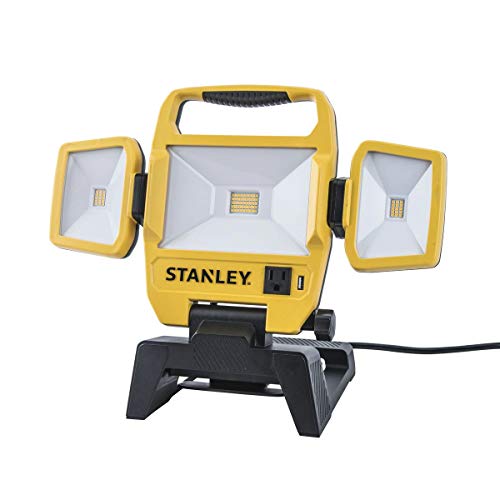
You're halfway through swapping a fuel pump or fishing wire behind a wall, and the shop light two rooms over isn't cutting it. A headlamp slips out of place, a phone flashlight tips over, and the job suddenly takes twice as long because you can't see what your hands are doing. This is exactly the gap the best led work lights are built to fill: portable enough to follow you to wherever the work actually is, tough enough to survive a fall off a ladder, and bright enough to stand in for overhead lighting when the power's out or nonexistent. Picking one isn't as simple as grabbing the highest lumen number on the shelf. This guide walks through how usage, brightness, power source, mounting, and build quality interact, so you land on a light that holds up to real jobs instead of one that impresses in the store and quits on the third use.
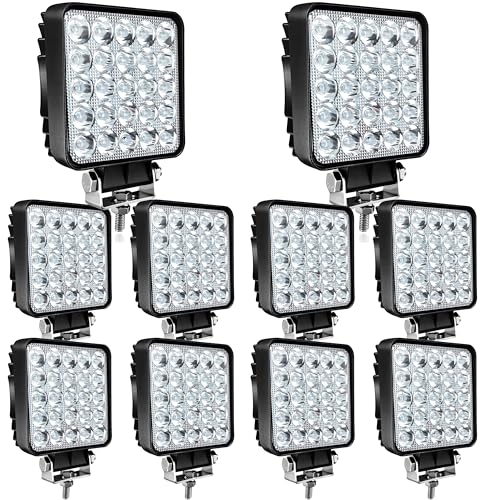
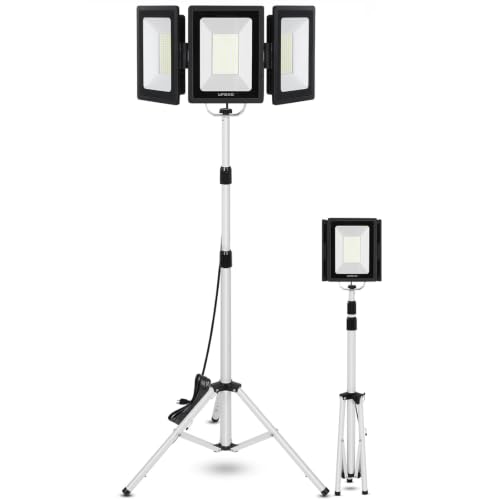
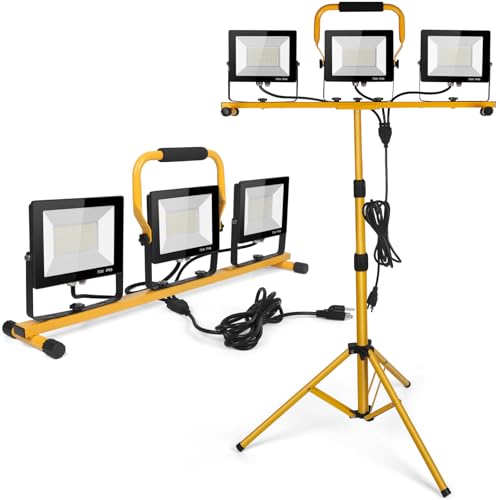
Where You'll Use It Should Drive What You Buy
Before comparing specs, it helps to be honest about what an LED work light will actually face in your hands. A unit that's perfect for quick fixes under the kitchen sink can feel underpowered the moment you're working under a car or lighting an entire garage bay.
Household Fixes vs Garage and Automotive Work
For occasional household repairs, plumbing under a sink, or checking a breaker panel, a compact light in the 500 to 1,000 lumen range is usually plenty and easier to store in a drawer. Garage and automotive work asks more of a light: engine bays have deep shadows, and a single weak beam leaves half the area guessing. If you're mostly working in one fixed spot like a garage bay, it's also worth weighing a portable unit against something like permanent garage LED lighting, which covers the whole space without needing to be repositioned every time you move.
Job Sites Without Reliable Power
Crawlspaces, attics, and vehicles parked away from an outlet all rule out corded lights outright. If your work regularly happens somewhere without a nearby plug, prioritize a rechargeable model with a battery rated for at least a couple hours at your typical brightness setting, not just the headline runtime on low.
Reading Past the Lumens Number
Lumens get top billing on every product listing, but the number alone doesn't tell you whether a work light will actually be useful for your kind of job.
Match Output to the Space, Not the Marketing Claim
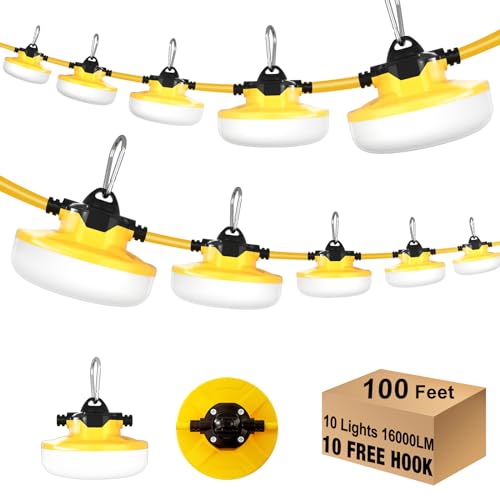
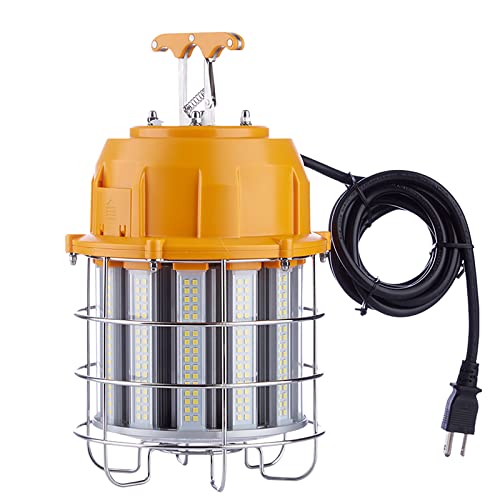
Smaller indoor tasks like electrical repairs or plumbing usually only need somewhere around 1,000 to 2,000 lumens. Outdoor use or a full workshop can call for 5,000 lumens or more, especially if the light needs to cover a wider area on its own rather than supplementing existing lighting. Buying more lumens than you'll use just adds bulk and drains the battery faster for no real benefit.
Flood vs Spot: Why Beam Pattern Matters More Than You Think
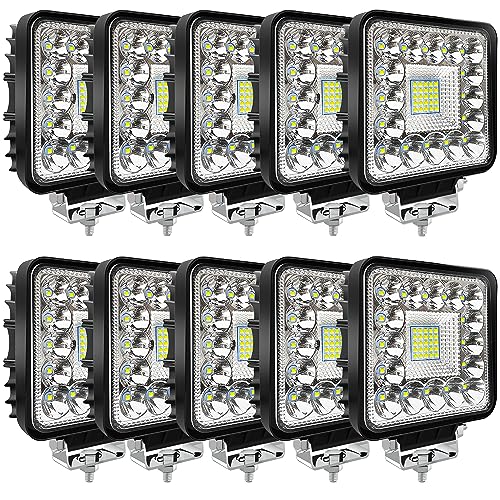
A tight spot beam, like the kind you'd get from a tactical flashlight, is built to throw light a long distance in a narrow circle. The best led work lights generally do the opposite job on purpose, spreading a wide flood across the area in front of you so you're not constantly repositioning the light to chase shadows. When you're comparing models, pay attention to whether the listing describes a flood, spot, or combination beam, since that matters more day to day than an extra thousand lumens.
Power Source and Runtime: What Keeps the Light On When You Need It
An LED work light that dies mid-task is worse than not having one at all, since it interrupts the job right when you need both hands free.
Rechargeable, Corded, or Battery-Swap
USB-C rechargeable models have become the default for good reason: one charger covers the light and half your other tools, and there's no cord to trip over or drag through a puddle. Corded lights never run out of charge but tether you to an outlet, which defeats the purpose in a crawlspace or under a car in the driveway. A smaller number of lights run on standard replaceable batteries, which can work well as a backup option but adds an ongoing cost most rechargeable units don't have.
Why the Runtime Number on the Box Is Rarely the Real Number
Manufacturers typically advertise runtime at the lowest brightness setting, which can be misleading if you plan to run the light at full output. A battery that lasts ten hours on low might only last one or two hours at maximum brightness, so check whether the listing breaks down runtime by mode before assuming the headline figure applies to how you'll actually use it. If you need hands-free lighting more than a light you set down and leave, it's also worth comparing this style against a rechargeable headlamp, which frees up both hands entirely for the repair itself.
Mounting Features That Actually Save You Time
How an LED work light attaches to your workspace often matters more day to day than its brightness rating, since a light you have to hold isn't really hands-free at all.
Magnets, Hooks, and Tripod Stands
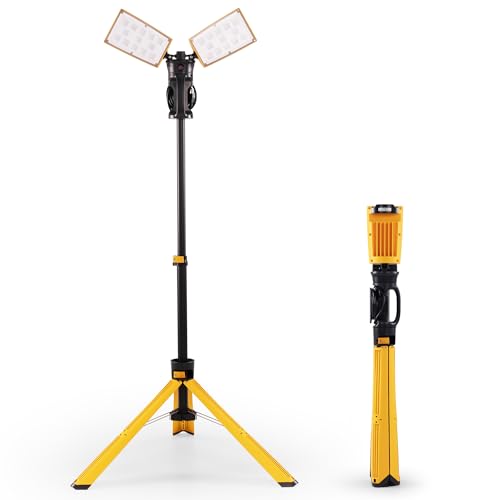
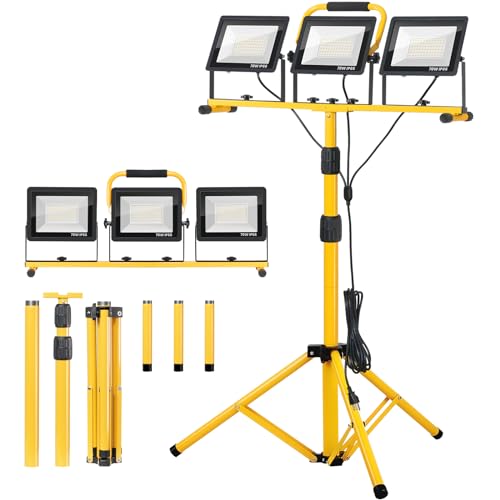
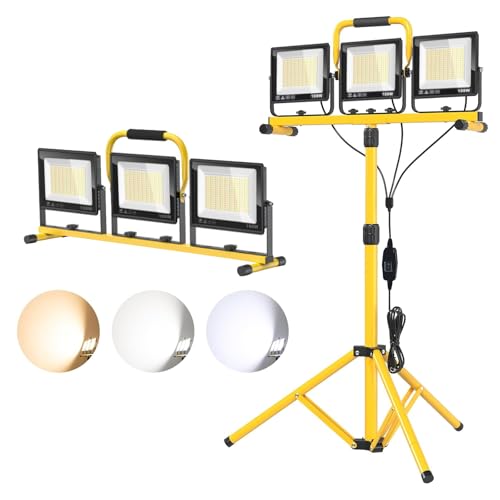
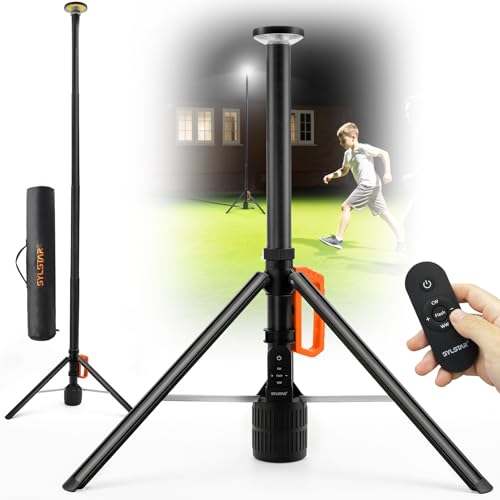
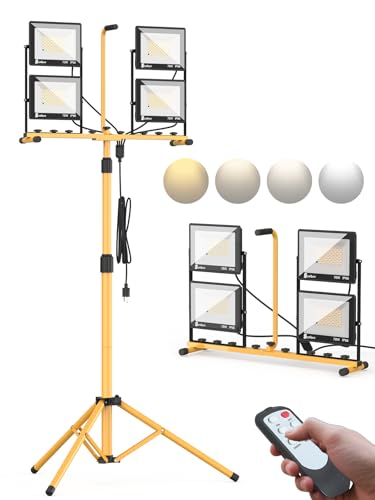
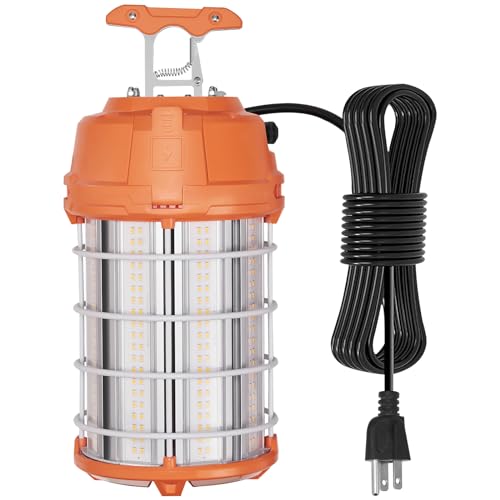
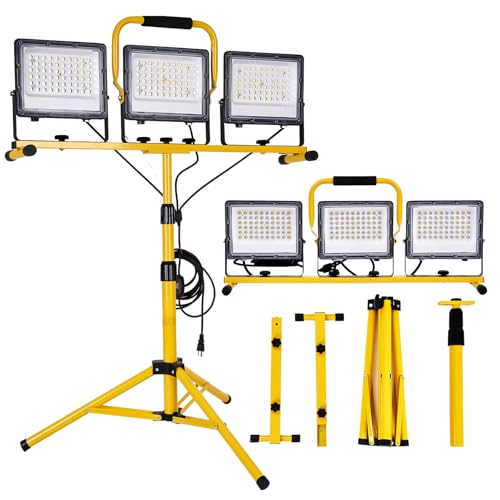
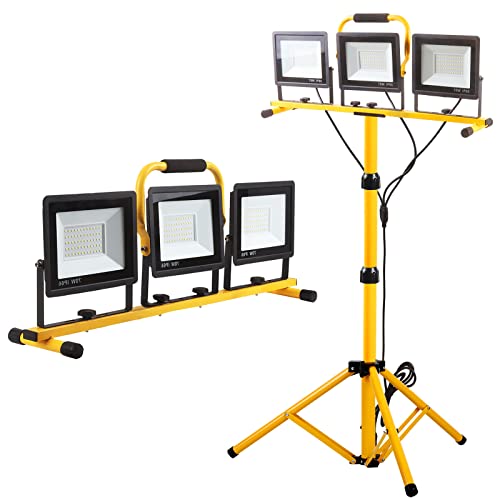
A strong magnetic base sticks directly to a car frame, appliance panel, or metal shelf, freeing up your hands without a separate stand. A folding hook does the same job from a hood, pipe, or ladder rung where there's no flat metal surface to grab. For larger areas, a tripod or stand-mounted light frees up both hands entirely and works well for painting, remodeling, or lighting a full workspace rather than a single close-up task.
Hands-Free Setups for Longer Jobs
If a job is going to take more than a few minutes, having to hold the light defeats the purpose of buying one. Look for a model that combines a magnet, hook, and folding kickstand so you're not limited to one mounting option depending on the surface you're working near. A swivel head adds one more layer of flexibility, letting you angle the beam without moving the whole unit.
Toughness Specs Worth Checking Before You Buy
LED work lights get dropped, kicked, and left in a toolbox that bounces around in a truck bed, so durability specs are worth checking with the same care you'd give brightness or runtime.
IP Ratings Explained in Plain Terms
An IP54 rating is a reasonable minimum for dust and occasional splashes, while IP65 or higher handles rain, hosing off, or dusty outdoor sites more confidently. If the light is only ever going to sit on a workbench indoors, a lower rating is fine and you don't need to pay extra for weatherproofing you'll never use.
Housing and Drop Resistance
A rubberized or reinforced housing absorbs impact far better than bare plastic, which matters most if the light lives loose in a toolbox alongside wrenches and sockets rather than in a padded case. Cheaper units often cut costs here first, so a light that feels solid and slightly heavier in your hand is usually a good early sign of build quality.
Frequently Asked Questions
How many lumens do I need in an LED work light?
For quick household repairs, 500 to 1,000 lumens is usually enough. Garage work, automotive repairs, or lighting a larger space benefit from 2,000 to 5,000 lumens or more, so match the output to how large the area actually is.
Is IP65 enough for outdoor use?
IP65 handles rain, dust, and most outdoor job site conditions well. If the light will regularly be submerged or pressure-washed, look for a higher rating, but IP65 covers the vast majority of outdoor and garage use cases.
Do I need a magnetic base or a tripod stand?
It depends on the job. A magnetic base is faster and more portable for automotive or appliance work near metal surfaces, while a tripod stand covers a wider area and works better for tasks like painting or remodeling where there's nothing metal nearby to attach to.
How long do rechargeable work light batteries typically last?
Most lithium-ion batteries in work lights hold a meaningful charge for a few hundred charge cycles, which usually translates to a couple of years of regular use before capacity noticeably drops. Charging fully before long storage periods helps the battery last longer.
What's the difference between flood and spot beams?
A spot beam concentrates light into a narrow, focused circle meant to reach far distances, similar to a flashlight. A flood beam spreads light evenly across a wider area, which is why most work lights default to flood or a flood-spot combination rather than a pure spot pattern.
Are cordless work lights as bright as corded ones?
High-end cordless models now match or exceed most corded lights in peak brightness, though running at maximum output drains the battery faster. Corded lights still have an edge for stationary jobs where you want unlimited runtime without watching a battery indicator.
The Bottom Line
The right LED work light isn't necessarily the brightest one on the shelf. It's the one that matches how and where you actually work, holds a charge through the length of your typical job, and mounts the way your tasks call for, whether that's a magnet, a hook, or a stand. Weigh brightness against runtime and durability together rather than chasing a single spec, and you'll end up with a light that earns a permanent spot in your toolbox instead of a drawer.