Best Table Saws for Home Workshops and Job Sites
A practical guide to choosing the best table saws, covering blade capacity, fence accuracy, tabletop size, and the safety features that matter most.
A table saw is often the machine a workshop gets built around. Once you have one that rips plywood cleanly and cuts square every time, dozens of other projects suddenly become realistic. Choosing among the best table saws on the market means weighing blade capacity, fence accuracy, and portability against the kind of work you actually do, not just the biggest machine you can fit in the garage. This guide breaks down what actually matters so you can match a saw to your space and your projects instead of guessing.
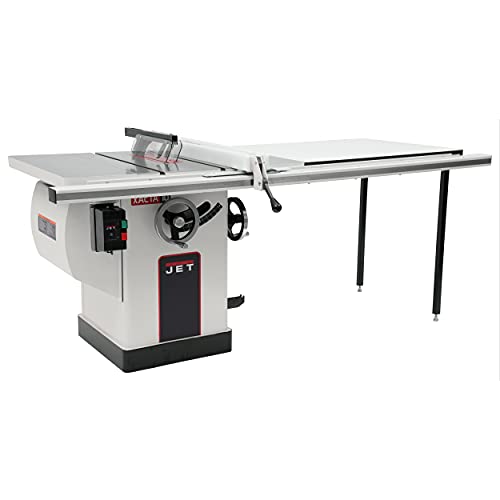
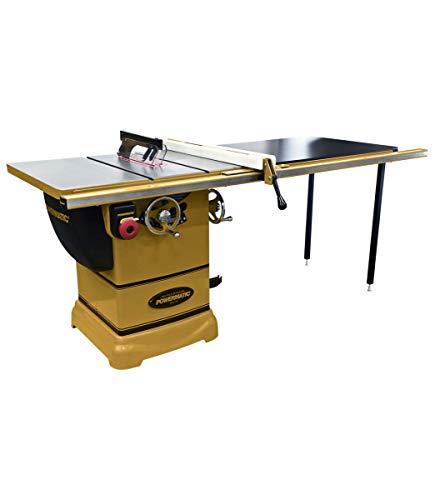


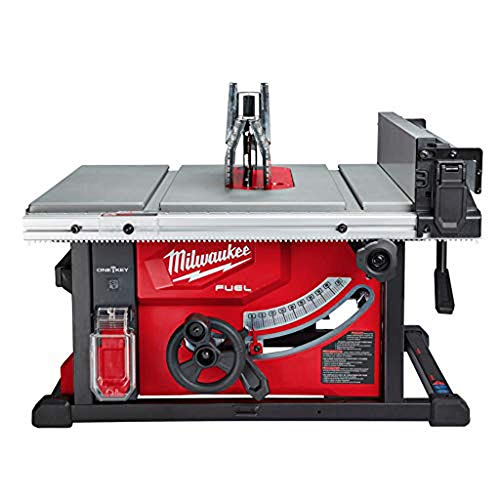
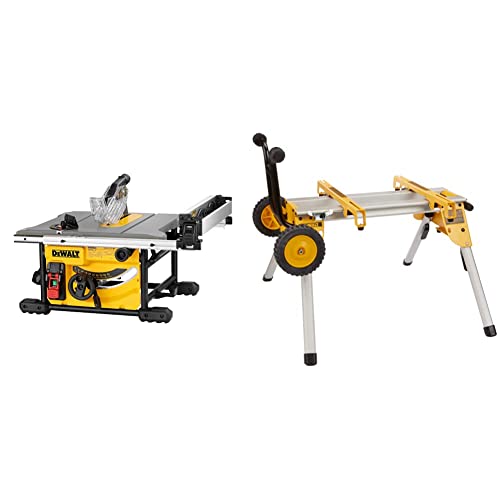


Blade Size and Cutting Capacity That Fit Your Projects
Table saw blade diameter determines how deep and how wide a single pass can cut, so it's the first spec worth checking. A 10-inch blade is the standard for most table saws, offering enough depth for framing lumber and thick hardwood in one pass. Smaller 8-inch blades show up on compact and benchtop models built for lighter trim and cabinet work.
Rip capacity, the distance from the blade to the fence at its widest setting, decides whether you can break down a full sheet of plywood without extra jigs. Cabinet-style saws often offer 30 inches or more of rip capacity, while portable jobsite saws typically max out around 24 to 25 inches.
Think about the widest material you cut regularly, then add a few inches of buffer. Buying based on rip capacity rather than blade size alone avoids the common frustration of a saw that technically has a big blade but can't handle full sheet goods.
Fence Systems and Why Cut Accuracy Depends on Them
The fence is what keeps every rip cut parallel and consistent, so its build quality matters as much as the motor. A fence that locks parallel to the blade on both ends, resists flexing under pressure, and returns to the same position after being moved saves enormous time compared to one that needs constant re-checking.
Rack-and-pinion fence systems glide smoothly and lock with even pressure across their length, which is why they show up on most contractor and hybrid saws worth considering. Basic clamp-style fences on entry-level models can work fine for occasional use but tend to drift out of parallel over time.
A clear, easy-to-read measurement scale on the fence rail also speeds up setup, especially for repeat cuts. If you do a lot of cabinet or furniture work where dimensions need to match across multiple pieces, prioritize fence repeatability over almost any other spec on the saw.
Tabletop Size and Fitting a Saw to Your Workshop
Tabletop surface area affects how well large panels are supported during a cut, which directly affects accuracy and safety. A small table forces you to muscle a sheet of plywood across the blade with little support, increasing the chance of a wandering cut or a kickback.
Cast iron tabletops, common on cabinet table saws, add mass that reduces vibration and helps produce cleaner cuts, but they also add significant weight. Stamped steel or aluminum tables on portable saws are lighter and easier to move, a fair tradeoff for anyone working out of a truck or moving between job sites.
Extension wings, whether solid or fold-down, expand your effective table size without permanently taking up floor space. For a garage or shared workspace, a saw with folding wings and a stand that collapses for storage often makes more sense than a fixed cabinet saw, even if the cabinet model has better raw specs.
Safety Features Worth Prioritizing
Table saws cause more serious injuries than almost any other stationary shop tool, which makes safety hardware a real buying criterion rather than an afterthought. A riving knife, the curved piece of metal behind the blade, keeps the kerf open and prevents wood from pinching the blade and kicking back toward you.
Blade guards paired with anti-kickback pawls add another layer of protection during standard cuts and should stay installed for the vast majority of everyday work. Some newer saws include blade-braking technology that stops the blade within milliseconds of sensing contact with skin, a feature worth the extra cost for anyone using the saw frequently or teaching others to use it.
Beyond built-in hardware, a push stick or push block should be part of every cut near the blade, and eye and hearing protection belong on every session. No safety feature replaces steady footing, a clear table, and full attention while the blade is spinning.
Portable Jobsite Saws vs Stationary Cabinet Saws
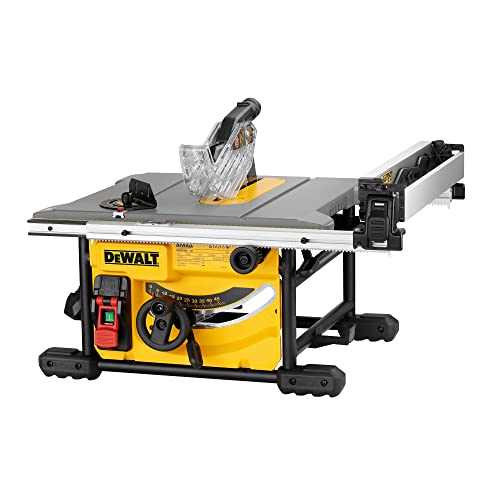
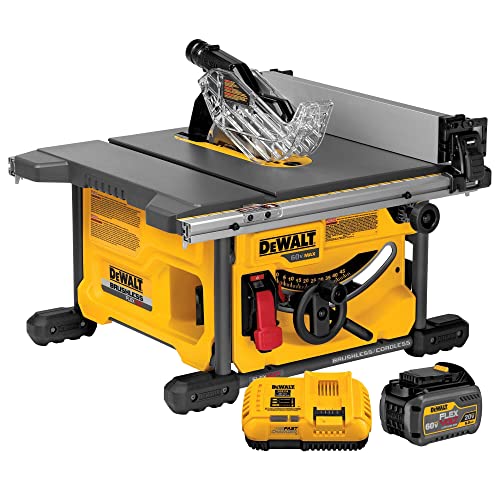
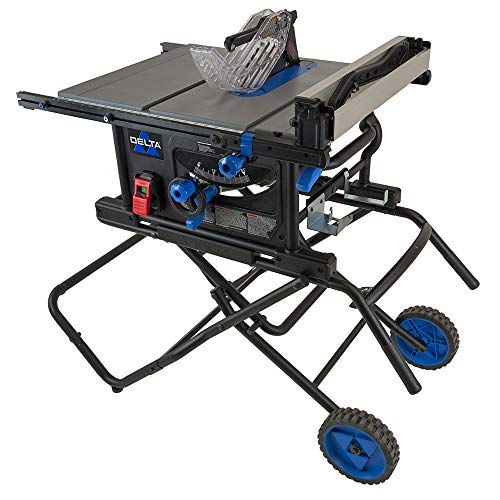
Jobsite table saws are built around a folding stand, a compact footprint, and enough power for framing and general contractor work. They trade some rip capacity and vibration dampening for the ability to be loaded into a truck and set up in minutes, which matters if the saw needs to travel.
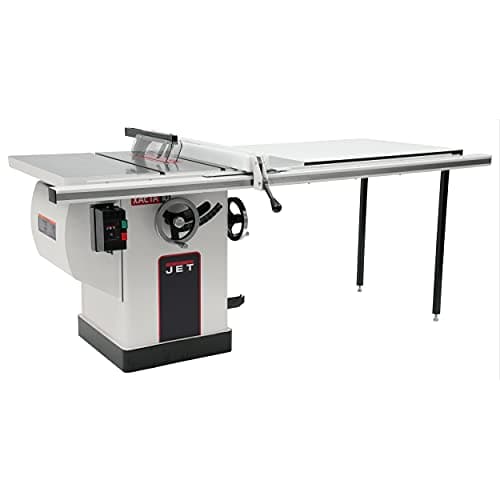
Stationary cabinet saws stay in one place and are built for volume and precision. Heavier motors, enclosed bases that improve dust collection, and cast iron tables make them the choice for serious furniture building or a shop that runs the saw daily.
Hybrid saws split the difference, offering some of the accuracy and mass of a cabinet saw in a smaller, lighter package. If you are unsure which category fits, think about whether the saw needs to move. Among the best table saws in either category, the fence and safety fundamentals covered above matter more than the category label itself.
Frequently Asked Questions
What size table saw fits a home workshop best?
A 10-inch benchtop or contractor saw handles most home projects, including framing lumber and furniture stock. Only move up to a cabinet saw if you regularly rip hardwood or need maximum rip capacity for sheet goods.
Is a portable table saw powerful enough for framing work?
Yes, most jobsite table saws deliver enough power for framing lumber, decking, and general construction cuts. They sacrifice some vibration dampening compared to cabinet saws but handle typical contractor tasks well.
How much rip capacity do you actually need?
Measure the widest material you cut regularly and add a few inches of buffer. Most home users are well served by 24 to 30 inches, while full sheet goods work benefits from wider capacity.
Do all table saws include a riving knife?
Most modern table saws include a riving knife as standard safety equipment, though some older or budget models may not. Confirm this feature before buying, since it significantly reduces kickback risk.
Cast iron or aluminum table top, which is better?
Cast iron adds mass that reduces vibration and improves cut quality, ideal for a stationary shop. Aluminum and steel tables are lighter and better suited to saws that need to move between locations.
How often should the blade be replaced?
A quality blade can last years with occasional sharpening, depending on use and material. Replace it once cuts start burning, tearing, or requiring extra force to push through material.
Matching a Saw to the Work Ahead of You
The right saw comes down to matching capacity, fence quality, and safety features to the work you actually plan to do, not the specs that sound most impressive. A weekend furniture builder and a full-time contractor need very different balances of portability and precision, even though both might reasonably describe their choice as one of the best table saws available.
Start with the size of material you cut most often, confirm the safety hardware included, and only then compare extras. A well-chosen saw pays for itself in cleaner cuts and fewer wasted materials for years.
Related reading: best compound miter saws and best table saw for small shop.