
Best Houseplants Self Watering System: A Complete Buying Guide
Disclosure: We may earn a commission when you buy through links on this page, at no extra cost to you. As an Amazon Associate I earn from qualifying purchases. Learn more

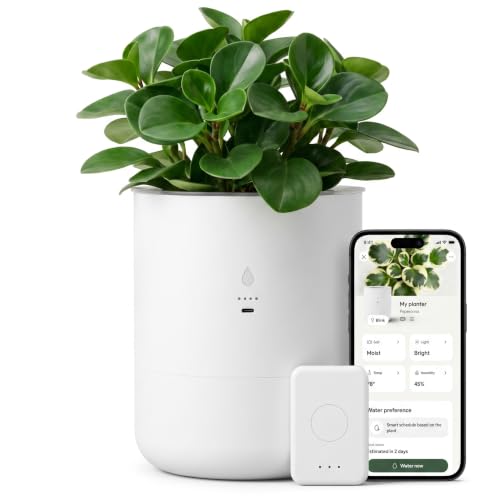
Keeping houseplants alive while juggling work, travel, and everything else on your plate gets a lot easier once watering stops being a daily chore. That is the whole point of a best houseplants self watering system: a pot built with a hidden water reservoir under the soil that feeds roots through wicking action, so moisture stays even without you hovering over every plant with a watering can. Unlike a drip line or moisture globe you clip onto an existing container, this type of planter is designed around the reservoir from the ground up. Pick the right one and you can stretch watering out to once every one to two weeks, cut down on both under and overwatering, and keep plants noticeably healthier with far less daily effort on your part.
Picking a Reservoir Pot That Fits How You Actually Water
Not every self-watering pot behaves the same way once it is filled. Before buying one, look at three things: how much water the reservoir holds, how the water actually gets to the roots, and whether you can see the water level without digging into the soil.
Reservoir capacity and refill frequency
A small reservoir might only bridge three or four days, which barely beats hand watering. A deeper base built for a mid-size houseplant can often go one to two weeks between refills, which matters a lot if you travel or simply forget things. Match the reservoir size to how long you realistically want to go between refills, not just to the size of the plant.
Wicking cord versus capillary mat
Most designs use either a fabric or cotton wick that dangles into the water, or a capillary mat that sits flush against the reservoir and draws moisture upward more evenly across the whole base. Wicks are simple and easy to replace but can dry out or clog over time. Mats spread water more evenly but are harder to inspect, so weigh convenience against how hands-on you want to be.
Water level indicators
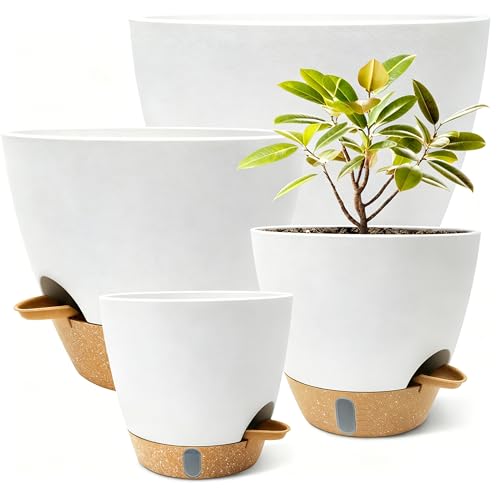
A window or float gauge on the side of the pot tells you exactly when to refill instead of leaving you guessing or lifting the plant to check. It is a small feature, but it is the difference between a system you trust and one you second-guess every week.
How the Hidden Reservoir Actually Feeds the Plant
A self-watering pot separates the growing area from a sealed water chamber underneath, usually with a false bottom or divider. Water never touches the roots directly. Instead, capillary action pulls moisture up through the wick or mat and into the soil right at the rate the plant is using it.
This is why the system is described as self-regulating. On a warm, bright day when the plant is transpiring quickly, it draws more water up from below. On a cool or overcast day, it draws less. You are not setting a timer or guessing at volume; the plant's own uptake controls the pace. That single mechanism is what prevents the two most common houseplant mistakes: soil that dries out completely between waterings, and soil that stays soggy because someone poured in more water than the plant needed. A properly working reservoir keeps the root zone in a narrow, healthy moisture band on its own.
Matching Pot and Reservoir Size to Your Plant and Your Schedule
Sizing a self-watering pot is less about the plant's current size and more about its mature root mass and your refill habits. A pot that is too large for a young plant can leave soil wet for too long near the base, since roots are not yet reaching down to use that water. A pot that is too small forces frequent refills regardless of how good the wicking mechanism is.
- Small tabletop plants (pothos cuttings, small ferns): a compact reservoir refilled roughly weekly is usually enough.
- Mid-size floor plants (peace lilies, philodendrons): look for a wider base with a reservoir rated for seven to ten days.
- Larger specimens (fiddle leaf figs, larger palms): prioritize reservoir depth and a wide wicking surface over a tall pot profile.
If your real goal is going longer between trips away from home rather than daily convenience, size up the reservoir first and worry about pot aesthetics second. Getting this part right is what separates a genuinely useful best houseplants self watering system from one you end up refilling almost as often as a regular pot.
Which Houseplants Actually Benefit, and Which Ones Struggle
A self-watering pot is not a universal upgrade. It suits plants that want their soil kept steadily moist and genuinely struggles with plants that need to dry out between waterings.
Good candidates
Ferns, peace lilies, calatheas, spider plants, and most tropical foliage plants tend to thrive, since consistent moisture is exactly what they ask for in their native environments. If you have struggled to keep a peace lily from drooping between waterings, a reservoir pot often solves that problem outright.
Poor candidates
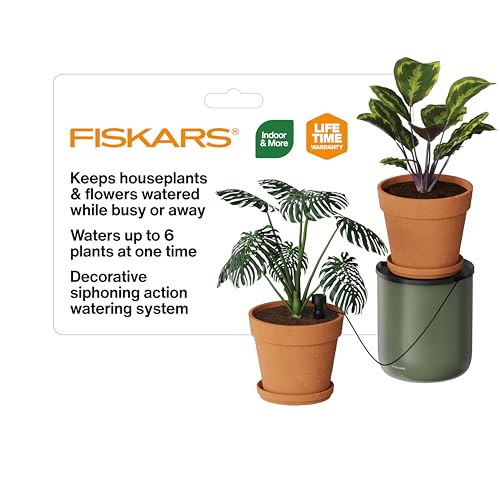
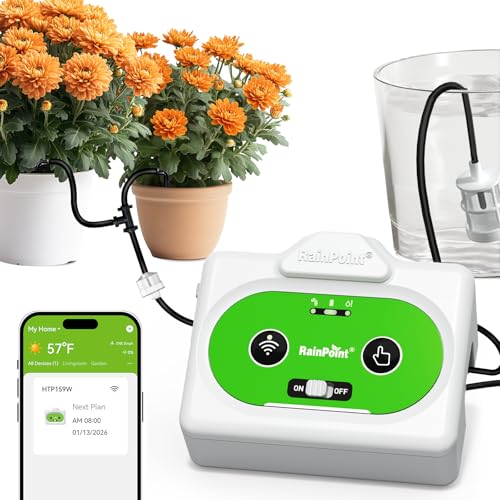
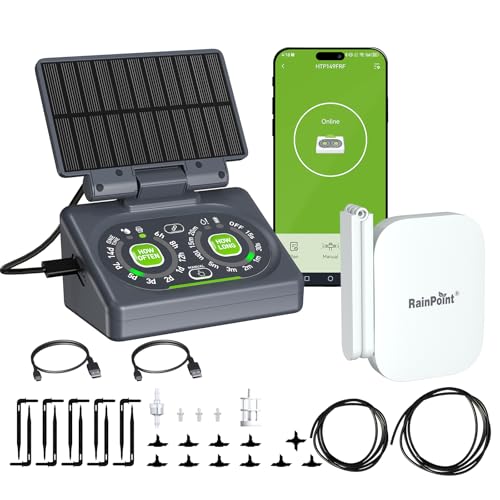
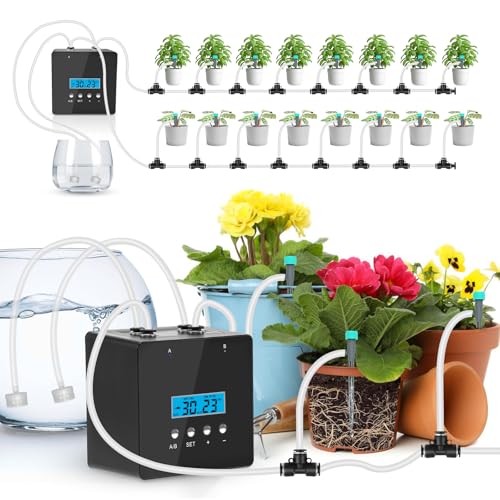
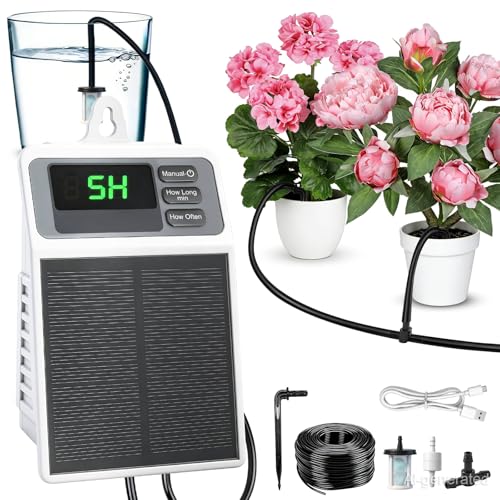
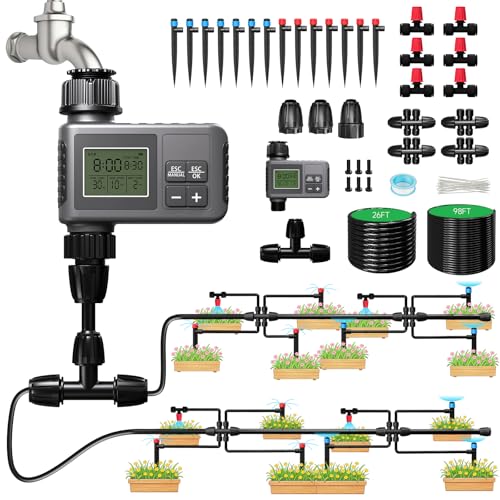
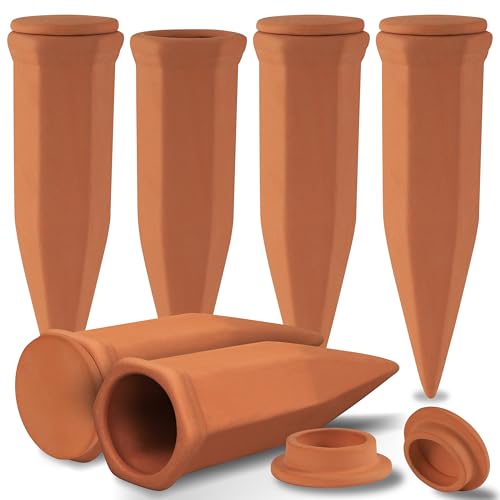
Succulents, cacti, and other plants adapted to arid conditions want their soil to dry out fully between drinks. Sitting above a constantly moist reservoir works against that and raises the risk of root rot. Snake plants and most culinary herbs from Mediterranean climates fall into this same category. Save the reservoir pots for your moisture-loving plants and keep drought-tolerant species in regular pots with fast-draining soil, watered on their own schedule. If you are weighing an add-on solution instead of switching pots entirely, a drip or wick-based automatic watering setup can work well for plants you would rather not repot.
Material Choice and Drainage Safety
Plastic reservoir pots are lightweight, affordable, and resist cracking if water freezes or expands, which makes them a practical everyday choice. Ceramic and glazed versions look more polished on a shelf or console table but add weight and cost, and a crack in the reservoir wall can mean a slow leak you will not notice until it stains the floor underneath.
Whatever the material, check for an overflow hole. Without one, a reservoir that gets topped off by mistake, or catches extra rain if a plant lives outdoors part of the year, has nowhere for excess water to go, and it floods back up into the soil. That is one of the few genuine ways a properly designed self-watering system can still cause root rot, so an overflow outlet is not optional if you want the best houseplants self watering system for a plant you actually care about keeping alive.
Frequently Asked Questions
How often do I need to refill a self-watering pot?
Most reservoirs need refilling every seven to fourteen days depending on plant size, pot capacity, and the season. Warm, bright conditions speed up water use, while cooler, low-light stretches slow it down considerably.
Can I use regular potting soil in a self-watering pot?
Standard potting soil often works, but a mix with added perlite or coco coir wicks water more evenly and resists compacting around the wick. Very dense or heavy soil can slow moisture movement and leave the top layer dry.
Will the reservoir grow algae or mosquitoes if I leave it too long?
It can, especially in warm rooms with bright light hitting the reservoir. Refilling before it runs completely dry, keeping the fill tube covered, and rinsing the chamber every couple of months keeps both issues in check.
Do I still need to water from the top sometimes?
Yes, occasionally. Top watering every few weeks helps flush out mineral buildup from tap water and rinses salts down and out through the drainage layer instead of letting them concentrate near the roots.
Is it normal for the wick to stop working after a while?
Wicks can clog with mineral deposits or root growth over months of use. If refills seem to sit in the reservoir without the soil ever feeling moist, pull the wick out, rinse it, or replace it if it looks stiff or discolored.
Can self-watering pots work for outdoor container plants too?
Many can, as long as the reservoir has a working overflow for rainfall and the pot is rated for outdoor exposure. Just check the material can handle temperature swings if you live somewhere with real winters.
How do I know if I am overfilling the reservoir?
If soil near the base feels soggy days after a refill, or you notice a sour smell, the reservoir is likely staying too full for the wick to keep up. Let it run closer to empty before the next refill and confirm the overflow hole is not blocked.
Getting the Most Out of Consistent Moisture
A self-watering pot only pays off when the reservoir size, wicking mechanism, and plant type actually match up. Take a little time matching those three before you buy rather than after. Once dialed in, it turns one of the more tedious parts of plant care into something you barely have to think about.