
Best Automatic Watering System for Indoor Plants: A Buying Guide
Disclosure: We may earn a commission when you buy through links on this page, at no extra cost to you. As an Amazon Associate I earn from qualifying purchases. Learn more
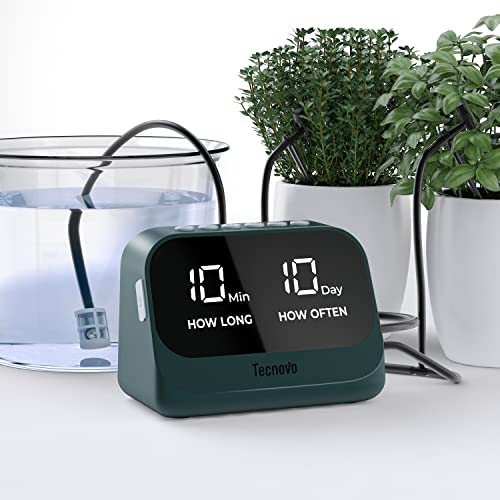
Choosing the best automatic watering system for indoor plants comes down to one simple question: how much control do you want over when and how much water each pot receives. Some households just need a quiet wick or reservoir setup that keeps a handful of pots hydrated between waterings. Others manage dozens of plants across several rooms and want a timer-driven drip network with an app that flags low water levels before it becomes a problem. Neither approach is inherently better. The wrong choice usually shows up within a few weeks as yellowing leaves, soggy soil, or a reservoir that ran dry during a work trip. This guide walks through how these systems actually work, how to size one to your plant collection, and which features are genuinely worth paying for.
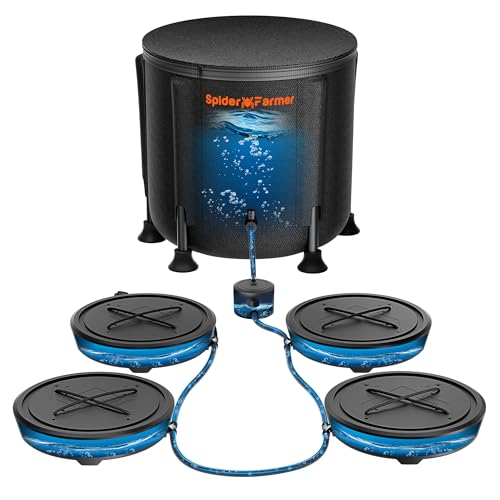
![LetPot Automatic Watering System for Potted Plants, [Wi-Fi & App Control] Drip](https://images-na.ssl-images-amazon.com/images/I/415XQXhtP6L.jpg)
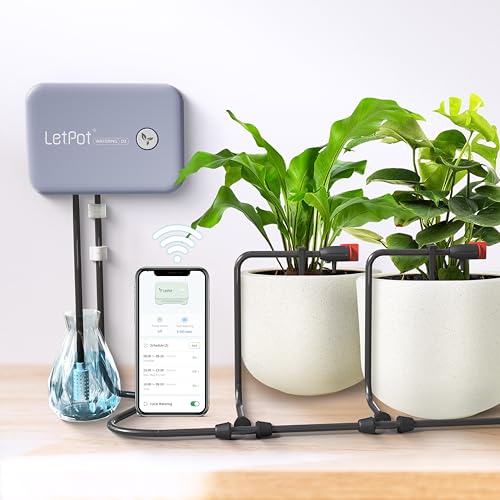
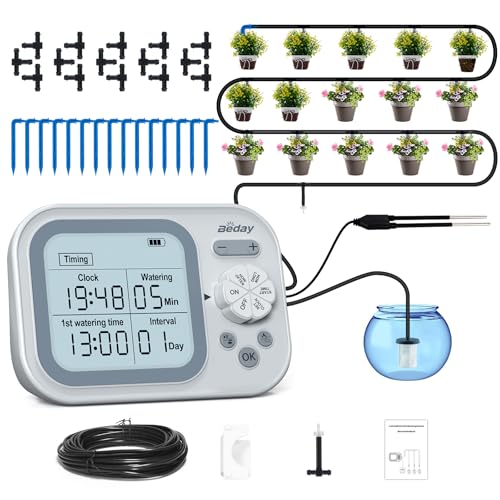


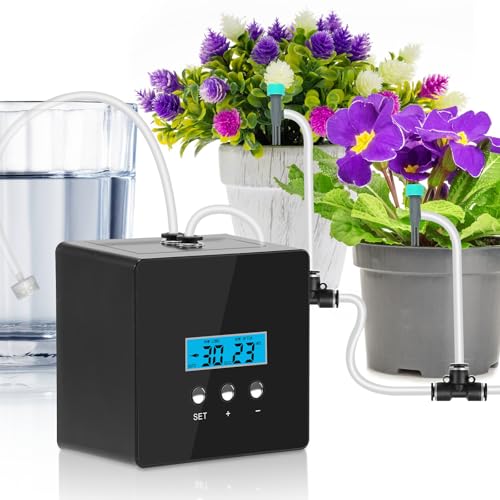
Drip Lines, Wicks, and Reservoir Pots: How Each Method Moves Water
When people go looking for the best automatic watering system for indoor plants, they usually end up choosing between three delivery mechanisms. Each one solves the problem differently, and picking the right one matters more than any brand-specific feature.
Drip emitters and stakes
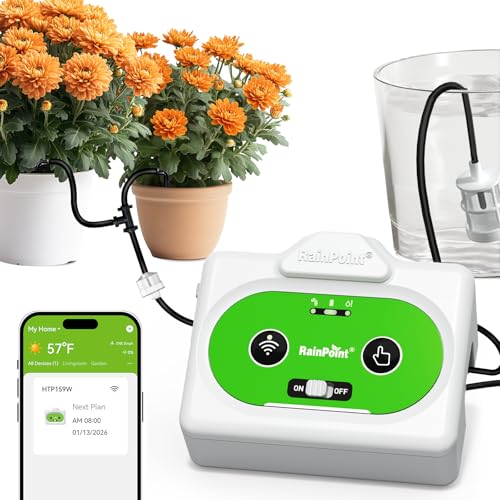
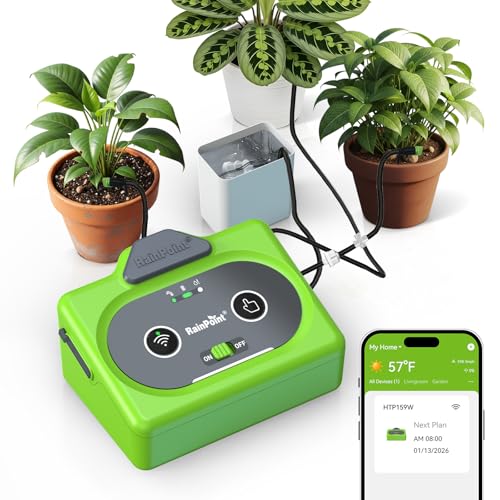
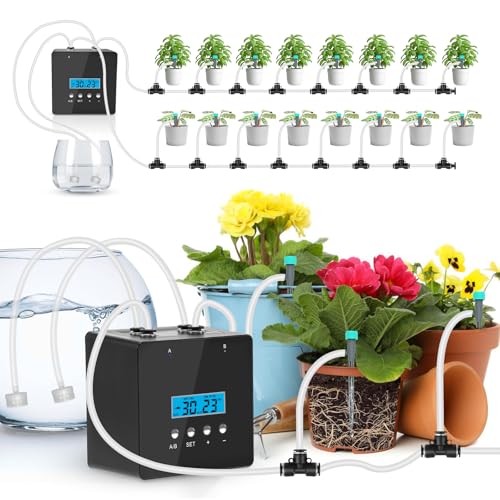
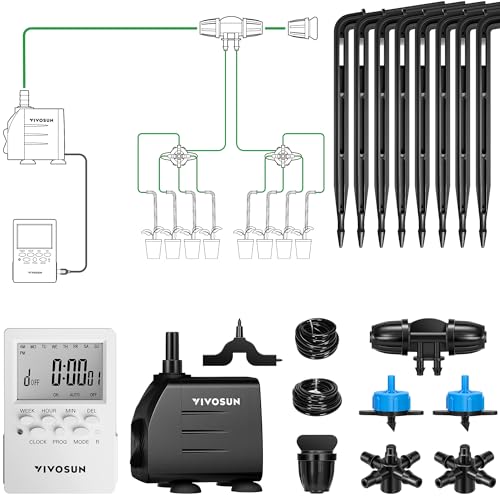
Drip systems push water through thin tubing to small stakes or emitters pushed into the soil of each pot. A timer or gravity-fed bottle controls the flow, so you can dial in exactly how much each plant gets. This method scales well if you have many pots spread across a room, but it does mean visible tubing running between containers.
Wick and capillary systems
A wick system uses a strip of absorbent cord or fabric to pull water from a small reservoir up into the soil through capillary action. There's no pump or timer involved, which makes it one of the simplest options to set up and the quietest to live with. It works best for plants that like consistently moist soil rather than a dry-then-soak cycle.
Self-watering reservoir pots
These planters hold a built-in water chamber beneath or beside the root zone, often with a wicking cord or porous divider carrying moisture upward on demand. Many include a float gauge so you can see the water level without digging into the soil, which takes the guesswork out of refilling.
Sizing a System to Your Plant Collection and Time Away
Reservoir capacity should scale with the number of pots you're covering and how long you'll realistically be gone between refills. A single small reservoir pot might hold enough water for four or five days with one plant, while a multi-line drip kit with a larger tank can stretch two to three weeks across a dozen containers.
Think honestly about your travel habits rather than buying for a rare worst case. If you're usually gone for a long weekend, a compact wick or reservoir setup is plenty. If you travel for extended stretches or manage plants across multiple windowsills, a drip kit with an adjustable timer gives you more headroom and lets you fine-tune output per plant rather than treating every pot the same.
If your collection leans toward a small windowsill herb setup rather than large houseplants, it's worth checking how that layout affects watering needs before committing to a system, since shallow pots dry out faster and need more frequent, smaller doses than deep planters do.
Timers, Apps, and the Control Features Worth Paying For
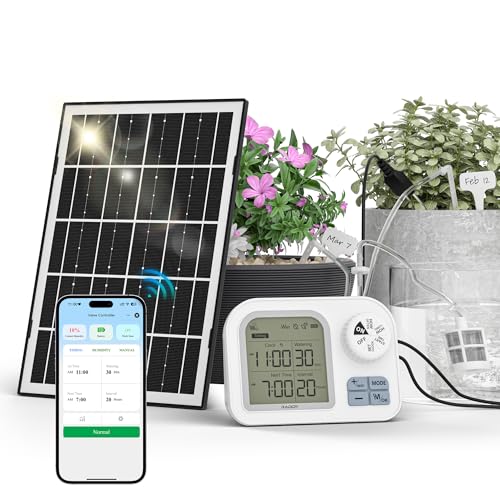
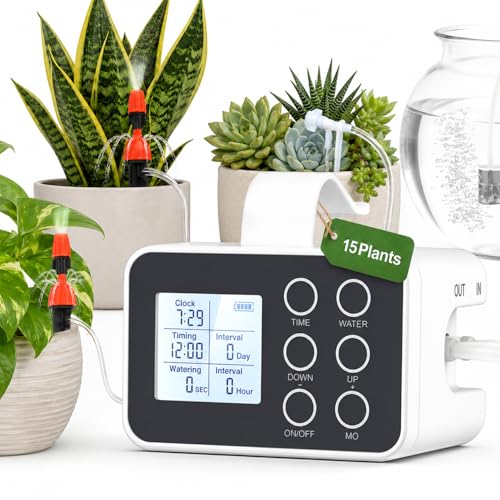
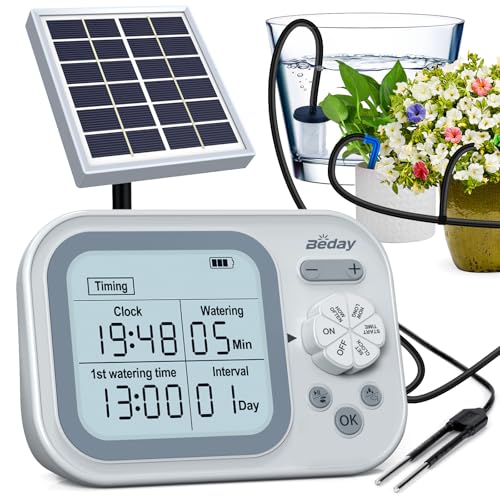
Basic drip kits use a mechanical dial timer that fires at set intervals, which is reliable and needs no setup beyond turning a knob. Smart versions add an app that lets you adjust schedules remotely, log watering history, and get a push notification when the reservoir runs low.
The app layer is genuinely useful if you're watering while traveling internationally or managing plants at a second home, since you can adjust the schedule without being on site. For a single apartment where you're home most weeks, it's an added convenience rather than a necessity, and the extra cost may not be worth it.
Look for systems that let you set different flow rates or durations per line rather than one blanket schedule for every pot. Plants with different soil types and light exposure dry out at different speeds, and a system that treats them all the same will overwater some and underwater others.
Protecting Against Leaks, Overwatering, and Dead Batteries
The most common failure isn't underwatering, it's a slow leak or a stuck valve that floods a pot while you're away. Choose tubing and connectors rated for indoor use, and test any new setup for a few days while you're home before trusting it unattended.
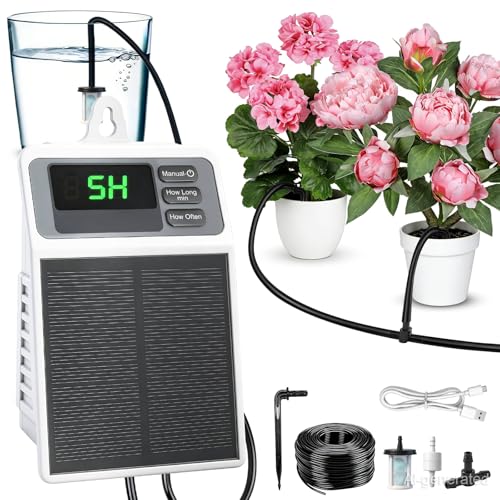
Battery-powered timers are convenient because they don't need an outlet near every pot, but a dead battery means the schedule simply stops. Check the manufacturer's stated battery life and replace batteries proactively before a trip rather than waiting for a low-battery warning that may not reach you in time.
Placing a small tray or saucer under reservoir pots and drip-fed containers protects flooring and furniture if a line does fail. It's a small habit that prevents the most common complaint people have after their first watering-system mishap.
What You'll Pay at Each Tier
Entry-level options, mainly wick kits and basic reservoir pots, are the cheapest way to start and require no power source or app. Mid-range drip kits with a mechanical timer and multiple emitter lines cost more but cover a larger number of plants from one central tank.
Smart, app-connected systems sit at the top of the price range, and the premium mostly pays for remote scheduling, notifications, and sometimes soil moisture sensors rather than better water delivery itself. Whatever budget tier you land on, the best automatic watering system for indoor plants is the one you'll actually keep filled and maintained, not the one with the longest feature list.
If you already run a self-watering pot setup for part of your collection, a simple drip add-on for the rest of your plants is often cheaper than replacing everything with one unified system.
Frequently Asked Questions
How often do I need to refill the reservoir?
It depends on pot size, plant type, and room temperature, but most small reservoirs need a refill every four to seven days. Larger tanks feeding multiple drip lines can often go two to three weeks between fills.
Can I use regular tap water in these systems?
Yes, tap water works fine for most houseplants and won't damage tubing or wicks. If your water is very hard, occasional rinsing of tubing and reservoirs helps prevent mineral buildup over time.
Will a drip or reservoir system keep plants alive for a two-week vacation?
In most cases yes, as long as the reservoir is sized correctly and you test the setup for a few days beforehand. Confirm flow rates and battery life before you leave rather than assuming everything will run as expected.
Do self-watering pots cause root rot?
Root rot usually happens when a reservoir is oversized for the plant or the potting mix stays saturated instead of just moist. Using a well-draining mix and matching reservoir size to the plant reduces this risk significantly.
How long do smart timer batteries typically last?
Most battery-powered timers run for several months to about a year on a single set of batteries, depending on how often they cycle. Replace batteries before an extended trip rather than waiting for a warning notification.
Can one system handle plants with very different watering needs?
Yes, as long as it supports adjustable flow rates or durations per line. A single blanket schedule works fine for similar plants but will overwater succulents and underwater moisture-loving species if they're mixed together.
Do these systems work for outdoor container plants too?
Many indoor kits can handle a few outdoor containers on a porch or balcony, but check the manufacturer's guidance on sun and temperature exposure first. Outdoor use often drains reservoirs faster because of evaporation and heat.
Settling Into a Routine With Your New System
Give any new setup a short trial run at home before relying on it while you're away, and adjust flow rates once you see how your specific plants and pots respond. Small tweaks in the first couple of weeks make a bigger difference than any single feature on the box.