Best Impact Wrenches: A Complete Buying Guide

Lug nuts that won't budge, a rusted suspension bolt, or a tire that needs swapping on the side of the road: these are the moments when a hand wrench just isn't enough. That's where impact wrenches come in. They deliver quick, rotational hammer blows that break loose fasteners a standard ratchet can barely move, which makes them one of the most useful power tools you can add to a home garage. This guide walks through the power source, torque, and drive size decisions that actually matter, plus how to avoid confusing an impact wrench with the smaller tool that shares half its name.


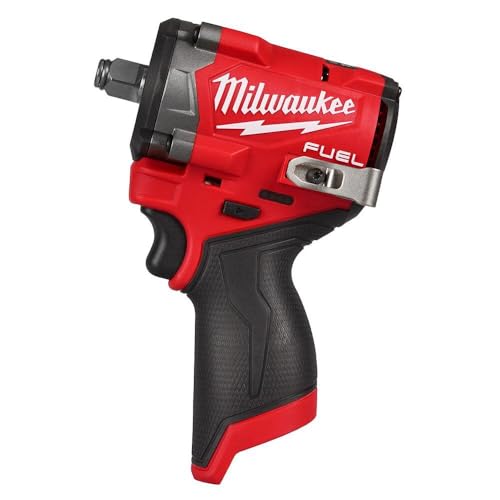
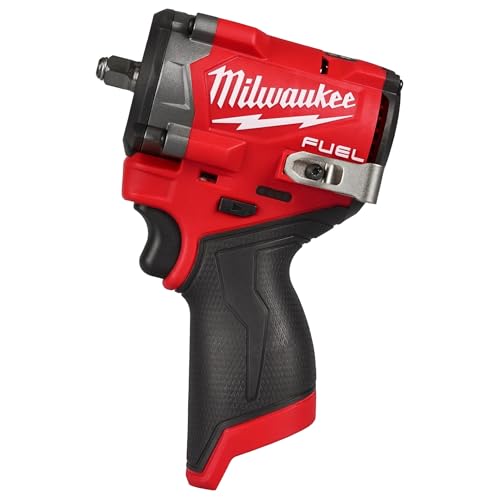


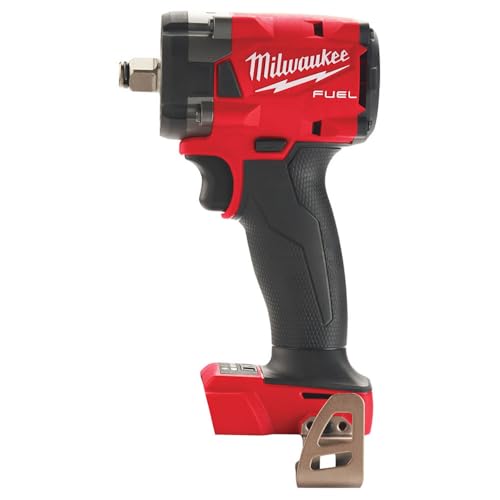
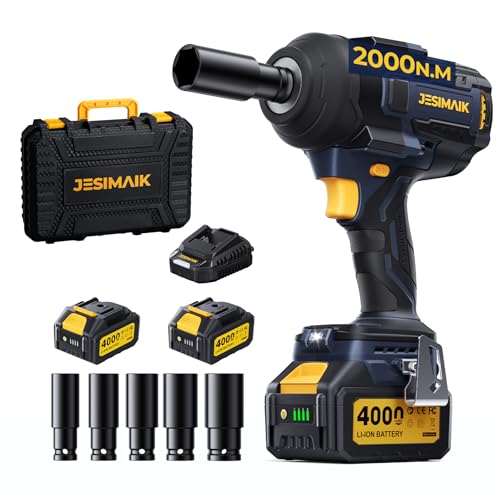
Cordless, Pneumatic, or Corded: Which Power Source Fits Your Garage
The first real decision with any impact wrench is how it gets its power, and this affects everything from portability to long-term cost.
Cordless Impact Wrenches
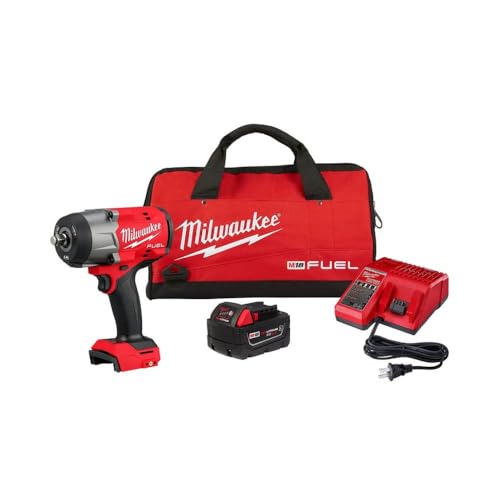
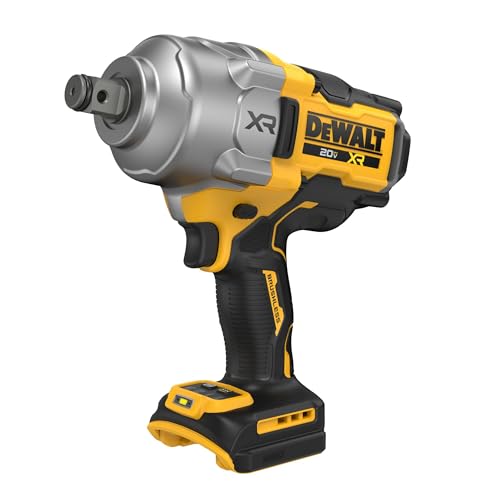
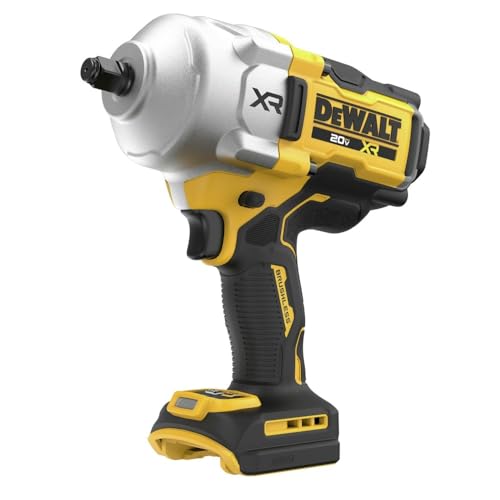
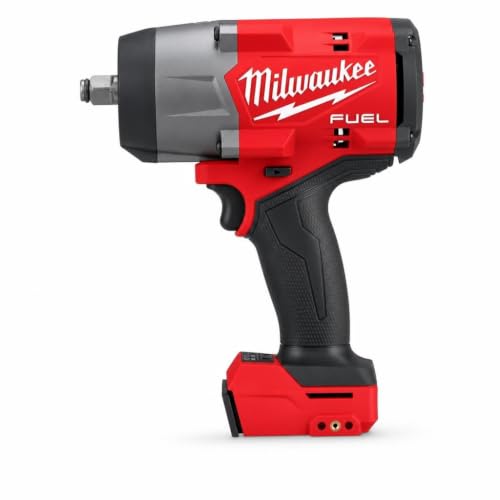
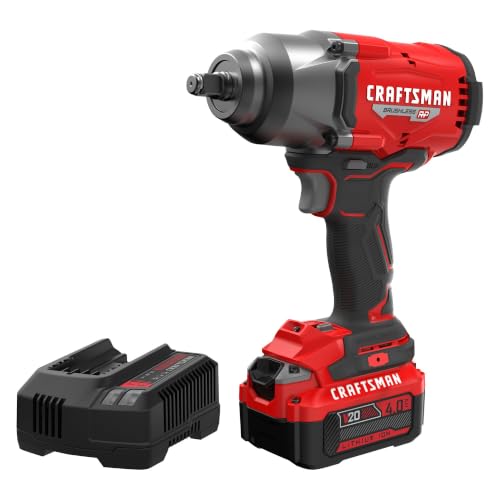
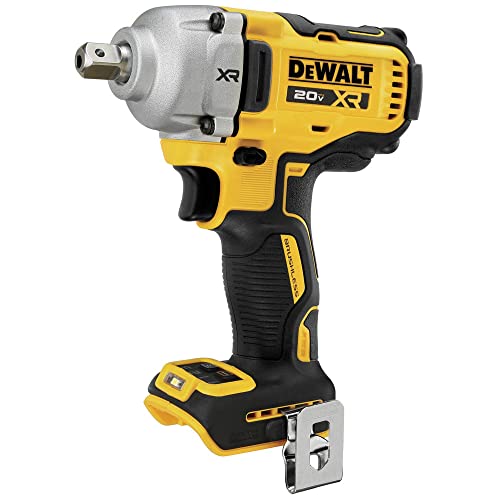
Battery-powered models are the most popular choice for home use because they need nothing but a charged battery to work. You can carry one out to the driveway, under a car on jack stands, or even to the side of the road for a flat tire. The trade-off is that battery packs eventually fatigue, and top-tier torque numbers often require the largest, heaviest battery in a given lineup.
Pneumatic (Air) Impact Wrenches
Air-powered models connect to a shop compressor through a hose and, as long as air keeps flowing, they don't lose power the way a battery can fade mid-job. They also tend to be lighter and less expensive than a comparable cordless unit, since there's no battery or motor to buy. The catch is the compressor itself. If you already have one in the garage, sized correctly for tools like an air compressor built for garage use, a pneumatic wrench is often the better value. If not, buying a compressor just for one tool rarely makes sense.
Corded Electric Impact Wrenches
Plug-in models sit in between the other two. They deliver steady power without a battery to charge, but the cord limits where you can use them, and they're less common than cordless or pneumatic options for home garages. They tend to make the most sense for a stationary workbench setup rather than general automotive work.
Matching Drive Size and Torque to the Job
Once you've settled on a power source, drive size and torque decide whether the tool can actually handle the fasteners you're working with.
Drive Size and What It Controls
The square-shaped anvil where sockets attach comes in a few standard sizes, most commonly 3/8 inch and 1/2 inch for home use, with 3/4 inch reserved for heavier trucks and equipment. A 3/8-inch drive is lighter, more compact, and easier to control in tight spaces, which suits light fastening work and smaller sockets. A 1/2-inch drive handles noticeably more torque and larger sockets, making it the better all-around pick if lug nuts and suspension bolts are part of the plan. Whichever size you choose, it needs to match the socket set you already own or plan to buy as part of a broader hand tool set for the garage.
How Much Torque You Actually Need
Manufacturers list a few different torque numbers, and they aren't interchangeable. Working torque, or tightening torque, reflects normal use, while breakaway torque shows the extra force available for stuck or corroded fasteners. For most passenger car maintenance, a wrench in the 200 to 500 ft-lb range covers lug nuts and common repair jobs. SUVs, light trucks, and stubborn suspension hardware generally call for something closer to 300 to 600 ft-lbs. A brushless motor is worth prioritizing too, since it runs cooler and holds its torque output more consistently over the life of the tool than an older brushed design. Impacts per minute (IPM) is a secondary spec: a higher number can help the hammer mechanism work through a seized fastener, but it doesn't substitute for having enough torque in the first place.
Impact Wrench or Impact Driver: Avoiding the Wrong Purchase
These two tools get mixed up constantly, and buying the wrong one is a common, frustrating mistake. An impact wrench uses a square drive and is built to loosen and tighten large nuts and bolts, the kind found on a vehicle's wheels or frame. An impact driver uses a 1/4-inch hex drive and is built for driving screws, whether that's deck boards, cabinet hardware, or general woodworking fasteners. Torque output tells the same story: an impact driver typically tops out around 1,300 inch-pounds, while an impact wrench can exceed 2,000 inch-pounds. If your project list leans toward automotive repair or removing large bolts, an impact wrench is the right tool. If it leans toward building, assembling, or driving screws, an impact driver is the better fit, and trying to make one do the other's job usually ends in stripped fasteners or a stalled motor.
Using an Impact Wrench Safely on Lug Nuts
Removing lug nuts is one of the most common reasons people buy their first impact wrench, and it's also where a little caution matters most. An impact wrench is excellent for breaking loose and doing the initial tightening of lug nuts, but it isn't precise enough to be the last step. These tools don't measure the exact torque being applied the way a dedicated tool does, so there's a real risk of over-tightening, which can stretch or damage wheel studs, or under-tightening, which can let a wheel work loose over time. The safer routine is to use the impact wrench to get lug nuts snug, then finish the job with a torque wrench set to the vehicle manufacturer's spec. That extra step takes a minute and directly protects both the wheel and whoever is riding on it.
Frequently Asked Questions
What is the difference between an impact wrench and an impact driver?
An impact wrench uses a square drive for sockets and is built for high-torque jobs like lug nuts and large bolts. An impact driver uses a hex drive for bits and is built for driving screws. They aren't interchangeable for most tasks.
How much torque do I need for an impact wrench?
For most passenger vehicles, 200 to 500 ft-lbs covers lug nuts and routine maintenance. SUVs, trucks, and rusted or stuck fasteners generally call for 300 to 600 ft-lbs or more.
Is a cordless or pneumatic impact wrench better?
Cordless models win on portability and setup-free convenience. Pneumatic models can offer more sustained power and lower upfront cost, but only make sense if you already have a suitable air compressor.
What size impact wrench do I need for lug nuts?
A 1/2-inch drive impact wrench is the standard choice for passenger car and light truck lug nuts. Larger trucks and commercial vehicles often need a 3/4-inch drive for the higher torque involved.
Can I use an impact wrench to tighten lug nuts all the way?
You can use it for the initial tightening, but the final tightening should always be checked with a torque wrench. Impact wrenches don't measure exact torque, which makes them unreliable for the last step.
Do impact wrenches need an air compressor?
Only pneumatic models do. Cordless and corded electric impact wrenches run without a compressor, which is why they're the more common choice for home garages without existing air tool setups.
The Bottom Line
The right impact wrench comes down to how and where you'll use it. Match the power source to your setup, pick a drive size that fits your socket collection and torque needs, and remember that this is a tool for loosening and initial tightening, not for dialing in an exact final spec. Get those basics right and an impact wrench earns its place as one of the more useful tools in a home garage.