
Best Lineman Pliers by Budget: Smart Picks for 2026
Disclosure: We may earn a commission when you buy through links on this page, at no extra cost to you. As an Amazon Associate I earn from qualifying purchases. Learn more

Lineman pliers by price tier, with IRWIN, Klein D2000-9NE and Knipex picks plus leverage, steel and safety advice.
Lineman pliers look simple, but prices run from around $15 for basic combination pliers to more than $60 for high leverage models with crimpers, fish tape pullers and insulated handles. The difference shows up in cutting effort, jaw grip and how long the cutting edges stay sharp. This guide to the best lineman pliers explains where extra money buys real performance and where a cheaper pair is all you need.
We start with one pick from each budget tier, then explain what each price range delivers, which features are worth paying for and the long term costs that matter for electricians, DIYers and anyone who keeps a pair in the toolbox.


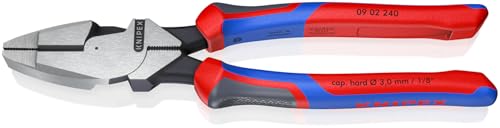
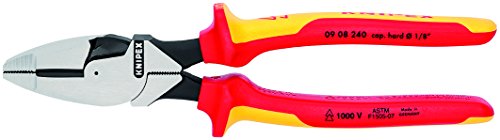


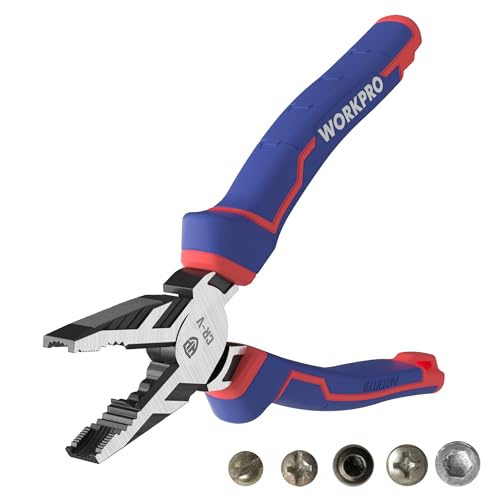
Top 3 Picks by Budget
These three pliers come from the product table above and represent the best balance of value and performance at each price level.
Best Budget Pick: IRWIN Vise-Grip North American Lineman's Pliers, 9-1/2 inch
The IRWIN Vise-Grip 9-1/2 inch lineman's pliers suit homeowners and DIYers who want a full size pair for occasional wiring, fence work and general twisting and cutting. The North American style head has a flat, wide nose for gripping and twisting wire, and the 9-1/2 inch length gives good leverage for its price.
It is one of the most widely bought lineman pliers on Amazon, which makes it a safe first pair. The limitation is that it lacks extras like a crimper or fish tape puller, and the cutting edges will need more effort on hard wire than premium high leverage models. It sits around $20.

Best Midrange Pick: Klein Tools D2000-9NE Side Cutting Lineman's Pliers
The Klein D2000-9NE is the pair most working electricians and serious DIYers should consider first. Its high leverage design places the rivet closer to the cutting edge, which Klein says gives 46% more cutting and gripping power than other plier designs, and the induction hardened knives cut ACSR, screws, nails and most hardened wire.
It is made in the USA from US made tool steel, with a hot riveted joint that stays smooth without handle wobble and handle tempering that absorbs the snap when cutting wire. The limitation is the basic plastic dipped grip, which is less comfortable than dual material handles during long days. It sits around $40.

Best Premium Pick: KNIPEX 09 12 240 Ultra High Leverage Lineman's Pliers
The KNIPEX 09 12 240 suits professionals who use lineman pliers all day and want the least effort per cut. Knipex says its high leverage design needs 50% less effort than conventional combination pliers, and the cutting edges handle soft and hard wire, nails and piano wire.
It adds a fish tape puller and a crimper, cross hatched knurled jaws for strong gripping and a serrated zone below the joint for extra leverage. The comfort handles work with the KNIPEXTEND tethering system for work at height. The limitation is price, around $62, which is more than occasional users need.

What Your Money Gets You at Each Price Tier
Price differences in lineman pliers come down to steel quality, cutting edge hardness, leverage design and extra features.
Budget Tier: What to Expect
Pliers around $12 to $22, such as the IRWIN Vise-Grip, Crescent Pro Series and WORKPRO combination pliers, handle general gripping, twisting and cutting of copper wire. Expect decent chrome vanadium or carbon steel, simple or dual material grips and conventional leverage.
The tradeoff is more hand effort on hard wire and cutting edges that dull faster with heavy use. These suit homeowners, hobbyists and anyone building a first toolbox. The WORKPRO models add special jaws for gripping stripped screws, which is handy for repairs.
Midrange Tier: The Sweet Spot for Most Buyers
Pliers around $27 to $45, including the Klein D2000-9NE and D213-8NE, Milwaukee 48-22-6100 and IRWIN PowerSlot, add high leverage designs, induction hardened cutting edges and extras like crimpers, fish tape pullers or pipe reaming heads. The Milwaukee adds a reaming head for pipes up to 1-1/2 inches, a crimper for insulated and non insulated terminals and iron carbide cutting blades. These are the right choice for most electricians, maintenance workers and frequent DIYers, because they cut hard wire easily and last years of regular use.
Premium Tier: When Spending More Pays Off
Pliers around $45 to $65, led by Knipex high leverage models and the Wiha insulated NE style pliers, offer the hardest cutting edges, the best leverage and features like insulated handles. The Knipex 09 02 240 SBA uses induction hardened edges around 64 HRC and a smaller rivet moved closer to the jaws for easier cutting. Spending this much pays off if you cut wire all day, work near energized equipment with properly rated insulated tools or want a pair that holds its edge for many years.
Features Worth Paying For (and Ones to Skip) in the Best Lineman Pliers
Some features change how the pliers perform every day, while others matter only for specific trades.
Intended Use and Who It's For
Start with how you will use the pliers. Electricians need hard wire cutting, crimpers and fish tape pullers, so high leverage midrange or premium models are worth the money. Homeowners who cut lamp cord, twist wire nuts and pull nails can save with a budget pair. Fence builders and farmers may prefer a dedicated fencing tool, such as the Channellock 85, while utility workers handling ACSR cable need pliers rated to cut it, like the Klein D2000 series.
Key Performance Specs
The most important specs are leverage, cutting edge hardness and length. High leverage designs move the rivet closer to the jaws, cutting effort by 25% to 50% according to makers.
Induction hardened edges around 60 to 64 HRC stay sharp longer and cut hard wire, screws and nails. A 9 to 9-1/2 inch length gives the best leverage for general work, while 8 inch models are easier in tight boxes. These specs are worth paying for if you cut often.
Warranty and Customer Support
Established tool brands back their pliers with strong warranties, and some offer lifetime coverage against defects in material and workmanship. That support is worth a few extra dollars, because cutting edges and joints are the parts most likely to fail. Check the warranty terms on the listing, keep your receipt and register the tool if the brand allows it. A poor sign is a generic listing with no warranty details or support contact.
Size, Weight, and Fit for Your Space
Full size 9-1/2 inch pliers give the most cutting force but can feel bulky inside crowded electrical boxes. 8 inch models, such as the Klein D213-8NE and Crescent Pro Series, are lighter and easier to maneuver in tight spaces and smaller hands. Many electricians carry both. Handle shape matters too; dual material grips spread pressure across the palm for comfort during long sessions.
Build Quality and Materials
Look for forged steel bodies, hot riveted or precision machined joints without wobble and induction hardened cutting edges. Klein forges its pliers in the USA from US steel, while Knipex uses chrome vanadium electric steel with oil hardening. Budget pliers often use chrome vanadium steel with a lower hardness rating. Skip pliers with loose joints, rough jaw machining or cutting edges that do not meet cleanly when closed.
Insulated Handles: When They Matter
Insulated pliers such as the KNIPEX 09 08 240 and Wiha NE style are worth paying for only if your work requires them and they carry the proper voltage rating for live work. Standard dipped or cushioned grips are for comfort only and do not protect against electric shock. For home projects, always turn off the breaker and confirm the circuit is dead with a voltage tester or multimeter before touching wires.
Extras: Crimpers, Fish Tape Pullers and Reamers
Built in crimpers save carrying a separate tool for terminals, fish tape pullers grip tape firmly when pulling cable and reaming heads clean the inside of conduit. These are worth it for electricians, but most homeowners rarely use them. If you mostly strip and cut wire, a dedicated pair of wire strippers adds more value than extra features on your pliers.
Long Term Costs to Factor In
Lineman pliers have low running costs, but a few factors affect total cost. Cheaper pliers with softer edges may need replacing after heavy use, while premium high leverage pliers often last many years with basic care. A light drop of oil on the joint and a wipe after use prevent rust and keep the action smooth.
Avoid cutting hardened steel wire beyond the plier's rating, since a nicked edge ends the tool's cutting life. Many buyers also add companion tools, such as wire strippers, diagonal cutters or a full hand tool set, so plan the total kit budget. Strong warranties reduce replacement costs if a joint or edge fails early.
Frequently Asked Questions
How do I maintain a lineman pliers?
Wipe the pliers clean after each use, especially after working in damp or dusty conditions, and put a drop of light machine oil on the joint every few months. Store them dry in a tool bag or drawer rather than loose with other metal tools that can nick the cutting edges. Never use pliers as a hammer or pry bar, which can crack the jaws or loosen the joint.
What features matter most when buying lineman pliers?
The features that matter most are a high leverage design for easier cutting, induction hardened cutting edges that stay sharp, a smooth, tight joint and comfortable handles. A 9 to 9-1/2 inch length suits most work. After that, extras like a crimper, fish tape puller and insulated handles matter mainly for professional electricians and utility workers.
How long does a lineman pliers last?
A quality pair of lineman pliers can last decades with basic care. Premium models with induction hardened edges and hot riveted joints often stay in service for many years of daily professional use. Budget pliers typically last several years of occasional home use. Cutting edges wear first, so avoid cutting materials harder than the pliers are rated for.
How much should I spend on a lineman pliers?
Most buyers do well spending around $27 to $45, which buys a high leverage pair with hardened cutting edges from brands like Klein, Milwaukee or IRWIN. Around $15 to $22 is enough for occasional household use. Spend around $50 to $65 only if you cut wire every day or need certified insulated pliers for electrical work.
Are expensive lineman pliers worth it?
They are worth it for professionals and frequent users. Premium pliers from Knipex and Klein need noticeably less hand effort, hold their edge longer and keep a tight, smooth joint for years, which reduces fatigue on long jobs. Occasional users gain less from the upgrade, since a well made budget pair handles household tasks fine.
What is the difference between lineman pliers and combination pliers?
Lineman pliers have a flat, wide nose and heavy side cutters built for gripping, twisting and cutting wire, especially in electrical work. Combination pliers are a general purpose design with mixed gripping zones and lighter cutters. Many budget tools, like the WORKPRO linesman pliers, blend both, while electricians usually prefer true high leverage lineman pliers.
The Bottom Line
Three things matter most: a high leverage design, hardened cutting edges and a size that fits your work. Homeowners can rely on the IRWIN Vise-Grip for occasional tasks, most electricians and serious DIYers get the best value from the Klein D2000-9NE, and professionals who cut wire all day benefit most from the KNIPEX 09 12 240. Pair your pliers with an electric screwdriver for faster installs, then check the product table above to choose the best lineman pliers for your toolbox.


