
Best Brad Nailers: A First Time Buyer's Guide for 2026
Disclosure: We may earn a commission when you buy through links on this page, at no extra cost to you. As an Amazon Associate I earn from qualifying purchases. Learn more

A first time buyer guide to 18 gauge brad nailers: cordless vs pneumatic, key specs, safety and setup.
A brad nailer is the tool that makes trim, crown molding, cabinet backs and small woodworking projects look professional. It drives thin 18 gauge nails that hold wood in place without splitting it and leaves holes small enough to fill with a dab of putty. If you are buying your first one, choosing between cordless and pneumatic, battery platforms and trigger modes can feel confusing. This guide to the best brad nailers explains the basics in plain English.
We cover how brad nailers work, explain the key specs, list rookie mistakes and walk through setup and first use. Always wear safety glasses, keep fingers away from the nose, disconnect the battery or air hose before clearing jams and use sequential trigger mode while you learn. Never point a nailer at anyone, even when you think it is empty.





Brad Nailers 101: The Basics
A brad nailer fires 18 gauge brads, which are thin nails typically 5/8 inch to 2 1/8 inches long. They are thinner than 16 gauge or 15 gauge finish nails, so they leave smaller holes and are less likely to split thin trim, but they have less holding power. Brads are ideal for baseboards, door and window casing, picture frames, crafts, cabinet face frames and holding glued joints while they dry.
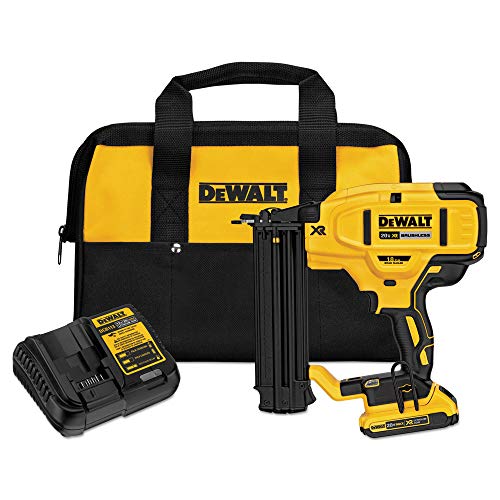
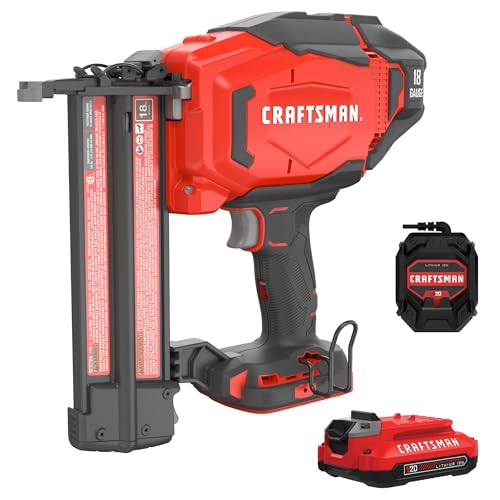
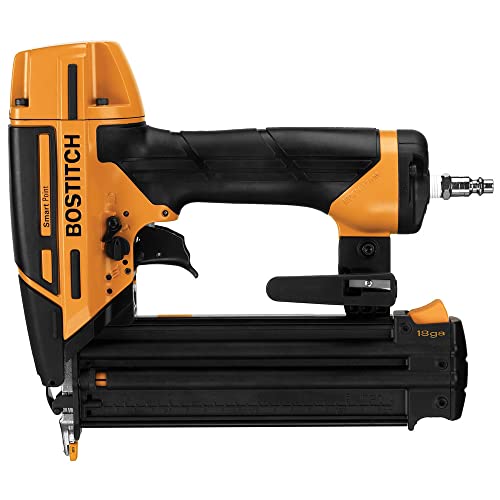
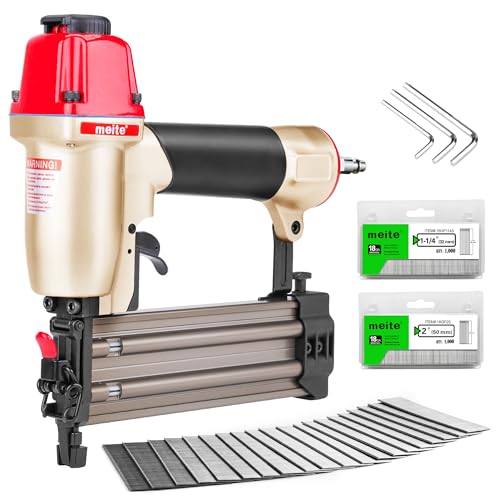
Brad nailers come in two main types. Cordless nailers run on rechargeable batteries, like DeWalt's 20V MAX DCN680, CRAFTSMAN's V20, Ryobi's ONE+ AirStrike, Milwaukee's M18 FUEL, Bosch's 18V and WEN's 20V Max. Pneumatic nailers run on compressed air from an air compressor and hose, like Bostitch's BTFP12233, Metabo HPT's NT50A5 and meite's F50C.
A few terms are worth knowing. Depth adjustment sets how deep the nail goes. Sequential mode fires one nail per trigger pull after you press the nose against the wood, while contact or bump mode fires each time the nose touches the surface with the trigger held.
How to Choose the Best Brad Nailers: Key Specs in Plain English
Six factors decide which brad nailer suits you: power source, build, safety features, ease of use, extras and brand support.
Power Source and Platform Compatibility
Choose the power source that fits your workshop. Cordless nailers are the most convenient for homeowners: no compressor, no hose and no noise from an air tank.
They cost more up front, and you will want a battery from a platform you already own, such as DeWalt 20V MAX, Ryobi ONE+, CRAFTSMAN V20 or Milwaukee M18. Pneumatic nailers cost much less, around $44 to $122, are lighter in hand and fire very consistently, but they need an air compressor rated for the tool and a hose. If you already own a compressor, pneumatic is excellent value.
Build Quality and Durability
Durability depends on the motor, magazine and nose. DeWalt's DCN680 uses a brushless motor for runtime and durability, and Milwaukee's M18 FUEL Gen II is also brushless.
Metabo HPT's NT50A5 uses a high grade aluminum magazine and weighs just 2.9 pounds. Bostitch's Smart Point uses a smaller nose. Metal magazines and solid noses resist wear better than cheaper plastic parts.
Safety Features
Look for a selectable trigger so you can use sequential mode; DeWalt, Bostitch and Metabo HPT all offer tool free trigger selection. A safety lock, like meite's safety switch lock, helps prevent accidental firing. Tool free jam release, found on DeWalt, CRAFTSMAN, Ryobi, Bostitch and meite models, makes clearing jams safer. LED lights, like DeWalt's multi function LEDs and WEN's smart LED indicator, help you see the work and track battery and magazine status.
Ease of Installation and Use
Tool free depth adjustment, found on DeWalt, CRAFTSMAN, Ryobi, Bostitch's Dial-A-Depth and Metabo HPT models, lets you set nails flush or slightly below the surface quickly. Narrow or micro noses, like DeWalt's and Metabo HPT's, improve line of sight for accurate nail placement. Balanced weight matters for overhead crown molding; CRAFTSMAN lists an optimal center of gravity and a contoured over molded handle. Oil free pneumatic designs, like Bostitch's, reduce the risk of oil stains on trim.
Features and Extras
Kits add value for beginners. DeWalt's DCN680D1 and CRAFTSMAN's V20 kit include a battery and charger.
WEN's 20V kit includes a 2.0Ah battery, charger and 400 brads, with a 100 nail magazine for brads from 3/4 to 2 inches. meite's F50C kit includes 2,000 brads. Metabo HPT includes a tool bag, safety glasses and a no mar tip, and Ryobi includes 2 non marring pads. Belt hooks, like Bostitch's with an integrated pencil sharpener, are handy on ladders.
Warranty and Brand Support
Metabo HPT lists a 5 year warranty on its NT50A5. DeWalt, Milwaukee, CRAFTSMAN, Ryobi, Bosch and Bostitch have wide service networks and widely available parts. Budget brands like WEN and meite offer low prices with shorter support, so keep receipts and register products where possible.
Price vs Value
Pneumatic brad nailers cost around $44 to $122, including meite's F50C around $44, Metabo HPT's NT50A5 around $89 and Bostitch's BTFP12233 kit around $122. SENCO's pneumatic brad nailer with a compressor and hose combo costs around $325. Budget cordless nailers start around $94 with WEN's 20V kit. Brand name cordless kits cost around $195 to $365, including Ryobi's ONE+ AirStrike kit around $195, CRAFTSMAN's V20 kit around $259, Bosch's 18V brushless model around $256, DeWalt's DCN680D1 kit around $365 and Milwaukee's M18 FUEL Gen II tool around $306.
Nail Size and Magazine Capacity
Check the brad length range before buying. Bostitch's BTFP12233 drives brads from 5/8 inch to 2 1/8 inches, Metabo HPT's NT50A5 and meite's F50C accept 5/8 inch to 2 inch brads and WEN's 20V model drives 3/4 inch to 2 inch brads.
A 2 inch maximum covers most trim, baseboard and furniture work. Magazine capacity matters on long runs of trim; WEN lists a 100 nail magazine, and most brad nailers hold around 100 brads. A low nail indicator or window, like WEN's magazine fill indicator, helps you avoid dry firing, which can mark the wood and wear the driver.
Rookie Mistakes to Avoid
- Using brads for structural work. Brads hold trim, not framing. Use framing or finish nailers for heavy work.
- Skipping depth adjustment. Nails that stand proud or sink too deep ruin trim. Set depth on scrap wood first.
- Using contact mode too early. Bump firing is fast but less controlled. Start in sequential mode.
- Buying the wrong nail length. Choose brads roughly 2 1/2 to 3 times the thickness of the material you are fastening.
- Ignoring compressor requirements. Pneumatic nailers need the right PSI and an inline oiler or oil free design.
Getting Started: Setup and First Use
Read the manual first, then charge the battery or connect the air hose and set your compressor to the recommended pressure. Load brads of the right length into the magazine with the points facing the work surface. Set the trigger to sequential mode and adjust depth on a scrap of the same material you will nail.
Hold the nose flat against the wood, press firmly and pull the trigger. Check that the nail sits just below the surface, then adjust depth as needed. Keep your free hand well away from the nose and the nail path, since brads can deflect off knots. When you finish, remove the battery or disconnect the air hose, empty the magazine and store the tool in its case.
Choosing for Your Situation
DIYers who already own a battery platform should buy the brad nailer that matches it; Ryobi ONE+, DeWalt 20V MAX, CRAFTSMAN V20 and Milwaukee M18 owners can often buy a tool only version and save. Budget minded beginners without batteries can start with WEN's kit, which includes everything. Woodworkers and trim carpenters with a compressor will love the light weight and consistency of Metabo HPT's NT50A5 or Bostitch's BTFP12233. Occasional crafters can try meite's affordable pneumatic kit with a small pancake compressor.
Brad Nailers: Your Questions Answered
How long does a brad nailer last?
A quality brad nailer can last many years of DIY use and several years of professional use. Brushless cordless tools and well maintained pneumatic tools last longest. Keeping the magazine clean, using quality nails and oiling pneumatic tools as directed prevents jams and wear.
What specs matter most?
Power source, depth adjustment, nail length range and trigger options matter most. Choose cordless or pneumatic based on whether you own a compressor, make sure the tool fires the nail lengths you need, look for tool free depth control and pick a selectable trigger for safety.
Will it fit my existing batteries or compressor?
Cordless nailers only work with batteries from the same brand platform. DeWalt 20V MAX tools need DeWalt 20V MAX batteries, Ryobi ONE+ tools need ONE+ batteries and so on. Pneumatic nailers work with most compressors that deliver the required PSI through a standard 1/4 inch fitting.
Do I need professional installation or training?
No, brad nailers are beginner friendly with basic safety habits. Practice on scrap wood, wear safety glasses, start in sequential mode and keep hands clear of the nose. Take your time on your first trim project.
What is the difference between a brad nailer and a finish nailer?
Brad nailers use thinner 18 gauge nails for light trim, while finish nailers use thicker 15 or 16 gauge nails for baseboards, door frames and heavier trim. Brads leave smaller holes but hold less. Many DIYers start with a brad nailer and add a finish nailer later.
Can I use a brad nailer on hardwood?
Yes, but adjust depth and pressure carefully. Hardwoods like oak and maple resist brads more than pine or MDF, so increase depth or air pressure slightly and use slightly shorter brads to reduce bending. Very dense hardwoods may need a pilot hole or a 16 gauge finish nailer for long pieces.
Final Thoughts
When choosing a brad nailer, focus on three things: a power source that fits your tools, precise depth and trigger control and a nail range that covers your projects. DeWalt's DCN680 and Milwaukee's M18 FUEL are excellent cordless picks, CRAFTSMAN, Ryobi and Bosch suit their battery platforms, WEN suits budget beginners and Metabo HPT and Bostitch suit compressor owners. The best brad nailers make trim and woodworking projects faster, cleaner and more satisfying.
For more tool guides, see the best nail guns, the best nail gun for diy, the best air compressor for home garage and the best miter saws. Then compare current prices in the product table above.


