Best Torque Wrenches (2026 Buying Guide)
Disclosure: We may earn a commission when you buy through links on this page, at no extra cost to you. As an Amazon Associate I earn from qualifying purchases. Learn more
A torque wrench solves a problem regular wrenches can't: knowing exactly how much force you're applying to a fastener. Over-tightening can strip threads, crack components, or damage sensitive parts, while under-tightening risks fasteners loosening over time, sometimes with serious safety consequences on things like lug nuts or engine components. Getting torque right isn't optional for many jobs; it's specified by the manufacturer for a reason.
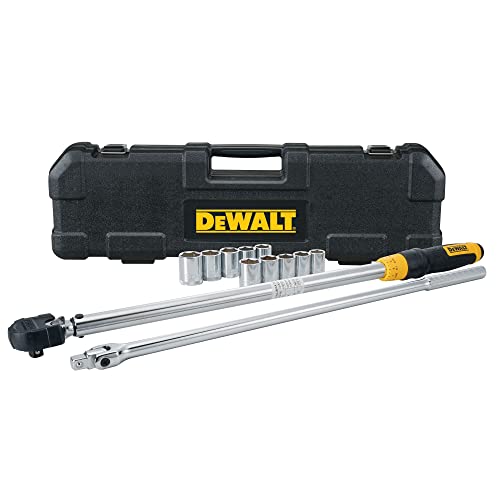
Picking the right torque wrench comes down to matching drive size and torque range to your actual work, plus understanding the real differences between mechanism types. This guide covers what matters, plus a few standout picks worth a closer look.
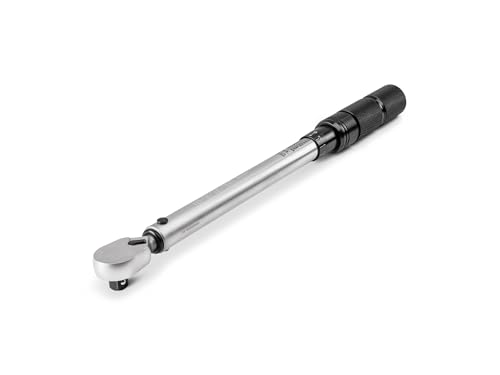
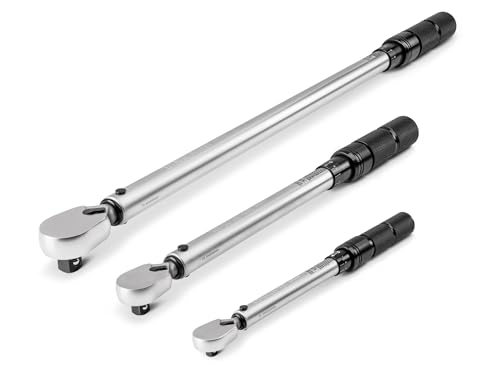
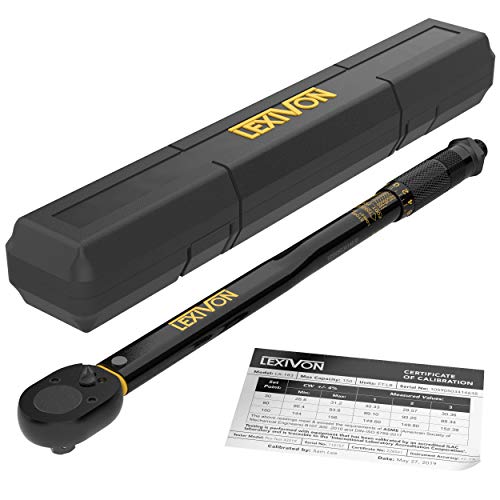
Click vs. Digital vs. Beam-Style Mechanisms
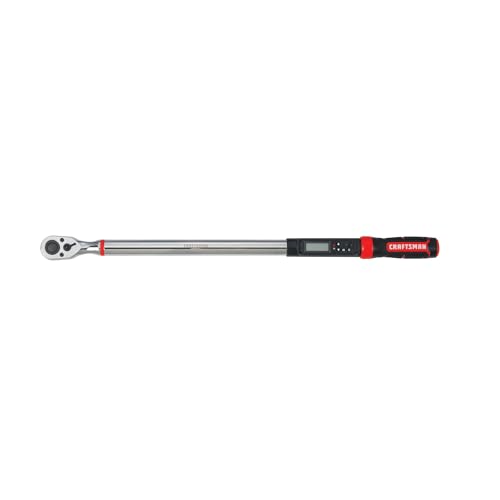
Click-type wrenches are the most common design, giving an audible and tactile click when the set torque is reached, generally reliable and moderately priced. Digital torque wrenches display the exact reading on a screen and often add audible or vibration alerts, offering more precision and easier verification, at a higher price point. Beam-style (including split-beam designs) use a simple mechanical indicator and needle, typically the most affordable option, though generally less precise than click or digital designs for repeated professional use.

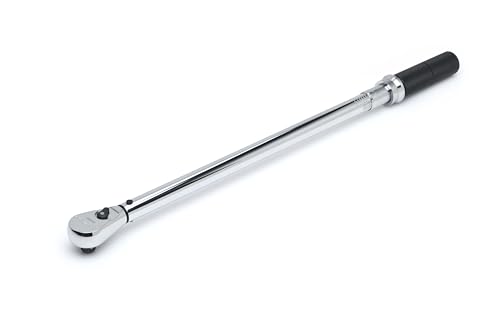
The GEARWRENCH Micrometer Torque Wrench uses the classic click-type micrometer adjustment design that's remained popular for decades because it's genuinely reliable. GEARWRENCH has a long-standing reputation specifically in hand tools, which tends to show up in more consistent build quality across their lineup than newer, less established brands.
Drive Size and Torque Range
Drive size (1/4", 3/8", 1/2" being most common) and torque range need to match your actual work. 1/4" drive wrenches typically cover lower torque ranges suited to small fasteners and delicate work; 3/8" covers a middle range common for many automotive tasks; 1/2" drive handles higher torque jobs like lug nuts and larger engine bolts. Using a wrench outside its rated range risks both inaccurate readings and potential damage to the tool itself.
Accuracy Rating
Quality torque wrenches specify an accuracy percentage, commonly ±3-4%, indicating how close the actual applied torque is to the set target. Tighter accuracy matters more for critical applications like engine assembly or aerospace-adjacent work; a slightly looser tolerance is generally fine for general automotive maintenance like lug nuts.

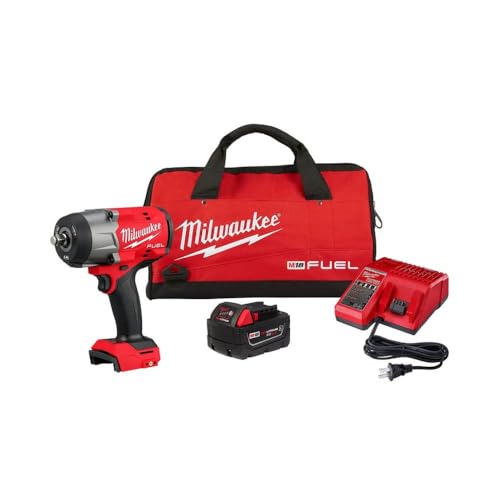
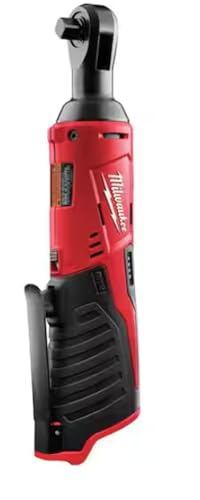
The Milwaukee M12 Cordless Ratchet takes a different approach entirely, powering the fastening process itself rather than being a manual torque-setting tool. It's genuinely useful as a time-saver for repetitive fastening work, though it's a different category from a traditional calibrated torque wrench and shouldn't be confused with one for torque-critical final tightening.
Calibration and Long-Term Accuracy
Torque wrenches drift out of calibration over time and with heavy use, which is why professional shops recalibrate regularly. For home use, storing the wrench at its lowest setting when not in use (for click-type wrenches specifically) helps preserve the internal spring mechanism and delay calibration drift longer than leaving it set at a high torque value in storage.
Application-Specific Design
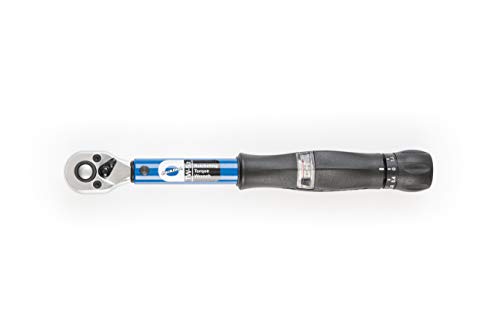
Some torque wrenches are built for specific niches, like bicycle maintenance (lower torque ranges, often with interchangeable bits) or HVAC work (specialized jaw designs for refrigerant fittings). If your primary use is a specific niche rather than general automotive or mechanical work, a purpose-built wrench for that application often performs better than a general-purpose model adapted to the task.

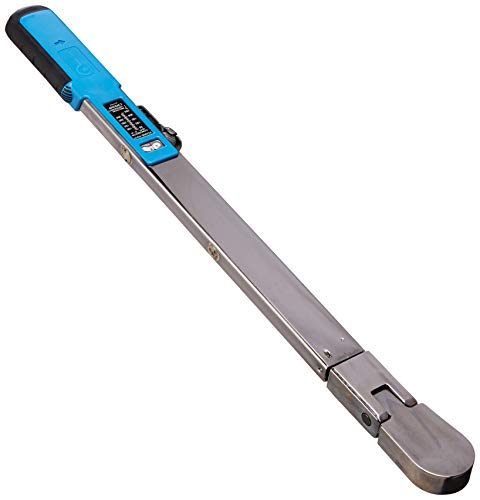
Precision Instruments has built its reputation specifically around professional-grade accuracy, and their split-beam design is aimed at buyers who need genuinely dependable readings for demanding or repeated professional use rather than occasional home maintenance.
Case and Storage
Most quality torque wrenches ship in a fitted case, which protects the mechanism during storage and transport and helps prevent accidental knocks that can throw off calibration. A wrench without proper storage protection is more likely to suffer accuracy drift from being tossed loose in a toolbox alongside other tools.
Reading Format and Display
Most wrenches display in both ft-lb and Nm (or offer switchable units), which matters if you regularly work with specifications given in either format. Digital models typically make unit switching simpler than mechanical designs, which usually require reading a secondary scale printed on the tool body.
Extension Bars and Adapters
Extension bars and adapters let you reach fasteners in tight spaces, but be aware that adding an extension changes the effective torque being applied at the fastener unless you recalculate for the extended length. Some digital torque wrenches include built-in extension-length compensation; with mechanical wrenches, this calculation needs to be done manually using the extension's length.
FAQs
How often should a torque wrench be recalibrated?
Professional and shop use commonly recommends annual calibration or after a set number of uses, per manufacturer guidance. For occasional home use, calibration drift happens more slowly, but periodic verification against a known reference is still good practice if precision matters for your work.
Can I use a torque wrench as a regular ratchet?
Technically yes, but it's not recommended for regular loosening or high-torque breaking of stuck fasteners, since this kind of use accelerates wear on the internal mechanism and can throw off calibration faster than normal torque-setting use.
What torque range do I actually need for car work?
This varies by vehicle and specific fastener, but many common automotive jobs (lug nuts, many engine bolts) fall in the 10-150 ft-lb range, covered by most standard 1/2" and 3/8" drive wrenches. Always check your vehicle's specific torque specifications rather than assuming a general range.
Do I need both metric and imperial torque wrenches?
The torque wrench itself measures force (ft-lb or Nm), independent of the fastener's thread standard, so one wrench works across both metric and imperial fasteners as long as you have the correct socket size for the fastener itself.
Conclusion
For most home mechanics, a 1/2" drive click-type torque wrench in the 10-150 ft-lb range covers common automotive maintenance well. Step up to a digital model if precise, easily verified readings matter to you, or a professional split-beam design if you need consistent accuracy for repeated demanding work rather than occasional home use.