
Best Hand Tool Sets: What to Look for Before You Buy
Disclosure: We may earn a commission when you buy through links on this page, at no extra cost to you. As an Amazon Associate I earn from qualifying purchases. Learn more

Every home eventually needs a hammer, a screwdriver, or a wrench at the exact moment none can be found. That's usually the moment people start shopping for the best hand tool sets, hoping one purchase will solve the problem for good. The trouble is that not every set is built the same way, and a flashy piece count on the box doesn't always mean the tools inside are worth using. In this guide, you'll learn what actually separates a useful hand tool set from a drawer full of clutter, how to match a set to the kind of work you actually do, and what a realistic budget looks like.
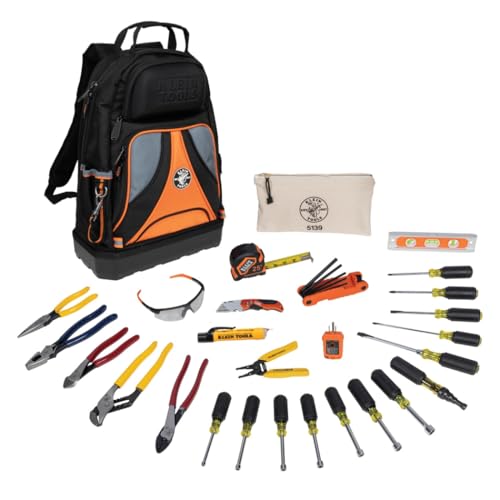
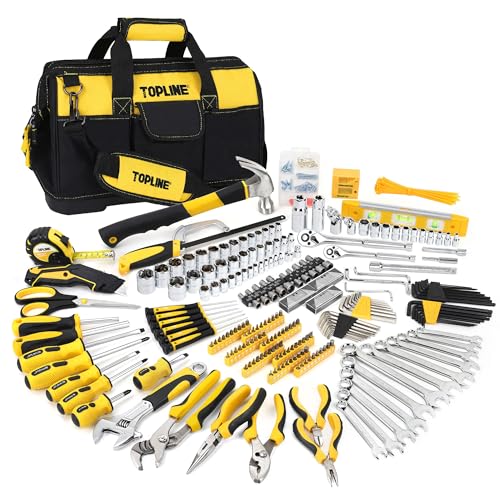
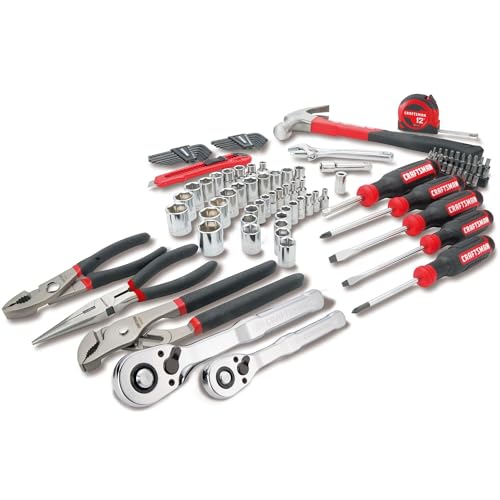
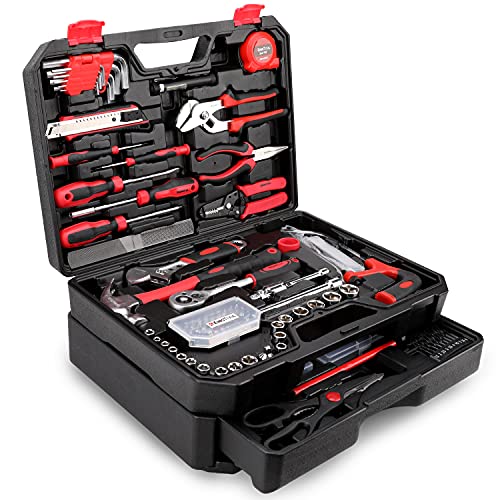
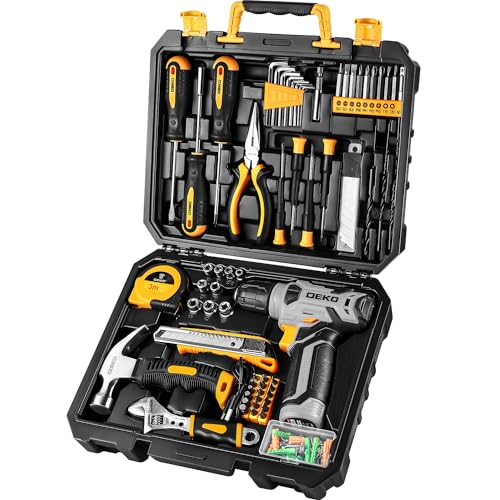

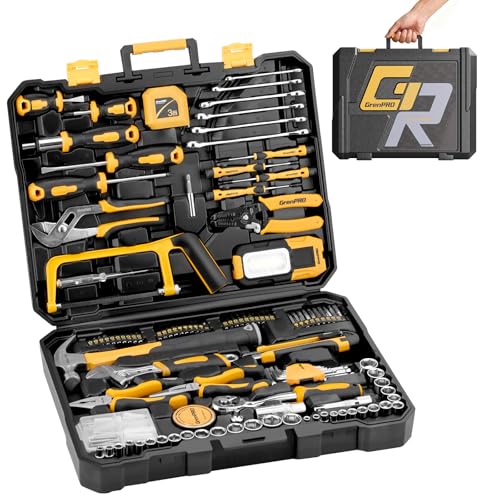
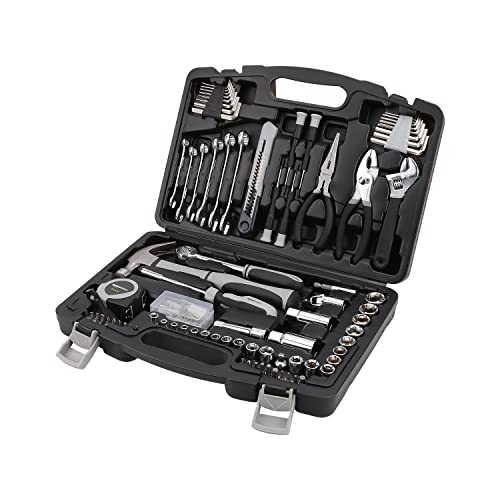
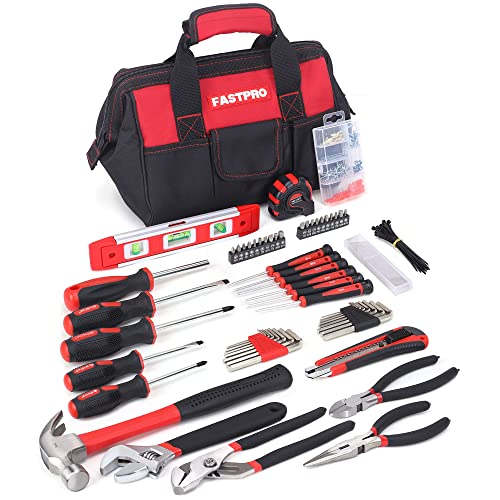
What to Check Before You Buy: Coverage, Material, and Build Quality
Coverage Matters More Than the Piece Count
A set advertised at 300 pieces can sound impressive, but many of those "pieces" are cheap screwdriver bits or adapters added to pad the number. What actually matters is whether the set covers the sizes you'll use most, both SAE and metric, without leaving gaps in the middle of the range. Before buying, check the actual size range listed in the description rather than trusting the headline number on the box. This is also part of why rankings of the best hand tool sets vary so much from one site to the next: reviewers weigh coverage differently, and a set that scores well on paper can still be missing a size you'll need on your very first project.
Steel Quality and Construction
Cheap chrome plating can chip or peel after a few uses, and soft metal wrenches can round off bolt heads instead of turning them. Look for tools made from chrome vanadium steel or described as drop-forged, since these hold up under repeated torque without bending or snapping. This is the single biggest difference between a hand tool set that lasts for years and one that needs replacing within a season. Pay attention to the handles too, since molded rubber or textured grips make a real difference in comfort and control once you're a few minutes into a stubborn, rusted bolt in an awkward spot.
Ratchet and Drive Mechanism Quality
If a set includes a ratchet, test how smoothly it reverses and how much room it needs to swing in a tight space. A higher tooth count lets the ratchet turn a bolt with a shorter swing arc, which matters when you're working behind an appliance or under a sink. For jobs where fasteners need to be tightened to a specific spec, a dedicated set of torque wrenches is worth adding separately rather than relying on the small ratchet that ships in a basic kit.
Homeowner Kits vs. Mechanic's Sets: Which Type Fits Your Projects
General Household Kits
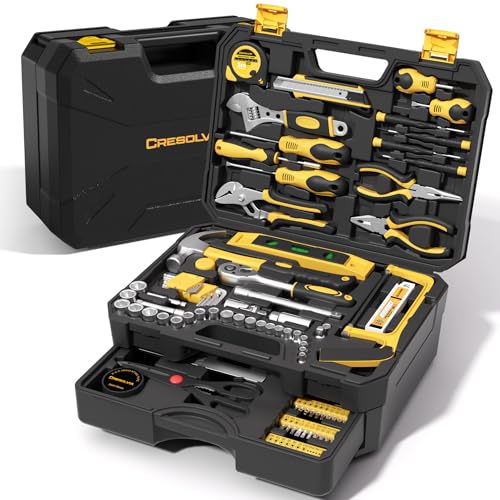
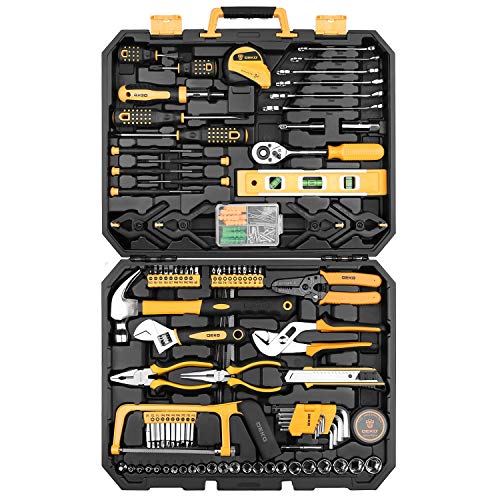
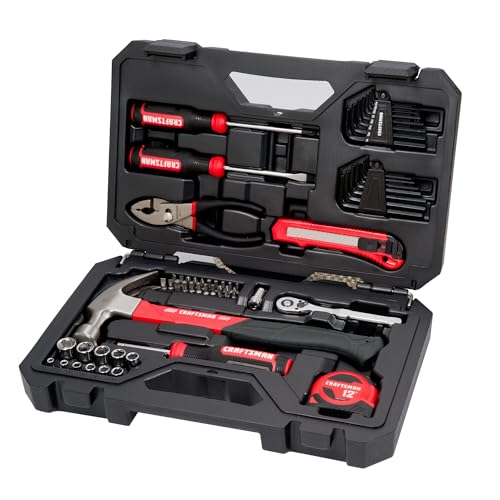
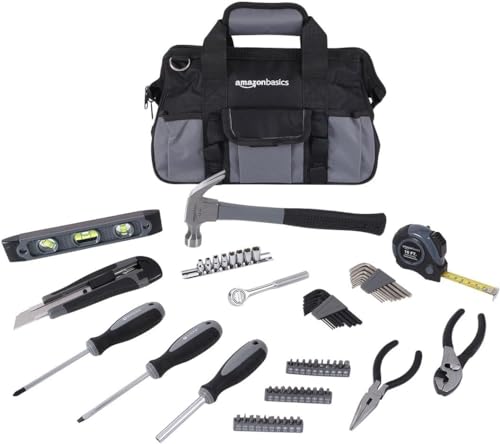
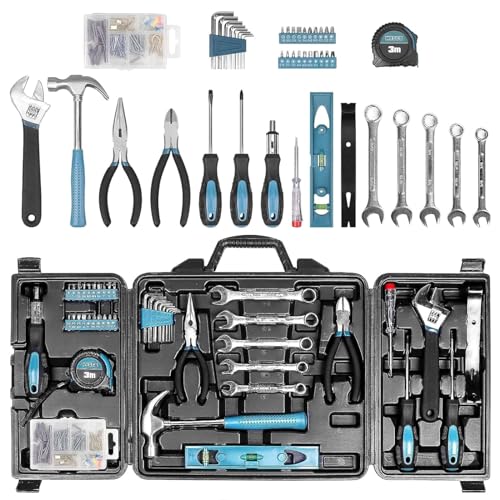
A general-purpose homeowner tool kit typically includes a hammer, a few sizes of screwdrivers, pliers, an adjustable wrench, and a tape measure. That's enough to hang shelves, assemble furniture, and handle minor repairs around the house, and it's usually the starting point when people compare the best hand tool sets for everyday household use. If the included hammer feels flimsy, it's worth comparing it against a dedicated carpenter hammer built for repeated framing and finish work rather than occasional use.
Mechanic's and Automotive Sets
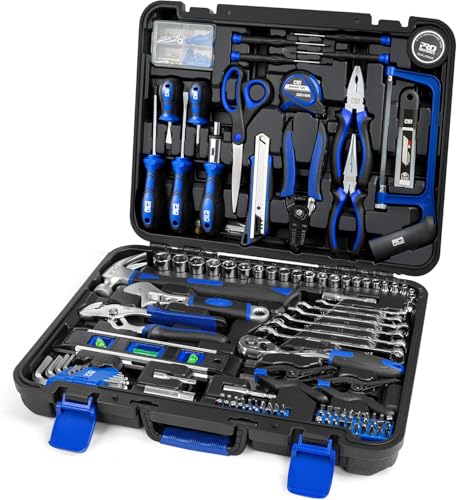
Sets marketed toward automotive work lean heavily on sockets, ratchets, and combination wrenches in tighter size increments, since engine and suspension bolts often fall between the common sizes a household kit covers. These sets often include multiple drive sizes, deep-well sockets for recessed bolts, and extension bars for reaching fasteners tucked behind other components. If you're setting up a garage for regular vehicle maintenance, a set like this pairs well with other garage equipment, such as a compact air compressor for a home garage, to round out the space.
Specialty and Add-On Sets
Beyond the core kit, specialty additions like precision bit sets, pliers designed for electrical work, or a set of cordless screwdrivers can fill gaps a base kit leaves behind. These are worth adding once you know which repairs come up most often in your own home, rather than buying everything up front. Think of the core hand tool set as the foundation and these add-ons as the pieces you bring in once a specific project calls for them.
What Your Budget Actually Buys You
Entry-Level Sets
Sets in the lower price range are usually fine for light, occasional use like hanging pictures or tightening loose furniture hardware. The tradeoff is thinner metal and simpler storage cases, so don't expect them to hold up to daily or heavy-duty use. At this tier, you're mostly paying for convenience, not durability, so treat these sets as a starting point rather than a long-term investment.
Mid-Range and Professional-Grade Sets
Stepping up in price typically buys better steel, tighter manufacturing tolerances, and sturdier storage cases with labeled slots for each tool. At the top end, sets aimed at frequent DIYers or light professional use add broader size coverage and noticeably smoother ratchets. Spending more only pays off if you'll actually use the set often enough to notice the difference in feel and durability, which is why many of the best hand tool sets for a given budget aren't necessarily the most expensive option available, just the one that matches how often the tools will actually get picked up.
Keeping a Tool Set Organized and Ready to Use
Storage and Case Considerations
A cracked plastic case or a bin with no organization is how tools go missing one at a time. Foam-lined trays or cases with a labeled slot for each tool make it obvious when something hasn't been put back, which keeps a set complete for years instead of months. If the case that came with a set feels flimsy, a separate wall-mounted rack or drawer organizer can extend the life of the tools even if the original box doesn't survive.
Preventing Rust and Wear
Moisture is the main enemy of a hand tool set, especially if it's stored in a garage or shed with temperature swings. Wiping tools dry before putting them away and keeping the case somewhere reasonably dry prevents the surface rust that eventually pits chrome plating and makes ratchets stick.
Frequently Asked Questions
How many pieces do I need in a hand tool set?
For basic household repairs, a set in the 20 to 100 piece range with good size coverage is usually enough, which is why many of the best hand tool sets for homeowners fall in that range instead of the 200-plus piece kits aimed at mechanics. Larger counts mainly matter for automotive or specialty work that needs a wider range of sizes and socket types.
What is the difference between SAE and metric tool sets?
SAE sizes are measured in inches and are common on older American-made items, while metric sizes are measured in millimeters and appear on most newer appliances, furniture, and vehicles. Many households end up needing both, so a combination set saves having to buy two separate kits later.
Are cheap tool sets worth buying?
Inexpensive sets can be a reasonable starting point for occasional, light use, but they often use softer metal that wears out faster under regular pressure. If you expect to use the tools often, spending a bit more upfront usually costs less than replacing a cheap set within a year or two.
What tools should every homeowner have?
At minimum, most homes benefit from a hammer, a set of Phillips and flathead screwdrivers, adjustable pliers, an adjustable wrench, and a tape measure. These cover the majority of small repairs and furniture assembly without needing a large, specialized set.
Is a bigger piece count always better?
Not necessarily. A large piece count that's padded with duplicate or rarely used bits can actually be less useful than a smaller set with better size coverage and higher-quality steel. Check what's included before assuming more pieces means more value.
Can a hand tool set handle car repairs?
A basic household kit can manage very light automotive tasks, like a battery terminal or a loose panel screw, but it typically lacks the socket range and torque capability that real vehicle maintenance requires. Dedicated automotive sets are built specifically to cover those tighter, more demanding sizes.
What's the difference between a homeowner set and a mechanic's set?
Homeowner sets prioritize a broad but shallow mix of general-purpose tools for everyday repairs, while mechanic's sets go deeper into sockets, ratchets, and wrenches across closely spaced sizes for automotive and mechanical work. Choosing between them mostly comes down to whether your projects involve vehicles and machinery or general household maintenance.
Making the Right Call for Your Toolbox
The right hand tool set comes down to matching coverage and build quality to how you'll actually use it, not chasing the highest piece count on the shelf. A modest set with solid steel and a well-organized case will outlast a bloated kit padded with filler pieces. Take stock of the repairs that come up most often in your home, and let that guide the size and type of set you bring home. Once you've got the core kit sorted, it's easy to add specialty tools later as new projects come up, rather than trying to anticipate every possible job on day one.