Best Hand Warmers: A Complete Buying Guide for Cold Weather
Disclosure: We may earn a commission when you buy through links on this page, at no extra cost to you. As an Amazon Associate I earn from qualifying purchases. Learn more
Your fingers start to ache before your toes even notice the cold, and pulling off a glove to use your phone makes it worse in seconds. Hand warmers solve that specific problem: quick, targeted heat you can slip into a pocket, a mitten, or a glove without changing what you're wearing. The tricky part is that "hand warmer" now covers three very different kinds of product, and picking the wrong one for your situation means you end up cold anyway. This guide walks through how each type actually works, how long the heat really lasts, which one fits your activity, and what to know about safety and travel before you buy.



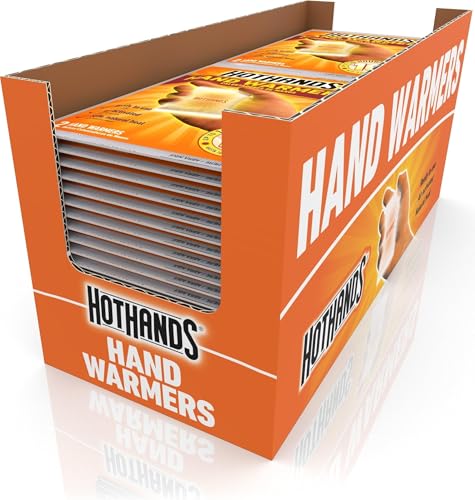
The Three Ways Hand Warmers Actually Produce Heat
Almost every hand warmer on the market falls into one of three categories, and the difference isn't cosmetic. Each one generates heat through a completely different process, which is why runtime, reusability, and upfront cost vary so much between them.
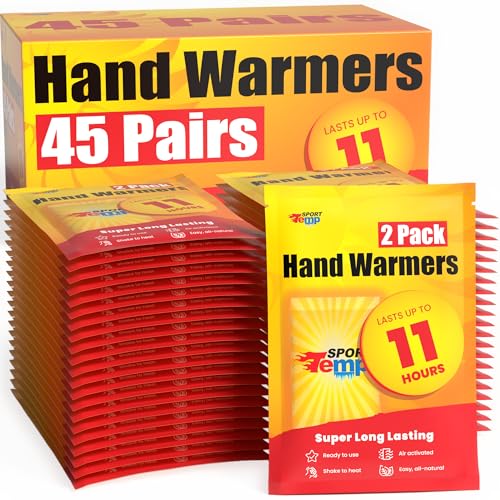
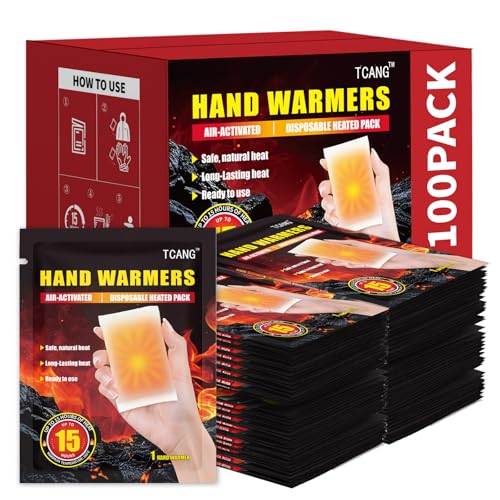
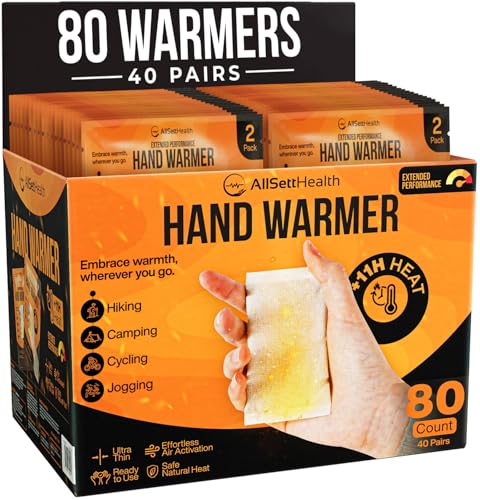
Air-Activated Disposable Warmers
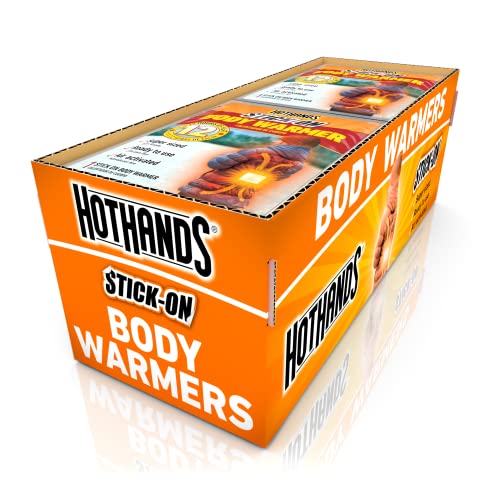
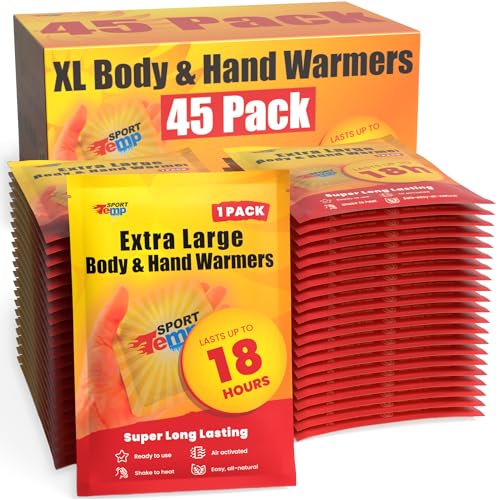
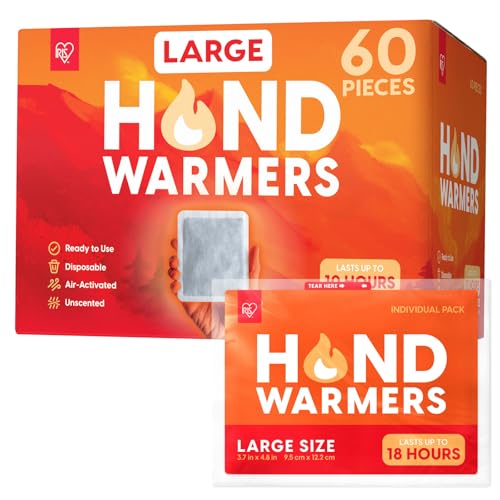
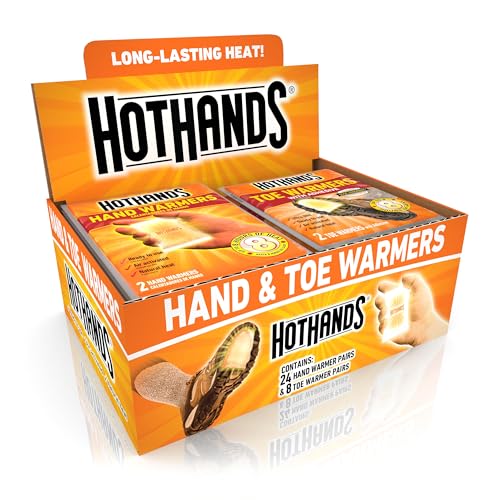
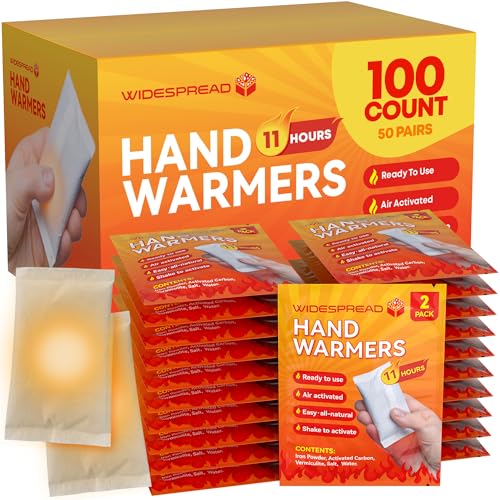
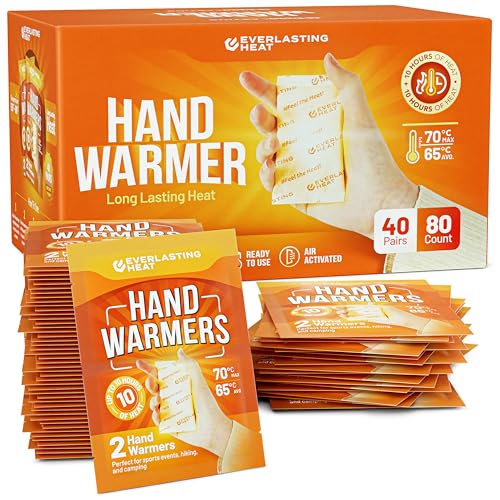
These are small pouches filled with iron powder, salt, and a bit of activated carbon. Tear the wrapper open, expose the contents to air, and an oxidation reaction starts producing steady heat. They're inexpensive per pack and need nothing else to work, no charger, no boiling water, just air. The tradeoff is that once a pouch cools down, it's done. You throw it out and open a new one next time, which adds up in cost and waste if you're out in the cold often.
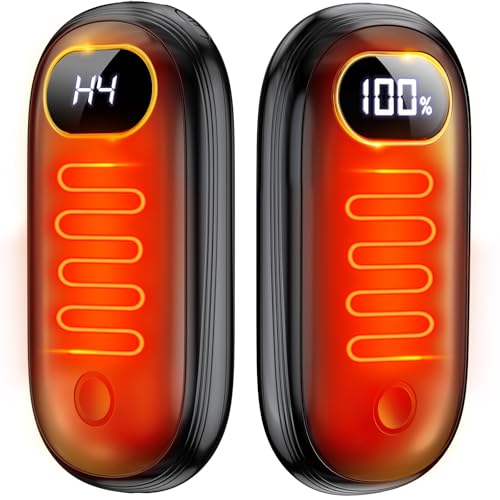
Rechargeable Electric Warmers
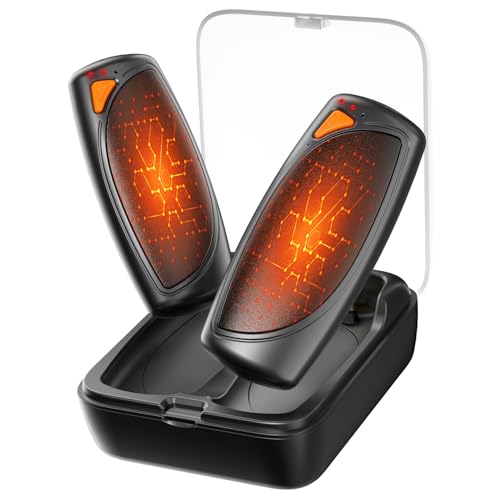
These use a small internal battery and a heating element, charged the same way you'd charge a phone. Most offer two or three heat settings, and higher-end models double as a backup battery pack for your phone. Battery capacity is measured in milliampere hours (mAh), and it's a genuinely useful spec to compare, since it roughly predicts how long a full charge will keep the unit warm. The catch is that battery performance drops in real cold weather, more on that below, so the runtime printed on the box tends to be optimistic.
Reusable Gel (Click) Warmers
Inside these flat pouches is a supersaturated sodium acetate solution, a liquid holding more dissolved salt than it normally could at room temperature. Bend the small metal disk inside, and it triggers the liquid to crystallize almost instantly, releasing stored heat as it solidifies. Once the pack has fully crystallized and cooled, you reset it by boiling it in water for several minutes, which dissolves the crystals back into liquid so it's ready to use again. They produce a shorter, more intense burst of heat than the other two types, and they're a low-waste option if you don't mind the boiling step between uses.
Cost works out differently across all three. Disposables are cheap upfront but add up over a season of regular use. Rechargeable and reusable gel warmers cost more to buy once but don't need repeat purchases, which usually pays off if you use hand warmers more than a handful of times each winter. Anyone working outside regularly, not just occasional weekend trips, often gets more mileage out of pairing a rechargeable warmer with a solid pair of work gloves rather than relying on disposables alone.
How Long a Hand Warmer Should Realistically Keep You Warm
Runtime is where advertised numbers and real-world use tend to disagree, and it's worth planning around the gap rather than the marketing claim. Air-activated disposable warmers commonly run 8 to 10 hours, with some longer-burning packs reaching closer to 12. Reusable gel warmers give a shorter, hotter burst, often closer to 30 minutes to an hour of strong heat before they need reheating.
Rechargeable units are the least predictable of the three. Manufacturers often list 6 or more hours on the lowest heat setting, but cold-weather testing has found batteries falling well short of that claim, one test saw a battery rated for roughly 6 hours last closer to 4 in freezing conditions. Battery chemistry simply doesn't perform as well in the cold, and running a higher heat setting drains it faster on top of that. If you're relying on a rechargeable warmer for a full day outside, treat the printed runtime as a best-case number and plan for meaningfully less.
Matching a Hand Warmer to What You're Actually Doing Outside
The right type often comes down less to preference and more to how long you'll be out and whether you'll have a way to recharge or restock along the way.
Short, Active Outings (Dog Walks, Commuting, Watching a Game)
For anything under a couple of hours, a small rechargeable warmer or a single disposable pouch is usually enough. You're not relying on all-day battery life, and the compact size matters more than raw runtime. This is also where a reusable click warmer shines, since a short, intense burst of heat fits a quick outing well, and you can reset it at home before the next use. If you're standing still for a while, like watching a game from the bleachers, pairing a hand warmer with a bit of extra warmth nearby, such as an outdoor patio heater, covers more than your hands alone can.
Long Days Outdoors (Hiking, Hunting, Skiing)
For a full day away from an outlet, air-activated disposables tend to be the more dependable choice, since their runtime doesn't depend on temperature-sensitive battery chemistry. Hunters sitting still for hours in particular tend to favor them for this reason, and it's also common to pack a way to stay in touch on a long trip, a reliable pair of walkie-talkies covers that without draining a phone battery. If you'd rather go rechargeable for a long trip, pack a second unit or a way to top off the battery, and lean toward a model with a larger mAh rating and a lower heat setting to stretch the charge. Some people in this situation skip pocket warmers altogether in favor of heated gloves, which solve a similar problem but require charging the gloves themselves rather than a separate device, worth considering if you'd rather not manage a loose accessory while your hands are busy.
Skin Safety: How Hot Hand Warmers Get and How to Avoid a Burn
Hand warmers are genuinely capable of causing a burn, and it happens more easily than most people expect. Chemical, air-activated warmers commonly reach 130 to 170 degrees Fahrenheit, and even a pouch sitting at a lower temperature, around 113 degrees Fahrenheit, can cause a low-temperature burn if it's pressed against the same patch of skin for 15 to 20 minutes straight. The danger is that temperatures in this range can damage tissue before your nerves fully register that anything's wrong, so you don't always feel it building.
A few habits reduce that risk significantly. Keep a thin layer of fabric, a glove liner or a pocket lining, between the warmer and bare skin rather than holding it directly. Move it between hands or take it off every 30 minutes or so instead of leaving it in one spot the whole time. This matters even more for kids and for anyone with reduced sensation in their hands, since they're less likely to notice discomfort before a burn starts.
Flying or Traveling With Hand Warmers
If your cold-weather trip involves a flight, the rules aren't the same across all three types. Disposable, air-activated warmers are treated as exempt from hazardous material restrictions, they don't produce flames or fumes, so they're allowed in both carry-on and checked luggage, and there's no rule against activating one mid-flight.
Rechargeable warmers fall under lithium battery rules, which means they need to travel in your carry-on rather than checked baggage, the same restriction that applies to phone power banks. As long as the battery stays under the standard watt-hour limit, they're allowed on board and can even be used in flight. Reusable gel warmers are generally fine too, since the sealed solution isn't a loose liquid, though any fuel-based or lighter-fluid warmer is a different story and gets treated much more strictly under liquid and flammability rules. If you're not sure which type you're packing, it's worth a quick check before you leave for the airport.
Frequently Asked Questions
What is the difference between disposable and rechargeable hand warmers?
Disposable warmers heat up through an air-activated chemical reaction and get thrown away once they cool. Rechargeable warmers use a battery and heating element you charge like a phone, so they can be reused indefinitely but need power access between uses.
How long do hand warmers last?
Air-activated disposables typically run 8 to 10 hours, occasionally longer. Rechargeable warmers are often rated around 6 hours per charge but tend to run shorter in real cold. Reusable gel warmers give a more intense burst that usually lasts 30 minutes to an hour before needing to be reheated.
How hot do hand warmers get?
Most chemical, air-activated warmers reach roughly 130 to 170 degrees Fahrenheit. Rechargeable models usually offer adjustable settings somewhere in the 100 to 135 degree range, letting you dial the heat down if it feels too intense.
Can hand warmers burn your skin?
Yes. Prolonged direct contact, especially over 15 to 20 minutes in one spot, can cause a low-temperature burn even at temperatures that don't feel dangerously hot. Using a thin fabric layer and repositioning the warmer periodically lowers that risk substantially.
How do reusable click hand warmers work, and can they be reused indefinitely?
They contain a supersaturated salt solution that crystallizes and releases heat when you bend a small metal trigger inside. You reset them by boiling the pack in water, which returns the solution to liquid form. They can be reused many times over, though most eventually wear out after repeated cycles.
Do rechargeable hand warmers work well in extreme cold?
Not as well as their advertised runtime suggests. Battery performance drops noticeably in freezing conditions, so a unit rated for several hours may run out sooner in practice. Choosing a higher mAh capacity and a lower heat setting helps stretch the charge.
Can you bring hand warmers on a plane?
Disposable, air-activated warmers are allowed in both carry-on and checked luggage. Rechargeable warmers need to stay in your carry-on due to lithium battery rules. Fuel-based or lighter-fluid warmers are restricted much more heavily and generally aren't a safe bet for flying.
What size hand warmer is best for a full day of hiking or hunting?
For a long day without access to an outlet, a larger air-activated disposable warmer tends to be the most dependable choice, since its runtime doesn't rely on battery chemistry that weakens in the cold. If you prefer rechargeable, bring a backup unit or a portable charger.
Making Your Decision
There isn't one correct type of hand warmer, only the type that matches how long you'll be outside and whether you can recharge along the way. For quick errands or watching a game from the sidelines, a rechargeable or reusable option covers you fine. For a full day away from an outlet, air-activated disposables remain the most reliable bet. Whichever you choose, a thin layer between the warmer and your skin and a break every half hour or so will keep the experience comfortable instead of uncomfortable in a different way.