Best Leather Work Gloves: How to Choose a Pair That Actually Lasts
Disclosure: We may earn a commission when you buy through links on this page, at no extra cost to you. As an Amazon Associate we earn from qualifying purchases. Learn more
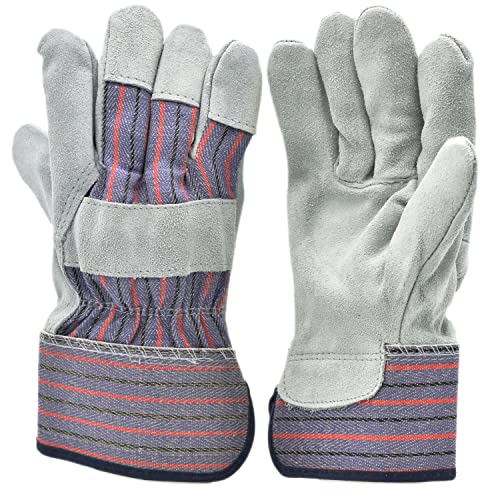
Your hands take the brunt of almost every outdoor or shop task, from hauling firewood to gripping a shovel handle for hours at a stretch. A flimsy pair of gloves tears at the seams within weeks, and by then you are back to shopping again. Finding the best leather work gloves comes down to understanding what the leather itself is made of, how it is constructed, and whether it actually fits your hand. In this guide, you will learn how different leathers perform, what construction details separate a glove that lasts years from one that falls apart in a season, and how to pick the right size and cuff for the work you actually do.
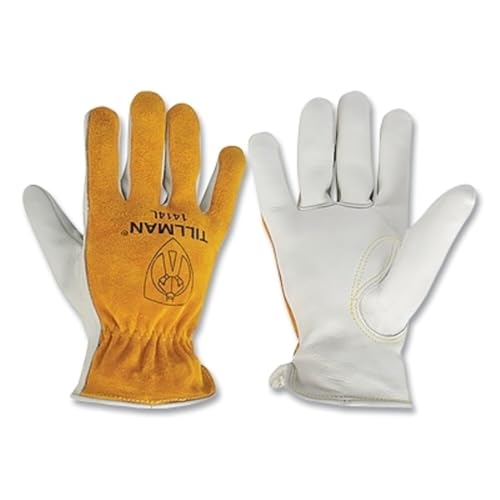

Leather Types That Actually Matter
Not all leather work gloves are cut from the same hide, and the type of leather used affects everything from flexibility to how long the gloves survive daily abuse. Most leather work gloves fall into one of a handful of categories, each suited to a different kind of job.
Cowhide: The All-Around Workhorse
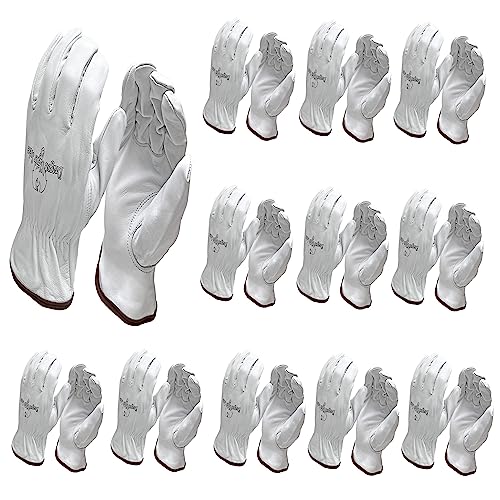
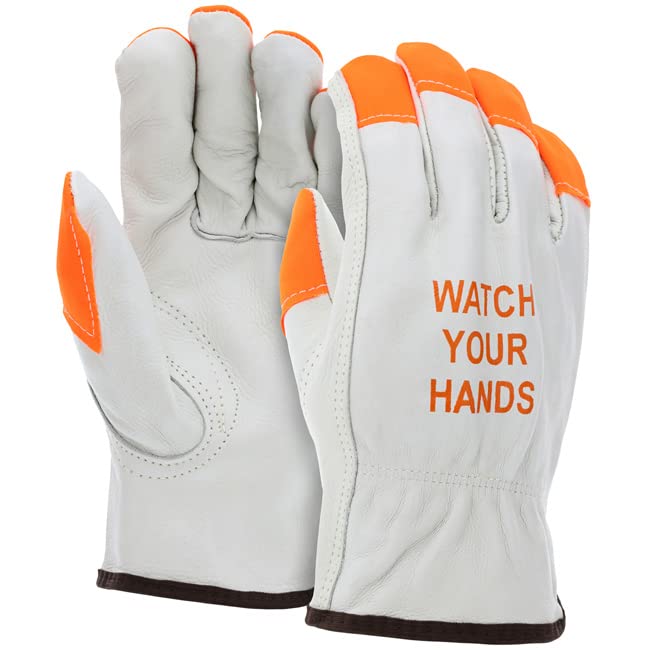
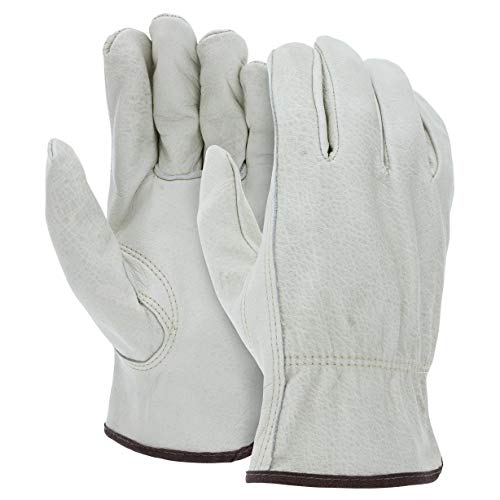
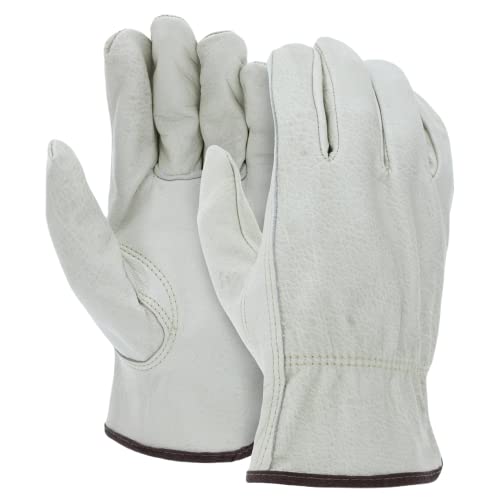
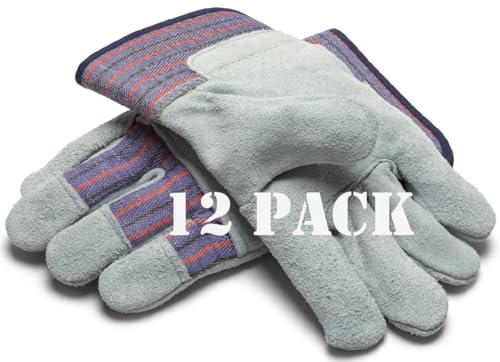
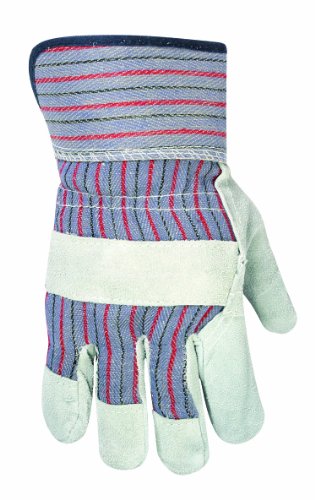
Cowhide is the most common material in cowhide work gloves, and for good reason. It strikes a balance between abrasion resistance, cost, and comfort that works for general yard work, moving, and light construction. It is thick enough to handle rough materials like lumber or wire, though it takes a little longer to soften up than some other options.
Goatskin and Pigskin: Softer, More Breathable
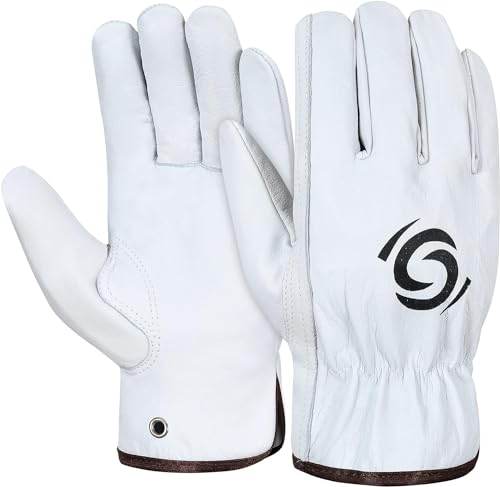
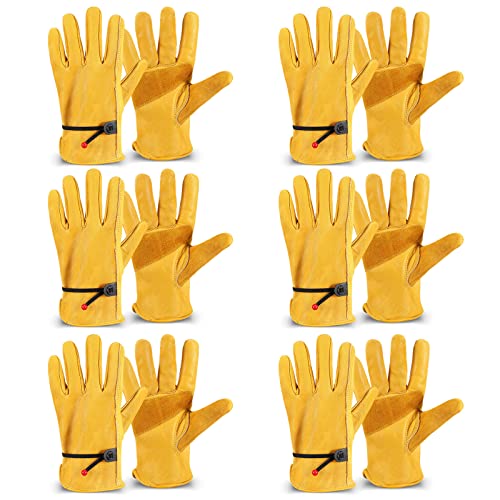
Goatskin work gloves contain natural lanolin, which keeps the leather supple and gives it a degree of water resistance right out of the box. Pigskin is prized for staying soft even after it gets wet, and its naturally porous texture lets air circulate, which matters if you sweat through gloves during long shifts. Both tend to feel less stiff early on than cowhide.
Deerskin and Buffalo Hide: Specialty Picks
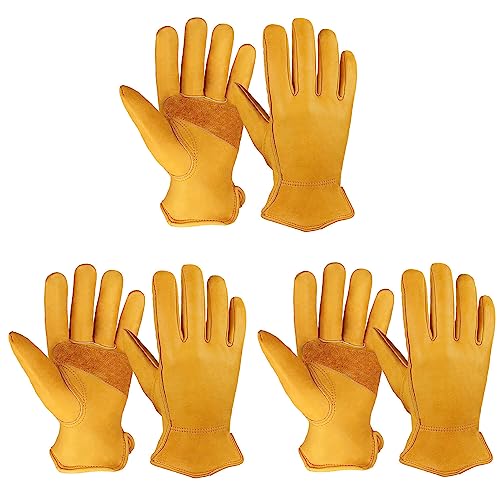
Deerskin is the softest option on this list and molds to your hand almost immediately, which makes it a favorite for detail work where feel matters more than raw toughness. Buffalo hide sits at the opposite end, tougher than cowhide and better suited to jobs involving sharp edges or heavy abrasion, like clearing brush or running a chainsaw. If you are shopping for gloves to pair with tools like mini chainsaws, buffalo hide or thick cowhide is worth prioritizing over softer leathers.
What Makes a Glove Actually Hold Up on the Job
Leather type is only part of the equation. Two gloves made from the same hide can perform very differently depending on how that leather was graded, cut, and stitched together.
Grain Quality Over Marketing Claims
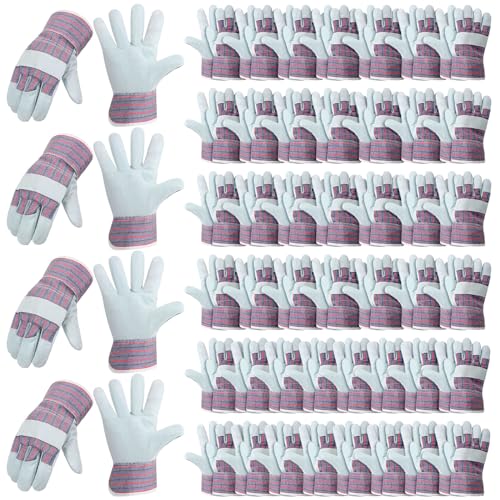
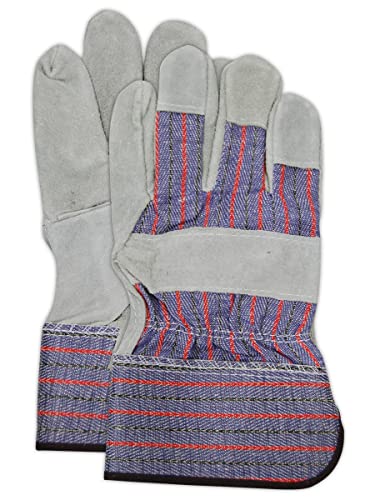
Top-grain and full-grain leather come from the outer layer of the hide and hold up far longer than split leather, which is the lower, weaker layer left over after the top grain is removed. Split leather is cheaper and shows up in budget gloves, but it wears through faster and does not resist punctures as well. Checking whether a listing specifies grain leather is a quick way to gauge durability before you buy.
Thickness and Where Reinforcement Matters
Thicker leather generally means more protection, but it also means less dexterity, so the right thickness depends on the task. For general use, moderate thickness with reinforced stitching at the palm and fingertips covers most needs. For heavier work like framing with a nail gun or handling rough lumber, heavy duty leather gloves with extra padding across the palm and knuckles make more sense, even if they feel bulkier at first.
Stitching and Seam Construction
Seams are usually the first thing to fail on a cheap glove, especially at the base of the fingers where the leather flexes constantly. Look for double or reinforced stitching along high-stress seams, and check that the palm is a single piece of leather where possible rather than several smaller patches sewn together, since fewer seams mean fewer failure points.
Finding the Right Fit and Cuff Style
A glove that is technically well made but does not fit your hand will still let you down. Poor fit is one of the most common complaints among people who buy work gloves online without measuring first, and it leads to hand fatigue and a weaker grip exactly when you need neither.
Measuring Your Hand Correctly
Wrap a tape measure around your palm, just below the knuckles and excluding the thumb, to get your palm circumference in inches. Compare that number against the sizing chart for the specific glove you are considering, since sizing can vary slightly between brands. If you are between sizes, sizing up usually preserves more dexterity than forcing your hand into a tight fit.
Choosing a Cuff for the Work You Do
A knit wrist cuff keeps debris out and works well for general tasks, while a longer gauntlet cuff protects your forearm during work like welding-adjacent tasks or handling brush and thorny plants. If your work involves a lot of bending and reaching, such as pairing gloves with pruning shears or other gardening hand tools, a shorter cuff with a secure wrist closure usually offers better mobility than a bulky gauntlet.
Break-In, Lining, and How Long They'll Actually Last
Even the best leather palm work gloves need a little patience before they perform at their best, and knowing what to expect helps you avoid returning a perfectly good pair too soon.
Why New Leather Gloves Feel Stiff
Most leather gloves feel noticeably stiff out of the box, and that is normal rather than a sign of a bad product. Flexing the gloves repeatedly and wearing them for short stretches lets the fibers loosen naturally. Avoid soaking them or applying direct heat to speed things up, since both approaches tend to damage the leather instead of softening it. Deerskin is the main exception, since it starts soft with little to no break-in needed.
Lined vs Unlined: What You're Trading Off
Unlined gloves offer the most dexterity and work well for moderate climates or tasks that do not involve cold. A fleece or thermal lining adds warmth for cold-weather jobs but reduces feel slightly, so it is worth matching the lining to the season and task rather than defaulting to whichever option looks warmer on paper.
Realistic Lifespan by Leather Type
Under regular heavy use, expect leather work gloves to last somewhere between one and two years, with well-conditioned cowhide and goatskin often reaching the longer end of that range. Gloves that are conditioned periodically and allowed to air dry naturally after getting wet can last considerably longer than pairs left to dry stiff near a heater or in direct sun.
Frequently Asked Questions
What is the best leather for work gloves?
There is no single best option, since it depends on the job. Cowhide suits general all-around use, goatskin and pigskin offer more flexibility and water resistance, and buffalo hide holds up best against heavy abrasion and sharp materials.
Is cowhide or goatskin better for work gloves?
Cowhide is thicker and more budget-friendly, making it a solid all-purpose choice. Goatskin is softer, more water-resistant thanks to natural lanolin, and often more comfortable for extended wear, but it can cost more.
How do I know what size leather work gloves to buy?
Measure your palm circumference in inches, excluding the thumb, and match that number to the specific brand's sizing chart. Sizing charts vary between manufacturers, so do not assume your usual size carries over.
Are leather work gloves supposed to be stiff at first?
Yes, most leather gloves feel stiff when new and soften with regular use. Flexing them by hand speeds up the process safely, while soaking or heating them can damage the leather.
How long do leather work gloves last?
With regular heavy use, most leather work gloves last one to two years. Proper care, including conditioning and air drying, can extend that closer to four or five years for quality gloves.
Do leather work gloves need a lining?
Only if you need extra warmth or are working in cold conditions. Unlined gloves offer better dexterity and breathability for moderate weather and detail-oriented tasks.
Can leather work gloves get wet without ruining them?
Brief exposure to moisture usually will not ruin quality leather, especially goatskin, which has natural water resistance. However, gloves should be allowed to air dry naturally afterward, since direct heat and repeated soaking break down the fibers over time.
Making Your Decision
The right pair of leather work gloves comes down to matching leather type, thickness, and cuff style to the work you actually do, not just picking whatever looks the toughest on a shelf. Take an honest look at your typical tasks, measure your hand properly, and prioritize grain quality and stitching over marketing claims. A well-chosen pair will earn its break-in period and keep protecting your hands for years.