Best Range Hood Under $500: A Complete Buying Guide
Disclosure: We may earn a commission when you buy through links on this page, at no extra cost to you. As an Amazon Associate I earn from qualifying purchases. Learn more
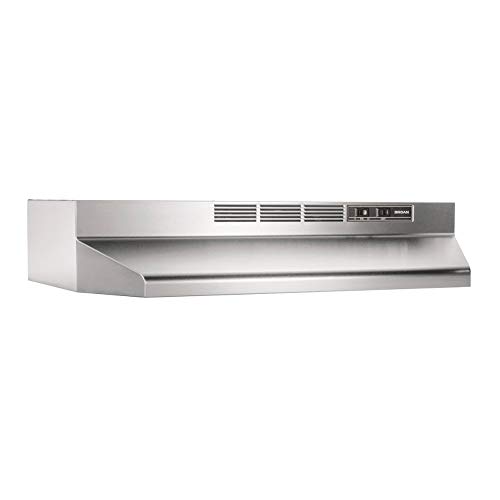
Shopping for a new hood usually starts with sticker shock. Entry-level models feel flimsy, and true premium units push past $1,000 before you even add ductwork. That leaves a real question: what can you actually get for a mid-range budget, and where does the money go once you cross the $400 mark?
The best range hood under 500 dollars sits right in that gap. It is the price point where you stop compromising on motor quality, filter type, and control options, but you have not yet paid for restaurant-style styling or oversized CFM you will never use. This guide walks through how to spend that budget wisely, from matching CFM to your cooktop to picking a mount style that actually fits your kitchen. By the end, you will know exactly what to check before you commit to a range hood under $500.

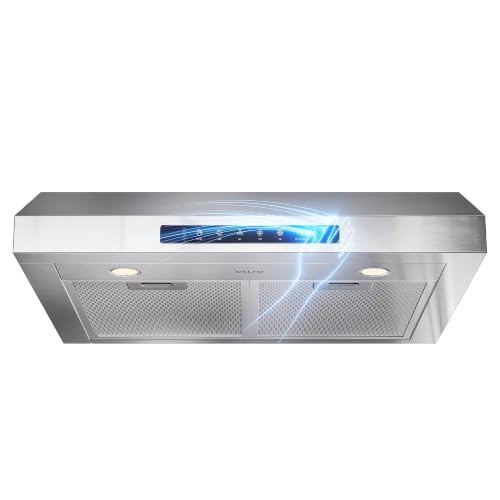
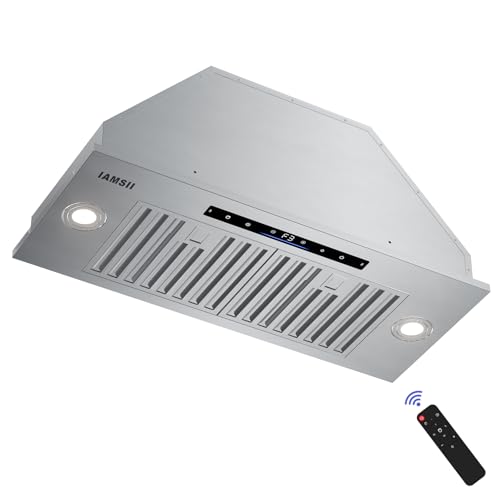
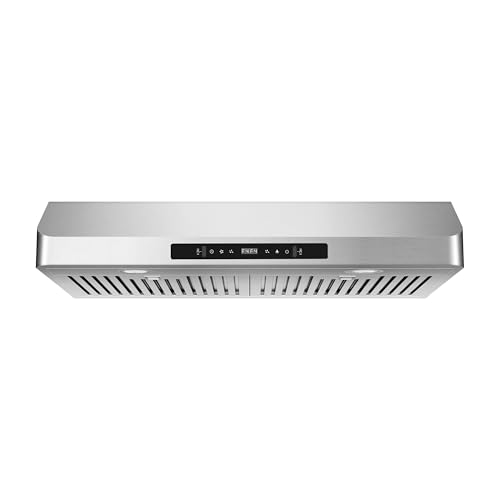
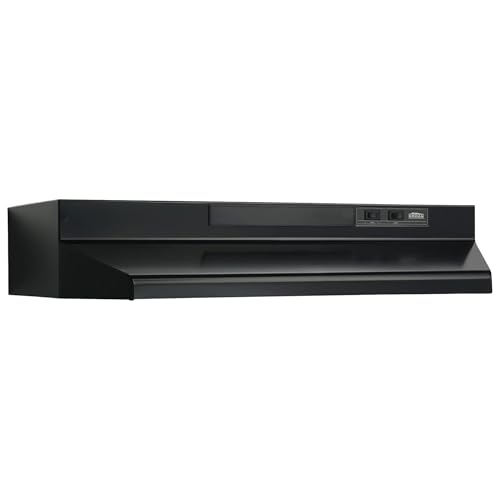
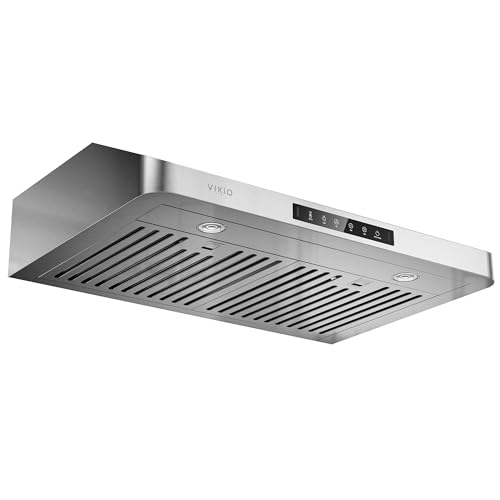

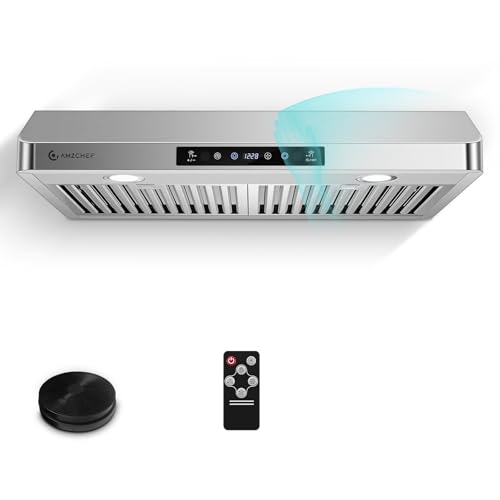
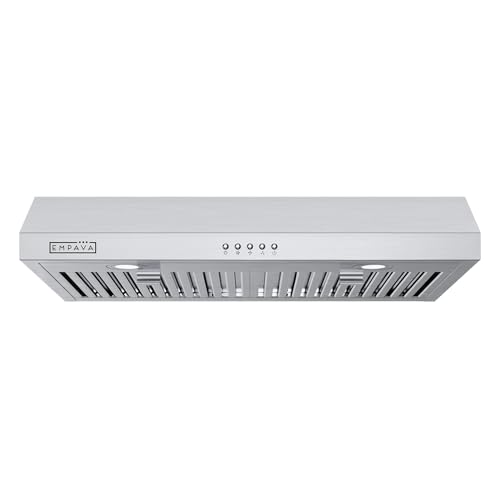


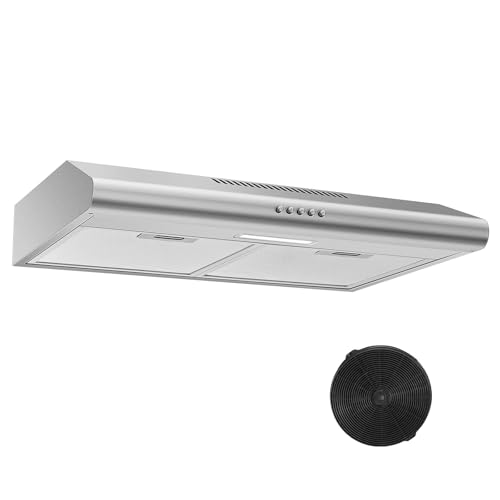

Finding the Sweet Spot: What $400 to $500 Buys in a Range Hood
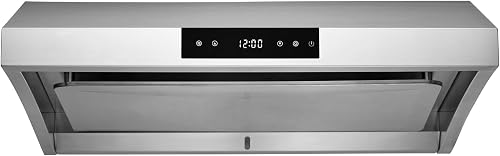
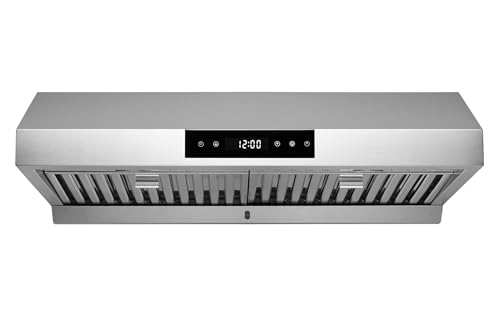
At the low end of the market, hoods tend to use thinner steel, basic aluminum mesh filters instead of stainless baffle filters, and single-speed or barely-there three-speed fans. Once you move into the $400 to $500 range, you typically pick up sturdier stainless construction, quieter multi-speed blowers, dishwasher-safe baffle filters, and LED lighting that actually illuminates the cooktop instead of just glowing.
What you generally do not get at this price is a commercial-grade blower rated well above 900 CFM, heat sensor auto-boost, or a fully custom insert designed to disappear into a custom hood shell. Those features tend to push the price toward four figures. If your kitchen has a standard 30 or 36 inch range and average cooking habits, a range hood under $500 covers everything a household actually uses day to day. If you regularly cook with high-BTU burners or want a statement piece built into custom cabinetry, it may be worth looking at options above this bracket instead, such as a higher-CFM range hood in a higher price tier.
CFM and Venting: The Numbers That Actually Matter
CFM, or cubic feet per minute, measures how much air the blower can move. It is the single most misunderstood spec on a range hood, and getting it wrong means either a hood that never clears smoke or one that is loud for no reason.
How Much CFM Your Kitchen Really Needs
A simple starting formula: multiply your cooktop width in inches by 10 for an electric range. A 30 inch electric cooktop needs roughly 300 CFM as a baseline. Gas cooktops run hotter, so the math shifts to about 100 CFM for every 10,000 BTUs of total burner output, which usually lands somewhere between 400 and 600 CFM for a typical home gas cooktop. Wall-mounted and under-cabinet hoods generally need around 100 CFM per linear foot of cooktop, while island hoods need closer to 150 CFM per linear foot because there are no walls to help contain the airflow. If your kitchen is on the small side, also account for total room volume rather than chasing the highest CFM number you can find, since oversized blowers in tight rooms create more noise than benefit.
Ducted, Ductless, or Convertible: Which Works With Your Setup
A ducted hood pushes air outside through ductwork, which is the most effective way to actually remove smoke, grease, and humidity from your kitchen rather than just recirculating it. A ductless hood pulls air through a charcoal or carbon filter and blows it back into the room, which works well in apartments or kitchens where running duct to an exterior wall is not realistic. Many models in this price bracket are convertible, meaning they ship ready for either setup depending on which filter and blower configuration you install. If you are unsure which route makes sense for your space, it is worth comparing the tradeoffs in more detail with a dedicated look at ductless range hood options before deciding.
Sizing and Mount Style for a Clean Fit
Matching Hood Width to Your Cooktop
Your range hood should be at least as wide as your cooktop, and ideally a few inches wider on each side. That extra width helps catch smoke and steam before it drifts toward your cabinets and walls, and it keeps the blower from working overtime to compensate for gaps. A hood that is narrower than the cooking surface below it will always underperform, no matter how high its CFM rating looks on paper.
Wall-Mount, Under-Cabinet, or Insert
Wall-mount hoods sit against the wall above the range and work well in kitchens without upper cabinets over the cooktop. Under-cabinet models tuck beneath an existing cabinet and are the most common retrofit choice, since they typically require the least structural change. Insert hoods hide inside a custom wood or tile hood shell for a built-in look, which is popular in renovated kitchens but usually needs more planning around dimensions. If your cabinet layout is already set, an under-cabinet range hood is usually the simplest option to size correctly, since you are working within a fixed opening rather than an open wall.
What Installation Really Costs (and How to Keep It in Budget)
The hood itself is only part of the spend. Professional installation for a straightforward under-cabinet swap often runs a few hundred dollars, while adding new ductwork through a wall or ceiling can add several hundred more, depending on how far the vent has to travel and how many elbows the duct run needs. Every elbow and extra foot of ducting adds resistance, so a hood rated at 400 CFM may perform closer to 350 once it is actually installed.
If you are working with a firm total budget, get a rough installation quote before you buy the hood itself, not after. Swapping a hood into an existing duct opening keeps costs down significantly compared to routing brand new ductwork. Comfortable DIYers with electrical experience can sometimes handle a direct swap themselves, but cutting new exterior vents is usually worth paying a professional to avoid leaks, poor airflow, or code issues.
Frequently Asked Questions
Is 400 CFM enough for a range hood?
For most electric cooktops and moderate gas cooktops up to around 40,000 BTUs, 400 CFM is enough. Heavy gas cooking or wide cooktops over 36 inches usually call for more.
What CFM is too loud for a kitchen?
Loudness depends more on sone rating than CFM alone. Look for hoods rated under 3 to 4 sones on normal speeds, since well-engineered blowers can move more air without a proportional jump in noise.
Do I need a ducted or ductless range hood?
Choose ducted whenever you have access to an exterior wall or roof for venting, since it removes air rather than filtering and recirculating it. Ductless makes sense when running ductwork is not physically or financially realistic.
Can a range hood be too big for the kitchen?
Yes. An oversized blower in a small room can create excess noise and draft without meaningfully improving air quality. Match CFM to your cooktop and room size rather than buying the highest number available.
How wide should a range hood be compared to the cooktop?
At minimum, match the cooktop width. A few inches of overhang on each side improves smoke capture and is worth the extra cost if it fits your budget.
Is it worth spending close to $500 instead of $300?
If your kitchen sees regular cooking, the jump usually buys quieter operation, sturdier filters, and a more reliable blower motor, all of which affect daily comfort more than a lower sticker price does.
Making Your Decision
A range hood under $500 gives you real room to prioritize what matters most for your kitchen, whether that is proper CFM for a gas cooktop, a quieter blower for an open floor plan, or a mount style that fits your existing cabinets. Start with the CFM math, confirm ducted versus ductless based on your home's layout, and get an installation estimate before you buy. Get those three details right, and the hood you choose will handle daily cooking without becoming the loudest thing in the room.