
Best Full Face Mountain Bike Helmets: Budget, Midrange, and Premium Picks for 2026
Disclosure: We may earn a commission when you buy through links on this page, at no extra cost to you. As an Amazon Associate I earn from qualifying purchases. Learn more

The best full face mountain bike helmets by budget from Demon United, Bell and Fox, plus sizing and safety tips.
A full face helmet adds a chin bar that protects your jaw and teeth when a crash sends you face first into rocks or roots, which is why downhill, bike park and enduro riders rarely ride without one. Prices run from around $110 for basic shells to $400 or more for light, highly ventilated models with advanced rotational protection. This guide to the best full face mountain bike helmets shows what each price tier gets you and where spending more is worth it.
We start with three short picks by budget, then cover price tiers, features worth paying for, ventilation, long term costs and common questions. Any bike helmet sold in the US must meet the CPSC bicycle helmet standard, and gravity riders should look for ASTM F1952 downhill certification. Replace a helmet after any significant crash, even if it looks fine, and make sure it fits snugly; a loose helmet cannot protect you properly.


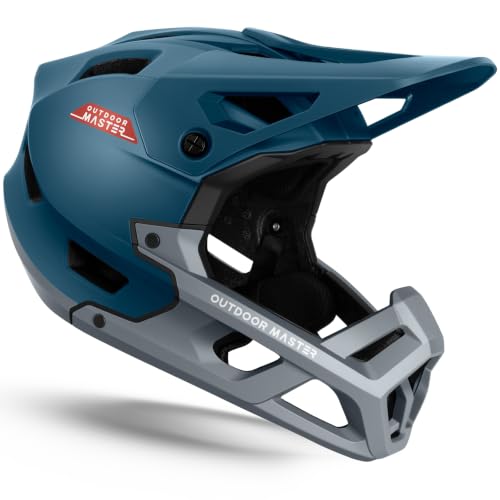

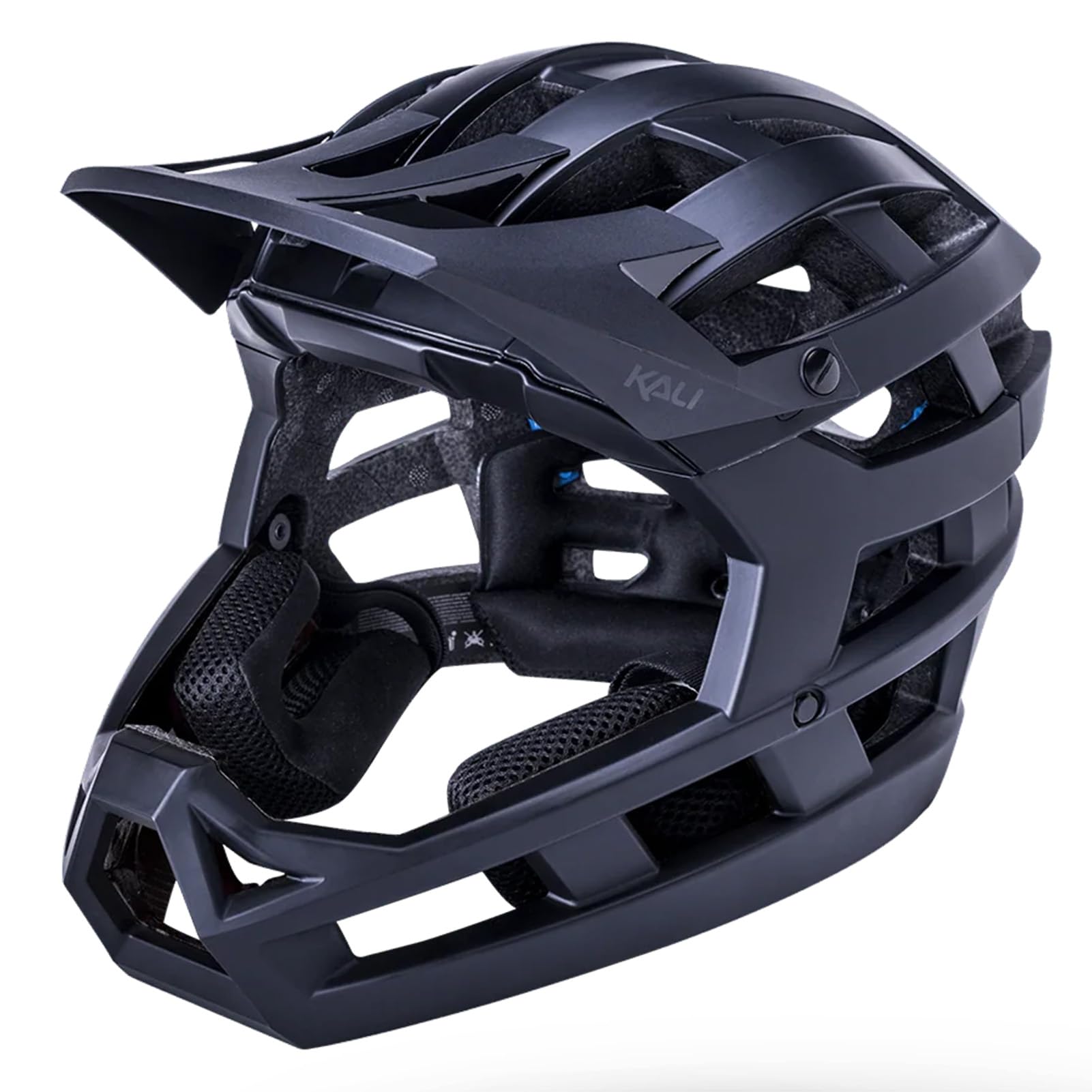

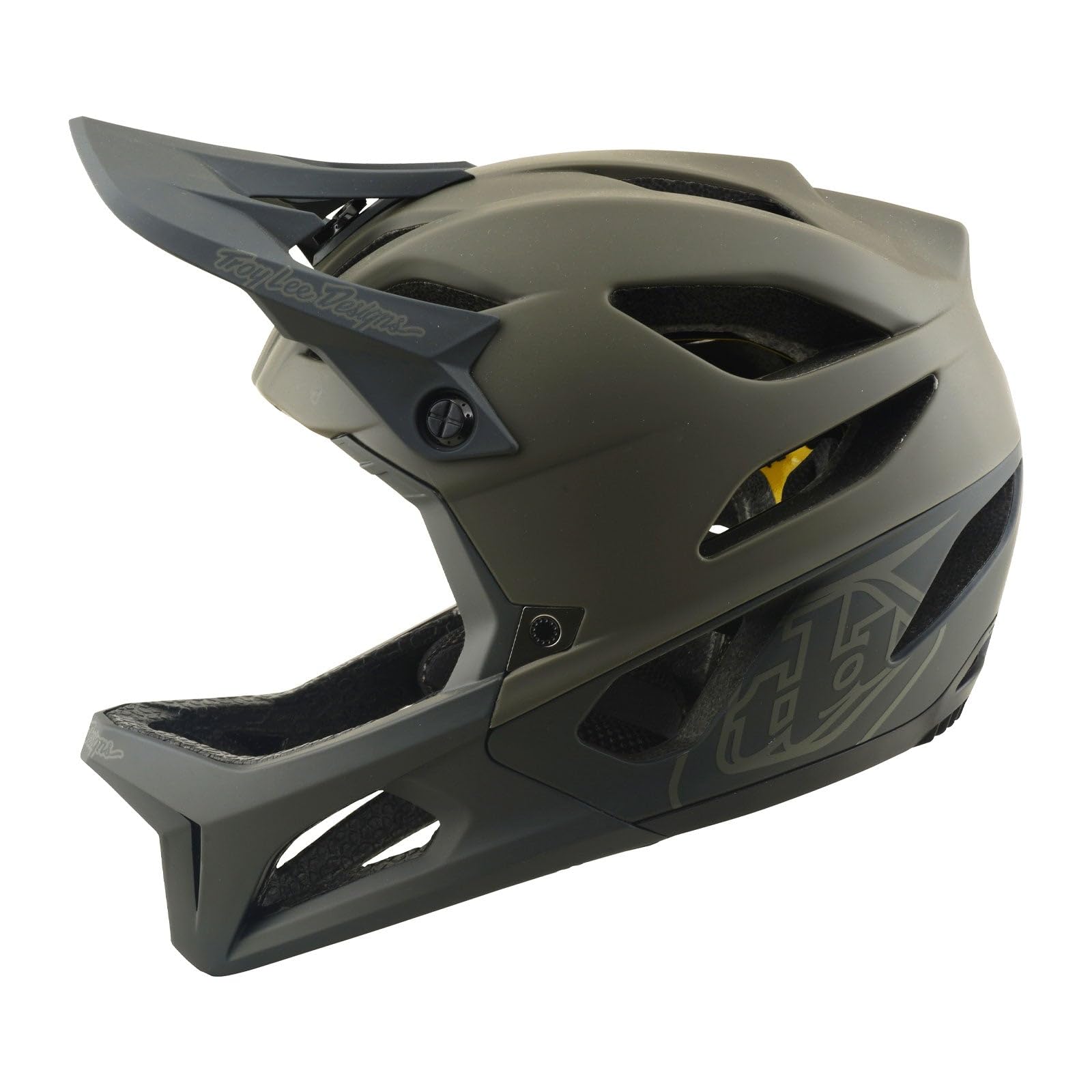

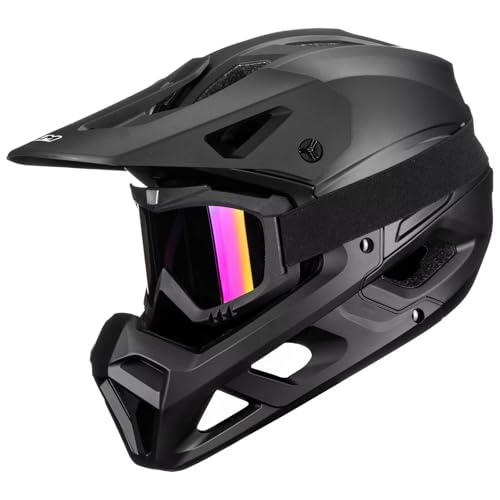
Top 3 Picks by Budget
Our picks are the Demon United Podium X MIPS as the budget pick, the Bell Super Air R MIPS as the midrange pick and the Fox Racing Proframe RS as the premium pick.
We compared certifications, rotational protection, weight, ventilation, fit system, padding, goggle compatibility, extras and price, along with the overall pattern in owner feedback. We did not crash these helmets ourselves; the notes reflect maker specifications.
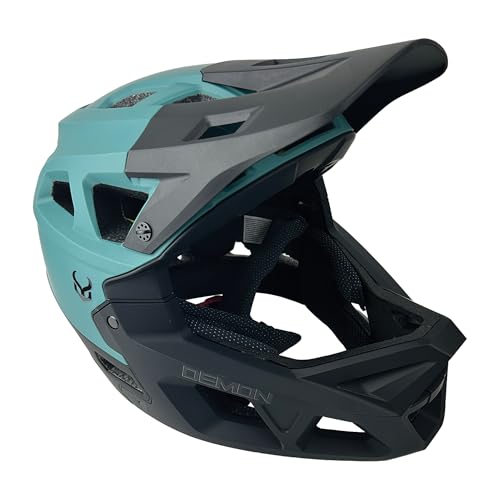
Best Budget Pick: Demon United Podium X MIPS
The Demon United Podium X suits riders getting into bike parks and downhill on a budget, at around $130. Demon United lists a MIPS low friction layer that allows 10 to 15 mm of movement in certain angled impacts, 20 plus vents, a weight of 710 grams, downhill rated certifications, liner and cheek pads in multiple thicknesses that are machine washable and a removable visor. Sizes run Small/Medium for 55 to 58 cm and Large/XLarge for 59 to 61 cm.
Two strengths stand out: MIPS and downhill certification at an entry price and a light 710 gram weight.
The limitation is a smaller size range, so riders under 55 cm need another helmet.
Best Midrange Pick: Bell Super Air R MIPS
The Bell Super Air R MIPS suits trail and enduro riders who want full face protection on descents and an open face option for long climbs, at around $230. Bell builds the Super Air R as a convertible helmet with a removable chin bar and MIPS rotational protection, so you can ride the climb with the chin bar strapped to your pack and clip it on for the descent. It carries a large owner review count.
Its strengths are versatility for all day enduro rides and MIPS protection.
The trade off is that convertible designs add some complexity, and a dedicated downhill helmet may suit pure bike park riders better.

Best Premium Pick: Fox Racing Proframe RS
The Fox Racing Proframe RS suits aggressive enduro and downhill riders who want light weight, cooling and the latest fit tech, at around $400. Fox lists the MIPS Integra Split system that combines an EPP liner with the EPS layer to reduce rotational forces, a BOA fit system, a Fidlock magnetic buckle, increased ventilation with reduced surface contact for cooling, Ionic+ liner and cheek pads that manage odor and wick sweat, a 3 position goggle compatible visor and an included removable under visor GoPro mount.
The appeal is pro level ventilation and fit that make a full face comfortable for pedaling.
The limitation is a premium price.

What Your Money Gets You at Each Price Tier
Full face helmets fall into three rough price tiers. Here is what each one offers.
Budget Tier: What to Expect
Around $110 to $150 buys certified full face helmets with basic features. OutdoorMaster's Grizzly, around $120, has 27 vents, an EPP collarbone impact system, chin bar shock pads, a removable washable liner, a goggle strap channel and a weight just under 750 grams, and OutdoorMaster's MIPS version costs around $150. ILM's HT58 costs around $110 with an adjustable size dial. Demon United adds MIPS at around $130.
The trade off is heavier weight and less ventilation than premium shells. Budget helmets suit beginners and occasional park riders.
Midrange Tier: The Sweet Spot for Most Buyers
Around $210 to $260 buys lighter, better ventilated helmets from established brands. Troy Lee Designs' D4 Polyacrylite costs around $210, the Bell Super Air R MIPS around $230, Kali Protectives' Invader 2.0 around $250 and Troy Lee Designs' Stage around $260. These helmets balance protection, weight and comfort for regular riders.
Premium Tier: When Spending More Pays Off
Around $350 to $400 buys the lightest, coolest and most feature packed helmets. Smith's Mainline costs around $350 and Fox's Proframe RS around $400. Spending more pays off for enduro racers and riders who pedal long climbs in a full face, since premium ventilation and weight savings make a big difference over a long day.
Features Worth Paying For (and Ones to Skip) in the Best Full Face Mountain Bike Helmets
Certifications, rotational protection, fit and ventilation are worth paying for. Graphics and extra mounts matter less.
Safety Certifications
Every bike helmet sold in the US must meet CPSC standards. Downhill riders should look for ASTM F1952, the downhill mountain bike helmet standard, which includes chin bar requirements; Demon United lists downhill rated certifications on the Podium X. Some helmets also carry European EN 1078 certification. Certifications are worth checking at every price.
Rotational Protection
MIPS and similar systems aim to reduce rotational forces in angled impacts. Demon United, OutdoorMaster's MIPS model, Bell's Super Air R and Fox's Proframe RS use MIPS. Fox's MIPS Integra Split combines EPP and EPS layers. Rotational protection is worth the modest extra cost.
Materials and Weight
Lighter helmets reduce neck fatigue on long rides. Demon United lists 710 grams and OutdoorMaster just under 750 grams. Premium enduro helmets like Fox's Proframe RS focus on low weight and ventilation. Composite and carbon shells, like the Troy Lee Designs D4 Composite, save weight but cost more.
Fit, Sizing, and Comfort
Fit is critical for protection. Measure around your head just above your eyebrows and ears.
Demon United's sizes cover 55 to 61 cm and OutdoorMaster's MIPS model 54 to 62 cm. BOA dials, like Fox's, and adjustable dials, like ILM's, fine tune fit. Swappable pads, like Demon United's multiple thicknesses and OutdoorMaster's removable liner, adjust comfort but do not change the certified size range.
Compatibility With Your Gear
Goggle compatibility matters for downhill. OutdoorMaster includes a goggle strap channel, Fox's visor adjusts to 3 positions for goggles and Fox includes a removable GoPro mount under the visor. Check that your neck brace, if you use one, works with the helmet's shape.
Value and Warranty
Many helmet makers offer crash replacement programs that discount a new helmet after a crash. Check warranty and crash replacement terms before buying. Mid range helmets from Bell, Troy Lee Designs and Kali often offer the best balance of protection, comfort and price.
Visors, Padding and Hygiene
Removable, washable liners keep a sweaty helmet fresh, and both OutdoorMaster and Demon United list washable pads. Fox uses Ionic+ treated pads that manage odor and wick sweat. An adjustable visor blocks sun and rain and lifts to make room for goggles. These comfort features are worth paying a little more for if you ride often in hot weather.
Best Full Face Mountain Bike Helmets for Specific Needs
Here is what to check if you ride in heat or pedal long climbs.
Best Ventilated Full Face Mountain Bike Helmet: Where Your Money Goes
The best ventilated full face mountain bike helmet uses large vents, internal channels and low contact padding. Fox's Proframe RS lists increased ventilation and decreased surface contact, OutdoorMaster uses 27 vents and Demon United uses 20 plus vents. Convertible helmets like Bell's Super Air R let you remove the chin bar on climbs for maximum airflow.
Long Term Costs to Factor In
Helmets need replacing after any significant crash and generally every five years or so as materials age. Replacement pads, visors and buckles cost little compared with a new helmet. Crash replacement programs lower the cost of a new helmet after an accident. Goggles, neck braces and helmet bags add to the total budget for downhill riders.
FAQs
What certifications should I look for?
Look for CPSC certification on any bike helmet sold in the US, plus ASTM F1952 for downhill riding. European riders may see EN 1078. Downhill rated helmets, like Demon United's Podium X, have chin bars designed for gravity crashes.
Do I need a full face helmet for trail riding?
Not always. Many trail riders use half shell helmets, but a full face helmet makes sense for steep, rocky descents, bike parks and enduro races. A convertible helmet like Bell's Super Air R offers both in one.
How do I choose the right size?
Measure your head circumference just above your eyebrows and ears, then compare to the brand's chart. The helmet should feel snug without pressure points and should not shift when you shake your head. If you are between sizes, try both if possible.
Is MIPS worth it?
Many riders consider MIPS worth the small extra cost because it is designed to reduce rotational forces in certain angled impacts. Demon United offers MIPS on a budget helmet around $130, so rotational protection is available at most price points.
Can kids wear an adult full face helmet?
Only if the helmet's certified size range matches the child's head measurement. Demon United notes that riders under 55 cm should choose a helmet certified for their size. Youth specific full face helmets offer smaller shells and lighter weight for growing riders.
How often should I replace a full face helmet?
Replace your helmet after any significant crash, even if damage is not visible, and about every five years with regular use. Sweat, UV light and heat break down foam and padding over time.
Final Thoughts
The best full face mountain bike helmets combine proper certifications, rotational protection and a secure fit with enough ventilation for how you ride. Demon United's Podium X MIPS is the budget pick, Bell's convertible Super Air R MIPS is the midrange choice for enduro and Fox's Proframe RS is the premium pick for aggressive riders.
For more mountain bike gear, see the best mountain bike helmet, the best mountain bike helmets under 50, the best clip pedals for mountain bike and the best grips for mountain bike. Then compare current prices in the product table above.


