Best Firewood Log Carrier: A Complete Buying Guide
Disclosure: We may earn a commission when you buy through links on this page, at no extra cost to you. As an Amazon Associate we earn from qualifying purchases. Learn more
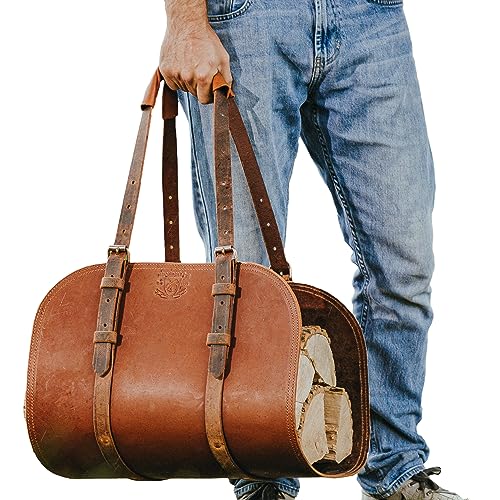
Hauling logs in from the woodpile usually means bark down your sleeves, a trail of splinters and dirt across the floor, and one more trip than you planned on making. A best firewood log carrier pick solves that mess in one move, letting you bring in a full load without dropping half of it along the way. The right one depends less on brand and more on how you actually move wood, whether that's a short walk from a covered rack by the back door or a longer haul across a wet yard. This guide walks through the material choices, sizing, and small construction details that separate a carrier you'll use every night from one that ends up in the closet after a season.
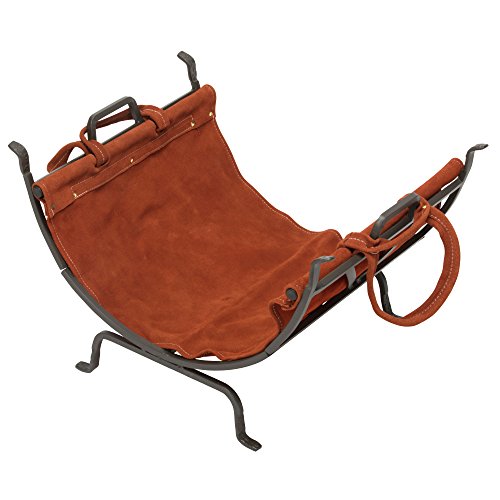
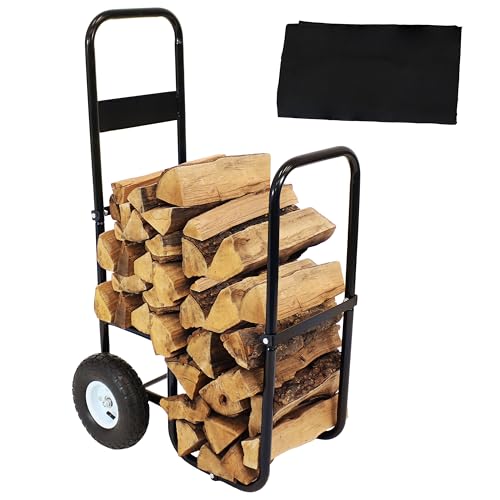
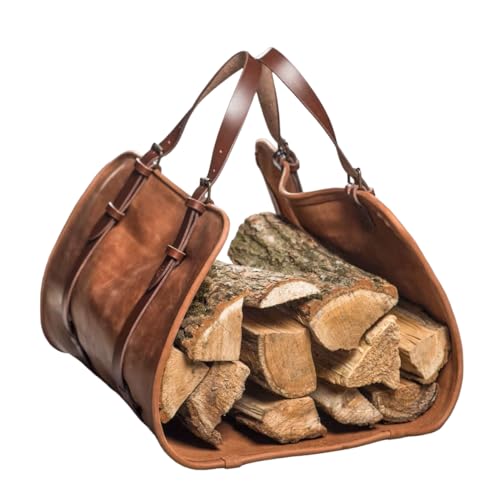
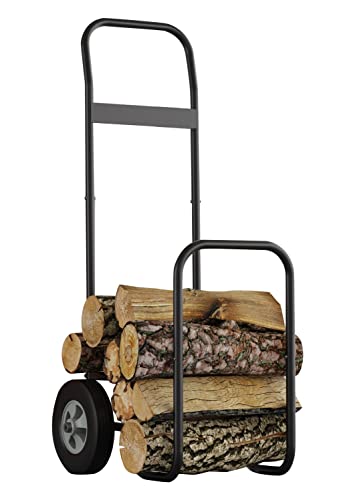
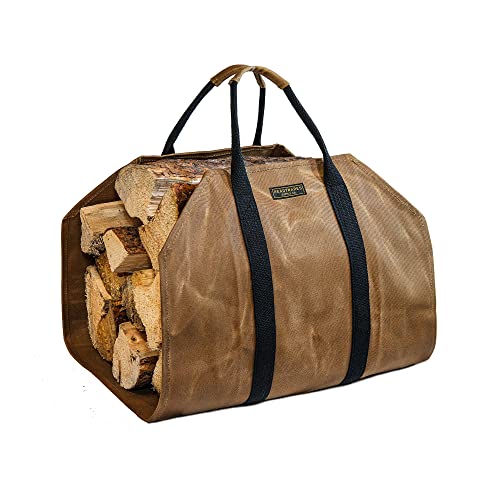
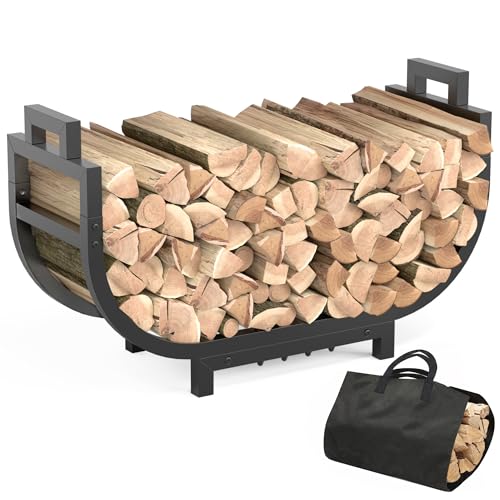
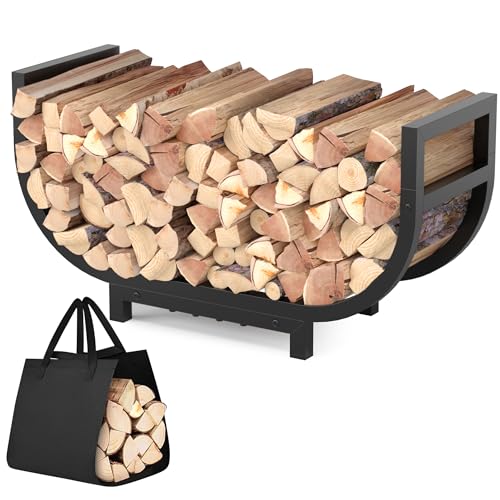
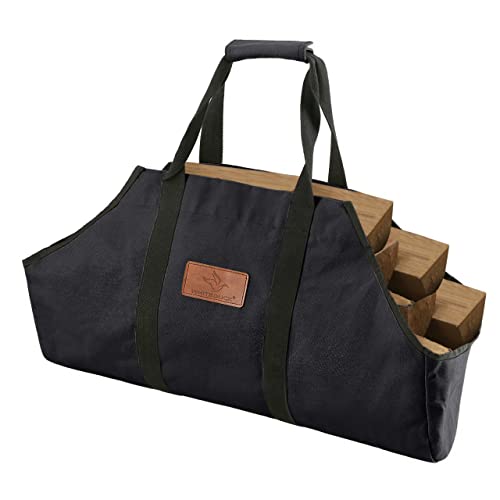
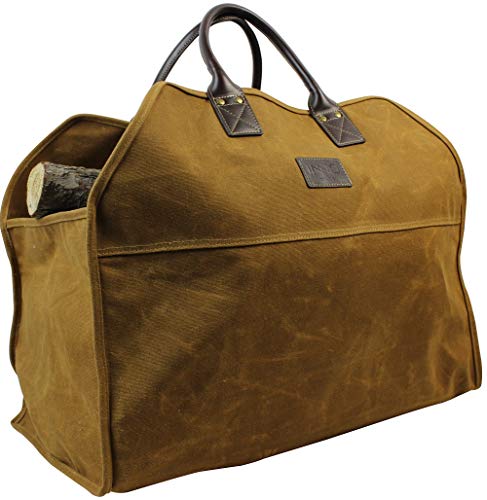
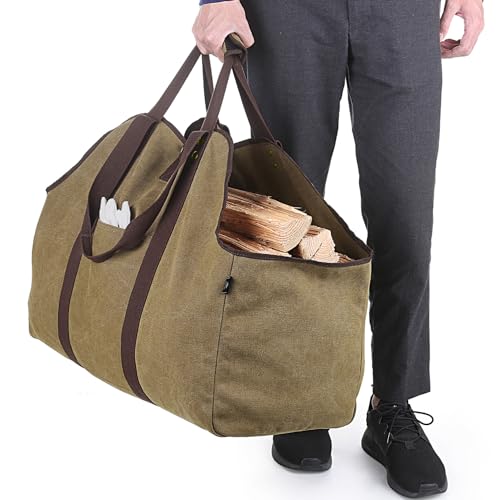
Canvas, Waxed Canvas, or Wheeled: Matching the Carrier to How You Actually Haul Wood
Firewood carriers split into a handful of styles, and the right one has more to do with distance and frequency than looks. Someone bringing in three armloads a night from a covered porch has different needs than someone hauling wood fifty feet across open ground in the rain.
Sling-Style Canvas Totes for Short, Frequent Trips
A plain canvas sling, essentially a heavy rectangle of fabric with two reinforced handles, is the most common style for a reason. It folds flat, costs little to replace, and carries a solid armload without taking up storage space when it's empty. The downside is limited structure, so an overstuffed sling can sag in the middle or let short splits slip out the ends if you load it carelessly.
Waxed Canvas for Wet Weather and Outdoor Storage
Waxed canvas starts as the same cotton duck fabric, then gets treated with a paraffin or beeswax finish that sheds moisture and resists mildew. That makes it a better fit for anyone who keeps their carrier hanging near an outdoor firewood rack or hauls wood through snow and rain rather than storing it indoors. The coating wears thin with heavy use and typically needs reapplying every year or two to keep doing its job.
Wheeled Carts for Bigger Loads and Longer Distances
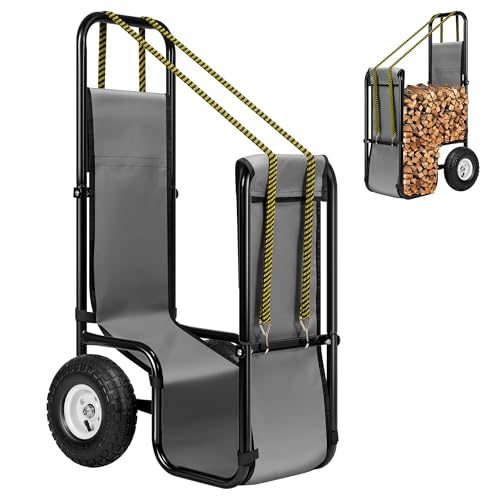
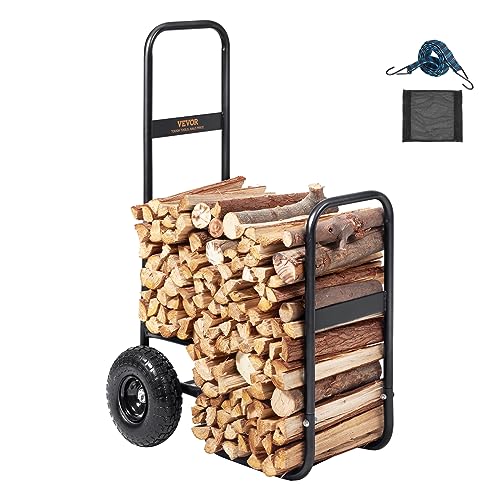
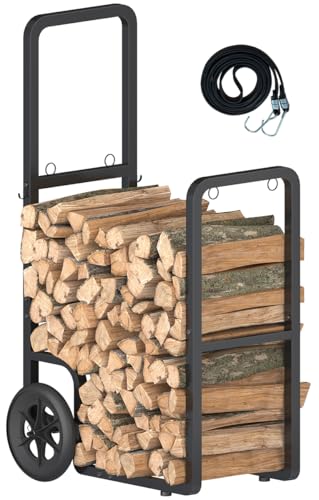
When the woodpile sits any real distance from the house, a wheeled cart moves far more per trip than a sling ever could, and it saves your back on the walk. Carts need a reasonably flat, clear path to roll on, and they take up considerably more garage or shed space than a carrier that folds down to nothing.
Not every household burns split wood as its main heat source. If yours leans on gas fireplace logs for everyday convenience, a smaller carrier still earns its keep for kindling, decorative logs, or the occasional real wood fire on a cold night.
Sizing It to Your Splits and Your Fireplace
Getting the dimensions right matters more than most buyers expect going in. A carrier that's too short forces logs to poke out the ends, scattering bark and bits the whole way from the pile to the hearth.
Matching Length to Your Typical Log Size
Standard splits run somewhere between 16 and 18 inches, but stove wood cut for a smaller firebox can be shorter. Measure a handful of your actual logs before buying rather than guessing, since a carrier rated for "standard" firewood doesn't always account for the longer splits some households burn.
How Much Weight You Actually Want to Carry
Most carriers hold somewhere between 20 and 40 pounds of wood, roughly one evening's worth of fuel for an average fireplace insert or wood stove. A bigger capacity sounds appealing until you're the one lifting it fully loaded, so weigh your own strength and the distance you'll be carrying it, not just the listed maximum.
Handles, Base, and the Small Details That Prevent a Mess
The parts that fail first on a cheap carrier are almost always the handles and the base seams, so it's worth paying attention to both before you commit to one.
Handle Comfort Over a Full Load
Long, reinforced handles keep bark and rough bark edges away from your legs and let you carry a full load at your side instead of cradling it against your chest. Padded or wide webbing spreads the weight across your palm far better than thin rope, which digs in fast once the carrier is full. If you can, test the handles with some weight in hand rather than judging from a product photo.
A Base That Actually Contains the Debris
One of the main reasons people switch to a dedicated carrier in the first place is to keep bark, dirt, and stray insects off the living room floor. A tightly woven, solid base does that job far better than an open sling design, and some carriers double as a small mat once you set them down next to the fireplace grate to load the fire.
Where the Carrier Will Live Between Fires
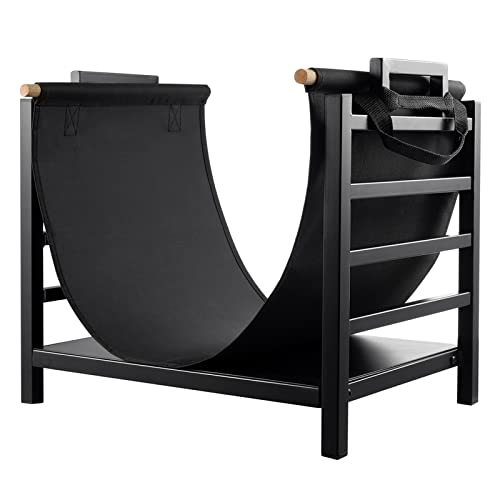
Storage is easy to overlook while shopping, but it shapes which style actually fits your setup. A soft canvas carrier collapses down and hangs on a hook in a mudroom or coat closet without taking up floor space. A rigid frame carrier or wheeled cart holds more per trip but needs a dedicated spot in a garage, shed, or covered porch, since it doesn't fold away when it's empty. If you're tight on storage room, prioritize a soft-sided option over one built around a frame, even if it means a slightly smaller load each trip.
Frequently Asked Questions
What is the best material for a firewood log carrier?
Heavyweight cotton duck canvas offers the best mix of durability, breathability, and ease of repair for most households. If you store wood outdoors or deal with frequent wet weather, waxed canvas adds moisture resistance that plain canvas doesn't have.
How much wood can a log carrier hold?
Most carriers hold between 20 and 40 pounds of split wood, which is roughly one evening's worth of fuel for an average fireplace or wood stove. Wheeled carts can move noticeably more per trip if you're stocking up for several days at once.
Can a firewood carrier be left outside all the time?
It's not recommended, even for waxed canvas. Constant sun and rain exposure breaks down the wax coating and shortens the fabric's lifespan, so it's better to hang the carrier under cover or bring it indoors between uses.
What size carrier works best for indoor storage near the fireplace?
A compact carrier in the 18 to 24 inch range usually holds enough wood for a night or two without crowding a mudroom or hearth area. Larger totes make sense if you're restocking less often and don't mind the extra footprint.
Can I use the same carrier for kindling and full-size splits?
Yes, many households use one carrier for both by loading heavier splits at the bottom and smaller kindling pieces around them for balance. A few carriers include a separate compartment or pocket specifically for kindling and fire starters.
Do firewood carriers make good gifts?
They're a popular practical gift for anyone with a wood-burning fireplace or stove, especially around the colder months. A well-made canvas or leather-handled carrier tends to get used for years rather than sitting in a closet.
Making Your Decision
The best firewood log carrier for your home comes down to matching material and size to how you actually move wood, not to whichever option looks nicest online. Prioritize sturdy stitching at the handles, a base that keeps mess contained, and dimensions that fit both your typical splits and your storage space. Get those details right and the carrier will earn its spot by the door for many winters to come.