Best Outdoor Firewood Racks: A Complete Buying Guide
Disclosure: We may earn a commission when you buy through links on this page, at no extra cost to you. As an Amazon Associate we earn from qualifying purchases. Learn more
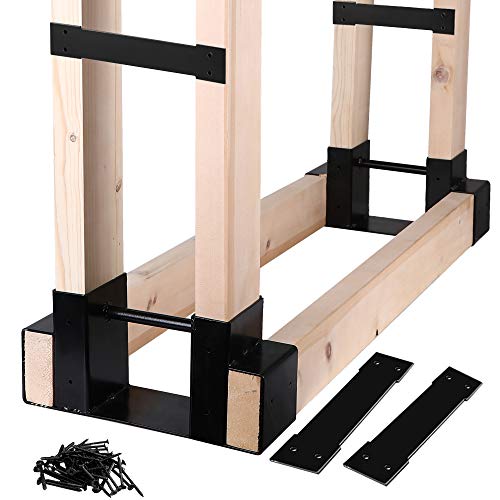
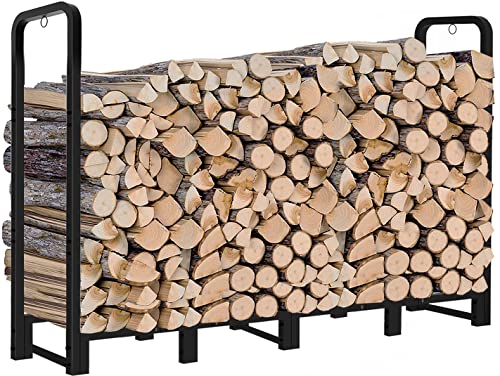
A pile of split logs left directly on grass or dirt starts absorbing ground moisture within days, and once that happens the wood loses much of the seasoning work it took months to build up. An outdoor firewood rack fixes that by lifting the stack off the ground and opening it to airflow on multiple sides. Choosing among the best outdoor firewood racks mostly comes down to matching the rack's size, material, and placement to how much wood you actually burn in a typical season, not to chasing the biggest or fanciest option available. This guide walks through sizing, materials, positioning, and how to keep stacked wood properly seasoned once it's up on a rack.


Sizing It Right: How Much Wood a Rack Actually Needs to Hold
Firewood dealers sell by the cord, and rack manufacturers size their products around that same unit, so it helps to know roughly what you're working with before comparing options.
Cord Size and Rack Length
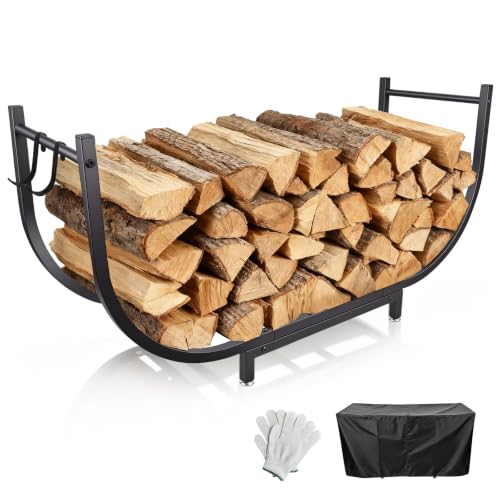
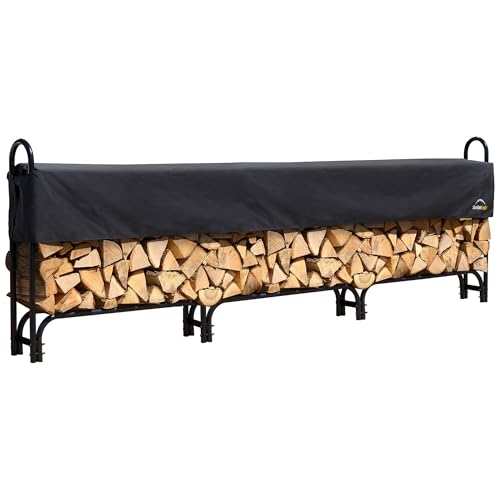
A full cord is a stack measuring 4 feet high, 4 feet deep, and 8 feet long, or 128 cubic feet total. Because a well-built rack usually stacks logs one row deep rather than the full 4-foot depth of a cord measurement, an 8-foot-long rack generally holds close to a half cord, while a 4-foot rack holds around a quarter cord. Smaller decorative racks meant for a porch or patio corner might hold only an eighth of a cord, which is fine for occasional fires but empties out fast if you burn wood regularly.
Estimating Your Season's Wood Use
A household that runs a wood stove as a primary heat source through a full winter can burn three to five cords, which usually means multiple racks or one long modular setup rather than a single unit. Someone who lights a fire pit a few nights a month typically gets by on a quarter or half cord at a time. Buying a rack sized for your actual burn rate, rather than the biggest one that fits the yard, keeps wood turning over instead of sitting at the bottom of the pile losing its cure. This is one of the simpler ways to tell the best outdoor firewood racks apart from ones that look good but never quite fit how a household actually burns wood.
Material and Weatherproofing: What Holds Up Outdoors
Outdoor racks see rain, snow, UV exposure, and the weight of a full stack all at once, so material choice affects both lifespan and how much upkeep the rack demands.
Steel, Cedar, or Recycled Plastic
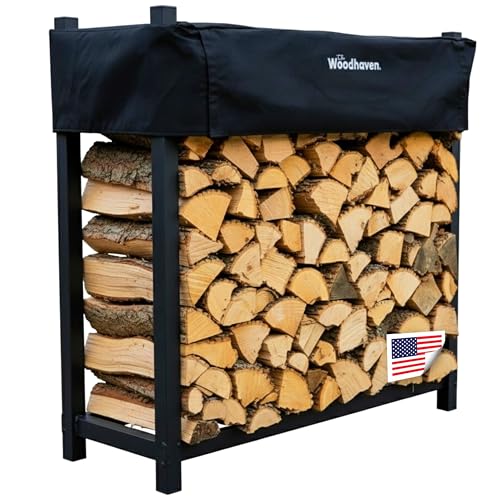
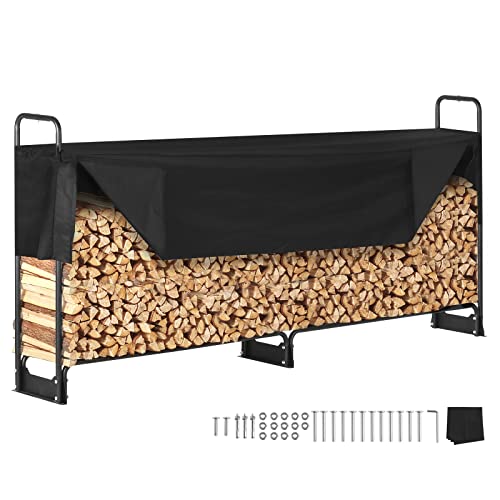
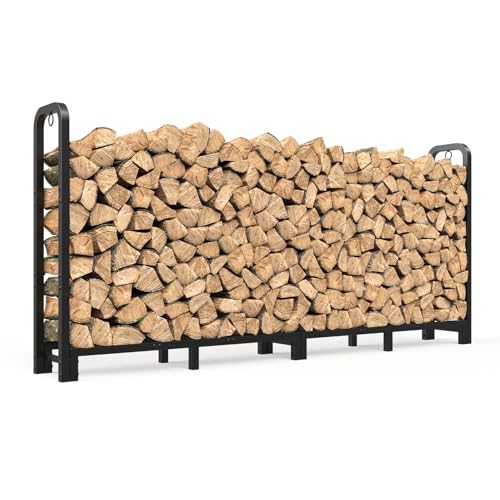
Powder-coated steel tends to be the most common choice because it resists rot and pests outright and can carry the weight of a full cord without sagging or bowing over time. A quality steel frame can last well over a decade with almost no maintenance, though any bare or scratched spots need a touch-up coat to keep rust from spreading. Cedar and other rot-resistant woods blend into a yard more naturally and cost less upfront, but they need occasional sealing and generally hold up for a shorter stretch than steel before joints loosen or boards start to check. Recycled plastic composite racks split the difference: they shrug off moisture and never rust, though they're usually rated for lighter loads than steel.
Roof Panels and Covers, and Why Airflow Still Matters
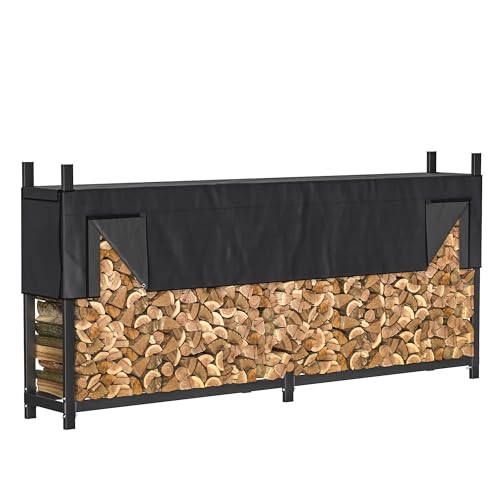
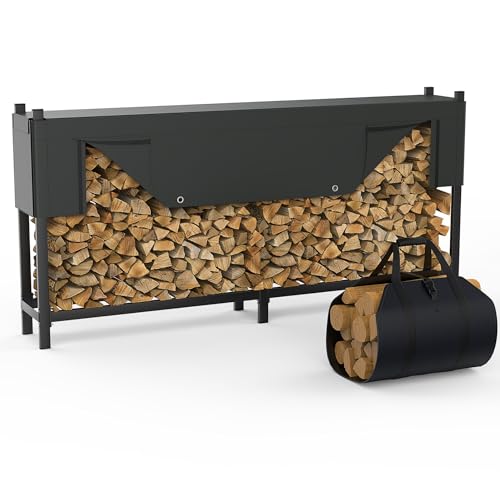
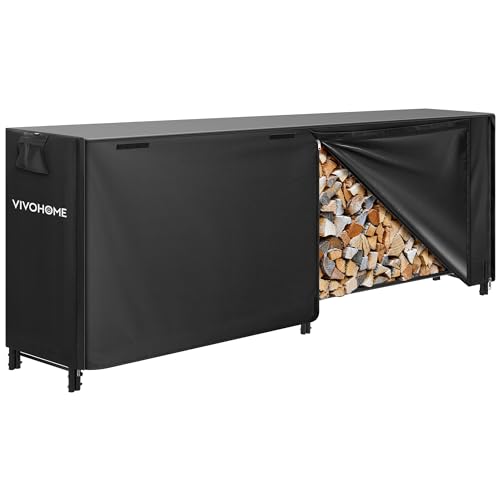
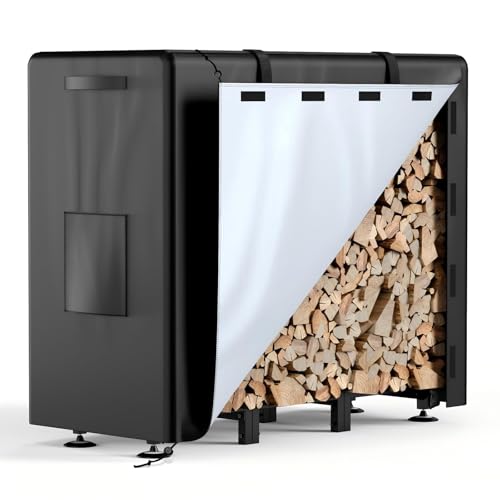
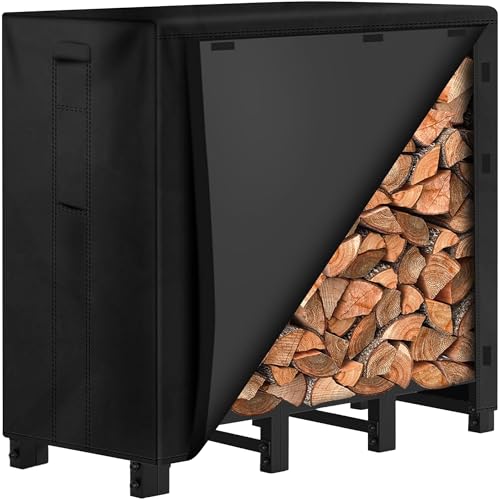
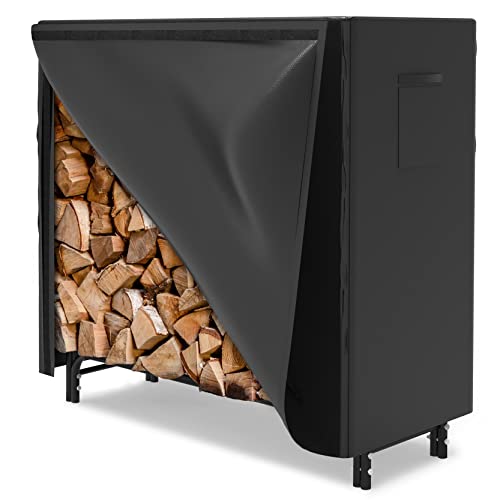
A sloped roof panel or a fitted cover keeps rain and snow off the top of the stack, and that alone stops most of the moisture problems a rack is meant to solve. The detail worth paying attention to is that covering only the top, while leaving the sides open, works better than wrapping the entire rack in a tarp. Fully enclosed storage traps humidity against the wood and can encourage mold rather than prevent it, so look for a rack with a roof or top cover paired with open or slatted sides rather than one designed to be sealed on every face.
Where to Position a Rack in Your Yard
Where a rack sits matters almost as much as what it's made of, both for how fast the wood dries and for basic fire and pest safety around the house.
Safe Distance from Your Home
General guidance from home inspectors and insurers puts firewood storage at least 5 feet from the house, since stacked wood close to siding gives termites, carpenter ants, and other pests a direct bridge to the structure. In areas with wildfire risk, that distance often stretches to 20 or 30 feet as part of a broader defensible-space plan, so it's worth checking local recommendations if you live somewhere fire-prone. A spot near where you actually use the wood, whether that's a fire pit or a back door leading to an indoor fireplace, cuts down on how far you have to haul logs on a cold night. If you're moving wood in smaller loads rather than carrying an armful at a time, a log carrier or tote makes the trip from rack to fire noticeably easier.
Ground Clearance and Sun Exposure
Even a well-built rack loses some of its benefit if it sits flat on wet soil, so look for one with legs or a raised base that keeps the bottom row at least 6 inches off the ground. A spot that gets some afternoon sun and open airflow dries wood faster than a shaded corner tucked against a fence, which matters most for wood that's still finishing its cure. Positioning the rack within reach of a patio or seating area also makes it easy to keep chairs near a fire pit stocked without repeated trips across the yard.
Keeping Wood Properly Seasoned Once It's Racked
Getting wood up on a rack is only half the job. How it's covered and checked over the following months determines whether it actually burns clean when you need it.
Freshly cut or split wood typically needs about a year of exposure to air and sun before it's dry enough to burn without excessive smoke and creosote buildup. A rack speeds that process along by keeping air moving through the stack from multiple sides, which is why fully wrapping it defeats the purpose. During heavy storms, it's fine to pull a cover down over the sides temporarily, but pulling it back once the weather clears lets the stack keep breathing. Wood that's ready to burn tends to look grayish rather than freshly cut, feels noticeably lighter than a green log of the same size, and often has small cracks radiating out from the cut ends. If you'd rather keep part of your supply fully enclosed and out of the weather entirely, a garage storage system can work as a secondary spot for wood that's already seasoned and just needs to stay dry until it's used.
Frequently Asked Questions
How much wood does a typical outdoor firewood rack hold?
Capacity is usually listed as a fraction of a cord. A 4-foot rack holds roughly a quarter cord, and an 8-foot rack holds close to a half cord, though exact volume depends on how tightly the logs are split and stacked.
How far should a firewood rack be from the house?
Most guidance recommends at least 5 feet from the structure to limit pest access, with wildfire-prone areas often requiring 20 feet or more as part of local defensible-space rules.
Should I cover my firewood rack completely?
Not usually. Covering just the top while leaving the sides open lets moisture keep evaporating from the wood. A rack sealed on every side traps humidity and can encourage mold instead of preventing it.
How high off the ground should firewood be stacked?
Aim for at least 6 inches of clearance. Direct contact with soil is one of the fastest ways firewood reabsorbs moisture and attracts pests.
Is metal or wood better for an outdoor firewood rack?
Steel generally lasts longer outdoors and needs less upkeep, while cedar and other wood racks blend into a yard more naturally but require periodic sealing and tend to wear out sooner.
How long does firewood need to season before it's ready to burn?
Most species need about a year of air exposure to dry out fully. Wood that's ready typically looks grayer, feels lighter, and shows small cracks at the cut ends.
Making Your Decision
The right rack comes down to a short list: size it to how much wood you burn in a season, pick a material that matches how much upkeep you're willing to do, and place it somewhere that keeps air moving through the stack. Get those three details right and the rack will do its job quietly for years, keeping wood dry, pest-free, and ready whenever you need it. Among the best outdoor firewood racks, the ones that hold up longest are almost always the simplest: sturdy build, open sides, and a spot in the yard where air can actually move.