Best Fire Glass for Fire Pit: A Complete Buying Guide
Disclosure: We may earn a commission when you buy through links on this page, at no extra cost to you. As an Amazon Associate I earn from qualifying purchases. Learn more

If your gas fire pit still relies on lava rock or ceramic logs, you might be missing out on the cleanest-burning, lowest-maintenance option on the market. Fire glass for fire pit setups has become the go-to choice for homeowners who want a modern look without soot, smoke, or constant upkeep. But not every bag of glass sold online is made the same way, and picking the wrong type can leave you with dull color, weak flame reflection, or even a damaged burner. This guide breaks down how fire glass compares to other fire pit media, which finish actually fits your space, how much you need to cover a burner the right way, and the fuel-type rule that trips up more buyers than anything else.

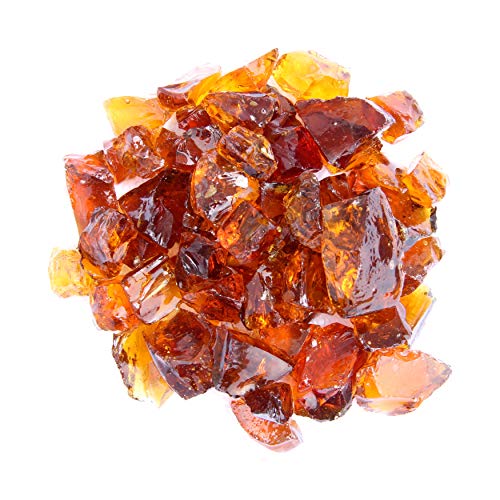
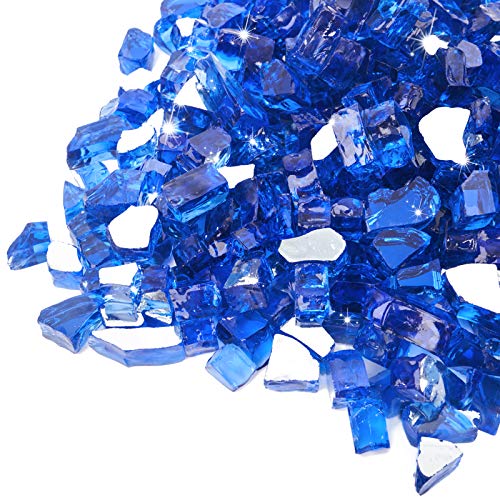
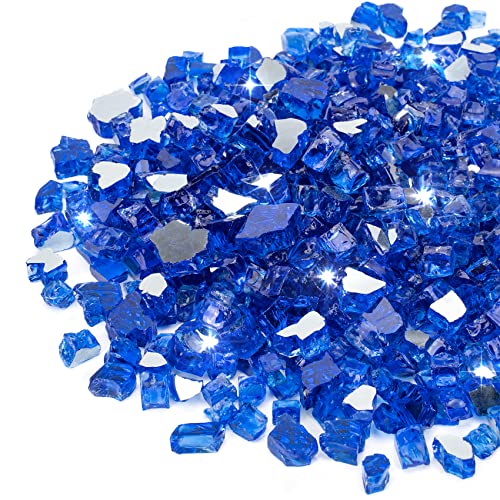
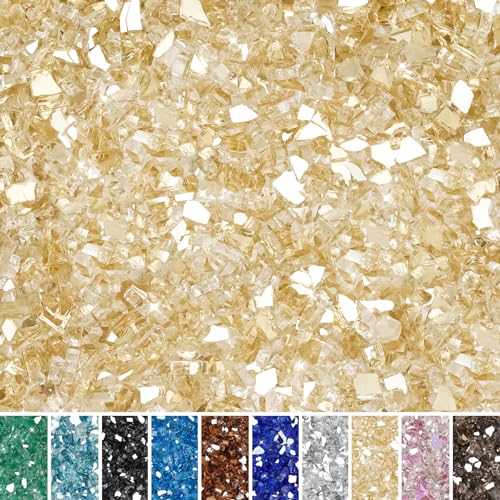
Fire Glass vs. Other Fire Pit Media: Where It Actually Wins
Lava rock, ceramic logs, and fire glass all do the same basic job of hiding the burner, but they behave very differently once the flame is lit. Lava rock is porous, so it soaks up heat and releases it slowly, which gives off a gentle, campfire-style warmth even after the burner cycles down. Fire glass works the opposite way. It reflects light rather than absorbing heat, so it looks brilliant almost immediately, but it takes longer to warm up and holds that heat afterward instead of radiating it while the fire is running. If your main goal is extra ambient warmth for chilly evenings, a dedicated patio heater will outperform any loose fill material by a wide margin.
Cost and durability matter too. Fire glass typically costs more per pound than lava rock, but it will not crack, pop, discolor, or break down the way natural stone can over time. Ceramic logs are the more traditional-looking alternative and mimic real wood fairly convincingly, though they cannot match the sparkle or color range that glass offers. If you like the idea of a classic hearth look instead of a contemporary one, browsing gas fireplace logs is worth doing before you commit to glass.
The setting matters as much as the material itself. Fire glass tends to look best in contemporary fire tables, built-in patio islands, and fire bowls near a pool, where the reflective sparkle plays off water or clean architectural lines. Rustic stone fire pits or wooded backyard corners often suit lava rock or ceramic logs better, simply because the earthy tones blend into the surroundings instead of contrasting with them. Neither option is objectively better, so it helps to picture how the glass will look against your patio, deck, or landscaping before you buy a full bag. Lighting also changes the effect considerably. Warm white or amber LED accents near the fire feature tend to intensify reflective glass, while cooler blue-toned lighting can wash out warmer glass colors like copper or amber.
Gas Fire Pits Only: Why Fuel Type Determines Everything
Built for Gas, Not Wood
Fire glass is tempered specifically to sit above a gas or propane burner, where heat is even and consistent. It is not rated for direct contact with a wood fire, where flames and embers create uneven, unpredictable temperature spikes. Using fire glass in a wood-burning pit voids most manufacturer guarantees and can cause the glass to shatter unpredictably. If your setup burns wood instead of gas, stick with materials rated for direct flame contact and pair them with a sturdy fireplace grate to keep logs elevated for proper airflow.
What Happens When It's Used the Wrong Way
Beyond the wood-versus-gas issue, a few other mistakes cause most of the complaints people run into. Piling lava rock or landscaping stone underneath a layer of fire glass is a common one. Those materials trap heat differently than glass does, and stacking them together can crack the glass or stress the burner. The other issue is simply using too much. A burner buried under several inches of glass has nowhere for the flame to escape, which chokes the fire and can scorch the surrounding glass an uneven brown or black. Mixing incompatible colors straight from different bags without testing a small batch first is another avoidable headache, since dye lots can vary slightly between manufacturers and even between production runs from the same brand.
Reflective, Tumbled, or Beads: The Finish Decides the Look
Reflective Fire Glass
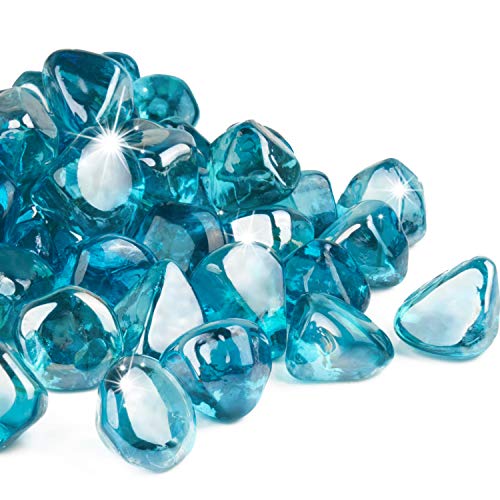
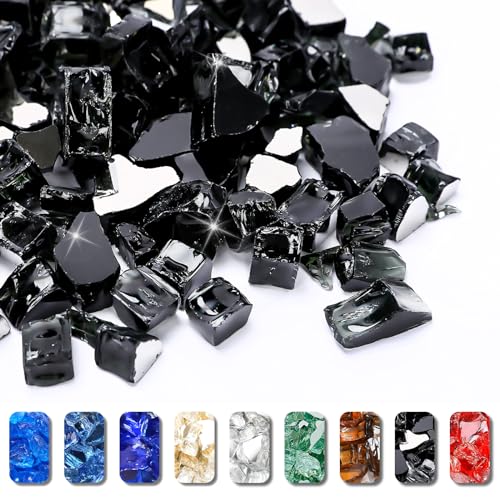
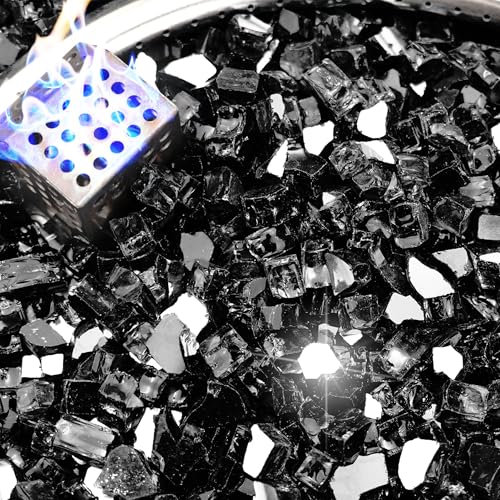
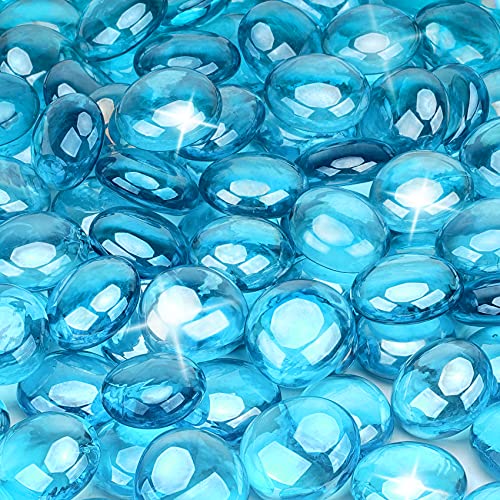
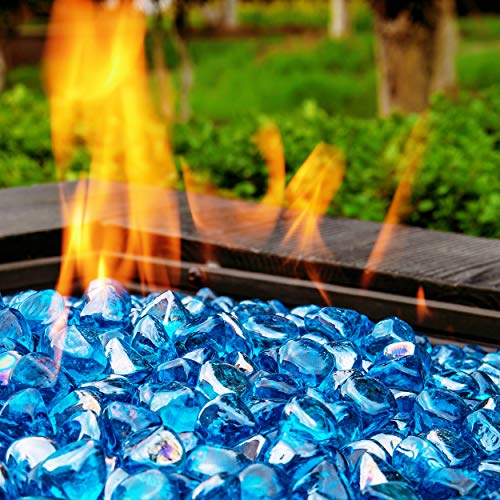
Reflective pieces are coated on one side with a mirror-like finish, so they catch and scatter the flame in every direction. This is the style most people picture when they hear "fire glass," and it delivers the most dramatic, jewel-toned effect at night.
Tumbled (Non-Reflective) Fire Glass
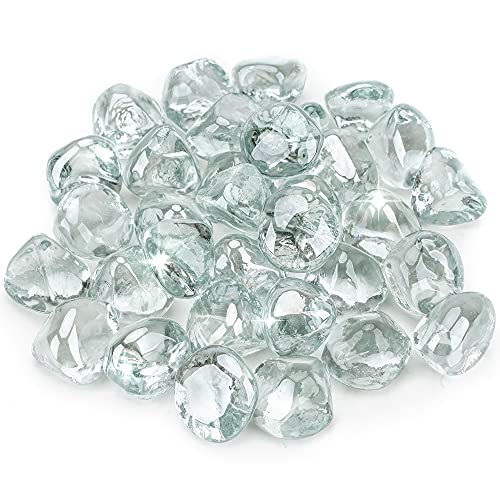
Tumbled glass has smooth, rounded edges and a soft, frosted finish instead of a mirror coating. It throws off less glare during the day and gives a more understated, sea-glass appearance, which some homeowners prefer for a subtler patio look.
Fire Glass Beads and Pebbles
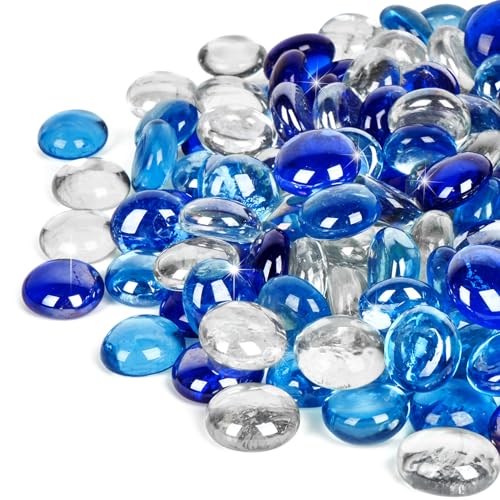
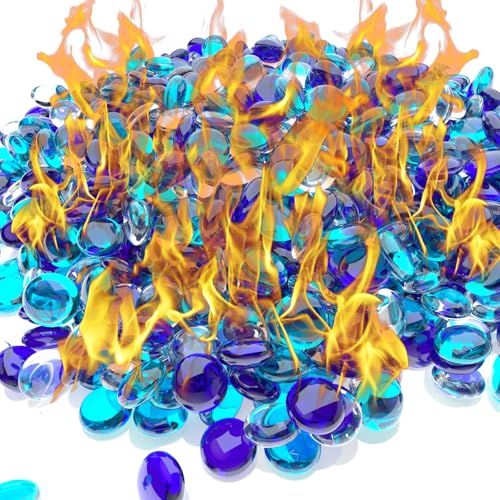
Beads and pebbles are rounded rather than crushed or diamond-cut, so they pour and settle more evenly with fewer sharp edges poking through. They tend to suit rounder fire bowls and softer, resort-style landscaping better than angular pieces do. Whatever finish you land on, the right seating around the fire pit does just as much for the evening as the glass itself.
Coverage Depth: How Much Glass Your Burner Actually Needs
Getting the depth right is what separates a great-looking fire glass for fire pit setup from one that damages the burner or burns unevenly. The target amount depends on the fuel source, not personal preference.
Natural Gas Fire Pits
Natural gas burners typically need about 2 to 3 inches of glass covering the burner pan. That depth is enough to hide the components fully while still letting flame escape cleanly through the gaps.
Propane Fire Pits
Propane setups burn hotter at the source, so they need less glass on top, generally no more than 1 inch of coverage. Adding more than that traps heat around the burner and can shorten its lifespan.
Avoiding a Suffocated Burner
Regardless of fuel type, the goal is always the same: use just enough glass to conceal the burner, not to fill the bowl to the brim. If flames struggle to rise evenly or you notice a gas smell lingering, that's usually a sign there's too much glass sitting on top.
Frequently Asked Questions
Can you use fire glass in a wood-burning fire pit?
No. Fire glass is designed for the even heat of a gas or propane burner. Direct contact with wood flames and embers can cause it to crack or shatter, and doing so typically voids the manufacturer's warranty.
How much fire glass do I need for my fire pit?
Natural gas pits generally need 2 to 3 inches of coverage over the burner, while propane pits need no more than about 1 inch. Measure your burner pan's square footage first so you don't order too little or too much.
Do you need to put anything underneath fire glass?
No. Lava rock, landscaping stone, or other fillers should not go under fire glass. Mixing materials that trap heat differently can crack the glass and stress the burner, so glass should sit directly on the burner pan as instructed by the manufacturer.
Does fire glass produce smoke or soot?
No. Because it burns with clean gas or propane rather than wood, fire glass does not produce smoke, soot, or ash. It stays clean far longer than wood-burning media and rarely needs more than an occasional rinse.
How long does fire glass last?
Tempered fire glass is built to last essentially the life of your fire pit under normal use. It won't melt, discolor, or break down from heat exposure, so most people only replace it if they want to change the color or style.
Is fire glass safe to use around kids and pets?
Fire glass itself is safe when installed correctly, but it gets very hot during use and stays warm for a while after the flame is off. Keep children and pets a safe distance away whenever the fire pit is lit or has recently been running.
What colors does fire glass come in?
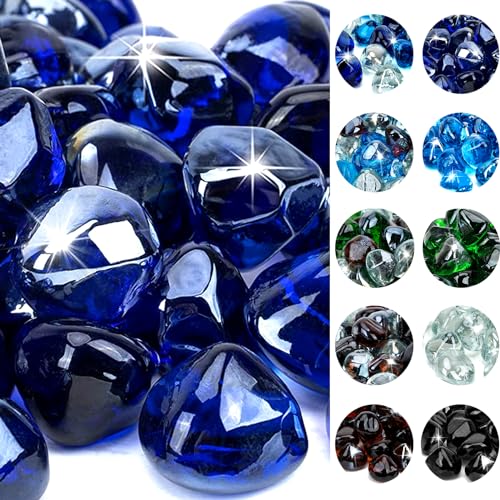
Fire glass comes in a wide range of colors, with black, clear, copper, and blue among the most popular. Reflective finishes tend to show color more vividly than tumbled or matte finishes do, so the same shade can look noticeably different depending on the type you choose.
Does fire glass need to be cleaned?
Rarely. Since it doesn't produce soot or ash, fire glass mostly just needs the occasional rinse if dust, leaves, or debris settle into it. A quick hose-down and a chance to air dry is usually all it takes to keep the color and shine looking fresh.
The Bottom Line on Fire Glass
Choosing the right fire glass for fire pit use comes down to three decisions: confirming your pit runs on gas rather than wood, picking a finish that matches the look you want, and covering the burner to the correct depth for your fuel type. Get those three things right, and fire glass will outlast almost any other fire pit media you could buy.