
Best Fertilizer for Dahlias: Which One Fits the Way You Grow? (2026)
Disclosure: We may earn a commission when you buy through links on this page, at no extra cost to you. As an Amazon Associate I earn from qualifying purchases. Learn more
Dahlia fertilizers matched to growers: Espoma Flower-tone, Jack's Blossom Booster, Osmocote and organic picks.
No single fertilizer suits every dahlia grower. Someone with a few tubers in patio pots needs a different product from an exhibitor raising dinner plate blooms in long rows, and a beginner who forgets to feed needs something more forgiving than either. The best fertilizer for dahlias is the one that fits how many plants you grow, where they grow and how often you can feed them.
Dahlias generally do best with a low nitrogen, higher phosphorus and potassium feed once they are actively growing, since too much nitrogen gives lush leaves and fewer flowers. This guide sorts fertilizers by type of grower first, then compares features, flags mistakes and shares feeding tips. Always follow label rates, wear gloves when handling granular products and store fertilizer away from children and pets.





Who Should Buy Which Fertilizers for Dahlias?
Start with your garden and your routine. Each grower type below points to the fertilizer style that fits best.
For Frequent or Serious Growers
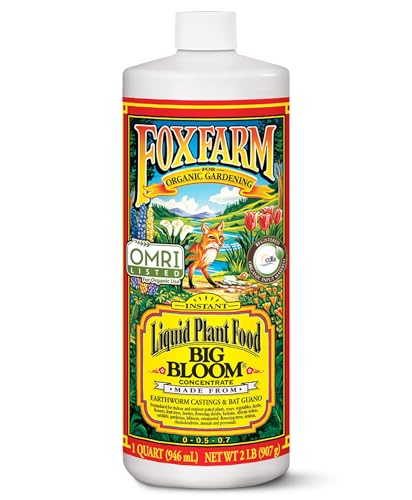
Serious growers and cut flower farmers usually feed with water soluble bloom formulas for fast, precise control. Jack's Classic 10-30-20 Blossom Booster, around $61 for 10 pounds, is a professional formula with a 1 to 3 to 2 nutrient ratio that feeds through both roots and leaves. FoxFarm Big Bloom, around $26 a quart, uses earthworm castings and bat guano with a gentle 0-0.5-0.7 analysis, mixed at 4 tablespoons per gallon every other watering. Many growers pair a granular base feed at planting with liquid feeding through the bloom season.
For Container and Patio Growers
Dahlias in pots drain fast and wash nutrients out, so they benefit from slow release granules plus occasional liquid feeding. Osmocote Smart-Release Flower and Vegetable plant food, around $23 for 4.5 pounds, releases nutrients gradually as you water. Miracle-Gro Shake 'N Feed Rose and Bloom, around $17 for 4.5 pounds, feeds up to 3 months and works in ground and in containers. Top up with a dilute liquid bloom feed every few weeks once buds appear.
For Small Spaces and Easy Storage
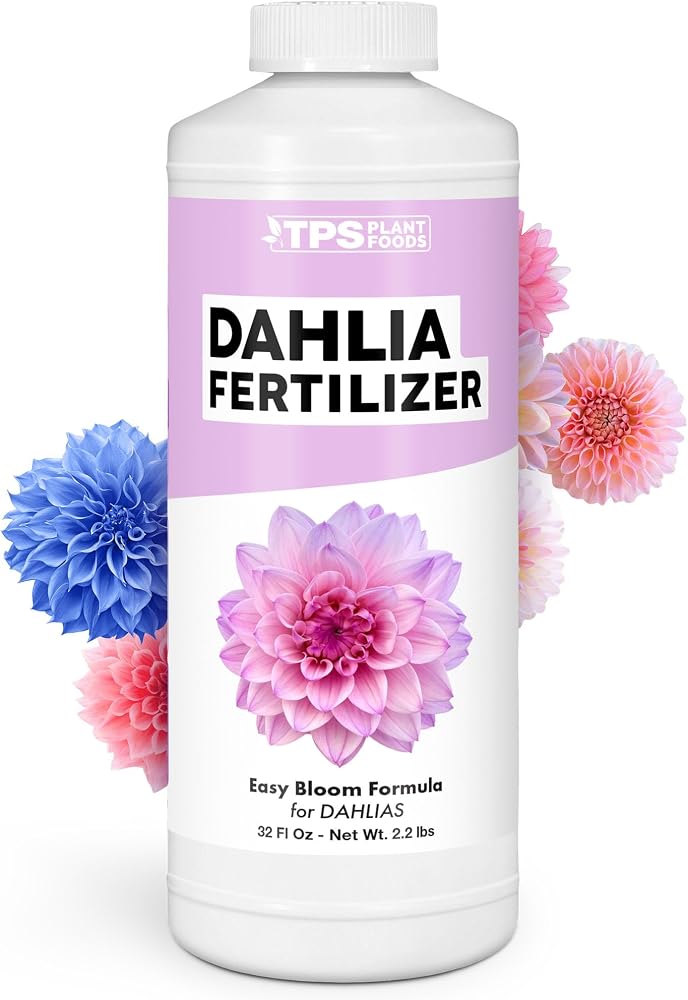
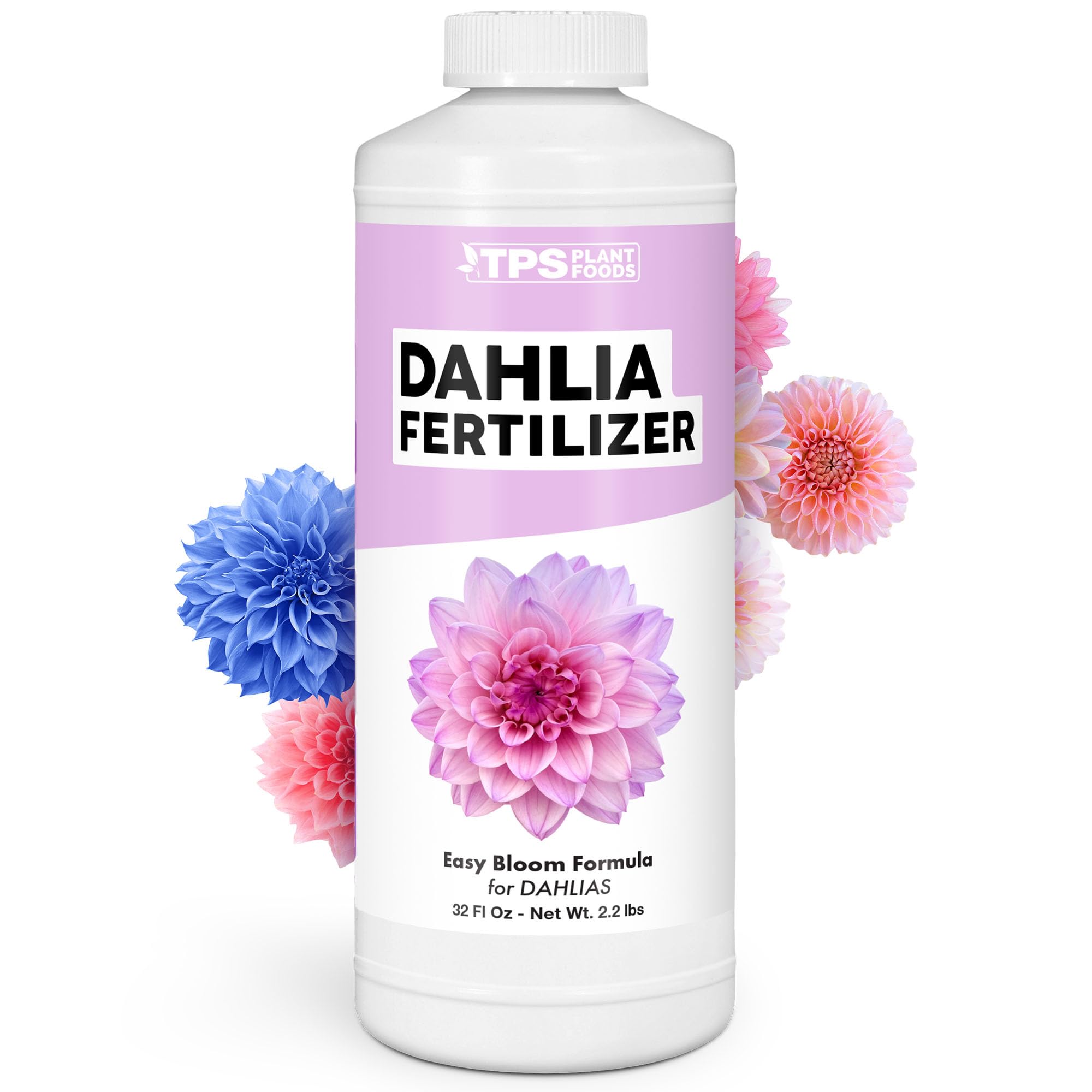
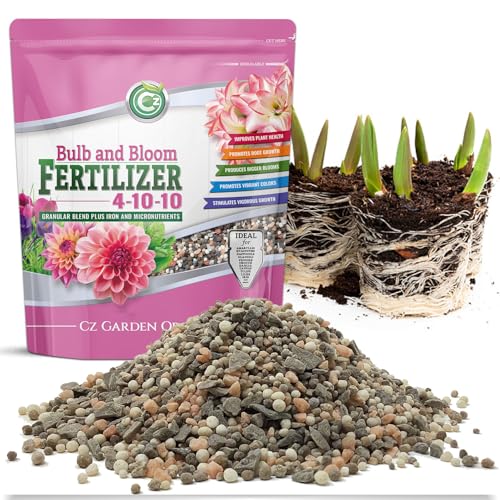
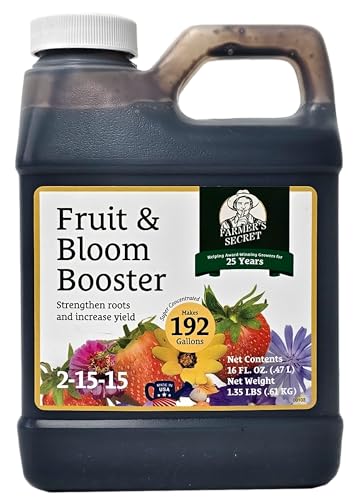
Gardeners with a handful of plants and little storage space should look at small liquid bottles or compact pouches. The dedicated dahlia liquid plant food comes in 8 ounce and 32 ounce sizes, around $12 and $25. Farmer's Secret Fruit and Bloom Booster, around $20 for 16 ounces, is super concentrated at about 1 teaspoon per 2 gallons, so a small bottle lasts a long time. Cz Garden Supply's 4-10-10 Bulb and Bloom, around $20, comes in a resealable 4 pound pouch.
For Weekend Beginners
Beginners should choose a ready to use organic granular that is hard to overdo. Espoma Organic Flower-tone 3-4-5, around $24 for two 4 pound bags, is a low nitrogen blend with 5 percent calcium that needs no mixing; Espoma suggests applying it monthly around the drip line and watering in. It is approved for organic gardening and releases slowly, which forgives an occasional missed feeding.
For Organic Gardeners
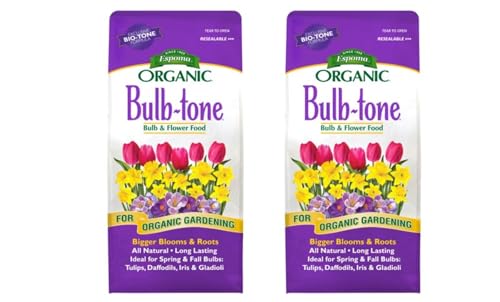
Organic gardeners have strong options. Espoma's Flower-tone and Bulb-tone 3-5-3, around $26 for two 4 pound bags, are registered organic input materials. Burpee Bone Meal, around $20 for 3 pounds, is OMRI listed and adds phosphorus and calcium for root development at planting time. FoxFarm Big Bloom is another natural liquid choice.
Key Features to Compare in the Best Fertilizer for Dahlias
Nutrient ratio, form, value and ease of use decide which fertilizer suits you.
Features That Matter for Dahlias
The NPK ratio is the most important feature. The three numbers show nitrogen, phosphorus and potassium.
Dahlias prefer lower nitrogen and higher phosphorus and potassium once established, like Espoma Flower-tone's 3-4-5, Bulb-tone's 3-5-3, Cz Garden's 4-10-10 or Jack's 10-30-20. Calcium, listed in Espoma's products, supports sturdy stems. Avoid high nitrogen lawn fertilizers, which push leafy growth and weak stems.
Value and Coverage per Dollar
Concentrated products often deliver the best value. Jack's Blossom Booster costs more up front but makes hundreds of gallons of feed.
Farmer's Secret uses only about a teaspoon per 2 gallons. Granular bags like Osmocote and Miracle-Gro Shake 'N Feed cover a season of feeding for a few dollars per month. Compare how many plants or square feet a product covers, not just the bag size.
Match the Product to Your Garden Size and Layout
Large beds and rows suit granular products spread along the row or water soluble feeds through a hose end sprayer. FoxFarm Big Bloom works with hose end sprayers, siphon mixers and drip irrigation. Containers suit slow release granules plus liquid top ups. A few plants in a mixed border need only a small bag or bottle.
Ease of Use and Storage
Ready to use granulars, like Espoma's, need no mixing. Shake 'N Feed comes in a shaker container.
Liquids need measuring but act faster. Store granular products in a dry place with the bag sealed, and keep liquids from freezing. Resealable pouches, like Cz Garden's, help keep fertilizer dry.
Granular vs Liquid Feeding
Granular fertilizers release nutrients slowly over weeks, which suits busy gardeners and in ground beds. Espoma's Flower-tone and Bulb-tone break down with soil microbes, while Osmocote's coated granules release with each watering and Miracle-Gro Shake 'N Feed lists up to 3 months of feeding.
Liquid fertilizers act within days and let you adjust feeding as plants grow, which suits containers and growers chasing larger blooms. FoxFarm Big Bloom, Jack's Blossom Booster, Farmer's Secret and the dedicated dahlia liquid all fall into this group. Many experienced growers use both: a granular base at planting and a dilute liquid every couple of weeks once buds form.
Common Mistakes to Avoid When Buying Fertilizers
- Choosing high nitrogen formulas. Lawn and all purpose high nitrogen feeds produce leaves instead of blooms.
- Feeding at planting before sprouts appear. Tubers have stored energy. Mix bone meal or a low nitrogen granular into the soil, then wait for growth before regular feeding.
- Overfeeding. More fertilizer is not better. Excess salts can burn roots and leaves, so follow label rates.
- Skipping a soil analysis. A basic soil kit or extension office report shows what your soil already has, preventing waste.
- Feeding too late in the season. Stop feeding several weeks before the first frost so tubers can mature for storage.
Tips to Get the Most From Your Fertilizer
Work a little bone meal or bulb fertilizer into the planting hole, then begin regular feeding once plants are about a foot tall. Feed every 2 to 4 weeks through summer with a low nitrogen liquid or granular bloom food, watering well before and after feeding to protect roots.
Mulch beds to keep moisture even, which helps roots take up nutrients. Pinch the central tip when plants have three or four sets of leaves to encourage branching and more stems. Deadhead spent blooms to keep plants flowering until frost.
Frequently Asked Questions
What features matter most in fertilizers for dahlias?
A low nitrogen ratio with higher phosphorus and potassium matters most. Look for numbers like 3-4-5, 3-5-3 or 4-10-10, plus calcium for sturdy stems. Choose a form, granular or liquid, that fits how often you can feed and how many plants you grow.
What's the difference between garden soil and potting mix?
Garden soil is native ground soil, while potting mix is a lighter blend made for containers. Potting mix drains quickly and often contains little fertilizer, so container dahlias need more frequent feeding. In ground dahlias benefit from compost worked into the bed before planting.
Is organic fertilizer worth it for dahlias?
Organic fertilizer is worth it if you want slow, steady feeding and healthier soil life. Espoma's Flower-tone and Bulb-tone, Burpee Bone Meal and FoxFarm Big Bloom feed plants while improving soil. Synthetic water soluble feeds like Jack's act faster and suit growers who want precise control.
How much fertilizer do I need for my garden?
Follow label rates based on plant count or bed size. A 4 pound bag of granular bloom food typically covers a small to medium bed for a season. Concentrated liquids like Farmer's Secret stretch much further. Measure carefully, since overfeeding harms dahlias.
When should I stop fertilizing dahlias?
Stop fertilizing about 4 to 6 weeks before your first expected frost. This lets plants harden off and tubers mature, which helps them store well over winter. Keep watering and deadheading until frost.
Can I use tomato or rose fertilizer on dahlias?
Yes, many tomato and rose fertilizers work for dahlias if they are low in nitrogen. Miracle-Gro's Rose and Bloom and similar bloom formulas suit dahlias well. Check the NPK ratio and avoid formulas where nitrogen is the highest number.
Do dahlias in pots need more fertilizer?
Yes, container dahlias usually need more frequent feeding than plants in the ground. Regular watering flushes nutrients out of potting mix. Mix a slow release granular like Osmocote into the pot at planting, then add a dilute liquid bloom feed every 2 to 3 weeks during flowering.
Final Thoughts
When choosing dahlia fertilizer, focus on three things: a low nitrogen ratio, a form that fits your routine and a size that matches your garden. Beginners should start with Espoma Flower-tone, container growers with Osmocote or Shake 'N Feed, organic gardeners with Bulb-tone and bone meal and serious growers with Jack's Blossom Booster or FoxFarm Big Bloom. The best fertilizer for dahlias keeps plants blooming from midsummer until frost.
For more garden guides, see the best fall fertilizer, the best raised garden beds, the best compost bin and the best expandable garden hose. Then compare current prices in the product table above.


