Best Fall Fertilizer: A Complete Buying Guide for Your Lawn
Disclosure: We may earn a commission when you buy through links on this page, at no extra cost to you. As an Amazon Associate I earn from qualifying purchases. Learn more
Your lawn looks tired by the time autumn rolls around. The summer heat has drained its energy, weeds have crept into thin patches, and the first cool mornings are a reminder that winter isn't far off. What you do over the next few weeks matters more than almost any other treatment you'll apply all year, because the roots you feed now are what carry the lawn through the cold months. Picking the best fall fertilizer is one of the few things you can do right now that pays off for months. In this guide, you'll learn what makes fall formulas different, how to read the numbers on the bag, and when to actually put it down.
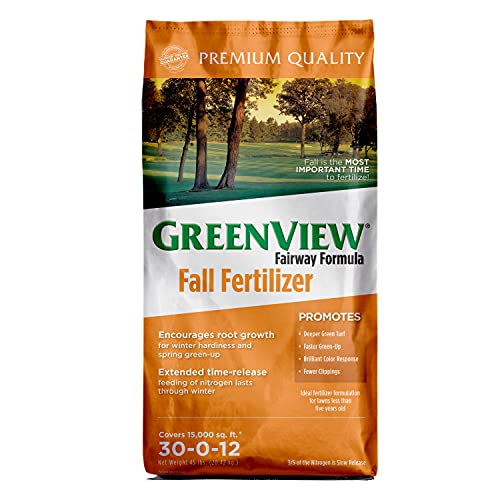
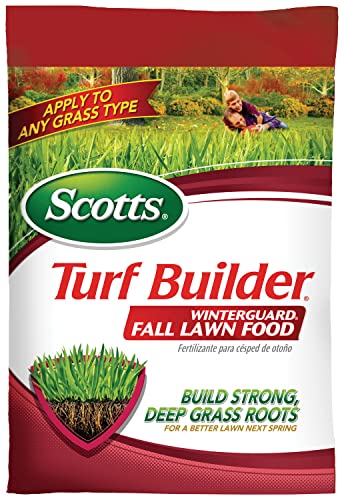
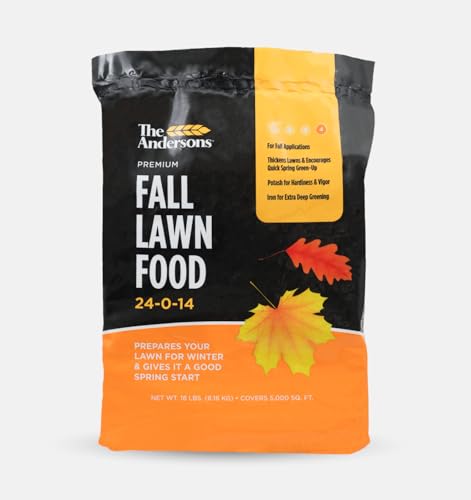
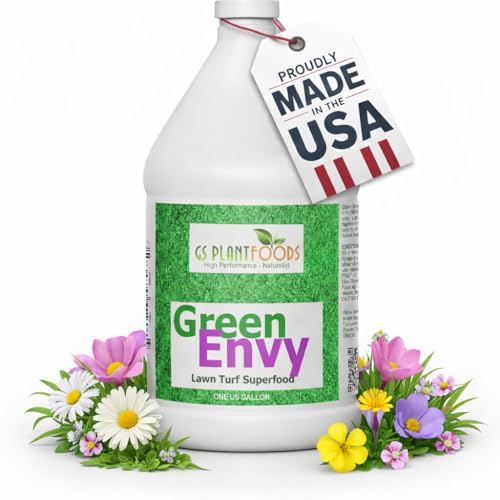
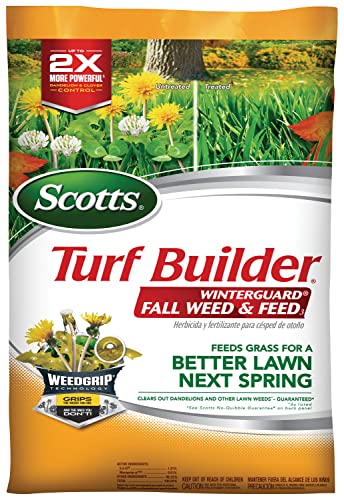
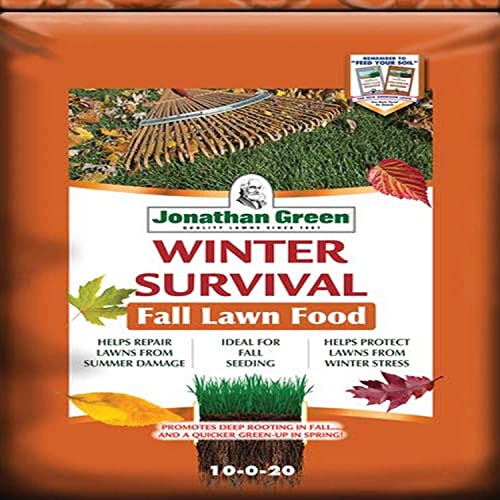
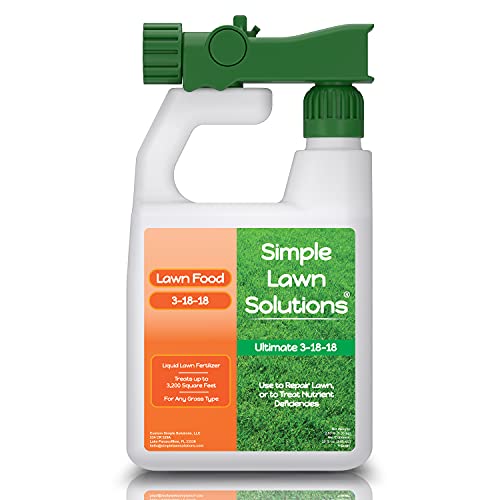
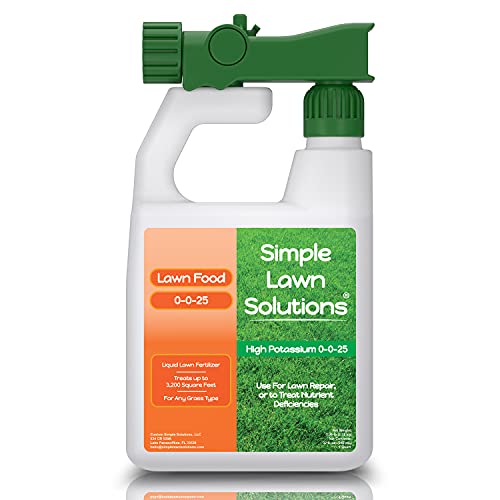
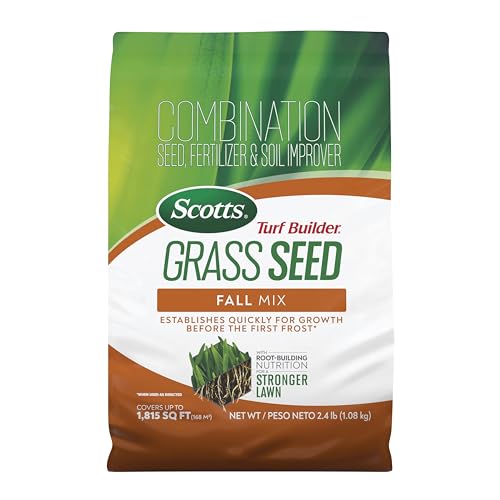
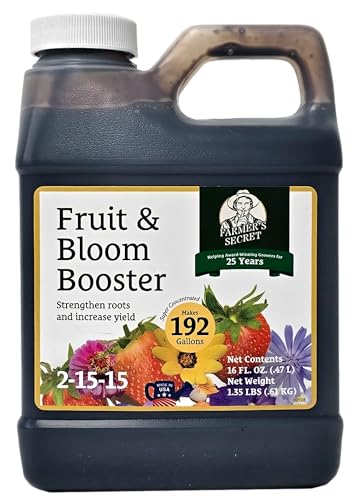
What Makes a Fertilizer a Fall Fertilizer
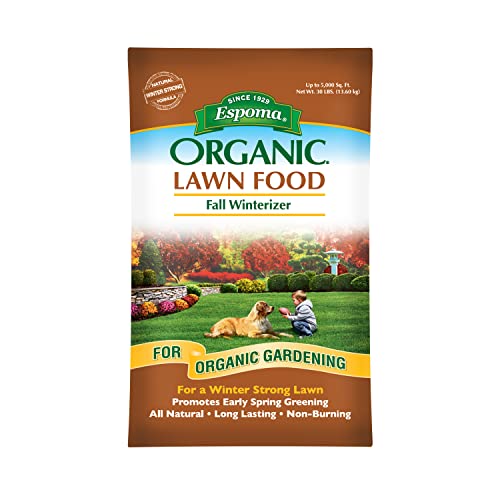
Spring fertilizer is built to push fast, visible growth. Fall fertilizer has a different job. Instead of encouraging a lot of new blade growth right before cold weather sets in, it focuses on the roots and the stores of energy a plant needs to survive winter and bounce back quickly in spring.
That's why fall formulas usually shift the balance of nutrients toward potassium and phosphorus rather than loading up on nitrogen. Potassium in particular strengthens cell walls, improves disease resistance, and helps grass and perennials tolerate frost and cold snaps. Nitrogen is still part of the mix, but it's dosed to feed the roots steadily rather than force a growth spurt that gets damaged by the first freeze.
Think of it as a shift in priorities rather than a completely different product category. A spring bag is trying to make everything above the soil look great as quickly as possible. A fall bag is trying to make everything below the soil strong enough to survive months of cold, then wake up ready to grow the moment temperatures rise again. Understanding that shift is the first step toward choosing the best fall fertilizer for your yard instead of grabbing whatever bag happens to be closest to the checkout line.
Decoding the N-P-K Numbers on the Bag
Every bag of fertilizer lists three numbers, always in the same order: nitrogen, phosphorus, and potassium. Once you know what each one does, choosing the best fall fertilizer for your yard gets a lot less confusing.
What Each Number Actually Does
Nitrogen (N) fuels green color and leaf growth. Phosphorus (P) supports root and seedling development, though most established lawns and beds already have enough in the soil. Potassium (K) builds overall resilience, helping plants handle cold, drought, and disease. For fall use, potassium is the number you want to see boosted.
Ratios Worth Looking For
You don't need to memorize exact formulas, but a few patterns show up again and again on fall lawn fertilizer labels: ratios like 4-1-2 or products that lean toward higher potassium relative to nitrogen. A steady, moderate nitrogen level paired with a meaningful potassium boost is generally the combination worth looking for, rather than a formula that maximizes nitrogen the way spring blends do.
It also helps to glance past the three big numbers at the ingredient list. Some fall formulas include humic acid or other soil-conditioning additives that improve how well roots take up nutrients from the surrounding soil. Others add iron, which won't change the N-P-K ratio but can support winter hardiness and a slightly deeper green color heading into the colder months. Neither is essential, but both are reasonable tie-breakers if you're stuck choosing between two otherwise similar bags.
Matching the Formula to Your Grass Type
Grass type matters more than almost any other factor when you're shopping for a winterizer fertilizer. Cool-season and warm-season grasses behave so differently in fall that the wrong choice can waste a bag of fertilizer or even stress your lawn going into winter. If you only take one thing from this section, let it be that the best fall fertilizer for your neighbor's lawn might be the wrong one for yours if your grass types don't match.
Cool-Season Lawns
Fescue, bluegrass, and ryegrass are still actively growing through fall as temperatures cool. These lawns benefit the most from fall feeding, since roots keep developing well after the visible top growth slows down. A moderate to high nitrogen formula with added potassium works well here, applied across the fall window rather than as a single dose.
Warm-Season Lawns
Bermuda, zoysia, and St. Augustine grasses are heading into dormancy as fall approaches, not gearing up for growth. A heavy nitrogen application at this point can actually work against the lawn by encouraging tender new growth right before cold weather arrives, growth that then gets damaged by the first freeze instead of helping the plant. If you fertilize a warm-season lawn in fall at all, a lighter, potassium-focused feeding earlier in the season, well before dormancy sets in, is the safer approach. Once the grass has gone fully dormant and turned brown, additional fertilizer generally isn't doing much for it.
Timing Your Application
Even the best fall fertilizer applied at the wrong time won't do much good. Timing is where most people either waste money or unintentionally stress their lawn.
The 6-to-8-Week Rule
A commonly used rule of thumb is to apply fall fertilizer about six to eight weeks before the first hard frost in your area. That window gives roots enough time to absorb and use the nutrients before the ground gets too cold for uptake. Since first frost dates vary widely by region, it's worth checking a local frost date estimate rather than going by a fixed calendar date.
Before you put fertilizer down, it helps to clear the lawn of fallen leaves and debris so nutrients can actually reach the soil instead of sitting on top of a leaf pile. A sturdy set of garden rakes makes quick work of that step on a larger yard.
Mistakes That Waste Your Money
Applying too early, while the lawn is still under summer stress, can do more harm than good. Applying too late, once the ground has already started to freeze, means the roots can't absorb what you've put down and much of it simply washes away. Skipping a light watering after application is another common misstep, since fertilizer needs moisture to move into the soil rather than sit on the surface.
Quick-Release vs. Slow-Release Nitrogen
Beyond the N-P-K ratio, it's worth paying attention to how quickly the nitrogen in a fertilizer becomes available to the lawn. Quick-release sources, like urea or ammonium sulfate, act fast and are useful when you want a rapid response, but they can also leach away quickly if it rains soon after application, meaning some of what you paid for never actually reaches the roots. Slow-release or coated formulas feed the lawn gradually over several weeks, which fits well with the steady, root-focused approach fall fertilizing calls for.
Neither option is strictly better in every situation, so the best fall fertilizer for you depends on where you are in the fall window. A quick-release product can make sense if you're getting a late start and want nutrients available right away. A slow-release formula is usually the safer default if you're applying early and want the feeding to carry the lawn through several weeks without a second application.
Whichever type you choose, watering it in lightly after application helps activate the nutrients and keeps them from blowing away or sitting exposed on the surface. A reliable garden hose with an adjustable sprayer setting makes that step easy without oversaturating the lawn.
Frequently Asked Questions
When should I apply fall fertilizer to my lawn?
Most experts recommend putting down the best fall fertilizer for your grass type about six to eight weeks before your area's first hard frost. This timing lets the roots absorb nutrients while the soil is still warm enough for uptake.
Is fall fertilizer necessary if I already fertilized earlier in the year?
Yes, in most cases. Spring and summer feedings focus on growth and color, while fall feeding rebuilds root strength and energy reserves that spring fertilizer doesn't address. Skipping it means your lawn goes into winter with less stored energy than it could have.
Can I use fall fertilizer on warm-season grass?
You can, but timing shifts earlier. Warm-season grasses are heading toward dormancy in fall, so a light, potassium-focused feeding earlier in the season works better than a heavy nitrogen application late in fall.
What is a winterizer fertilizer?
Winterizer is another name for fall fertilizer, and it's what you're really shopping for when you look for the best fall fertilizer. It's formulated to strengthen roots and improve cold tolerance rather than push new top growth before winter.
How much fertilizer should I use per 1,000 square feet?
Application rates vary by product, but a common guideline is around 1 to 1.5 pounds of actual nitrogen per 1,000 square feet. Always follow the specific rate printed on the bag, since concentrations differ between formulas and using more than recommended won't speed up results.
Should I fertilize before or after the first frost?
Before, ideally. Once the ground has frozen, roots stop absorbing nutrients effectively, so fertilizer applied after a hard frost does much less good.
What happens if I apply fall fertilizer too late?
The lawn won't have enough time to absorb and use the nutrients before winter dormancy. Much of the product can simply sit on frozen or near-frozen soil until spring runoff carries it away.
Making the Right Call for Your Lawn
Choosing the best fall fertilizer comes down to three things: matching the formula to your grass type, checking that the N-P-K ratio favors potassium over heavy nitrogen, and getting the timing right relative to your first frost date. None of that requires special equipment or expertise, just a bit of label reading and a rough sense of when your area typically sees its first frost. Get those three right, and your lawn heads into winter stronger and comes back greener in spring.