
Best Deck Sealers: Which One Fits the Way You Use Your Deck in 2026?
Disclosure: We may earn a commission when you buy through links on this page, at no extra cost to you. As an Amazon Associate I earn from qualifying purchases. Learn more

How to choose the best deck sealers for first time DIYers, long lasting protection, eco minded owners and large decks.
Sun, rain, snow and foot traffic wear down a wood deck fast. A good sealer keeps water out, slows graying from UV light and helps prevent the cracking, cupping and rot that lead to expensive board replacement. But deck sealers range from clear water repellents to tinted oils and semi transparent stain and sealer combos, and each suits a different deck, climate and owner. This guide to the best deck sealers helps you match the right type to your deck and your appetite for maintenance.
We cover who should buy which type, the features to compare, common mistakes, application tips and frequent questions. Rags soaked with oil based finishes can catch fire on their own as they dry, so lay them flat outdoors to dry or store them in a sealed metal can filled with water. Work in a ventilated area, wear gloves and eye protection, keep children and pets off the deck until it fully dries and remember that a freshly coated deck can be slippery.



Who Should Buy Which Deck Sealers?
Your deck's age, wood type and how much upkeep you want decide the best type.
For First Time DIYers
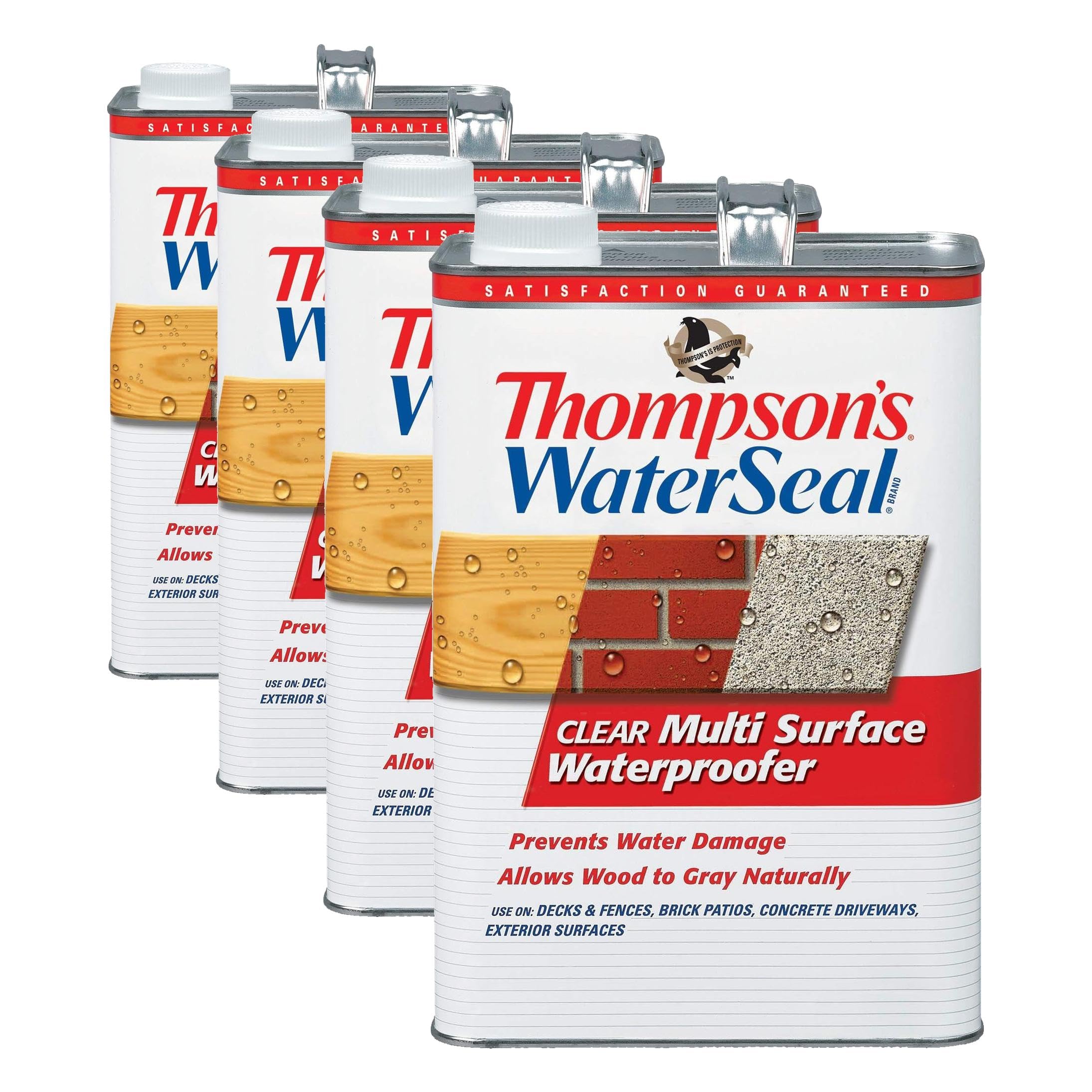
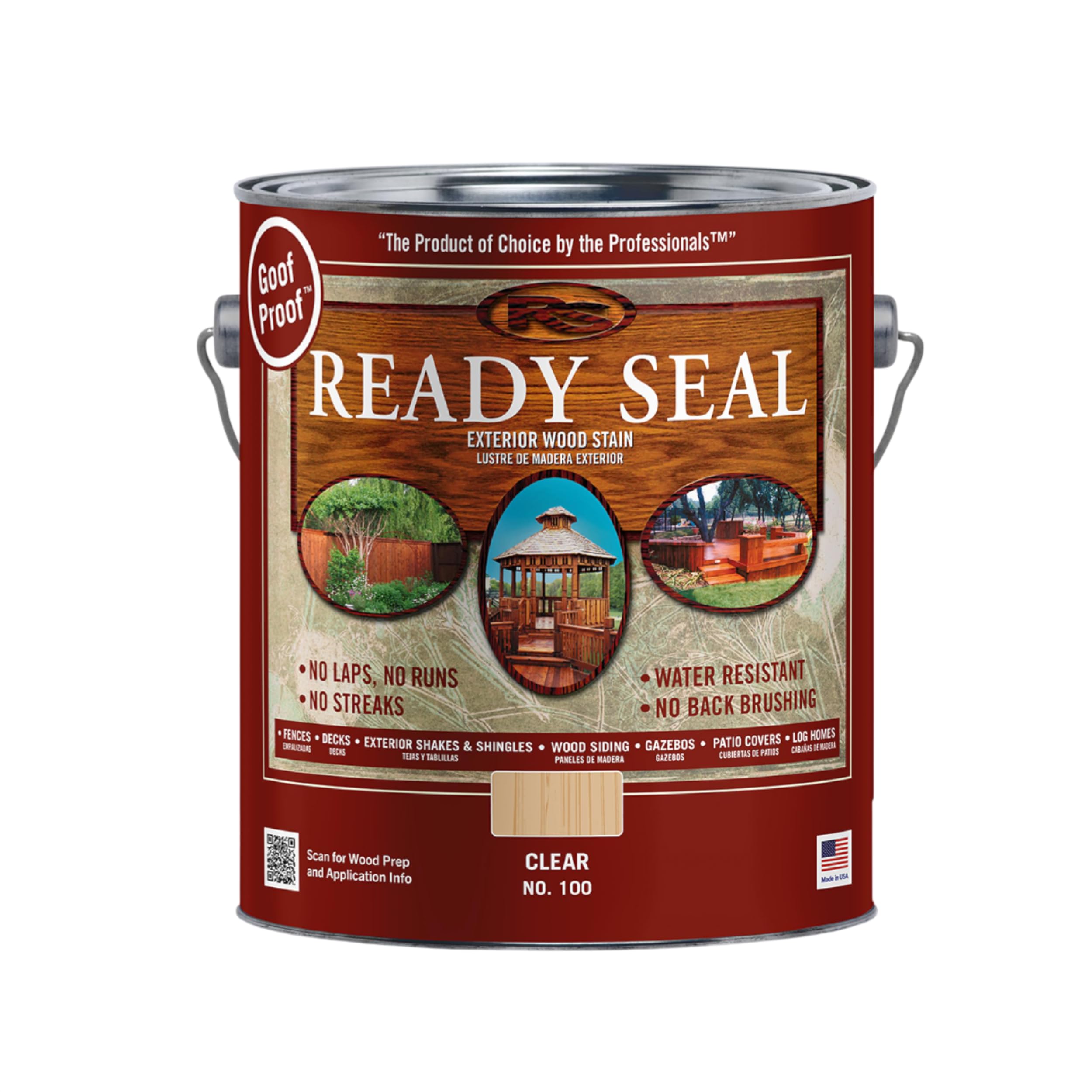
First time sealers need forgiving products that apply evenly without streaks. Ready Seal needs no primer, back brushing, wet line application or thinning, goes on with a sprayer, roller or brush and blends itself so it will not leave runs, laps or streaks. It reaches its true color in about 14 days and can be recoated without sanding or stripping. Thompson's WaterSeal Multi Surface Waterproofer, sold as a 4 pack of gallons around $72, is a familiar clear option for basic water protection.
Prioritize easy application, no stripping on recoat and clear or lightly tinted color.
For Long Lasting Protection
Owners who want fewer recoats should choose penetrating, tinted stain and sealers, since pigment blocks UV better than clear finishes. TWP 101 Pro Series is an oil based exterior stain and protectant that is mildew resistant and water repellent for decks, fences, siding and log homes, around $55 per gallon. DEFY Extreme is a semi transparent waterproof stain and sealer for all wood types, around $55 per gallon, and SaverSystems #1 Deck is a water based semi transparent stain and sealer around $38 per gallon.
Prioritize semi transparent pigment, mildew resistance and penetration into the wood.
For Eco Minded Owners
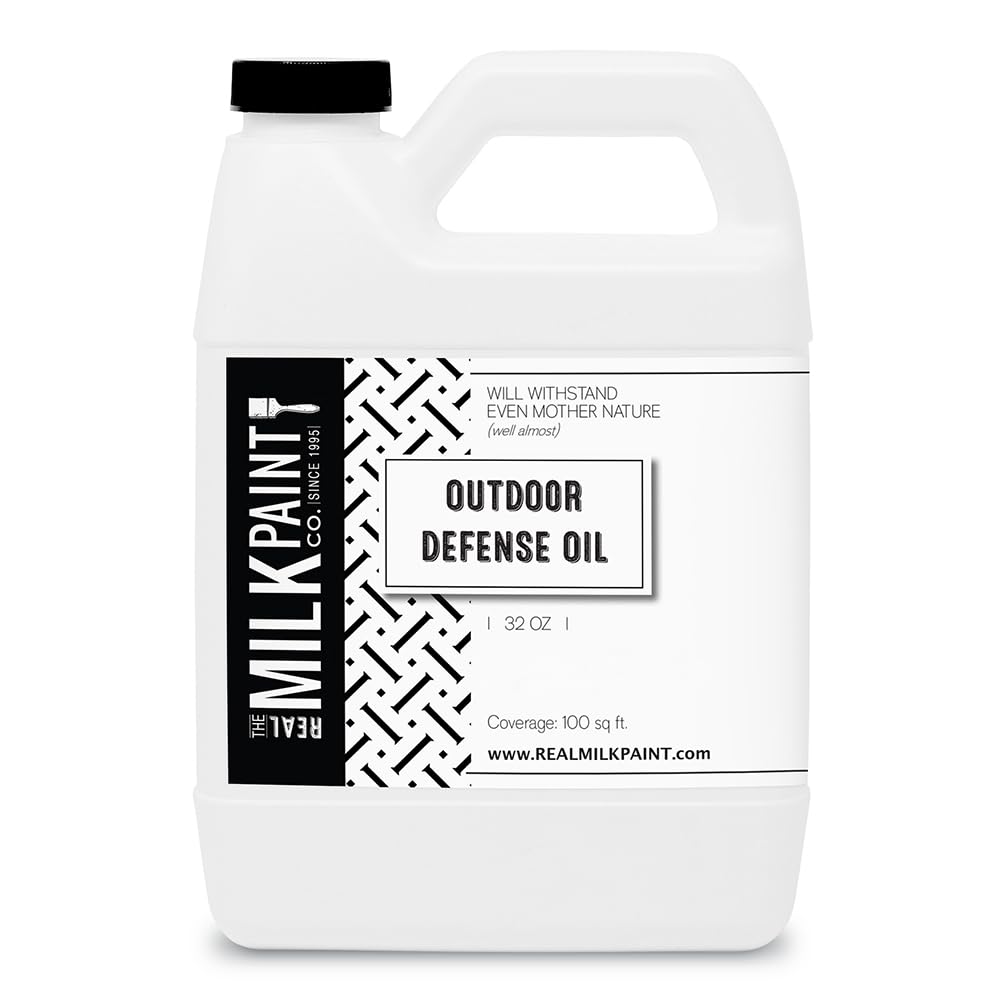
Owners who prefer plant based finishes have good options. Seal It Green Deck Armor is a plant based penetrating stain and sealer with UV blockers, no mineral, cedar or petroleum oils and coverage up to 400 square feet per gallon, around $89. Real Milk Paint's Outdoor Defense Oil uses tung oil for outdoor furniture, fences, decks and cedar garden beds, around $67 for 32 ounces.
Prioritize plant based oils and check coverage, since some cost more per square foot.
For Large Decks and Fences
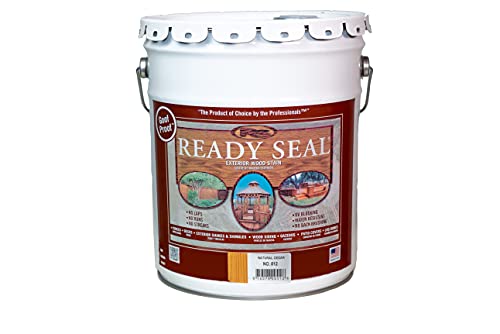
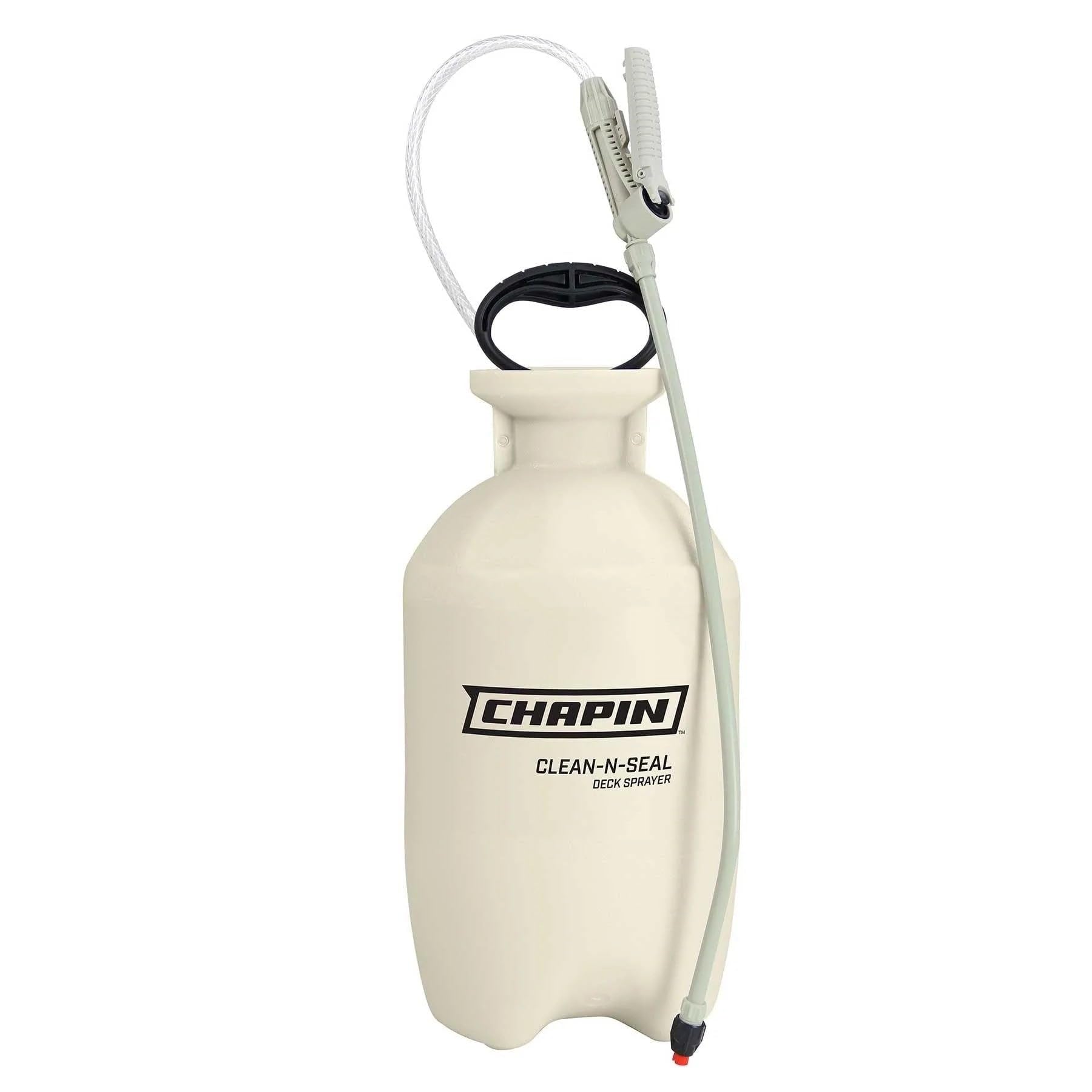
Big decks and long fences go through gallons quickly, so 5 gallon pails save money. Ready Seal's 5 gallon Natural Cedar costs around $199 and Thompson's WaterSeal Transparent Waterproofing Stain and Sealer comes in 5 gallons around $117. A pump sprayer, like Chapin's 2 gallon Clean N Seal deck sprayer with three fan nozzles and a spray shield, speeds application.
Key Features to Compare in the Best Deck Sealers
Transparency, base, UV and mildew protection, coverage and prep requirements matter most.
Transparency: Clear, Toner, Semi Transparent or Solid
Clear sealers show the natural grain but offer the least UV protection, so wood still grays. Toners and semi transparent stains, like DEFY Extreme, #1 Deck, TWP 101 and Thompson's transparent tints, add pigment that blocks UV while showing grain. Solid stains hide grain like paint and last longest on older, weathered boards but can peel.
Water Based vs Oil Based
Water based sealers, like SaverSystems #1 Deck, clean up with soap and water, dry faster and have lower odor. Oil based and penetrating oil finishes, like TWP 101 and Ready Seal, soak deep into wood and fade rather than peel, making recoats easier. Plant based oils, like Seal It Green's and Real Milk Paint's tung oil, appeal to eco minded owners.
UV and Mildew Protection
UV light breaks down wood fibers and causes graying, and moisture invites mildew. Seal It Green lists UV blockers, and TWP 101 lists mildew resistance. Darker semi transparent tints generally block more UV than light or clear finishes. Shady, damp decks benefit most from mildew resistant formulas.
Coverage and Recoat Interval
Coverage varies by wood porosity and product. Seal It Green lists up to 400 square feet per gallon. Rough, weathered wood absorbs more, so buy extra. Clear sealers usually need recoating yearly, while semi transparent stains often last two to three years depending on sun and traffic.
Application and Prep Requirements
Most sealers need clean, dry wood. Ready Seal notes it should not go over painted or newly stained surfaces, since sealed wood blocks penetration. Thompson's sells a 3 in 1 wood deck cleaner for prep. Products that need no back brushing, like Ready Seal, save time on large decks.
Availability and Regulations
Some finishes are restricted in certain states because of VOC rules. Ready Seal notes it is not available in California and carries a PaintCare recycling fee in Connecticut and Vermont. Check local availability and dispose of leftover finish through a household hazardous waste program.
Wood Type and Climate
Different woods and climates call for different sealers. Dense tropical hardwoods like ipe resist absorption, so choose thin penetrating oils labeled for exotic woods; Seal It Green lists ipe, bamboo and pressure treated wood. Cedar and redwood soak up finish readily and look best with clear or cedar toned sealers. Hot, sunny climates need stronger UV protection, while wet, shady regions need mildew resistance and more frequent cleaning.
Dry Time and Foot Traffic
Plan your project around dry time. Water based finishes often dry to the touch within hours, while oil based penetrating finishes may need a day or more before furniture and heavy traffic return. Cool, humid weather slows drying. Follow the label for recoat and full cure times, and keep grills, planters and rugs off the surface until it has cured.
Common Mistakes to Avoid When Buying Deck Sealers
Skipping prep. Dirt, mildew and old peeling finish prevent penetration.
Sealing wet or brand new wood. Wood must be dry enough to absorb the sealer.
Applying too thick. Excess sealer stays sticky and can peel.
Choosing clear for full sun. Clear sealers fade fastest under strong UV.
Mixing incompatible products. Water based over oil based, or vice versa, can fail; strip or match the existing finish.
Forgetting railings and stairs. Vertical surfaces and treads weather too; budget enough sealer for them.
Tips to Get the Most From Your Deck Sealer
Clean and brighten first. Use a deck cleaner and let wood dry for a day or two.
Check the forecast. Apply in mild, dry weather with no rain expected for 24 to 48 hours.
Sprinkle water on the boards. If it soaks in, the wood is ready; if it beads, wait or clean further.
Work in small sections. Coat a few boards end to end to avoid lap marks.
Protect siding and plants. Use a spray shield, like Chapin's, and cover nearby plants.
Dispose of rags safely. Lay oily rags flat to dry or store them in water in a sealed metal can.
Frequently Asked Questions
How often should I reseal my deck?
Most decks need resealing every one to three years. Clear sealers often need yearly recoats, while semi transparent stains last two to three years. Sprinkle water on the boards each spring; if it soaks in quickly instead of beading, it is time to reseal.
What is the difference between a deck stain and a deck sealer?
A sealer mainly repels water, while a stain adds color and UV protection. Many products, like DEFY Extreme, #1 Deck, Ready Seal and Seal It Green, combine stain and sealer in one coat. Pigmented stain and sealers last longer than clear sealers.
Can I seal new pressure treated wood right away?
Usually not. New pressure treated lumber is often wet from treatment and needs weeks or months to dry before it absorbs sealer. Sprinkle water on the boards; when it soaks in rather than beading, the wood is ready.
Can I apply deck sealer with a sprayer?
Yes, many sealers apply well with a pump sprayer. Ready Seal says it can be sprayed without thinning, and Chapin's deck sprayer is built for transparent stains and sealers. Back brush if the product label calls for it, and protect nearby surfaces from overspray.
Which is better for an older deck?
Older, weathered decks usually look best with a semi transparent or solid stain that hides gray wood and evens out color. Clean and brighten the wood first, and replace any soft or rotted boards before sealing.
How much deck sealer do I need?
Measure your deck's length times width, add stairs and railings and divide by the product's coverage per gallon. Seal It Green lists up to 400 square feet per gallon, but rough or weathered wood absorbs more. Buy an extra gallon for a large deck so color matches if you run short.
Final Thoughts
The best deck sealers match your wood, climate and maintenance plans. Ready Seal and Thompson's WaterSeal suit first time DIYers, TWP 101, DEFY Extreme and #1 Deck offer longer lasting semi transparent protection and Seal It Green and Real Milk Paint's Outdoor Defense Oil suit eco minded owners. Prep carefully and apply in good weather for the longest lasting results.
For more outdoor guides, see the best concrete sealer, the best driveway sealer, the best electric pressure washers and the best patio chairs. Then compare current prices in the product table above.


