
Best Expandable Garden Hose: A Complete Buying Guide
Disclosure: We may earn a commission when you buy through links on this page, at no extra cost to you. As an Amazon Associate I earn from qualifying purchases. Learn more
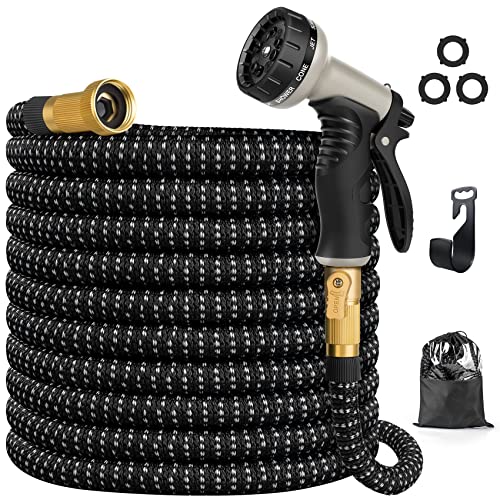
Picking the best expandable garden hose comes down to more than color or price. These lightweight coiled hoses have taken over patios and small yards because they shrink to a fraction of their working length and rarely kink, but not every version holds up past a single summer. The difference between a hose that lasts several seasons and one that splits at the fitting by midsummer usually comes down to what is inside the fabric sleeve: the number of latex layers, the weave density of the outer jacket, and whether the connectors are brass or plastic. This guide walks through what actually matters when comparing options, how these hoses stack up against traditional rubber ones, and how to keep one working longer.

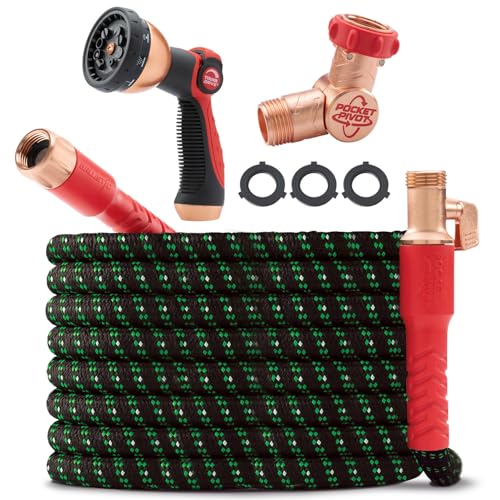
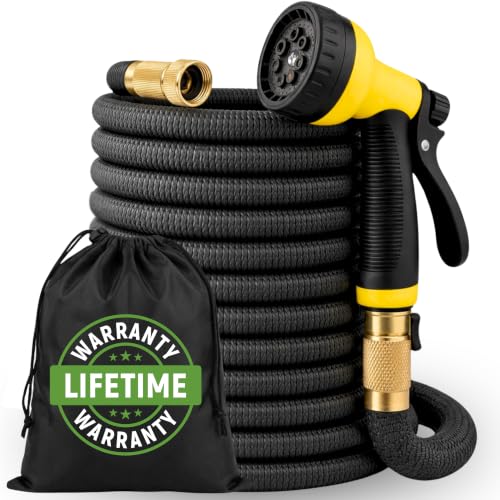
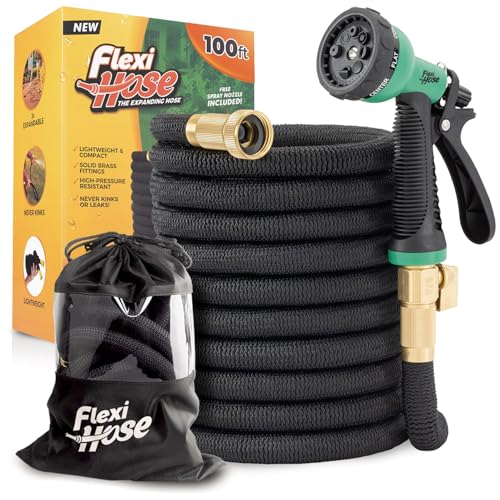


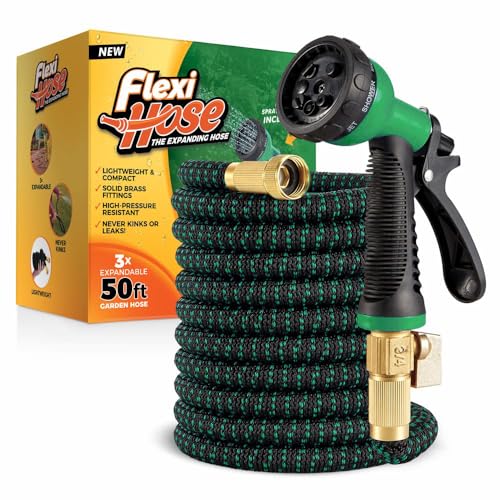
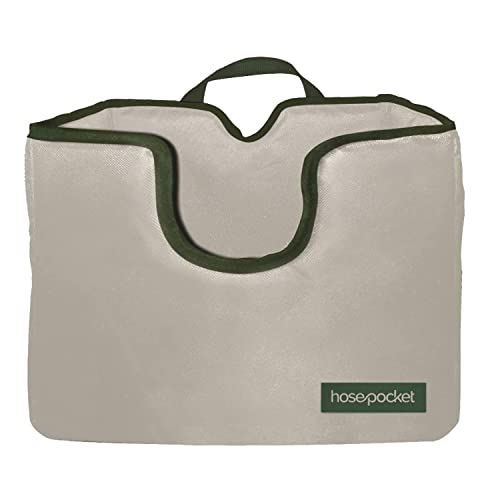
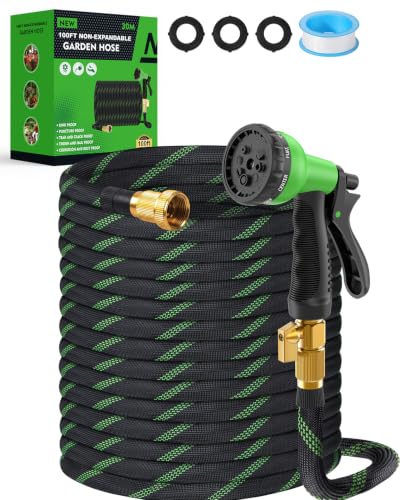
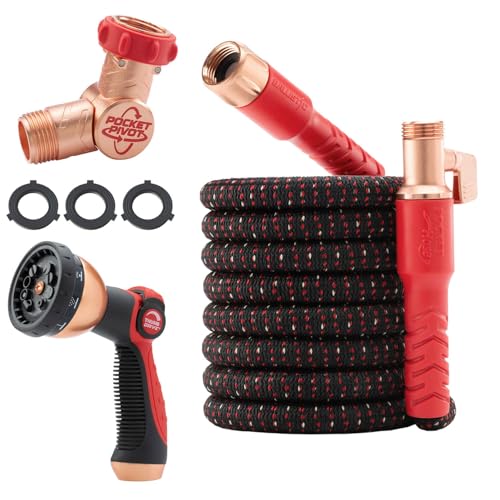
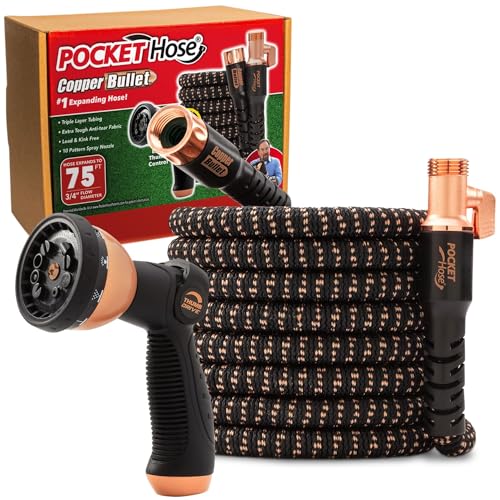
What's Inside the Hose Matters More Than the Label
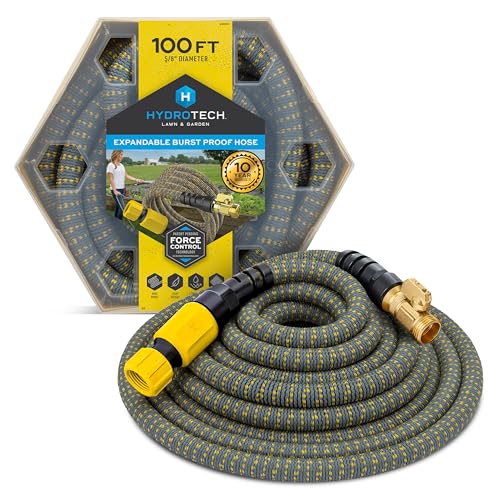
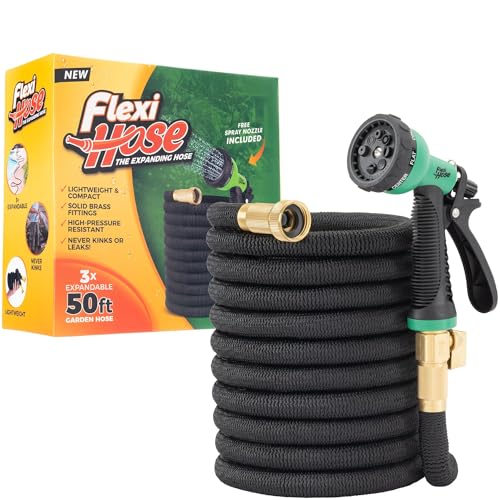
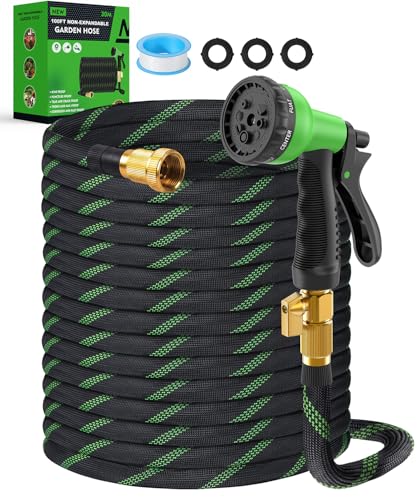
An expandable hose is really two hoses in one. Water pressure pushes an inner latex tube outward, and an outer fabric sleeve controls how far it stretches and protects the latex from sun and abrasion. The number of latex layers is the single biggest factor in how long a hose survives daily use.
Layer count and burst pressure
A single latex layer tends to balloon and split within weeks of regular watering. Look for at least three layers, since that construction spreads stress across more material and resists pinhole leaks far better. Manufacturers list a burst pressure rating, often somewhere near 175 PSI, which sounds high next to the 40 to 60 PSI most home faucets deliver, but that cushion matters when a hose sits pressurized in the sun or gets a pressure spike from a well pump.
Outer fabric and fittings
The fabric jacket should feel tightly woven, not thin or see-through when stretched. A denser weave resists snags from mulch, gravel, and pet claws. At the ends, brass fittings outlast plastic ones by years because brass does not crack from UV exposure or cross-threading, and it seals more consistently against a spray nozzle or timer.
Expandable vs. Traditional Hoses: What You Gain and Give Up
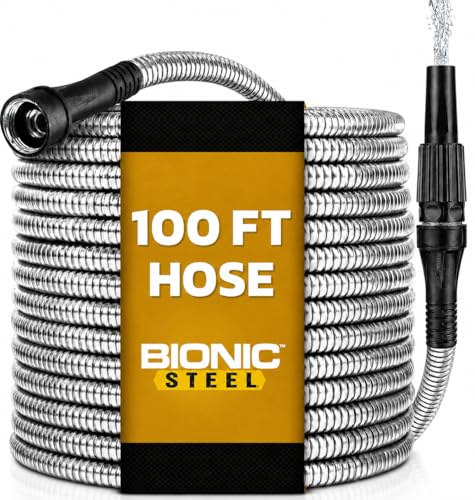
A standard rubber or vinyl hose is heavy, holds a coil memory that fights you every time you uncoil it, and can be awkward to store. An expandable hose solves all three problems: it weighs a fraction as much, drapes flat without kinking, and shrinks down small enough to hang on a hook or tuck into a bucket.
The tradeoff is durability. Traditional hoses can survive being dragged across concrete or left kinked for a season with barely a scratch, while an expandable hose's latex core is more sensitive to punctures, twisting, and prolonged UV exposure. Fittings on expandable hoses are also more prone to slow leaks over time, since the connection point takes the full stress of the stretch cycle every time the water turns on and off.
For most casual household watering, container gardens, and car washing, the convenience trade is worth it. For farm-style daily irrigation over rough ground, a traditional hose or a dedicated irrigation line still holds up better long term. In practice, choosing the best expandable garden hose for a household setup means weighing that convenience against how roughly the hose will actually be treated.
Matching Hose Length to Your Yard
Buying too short is the most common sizing mistake. An expandable hose needs enough slack at its contracted length to reach your farthest watering point without stretching to its absolute limit, since hoses that are constantly maxed out wear out faster at the seams.
A 25 or 50-foot hose covers most patios, raised beds, and small front yards. Anything larger than a standard suburban lot usually calls for 75 or 100 feet, and it's worth measuring the actual distance from your spigot to the far corner of the property rather than guessing. If your space is on the larger end, a dedicated 75 ft expandable hose built for bigger yards avoids the stress of running a shorter hose at full stretch every time you water.
Keeping the Latex Core From Failing Early
Expandable hoses are more sensitive to storage habits than traditional ones, and most premature failures trace back to a handful of avoidable habits.
- Drain the hose fully after each use instead of leaving it pressurized, since trapped water left in the sun accelerates latex fatigue.
- Avoid dragging the hose over sharp gravel, deck edges, or fence corners that can nick the outer fabric and expose the latex underneath.
- Store it out of direct sun when not in use, since UV exposure is the leading cause of latex hardening and cracking over a season.
- Disconnect from the spigot before winter in freezing climates, as trapped water that freezes can split the inner tube.
Treated this way, a well-made hose can realistically last two to five seasons of regular use, compared to a single summer for a poorly maintained one.
Where an Expandable Hose Makes the Most Sense
Small to medium yards are the sweet spot for this hose style, since the lightweight coil is easy to move between garden beds without wrestling with a heavy reel. Container gardens and raised beds also benefit, especially when you're watering several scattered pots rather than one long, straight run.
RV owners and campers lean on expandable hoses for the same reason: they pack down small, weigh almost nothing in a storage bay, and handle occasional connection to fresh water without the bulk of a traditional hose. If your watering routine also includes a timer or zone-based schedule rather than hand-watering, pairing the hose with a programmable irrigation controller can take some of the guesswork out of when and how long to run it.
The one place expandable hoses fall short is heavy-duty, daily commercial use, where the fittings and latex core simply see more stress than they're built to handle.
Frequently Asked Questions
How long should a good expandable garden hose last?
With proper draining and storage out of direct sun, a well-built hose typically lasts two to five seasons. Cheap single or double-layer versions often fail within a few months of regular use.
Why does my expandable hose leak at the connector instead of along the length?
Connector leaks usually come from a worn rubber washer inside the fitting or a loose connection to the spigot. Replacing the washer or tightening the fitting by hand, without overtightening, resolves most cases.
Is the best expandable garden hose always the one with the most latex layers?
Layer count matters, but fabric quality and fitting material matter just as much. A four-layer core paired with a thin outer weave can still fail from abrasion before the latex ever does.
Can an expandable hose handle high water pressure from a pump or well system?
Most are rated well above standard residential pressure, but a pressure regulator is worth adding if your system runs consistently above 80 PSI, since spikes are what typically cause bursts.
Does leaving an expandable hose in the sun really shorten its life?
Yes. UV exposure dries out and stiffens the latex core over time, making it more likely to crack or balloon. Storing the hose in shade or a bin between uses noticeably extends its lifespan.
Should the hose be fully expanded or fully contracted when not in use?
Fully contracted and drained is best. Storing it expanded and full of water keeps constant pressure on the latex and fittings, which speeds up wear.
Can a torn expandable hose be repaired instead of replaced?
Small pinholes or tears near the ends can often be patched with self-fusing silicone tape or a repair coupling. Damage closer to the middle of a badly worn hose usually isn't worth patching.
Getting a Hose That Actually Earns Its Convenience
An expandable hose is one of those rare upgrades that saves real effort every time you use it, as long as it's built well enough to survive regular contracting and expanding. Paying attention to layer count, fabric density, and fitting material upfront does more for long-term reliability than any single brand claim. Treat the hose gently during storage and it will keep earning its shelf space season after season.