Best Fat Tire Kids Bikes: A Complete Buying Guide
Disclosure: We may earn a commission when you buy through links on this page, at no extra cost to you. As an Amazon Associate I earn from qualifying purchases. Learn more

Finding the best fat tire kids bikes starts with understanding why wider tires actually matter for a young rider in the first place. Standard kids bikes use narrow tires that can feel twitchy on gravel, roots, or loose dirt, which makes new riders nervous and quick to give up. A fat tire kids bike swaps in tires roughly three to four inches wide, and that extra footprint changes how the whole bike behaves. It grips better, soaks up small bumps, and gives a wobbly beginner more margin for error. Before you compare specific models, it helps to know which features actually affect how your child rides, and which ones are just marketing.





Why Wider Tires Change the Ride for Young Riders
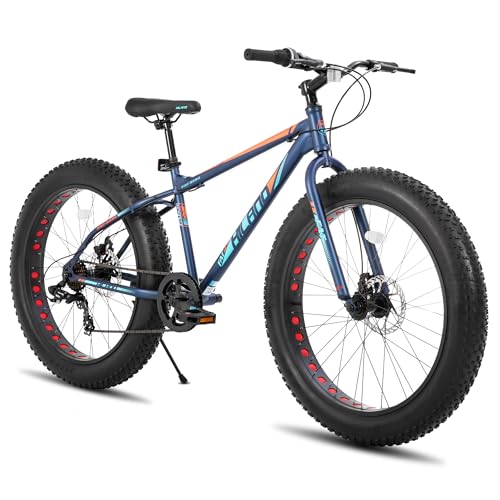
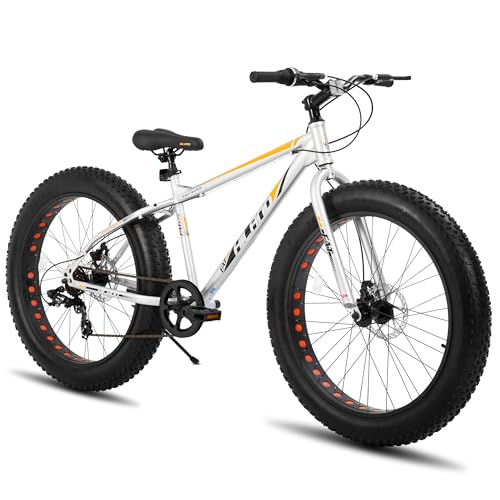
A wide tire holds more air volume at lower pressure, which lets it flex over roots, curbs, and cracked pavement instead of bouncing off them. For a child still building balance, that flex does a lot of the stabilizing work that an adult rider would otherwise do with body position. The bike simply tips less and recovers faster from a wobble.
Fat tires also change how mistakes feel. A narrow tire hitting a pothole can deflect the front wheel sharply, which is often what causes a young rider to panic and grab the brakes wrong. A wider tire absorbs that same hit and keeps the bike tracking straight, so a bad line choice is less likely to end in a fall. This is part of why bikes built this way show up so often as a first "real" ride after training wheels come off.
The tradeoff is weight. Wider rims and tires add a pound or two compared to a standard kids bike, and rolling resistance is slightly higher on smooth pavement. For most beginner and intermediate riders, the stability gain is worth that small tradeoff, especially in the first year or two of unassisted riding.
Matching Wheel Size to Your Child's Height
These bikes are sized by wheel diameter, not frame size, and getting this right matters more than any other spec on the bike. A 16 inch wheel generally suits a child around 3'6" to 4', a 20 inch wheel fits roughly 4'2" to 4'10", and a 24 inch wheel works for most kids from about 4'8" up through early teens, depending on inseam.
Room to Grow Versus a Snug Fit
It is tempting to size up so the bike lasts longer, but a bike that is too big undermines the exact stability that drew you to fat tires in the first place. Your child should be able to place both feet flat, or nearly flat, on the ground while seated, with a small amount of standover clearance over the top tube. A seat post with several inches of adjustment range gives you a season or two of growing room without sacrificing control today.
Checking Inseam, Not Just Age
Age-based charts are a rough starting point at best, since kids of the same age can differ by several inches in height. Measure your child's inseam in shoes and compare it against the manufacturer's minimum standover height rather than the advertised age range. This one extra step prevents the most common sizing mistake parents make.
Coaster Brakes or Hand Brakes: What Fits Your Child's Age
Braking style is where a lot of parents get tripped up, because it depends more on motor skills than on the bike itself. Coaster brakes, which stop the bike when you pedal backward, are common on smaller wheel sizes and work well for kids who have not yet developed the hand strength or coordination to squeeze a lever consistently.
Once a child moves into 20 inch or 24 inch wheels, hand brakes become the better choice, and many fat tire models pair them with disc brakes for more consistent stopping power in wet or muddy conditions. If your child will be riding on sand, dirt trails, or snow, where a coaster brake can dig the rear wheel into loose ground unexpectedly, a hand-operated front and rear brake setup gives more predictable control.
Some 20 inch models offer both a coaster brake and a hand brake as a transition option, which can be a good middle ground while your child is still learning to squeeze rather than stomp.
Where Fat Tire Bikes Actually Earn Their Keep
Not every family needs a fat tire bike, and it helps to be honest about where your child will actually ride. On smooth sidewalks and paved bike paths, a standard kids bike performs just as well and rolls a bit easier since it has less rolling resistance. If that is the only terrain in play, wider tires solve a problem you don't have.
The picture changes once dirt trails, gravel, packed sand, or light snow enter the mix. That is where the extra contact patch pays off, letting your child ride over loose surfaces that would otherwise stall out a narrow tire or send it sliding sideways. Beach trips, campground trails, and unpaved neighborhood shortcuts are all situations where a fat tire kids bike keeps a young rider upright and confident instead of walking the bike through the rough patch. If your family already owns a bike built for pavement, you can compare it against options built for mixed terrain in our guide to choosing the right kids bike for every age to see which category fits your riding plans.
Frequently Asked Questions
What age is appropriate for a bike like this?
Most fat tire models start around age 4 to 5 with 16 inch wheels and scale up through the young teen years with 24 inch wheels. Match the wheel size to your child's height rather than their age alone.
Are fat tire bikes harder for kids to pedal?
They take slightly more effort on smooth pavement due to added rolling resistance and weight. On dirt, sand, or gravel, the extra traction usually makes pedaling feel easier, not harder, since the wheel spins less and grips more.
Do these bikes need special maintenance?
Not really, though tire pressure matters more than on a standard bike. Lower pressure improves cushioning and grip on rough terrain, while slightly higher pressure rolls faster on pavement, so it is worth adjusting based on where your child rides most.
Can a fat tire bike replace a mountain bike for older kids?
For casual trail riding and mixed terrain, yes. For technical single-track with steep climbs and tight turns, a true kids mountain bike with a wider gear range and lighter wheels will usually handle better once your child is riding more aggressively.
Do these bikes come with gears?
Many 20 inch and 24 inch models include a single-speed or multi-speed drivetrain, while smaller 16 inch bikes are almost always single-speed to keep things simple for younger riders. Gears become more useful once hills or longer rides enter the picture.
How much do fat tires affect the bike's overall weight?
Expect roughly one to two pounds more than a comparable standard-tire kids bike. For a young rider still building leg strength, that difference is usually easy to manage, especially since the added stability often makes the ride feel easier overall.
Is a helmet fit different for fat tire bike riders?
No, helmet fit rules stay the same regardless of tire width. What changes is that rougher terrain riding makes a snug, well-fitted helmet even more important. Our guide to fitting a kids bike helmet walks through getting the sizing and strap adjustment right.
Getting Your Child Set Up With the Right Ride
The right bike for your child comes down to matching wheel size to their actual height, choosing a brake style suited to their coordination, and being realistic about the terrain you'll actually ride. Get those three details right and the bike will do a lot of the stabilizing work on its own. From there, it's mostly a matter of letting your child log miles and build confidence at their own pace.